Scientists at the National Potato Innovation Centre (NPIC), part of The James Hutton Institute, have introduced two new potato varieties to Kenya, now officially listed in the country’s National Variety List.
The initiative was a collaborative effort involving the University of St Andrews, the International Institute of Tropical Agriculture (IITA), the International Potato Center (CIP), the International Centre of Insect Physiology and Ecology (icipe), the Kenya Plant Health Inspectorate Service (KEPHIS), and Seeds2B, according to a press release.
The new varieties, Malaika, named after the daughter of a farmer who contributed to early field trials, and Glen, reflecting the Scottish origins of the breeding program, have successfully completed the mandatory National Potato Trials and received approval from Kenyan processors.
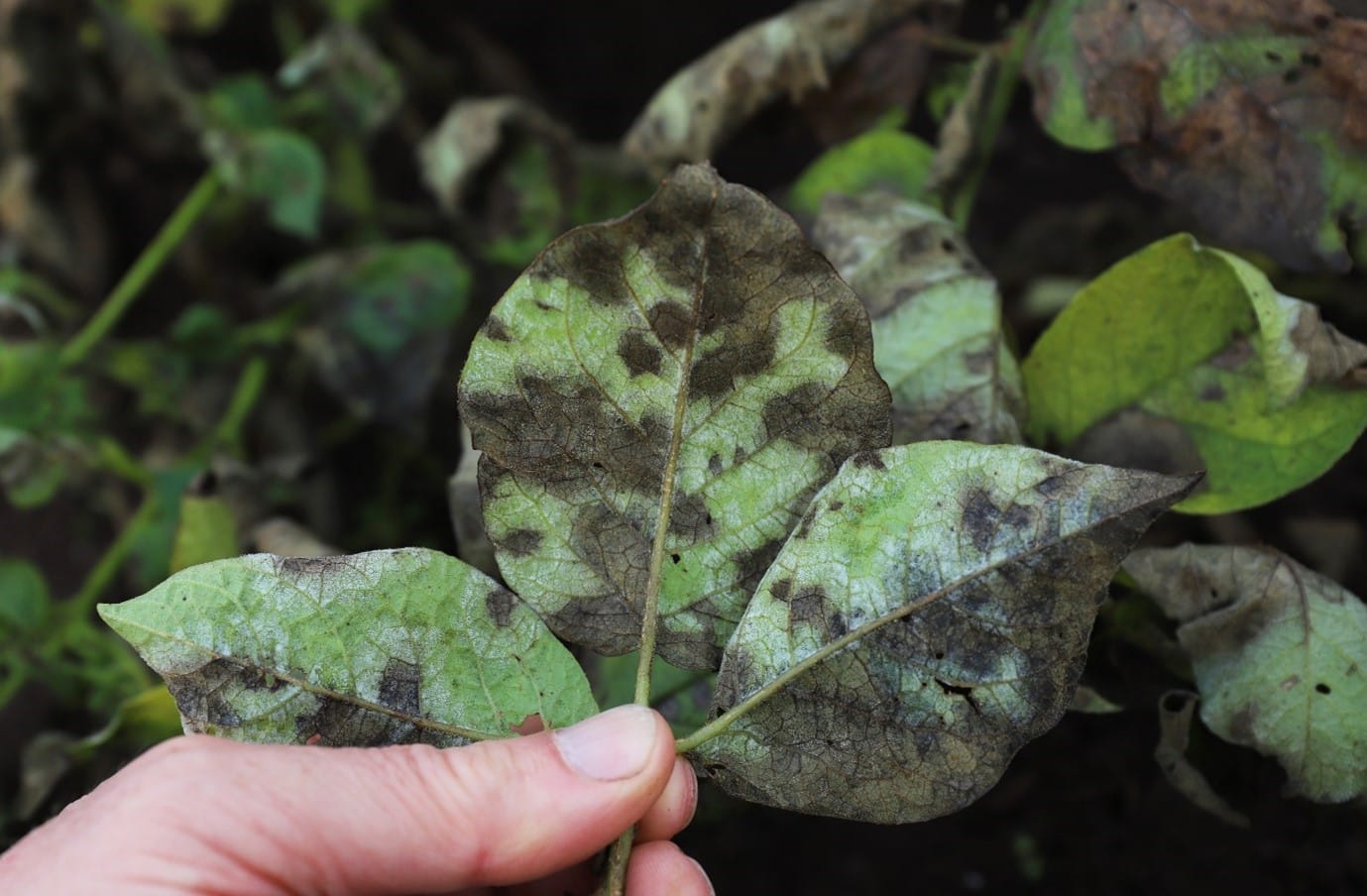
Originally developed through a joint project between Greenvale and Hutton Scientific Services, the commercial branch of the Hutton Institute, these varieties combine traits preferred by local growers with resistance to potato cyst nematode (PCN) — a microscopic parasitic pest currently causing severe damage to Kenyan potato crops by invading roots, stunting growth, and reducing yields.
“The release of these two varieties is the culmination of many years work and is a collaboration between social scientists, crop scientists, plant breeders, the Kenyan Government, seed suppliers and farmers,” senior scientist, Professor John Jones, the Hutton and St Andrews lead on the project, said. “It has brought together researchers and stakeholders in the UK and in Africa to help ensure that we are providing solutions that are in line with the needs of growers in the region. I’m delighted that we have passed this critical milestone.”
Senior Scientist at IITA, Danny Coyne, said, that it has been a remarkable journey involving multiple partners who combined to ensure the success of this undertaking. “PCN is a major pest of a key crop in Kenya, and the region, and the delivery of Malaika and Glen marks a major breakthrough for controlling this pest.”
Potato is Kenya’s second most important food crop after maize, supporting around 2.5 million people across the potato value chain. With an estimated annual value of $500 million, it is a key driver of the country’s agricultural economy.
The James Hutton Institute is a global leader in potato research and breeding, developing varieties with desirable agronomic traits and resilience to stresses such as disease and extreme temperatures. The new varieties, Malaika and Glen, have potential beyond Kenya, offering a reliable and resilient crop in neighboring countries affected by potato cyst nematode (PCN) and contributing to regional food security.
Project research identified that Kenyan smallholder farmers need potato varieties with low dormancy — allowing rapid replanting after harvest — and fast-cooking tubers to reduce fuel consumption. Currently, about 90% of farmers source seed from their own farms or neighbors, with only 6% purchasing certified seed.
Insights from the project will guide the distribution of the new varieties and help build grower confidence. Commercial-scale rollout will be supported by Kisima Seeds, while Syngenta Foundation Farmers’ Hubs will provide technical advice and multiply healthy seed for smallholder farmers.