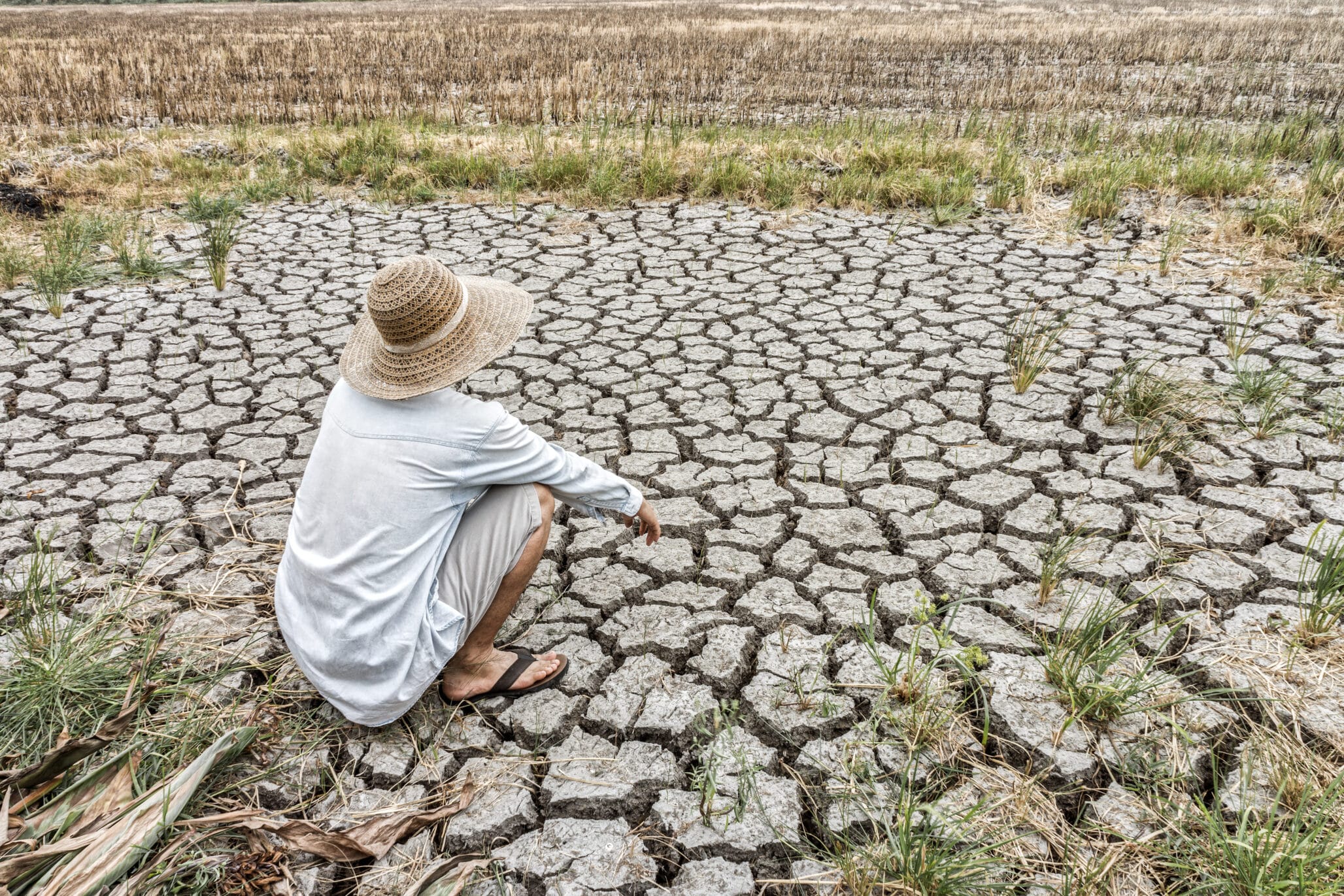
Rich in protein, vitamins and minerals, quinoa is valued worldwide as a healthy food. Its greatest strength lies in its adaptability: the crop tolerates cold, heat and drought, making it well-suited to future farming under climate change.
Although quinoa is already available in Germany, current varieties cannot match the quality or cost-efficiency of imports from South America. The Q4F project (Quinoa for Future Diversified Agricultural Systems) aims to change that by creating the conditions for competitive domestic production. This would diversify German agriculture, strengthen food security and cut environmental impacts by reducing long transport routes.
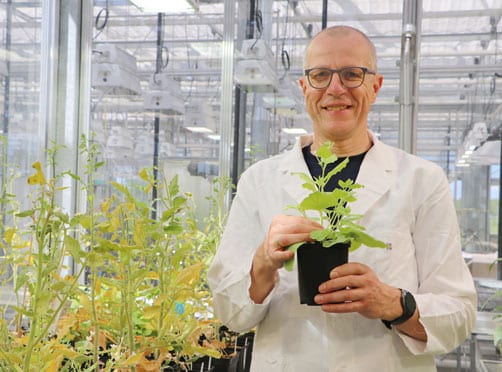
The research focuses on identifying genes that meet the needs of German farming — such as high yields, drought tolerance, disease resistance and climate adaptability. In parallel, the team is testing cultivation systems tailored to different regions across Germany, according to a press release.
Another key pillar of the project is breeding new quinoa varieties optimized for local conditions. Using genetic material from 600 gene bank samples, more than ten crossbreeds and around 15 European varieties, researchers are building prediction models to identify promising lines and accelerate breeding progress.
Project Profile
- Title: Quinoa for Future Diversified Farming Systems (Q4F)
- Funding: €2,296,446 total, including €468,047 for the University of Hohenheim
- Funding body: Federal Ministry for Research, Technology and Space (BMBF)
- Duration: 15.05.2025 – 14.05.2029
- Participants: University of Hohenheim (coordination), Christian-Albrechts University of Kiel, Julius Kühn Institute, Georg August University Göttingen