Deep in the Arctic permafrost, more than a million seed samples lie in wait. The Svalbard Global Seed Vault — often called the “doomsday vault” — stands as the most iconic symbol of global efforts to preserve plant biodiversity. Yet behind its icy doors, and within hundreds of other seed banks worldwide, is a complex web of science, policy, and dedication.
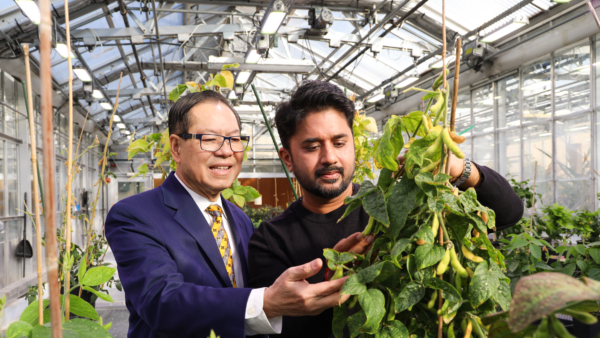
At the center of this story is Fiona Hay, a plant researcher whose career spans continents and institutions — from the Millennium Seed Bank at Kew Gardens in the UK to rice gene banks in the Philippines. For decades, she has devoted herself to protecting one of the world’s most vital resources: seeds.
“We need them,” Hay says. “It’s a no-brainer. Without seeds, there’s no food, and without diversity in seeds, there’s no resilience.”
From Maths To Meadows: A Lifelong Fascination
Hay’s journey into seed conservation began as a schoolgirl, sparked by a subscription to a short-lived journal for aspiring plant scientists. “It had an article with a nomograph on seed longevity,” she recalls. “It combined my love of maths and biology.” That single article set her on a path toward the science of seed storage — a field that blends botanical knowledge, statistical modelling, and international collaboration.
After a placement at the Royal Botanic Gardens, Kew, Hay remained for her PhD and joined the Millennium Seed Bank project, an ambitious initiative to conserve 10% of the world’s wild flora. From collecting aquatic plant seeds in British lakes to managing rice diversity in the Philippines, her work has consistently focused on improving how seeds are stored, tracked, and eventually regenerated.
Why Gene and Seed Banks Matter More Than Ever
Gene and seed banks are not static museums. They are living collections of genetic material, designed to support food security, drive breeding innovation, and enhance ecological resilience. While the distinction between seed banks and gene banks is subtle, it is significant, according to a press release from the Danish Council for Food and Agriculture.
“Seed banks typically conserve wild species,” Hay explains. “Gene banks focus on crops. They’re conserving genetic diversity within crop species, which is critical for breeding plants that can withstand new diseases, pests, or drought.”
In a world facing overlapping crises — from conflict to climate change — these banks act as vital insurance. When civil war forced the ICARDA gene bank in Aleppo, Syria, to close, researchers were able to rebuild its collection using backup samples safely stored in Svalbard.
“That’s the system working.”
But even the best system needs constant upkeep. “The protocols are standardised by the FAO (Food and Agriculture Organization of the United Nations),” she explains, “but maintaining seed viability takes training, funding, and sometimes, rethinking old rules.”
Drying, Freezing, and the Science of Longevity
One area under reassessment is how seeds are dried before storage. Traditional guidance and FAO standards recommend drying seeds at 15°C and 15% relative humidity. Hay’s research, however, points to a dramatic improvement: drying seeds at higher temperatures, around 30 – 40°C, can more than double their lifespan.
“Higher temperatures mimic what happens naturally,” she says. “In many cases, seeds are harvested before they’re fully dry. By drying them warmer, we let them finish maturing, and that makes a big difference.”
It’s a small tweak with potentially huge implications especially for gene banks in tropical countries, where energy costs and infrastructure are limiting factors. “It’s one of those insights that could make conservation more efficient and equitable.”
Hay’s team is also exploring automation in seed sorting and characterization, using image analysis and AI — tools that could make gene banks faster, smarter, and less prone to human error.
Beyond the Vault: Food Security and Equity
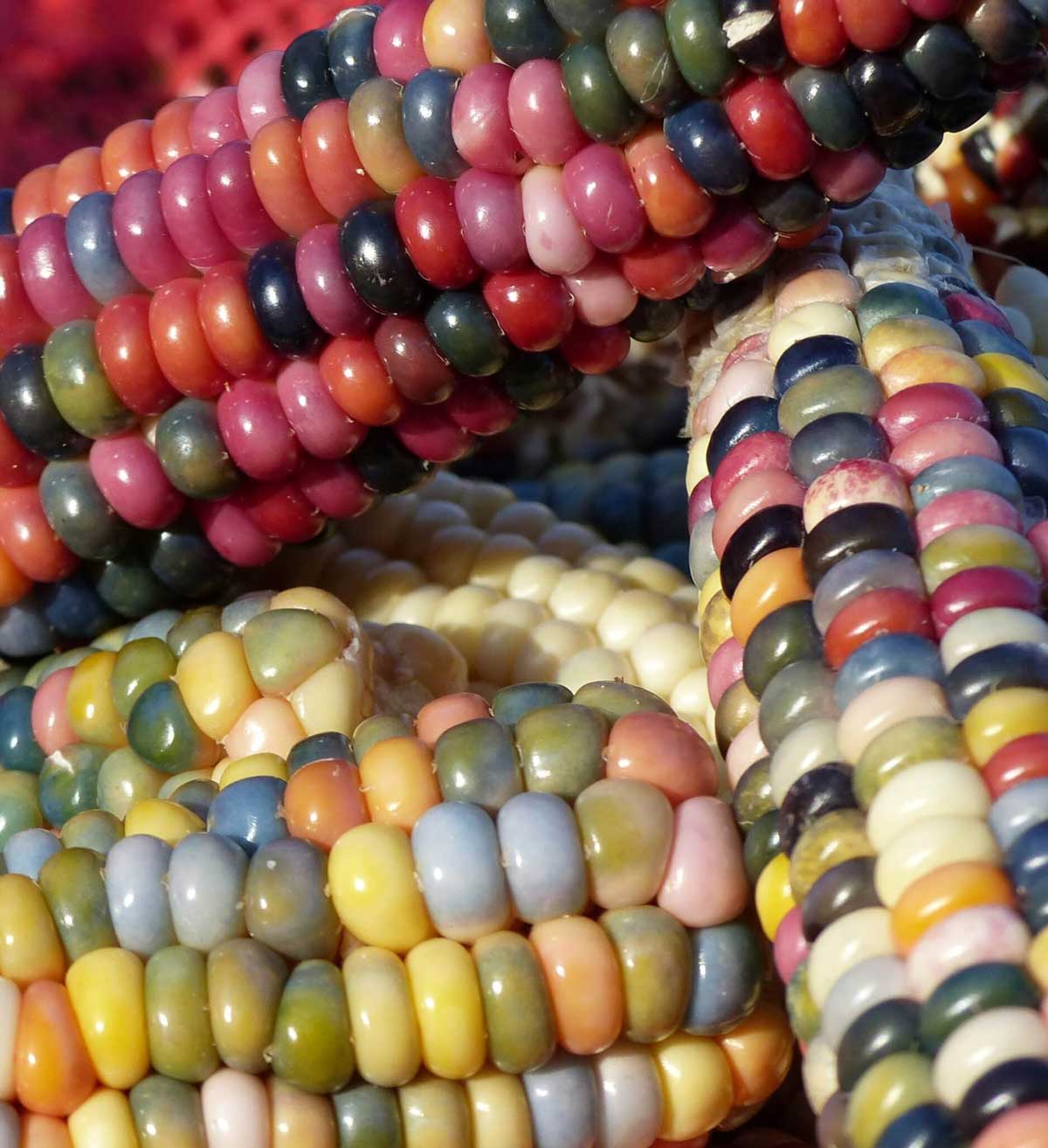
The stakes for gene banks are higher than ever. Global crop diversity is shrinking: the FAO estimates that 75% of plant genetic diversity has been lost since the early 20th century, largely due to industrial agriculture and monoculture. Pushing crops to produce more under harsher conditions can also make them more vulnerable to failure.
Gene banks, particularly those within the CGIAR system, such as the International Rice Research Institute, serve as global stewards of crop diversity. These institutions maintain collections on behalf of humanity, guided by international agreements that aim to balance open access with equitable benefit-sharing.
“We’ve seen cases where national gene banks lost material due to conflict, natural disasters, or simply lack of funding and were able to request it back from the international collections,” she says. “That’s real resilience.”
The goal isn’t just to preserve seeds — it’s to keep them viable, functional, and accessible. This involves training local staff, refining regeneration techniques, and even predicting which seeds to store based on usage patterns, all aimed at minimizing costly and risky regeneration cycles.
“Gene banks need to minimise how often they regenerate material. Every regeneration carries a risk of losing genetic integrity, and it’s expensive.”
A Multilateral Effort With a Fragile Future
Despite their critical role, gene banks face a fragile funding landscape. Many rely on short-term grants or donations and lack the infrastructure for long-term sustainability. The Global Crop Diversity Trust was created to address this challenge, establishing an endowment to support the ongoing operations of the CGIAR’s international gene banks.
“We need to move beyond vanity projects,” Hay cautions. “It’s not about building new vaults. It’s about sustaining the ones we already have and using them better.”
She has also consulted for the FAO and now works with seed collections across Asia, Africa, and Europe, helping implement best practices and improve seed longevity. Her recent projects include a study on African rice (Oryza glaberrima) and a collaboration with Australian researchers to evaluate the storage potential of wild species.
Seeds of the Future
What lies ahead? Hay sees both challenges and opportunities. Climate change is already affecting regeneration sites, and trained seed conservationists remain scarce. Yet new technologies — from AI to cryopreservation — offer powerful tools to safeguard plant diversity.
Even so, the core principle remains the same: preserving seeds is about keeping them alive, viable, and ready to support the world’s food security.
“If I had one message, it’s this: we need gene banks. For food, for resilience, for the future. Everything starts with a seed.”
What’s the Difference Between Seed Banks and Gene Banks?
Seed Banks
- Focus on wild plant species
- Aim to preserve biodiversity
- Often used for long-term conservation
- Example: Millennium Seed Bank (UK)
Gene Banks
- Focus on crop species and their varieties
- Aim to preserve genetic diversity within crops
- Serve as a resource for breeding and food security
- Example: International Rice Research Institute (IRRI, Philippines)