Why outdated novelty rules in some UPOV countries threaten innovation — and how legal clarity on hybrids and parent lines can fix it.
Why It Matters
In a number of UPOV member countries, outdated interpretations of the novelty requirement mean that commercializing a hybrid variety may invalidate novelty for its parent lines — even if those lines were never sold. This misinterpretation undermines breeders’ rights, discourages innovation, and is out of step with global practice. It’s time for legal clarity and alignment.
The Innovation Gap in Plant Variety Protection
The Plant Variety Protection (PVP) system is a cornerstone of agricultural innovation, enabling breeders to recoup investments and reinvest in new, improved varieties. But in a small number of countries, an unintended gap in legal interpretation threatens to erode these protections — particularly when it comes to hybrid varieties and their parent lines.
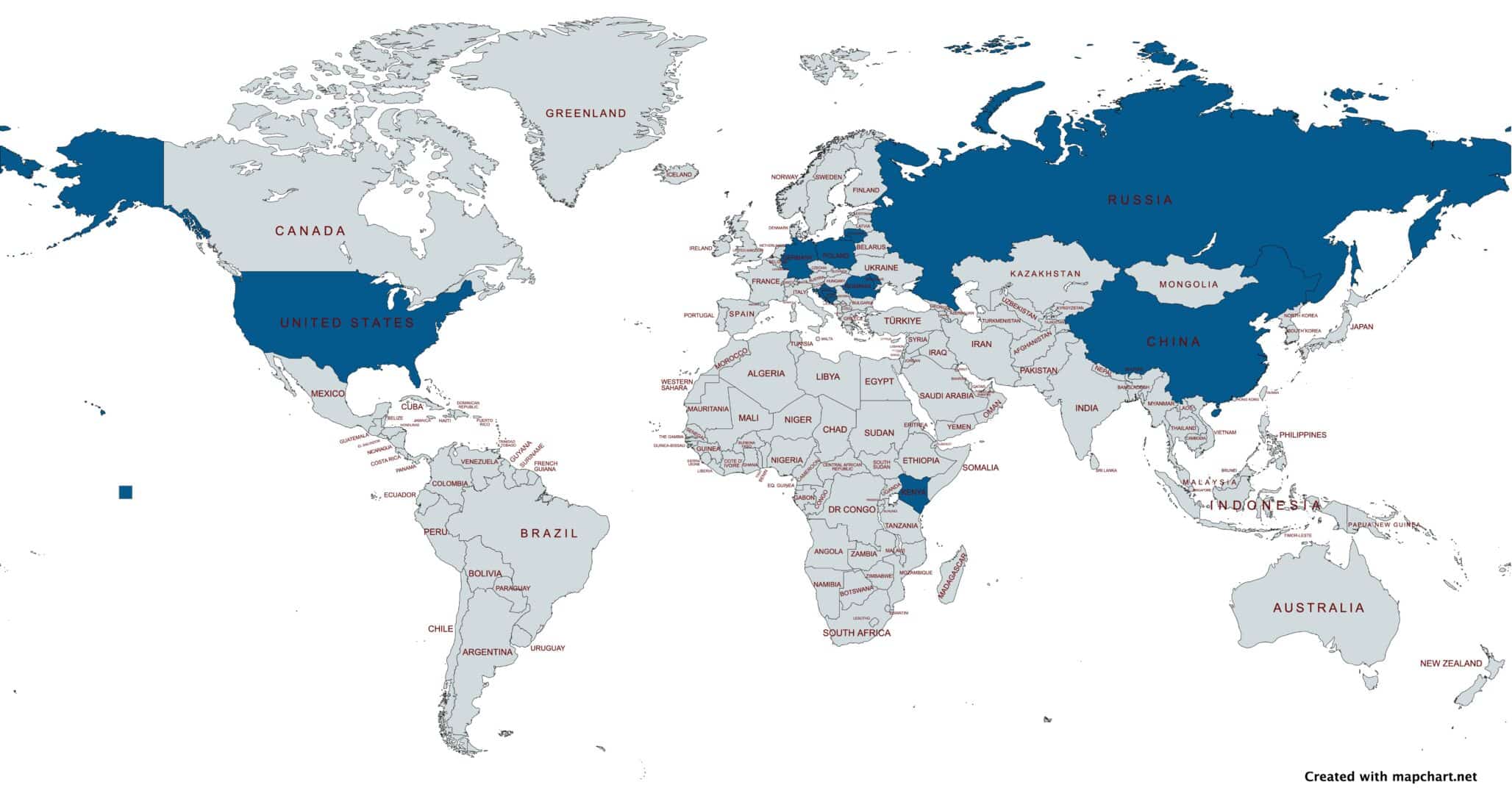
In 11 UPOV member countries, the commercialization of a hybrid variety is interpreted as destroying the novelty of its parent lines, even when those lines have never been marketed or disclosed. This means that these countries do not follow UPOV guidance (see also text box below). The interpretation of these countries is not only out of step with breeding realities — it also isolates these countries from the majority of UPOV members, who already apply a more accurate and innovation-friendly view.
“Guidance on Novelty in the UPOV 1991 Convention”
Novelty
- [Criteria] The variety shall be deemed to be new if, at the date of filing of the application for a breeder’s right, propagating or harvested material of the variety has not been sold or otherwise disposed of to others, by or with the consent of the breeder, for purposes of exploitation of the variety
The guidance on novelty in the UPOV 1991 Convention refers solely to ‘the variety’ and does not refer to any parent lines. So, the novelty requirement shall be restricted to the variety only, and not its parent lines. (underlining above is done by author). In addition, the parent lines are neither propagating, nor harvested material of the hybrid variety.
Hybrid ≠ Parent Line: Understanding the Distinction
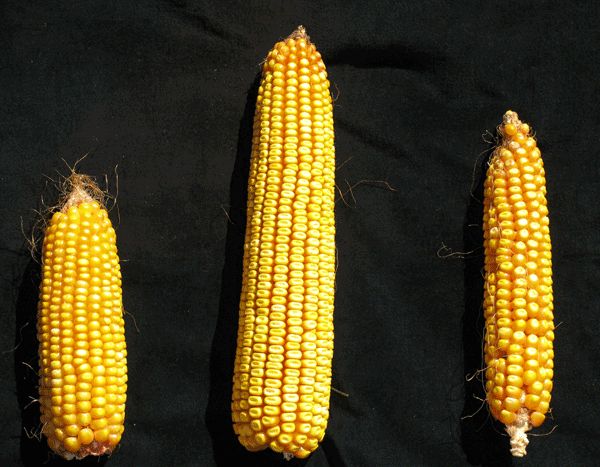
Hybrid varieties and their parent lines are genetically and morphologically distinct entities. They serve different functions, meet different breeding goals, and importantly, can qualify for PVP independently. So, also from a legal standpoint, the parent lines used to create a hybrid are not the same as the hybrid itself. A hybrid results from crossing two or more parent lines and often shows characteristics not found in either parent. In short: selling or otherwise disposing the hybrid is not selling or disposing its parent lines.
The guidance on novelty in the UPOV 1991 Convention refers solely to ‘the variety’ and does not refer to any parent lines. So, the novelty requirement shall be restricted to the variety only, and not its parent lines. (underlining above is done by author). In addition, the parent lines are neither propagating, nor harvested material of the hybrid variety.
Hybrid ≠ Parent Line: Understanding the Distinction
Hybrid varieties and their parent lines are genetically and morphologically distinct entities. They serve different functions, meet different breeding goals, and importantly, can qualify for PVP independently. So, also from a legal standpoint, the parent lines used to create a hybrid are not the same as the hybrid itself. A hybrid results from crossing two or more parent lines and often shows characteristics not found in either parent. In short: selling or otherwise disposing the hybrid is not selling or disposing its parent lines.
Time for Legislative Clarity
To modernize their frameworks and support innovation, these remaining countries should take concrete steps:
- Amend national legislation, where needed, to clarify that hybrid commercialization does not destroy novelty of parent lines.
- Issue interpretative guidance from national PVP offices to resolve ambiguity.
- Engage with the seed sector to understand the real-world impact of the current interpretation.
Doing so would provide legal certainty to breeders, improve alignment with international partners, and reaffirm commitment to innovation in agriculture.
Let’s Not Penalize Success
PVP systems were created to reward breeders — not to penalize them for commercial success. The parent lines behind hybrid varieties are often among the most valuable breeding materials, and they deserve protection in their own right. Aligning novelty interpretation with scientific and legal realities is a small step with a big impact.
It’s time for change — and the global seed sector is ready.