White bread could soon get a healthy upgrade — without losing its familiar taste or texture. New research tested experimental loaves enriched with dietary fibre, offering a potential breakthrough for bakers and consumers alike.
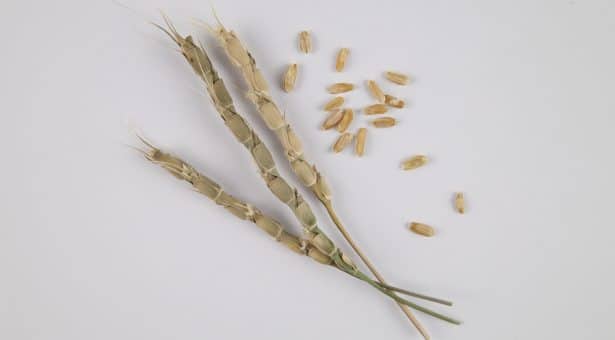
Scientists at Rothamsted have used natural genetic differences in wheat varieties to create lines with higher fibre content. However, boosting nutrition often changes how bread looks and tastes, which can limit consumer appeal.
To tackle this, Rothamsted joined forces with food and nutrition experts from the University of Reading and the Allied Technical Centre. Together, they developed five new white bread recipes aimed at improving nutritional value — particularly fibre — and compared them with a standard commercial loaf. A trained tasting panel evaluated 27 characteristics, from crust colour to crumb density, while laboratory tests measured texture, moisture, and overall appearance, according to a press release.
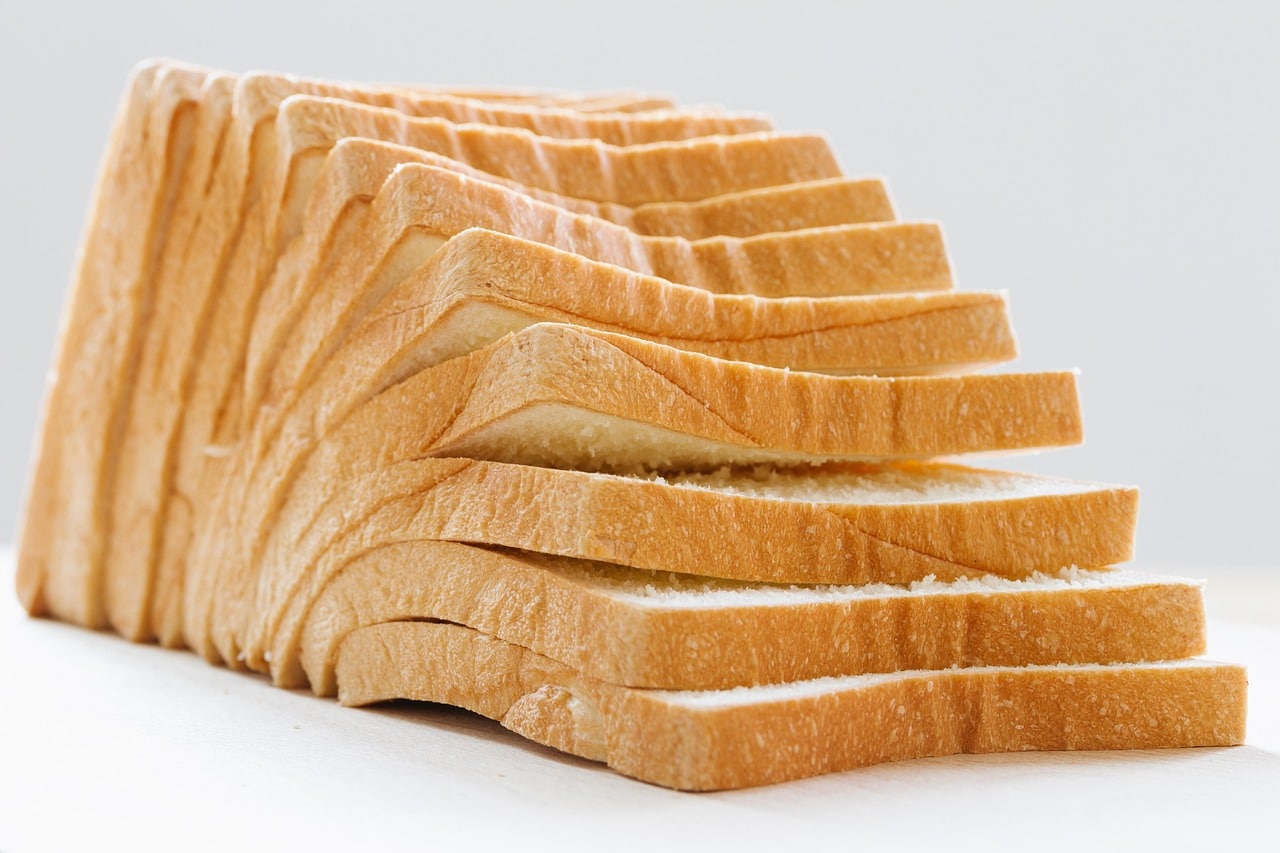
The study revealed that breads with higher fibre content were generally a bit shorter, with darker crusts and more open crumb structures. They also retained more moisture and had a springier texture. Despite these differences, the sensory panel rated the experimental loaves positively — showing that boosting nutrition doesn’t have to come at the expense of enjoyment.
“The results offer promising insights for bread makers aiming to boost public health without raising costs or compromising quality,” said Rothamsted’s Dr Alison Lovegrove. “Increasing fibre intake is a key government nutrition goal, as most adults in the UK fall short of the daily recommended 30g.”
Bread remains a cornerstone of the British diet, with around 12 million loaves sold each day. Researchers say that if manufacturers can enhance nutritional value while maintaining taste and texture, the potential public health benefits could be significant.