
The 2025 grass and forage seed market is navigating a period of tightening supply, rising prices, and renewed demand. Following two years of oversupply and sluggish pricing, this year marks a clear turning point across most market segments.
Demand Rebounds on Multiple Fronts
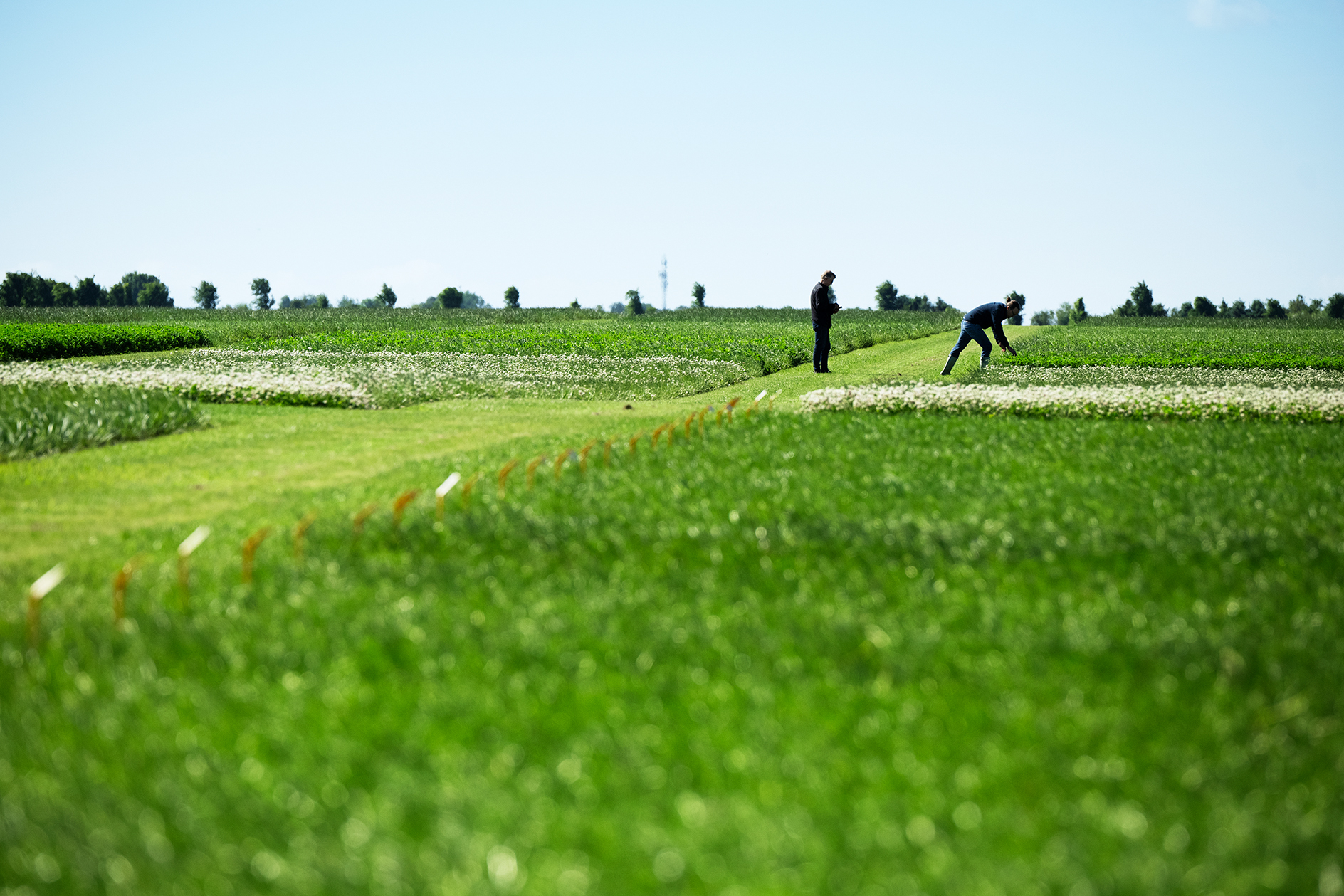
Favourable weather in much of Europe during spring and summer 2025 created ideal conditions for both agriculture and outdoor activities. This has translated into robust demand for forage and turf seeds. High milk prices have supported grassland investments, while consumer interest in lawns and green spaces is returning to pre-pandemic levels.
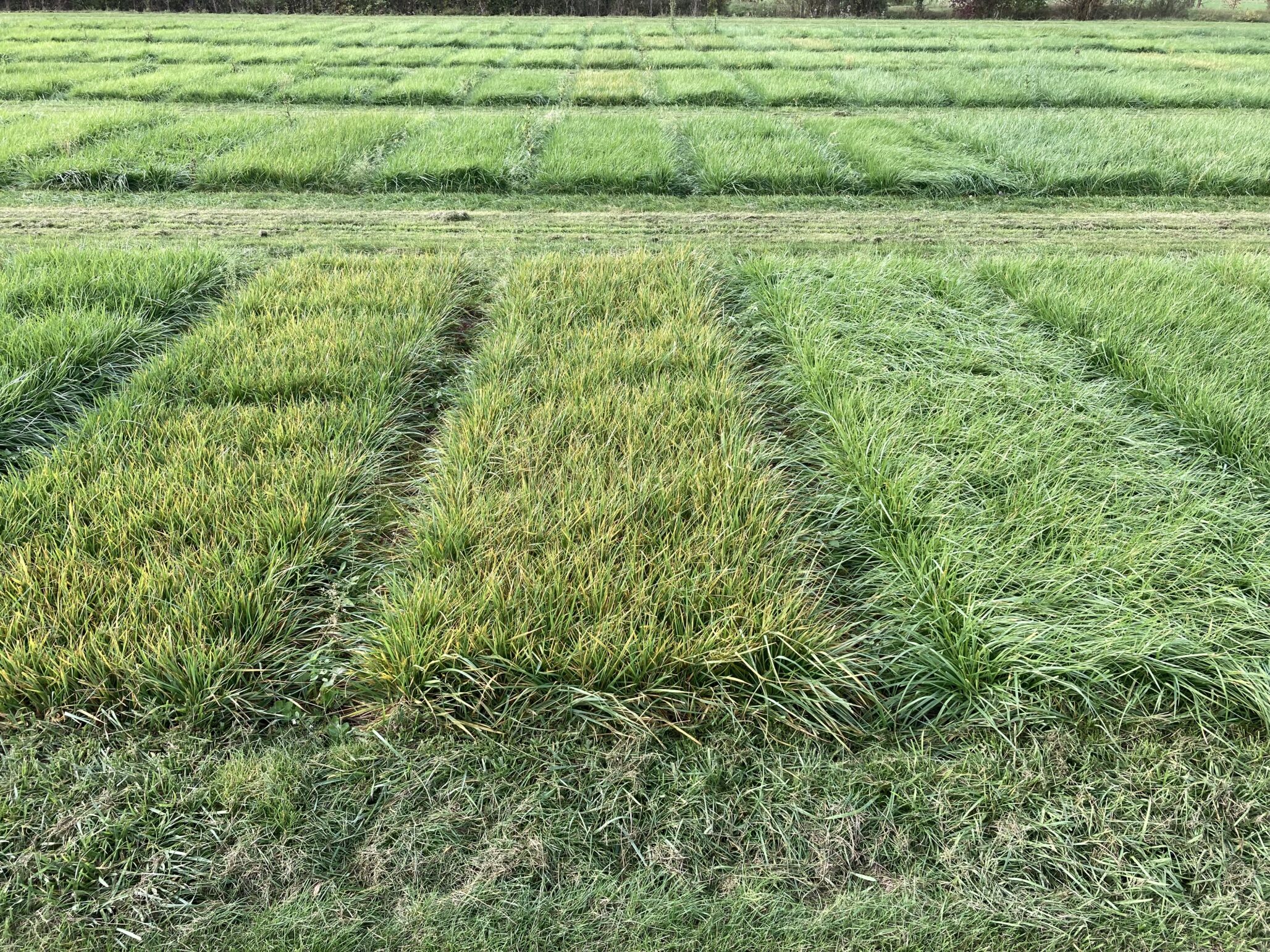
The professional turf segment remains strong, bolstered by growing interest in resilient varieties such as DLF’s 4turf®, offering better germination, disease resistance, and drought tolerance. Perennial ryegrass, in particular, is in short supply due to high demand across both professional and consumer segments.
Production Stable But Limited
The 2025 harvest brought modest improvements in yield but remained constrained by limited acreage. Regional weather variations once again played a defining role. Denmark and parts ofCentral Europe performed well, but setbacks were reported in the Netherlands and the U.S., where heatwaves and harvest complications reduced output in key species like Kentucky bluegrass and perennial ryegrass.
Legume crops such as alfalfa, red clover, and crimson clover also saw lower-than-average yields in several regions, further tightening supply.
Supply Tightens Across Key Species
Reduced acreage over the past two seasons is now impacting availability. Stocks of Italian ryegrass, forage hybrids, and recommended turf varieties are especially tight. The supply-demand balance has shifted markedly, with buyers now focused on securing contracts for 2026, which is a year likely to be shaped by similar acreage constraints.
Prices Move Upward
After prolonged stagnation, seed prices are rising. The combination of lower stock levels, solid demand, and higher production costs is driving this trend. Seed growers need competitive pricing to justify planting grass seed over alternative crops. This is particularly true in regions facing inflationary pressure on inputs like fuel, fertiliser, and land use.
Outlook With Uncertainty and Opportunity
Geopolitical instability, climate extremes, and economic volatility continue to shape the global seed market. However, these challenges also present opportunities: for innovation in breeding, closer collaboration across the value chain, and renewed focus on sustainable, resilient seed solutions. In this shifting landscape, strategic planning and strong partnerships will be essential for navigating what lies ahead.