Scientists from the UK Centre for Ecology & Hydrology (UKCEH) are partnering with local farmers in the Cambridgeshire Fens to trial the cultivation of rice and other food and bioenergy crops on rewetted peat soils. The project aims to cut greenhouse gas emissions from degraded peatlands while sustaining food production and protecting farmers’ livelihoods.
The Cambridgeshire Fens are among the UK’s most productive agricultural areas, generating crops worth around £1.2 billion each year and supplying about one-third of the nation’s fresh vegetables. However, this productivity has come at a cost: draining the natural wetlands for agriculture has caused peat loss of up to 12 millimetres annually, releasing large amounts of carbon that had been stored in the soil for millennia. As a result, crops grown in these conditions can rank among the world’s highest in greenhouse gas emissions per calorie produced, according to a press release.
Historically, the Fens contained around 150,000 hectares of peatland, but extensive drainage for farming has left only a shallow layer of peaty soil. Today, an estimated 24,000 hectares of peat remain — and that area continues to shrink.
Testing Crops for a Wetter Future
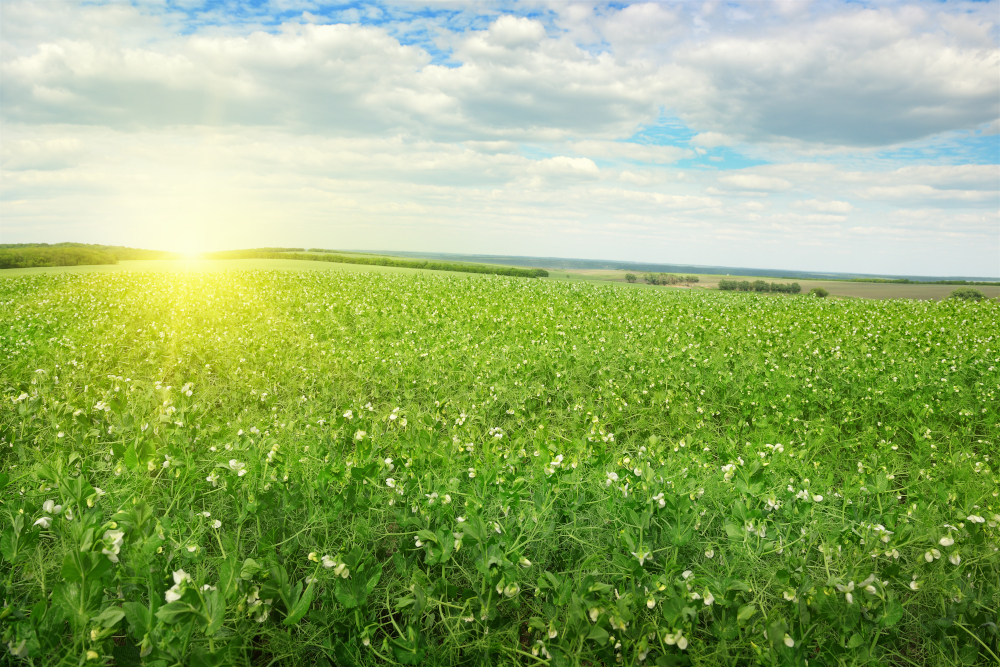
To explore more sustainable alternatives, UKCEH is testing a variety of food and bioenergy crops to determine which can thrive in waterlogged conditions typical of rewetted peat. The trials include novel crops for the UK, such as rice, alongside traditional vegetables like lettuce, bioenergy species such as hybrid willow, and biodiversity-enhancing options like wet woodland.
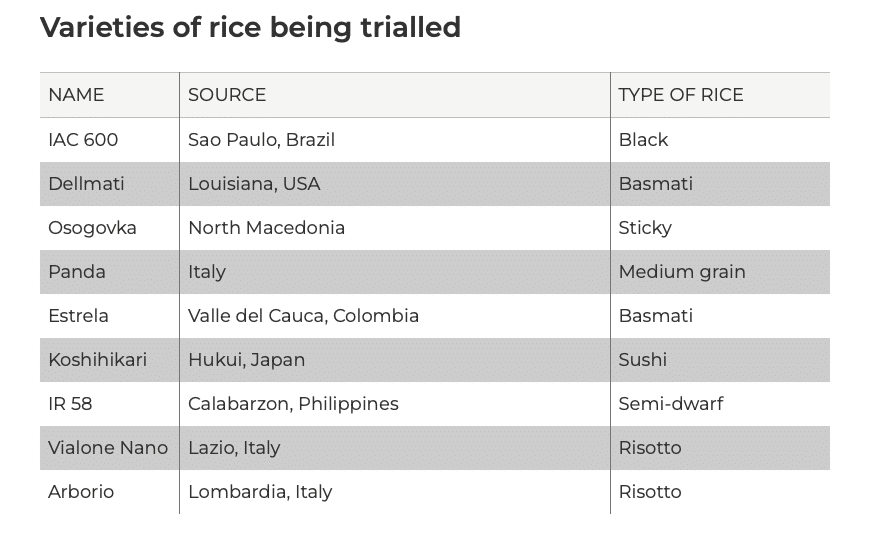
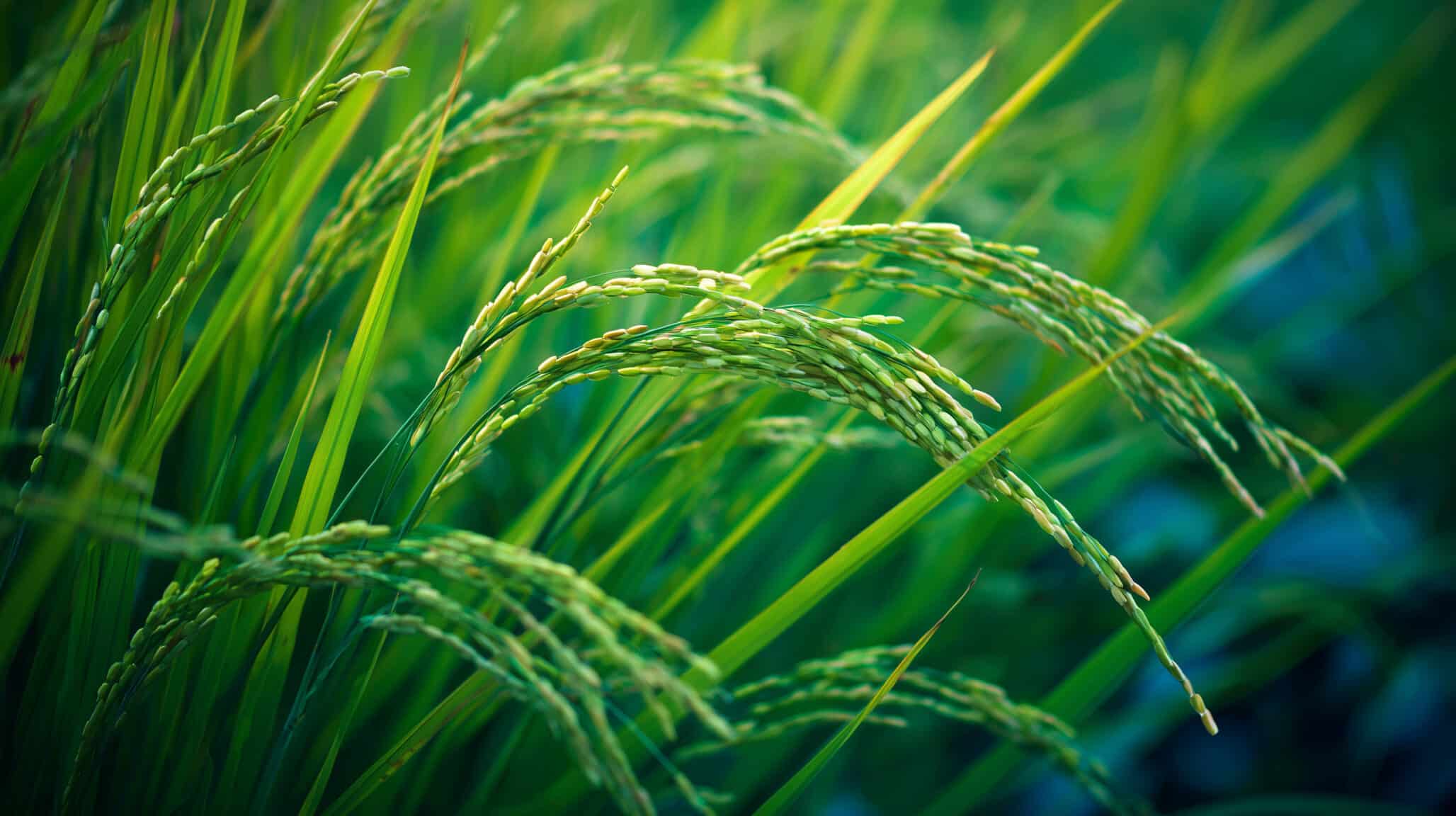
Nine cold-tolerant rice varieties — adapted to the cooler climate of the Cambridgeshire Fens — are being grown as part of the experiment. The selected varieties originate from diverse regions including Brazil, Italy, and the Philippines, and feature popular types such as arborio (used for risotto), Dellmati (a basmati variety), and Koshihikari (common in sushi).
“By its very nature, this is an experiment and so it will be interesting to see how the traditional produce and novel crops like rice perform on the rewetted peat soils alongside other land use options such as biomass production and habitat for nature,” Professor Richard Pywell, the lead UKCEH scientist on the project, said. “We hope to be monitoring the site over the coming years to assess the long-term viability and resilience of these land use options to a changing climate.
“Our detailed measurements of the rewetted peats will include greenhouse gas emissions, carbon stocks, water use, crop yield and the impacts on nature. These will help farmers and policymakers decide on the best path to take for the Cambridgeshire Fens for livelihoods, the environment and nature.”
Need to Adapt
Craig and Sarah-Jane Taylor farm the land near Ely where the trials are taking place. “Our Fenland soils are some of the most productive in the country but are very susceptible to the changing climate and we need to adapt the crops we grow and how we grow them,” Sarah said. “The trials are critical to understanding the practicalities of how we might go about large-scale rewetting of peat, including its impact on yields and farm income, as well as the potential wider benefits for wildlife and flood prevention.”
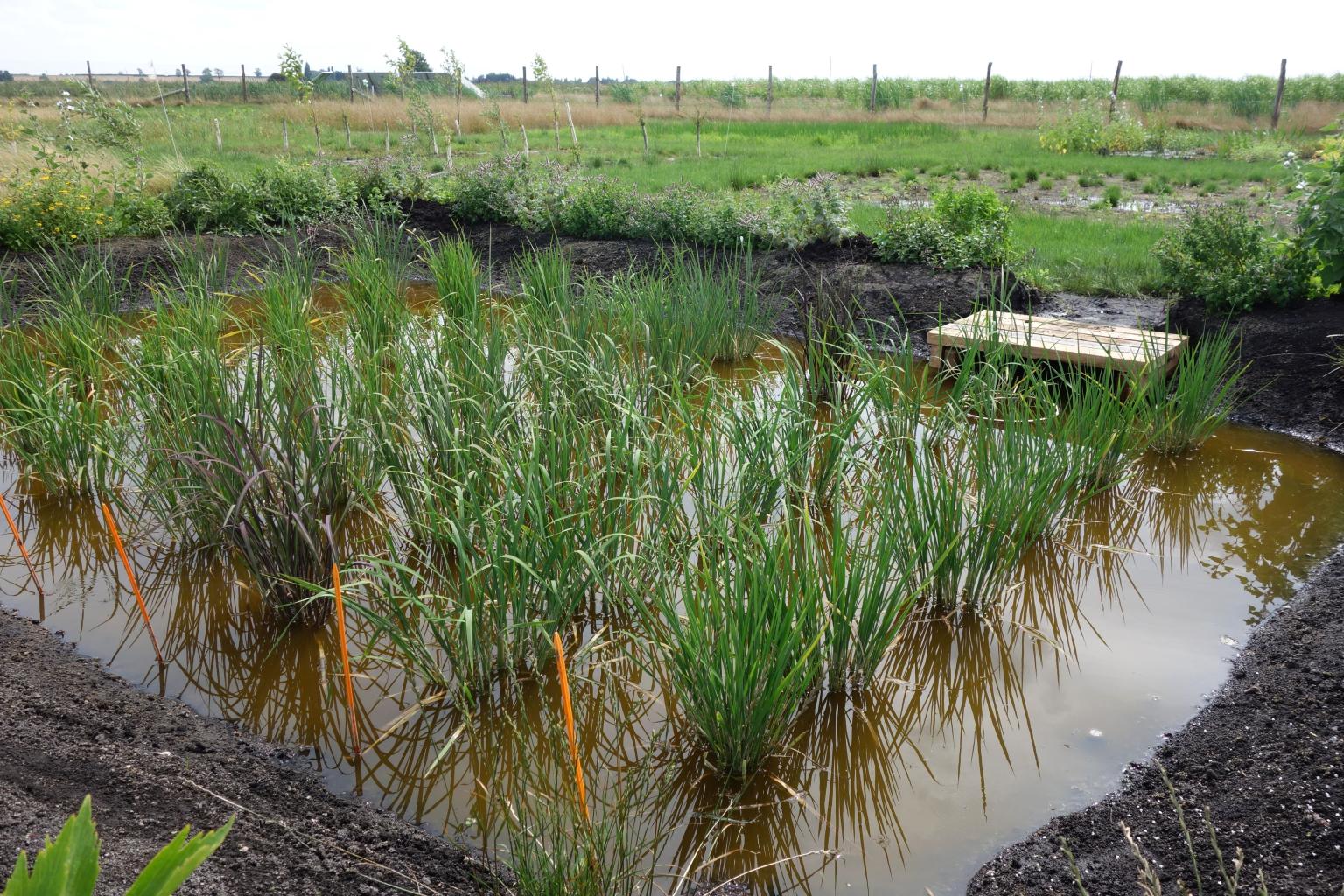
The rice seeds used in the trials were provided by the USDA Agricultural Research Service and initially propagated in UKCEH’s glasshouses in Oxfordshire. In early summer, the young plants were transplanted into four purpose-built mini paddy fields at the rewetted peat trial site, with the first harvest anticipated in October.
This rice research forms part of the AgZero+ project, a collaborative initiative jointly funded by the Natural Environment Research Council (NERC) and the Biotechnology and Biological Sciences Research Council (BBSRC). The project aims to develop innovative farming practices that reduce agricultural emissions while maintaining productivity and supporting environmental recovery.