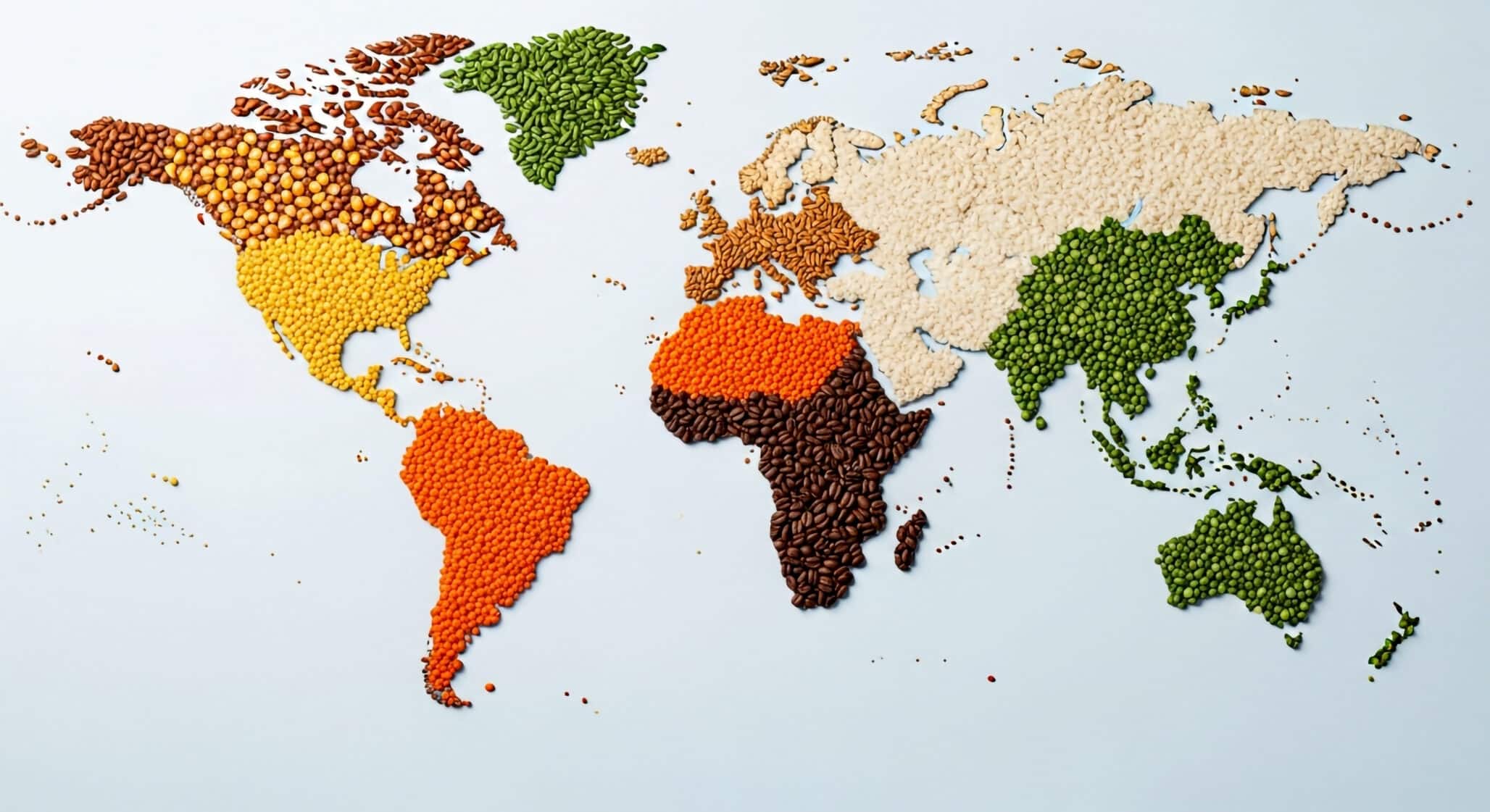
Seed sector calls for clarity, flexibility, and trust.
As governments prepare to meet for the Governing Body 11 (GB11) of the International Treaty on Plant Genetic Resources for Food and Agriculture (Plant Treaty), the seed sector is making a clear call: an enhanced Multilateral System (MLS) needs to be practical, flexible, and fair.
For more than a decade, companies have been active partners in the process to improve the MLS. Their message today is focused on three priorities: broadening the scope of the system, ensuring predictable and fair payment mechanisms, and creating a more coherent and practicable simpler framework for Access and Benefit Sharing (ABS), with no double payments or overlapping obligations with other ABS systems.
“We want a system that works — for countries, for breeders, and ultimately for farmers,” says Jasmina Muminovic, head of genetic resources at Bayer Crop Science and chair of the Coordination Group on Genetic Resources of the International Seed Federation (ISF). “The Treaty is a cornerstone of access to genetic resources. But to unlock its full potential, it needs to reflect how breeding actually happens on the ground.”
A Comprehensive Scope is Essential
Both ISF and CropLife International (CLI) stress the importance of expanding the scope of Annex 1 to cover a broad range of plant genetic resources for food and agriculture (PGRFA), along with the associated information.

“A truly enhanced MLS should be as comprehensive as possible,” explains Dominic Muyldermans, legal counsel at CLI. “That means it needs to include access to all PGRFA relevant to the Plant Treaty and the genetic and biochemical information related to these PGRFA. Breeders rely on both physical material and related data. These two cannot be separated.”
The current system has limits that make it less attractive to some companies.
Expanding the scope would make it easier for more actors to subscribe, use the system, and contribute to the Benefit-Sharing Fund.
“If the scope is narrow, participation will be narrow,” says Lorelei Garagancea, intellectual property & legal affairs manager at ISF. “Expanding Annex 1 creates more opportunities for innovation and for benefit-sharing.”
Flexibility on Payment Mechanisms
The seed sector is also advocating multiple payment options that reflect the diversity of breeding models. A “one-size-fits-all” approach, companies say, would discourage participation.
Muminovic notes that different types of companies have different needs.
“Some breeders work across many crops, others focus on a few. Some operate globally, others regionally. A flexible system with both full portfolio subscriptions and crop-based or single-access mechanisms gives everyone a fair way to contribute.”
Muyldermans adds that whilst this kind of flexibility is already part of the discussions, “correct rates for these multiple payment mechanisms, as well as clear terms for termination of payments, are needed to make the system more attractive and workable.”
Avoiding Overlapping Obligations
One of the biggest concerns for companies is overlapping payment obligations across different international and national frameworks — especially the Plant Treaty, the Convention on Biological Diversity (CBD), and the Nagoya Protocol.
“We support fair and transparent benefit sharing,” says Muyldermans. “The current landscape on ABS is overly complex. If companies have to pay multiple times for the same material or related data, this undermines the incentive to contribute which will result in a drop in participation in the system. That’s not good for anyone.”
“Legal clarity is critical,” echoes Muminovic. “The Plant Treaty should provide a single, predictable pathway for companies to meet their obligations, not add layers of uncertainty.”
The sector is calling on governments to ensure that payments into the Benefit-sharing Fund are explicitly recognised as compliance with relevant obligations across all ABS systems, avoiding duplication.
Recognizing the Role of DSI Without Creating New Burdens
Digital Sequence Information (DSI) is an important tool in modern plant breeding. But both ISF and CLI emphasize that DSI use is inseparable from the use of physical genetic material and should not create a parallel payment obligation.
“DSI accelerates breeding, but it doesn’t replace access to genetic resources,” says Garagancea. “We need a system that reflects reality and doesn’t add complexity where it isn’t needed.”
“Recognising the importance of DSI as part of the comprehensive scope of the MLS, without creating new, undefined categories in the sMTA, would keep the system coherent,” adds Muyldermans.
Valuing Non-monetary Contributions
The seed sector’s contribution to the MLS goes beyond money. Companies support ex situ collections, share data, and invest in characterization and pre-breeding work.
“Non-monetary contributions are an important part of how the private sector supports genetic resource conservation,” says Muyldermans. “These efforts have real value and should be recognized in the benefit-sharing equation.”
Building Confidence Through Practical Solutions

The seed sector isn’t just pointing out challenges — it’s also putting forward solutions.
“We’ve been at the table since the start of the enhancement process in 2013,” says Muminovic.
“We want to be part of the solution. A clear, fair, and flexible MLS is good for breeders, for farmers, and for global food security.”
Muyldermans adds: “This is a moment to build trust. If the Governing Body agrees on a package with a comprehensive scope and workable payment terms, the industry stands ready to contribute to a collaborative and effective outcome.”
Looking Ahead to GB11
As GB11 approaches, the seed sector’s message is simple: a stronger MLS benefits everyone. Expanding scope, creating flexible payment options, ensuring legal clarity, and valuing all types of contributions will help turn the Plant Treaty’s promise into a practical, trusted tool for innovation and conservation.
“This is about creating a system that works in practice, not just on paper,” concludes Garagancea. “If we get this right, it will unlock more collaboration, more innovation, and more benefits shared globally.”
“We’re ready to engage,” says Muyldermans. “Now is the time to deliver the system we’ve been working toward for years.”