We’ve only recently discovered how to do it a little faster.
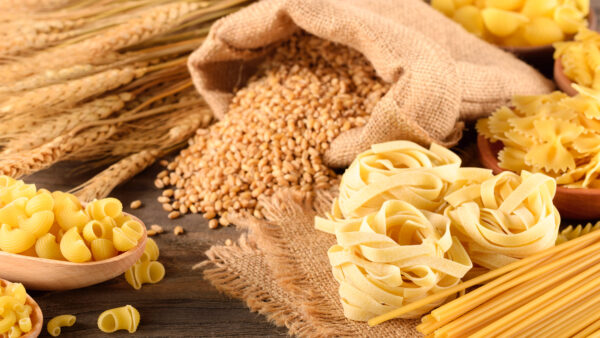
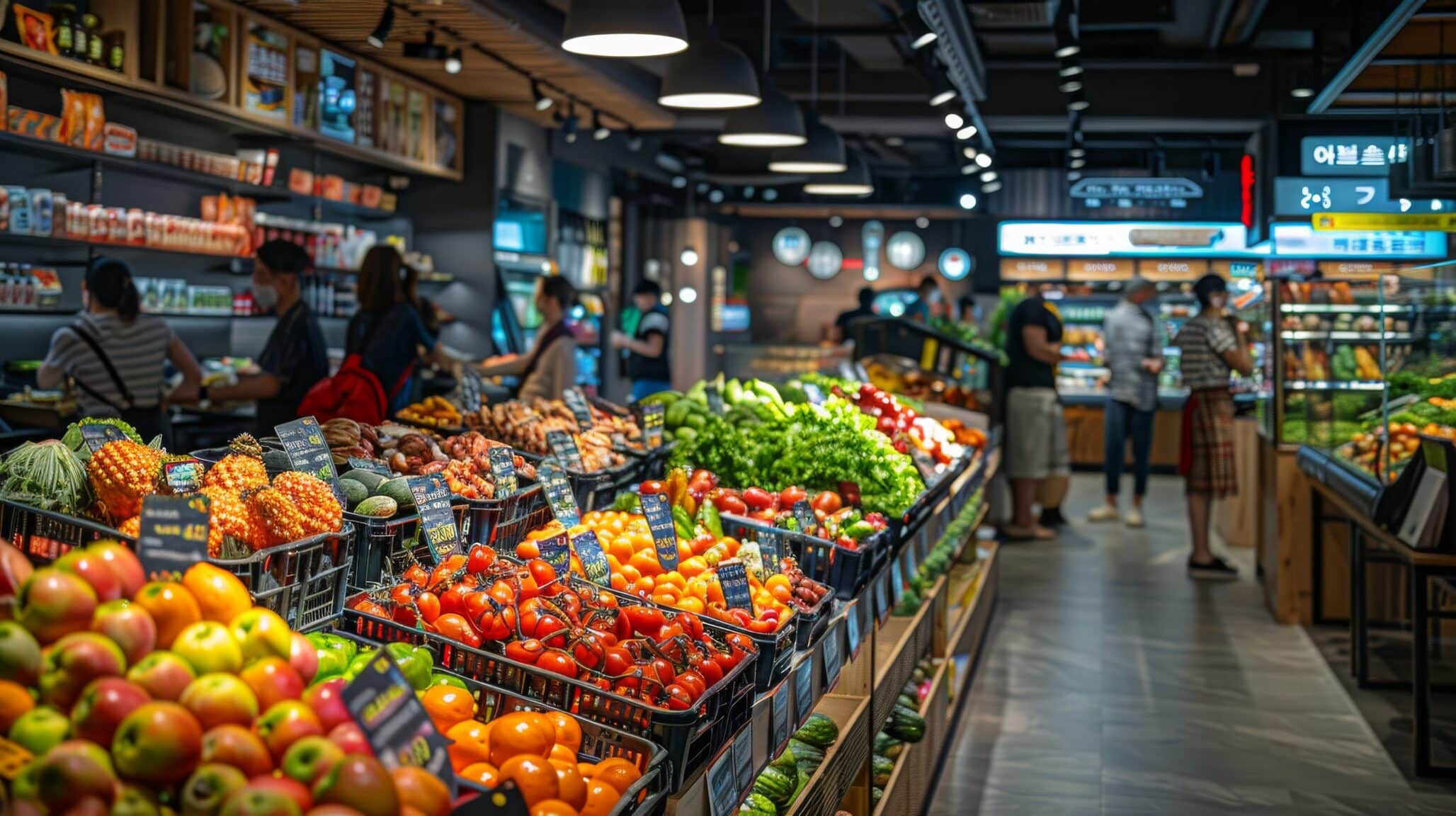
When you walk into a grocery store, it’s easy to think that the fruits, vegetables, and grains on display are natural gifts of the Earth. But almost nothing you see there exists in the wild. Every crop has been shaped by human hands over thousands of years.
Our ancestors didn’t have laboratories or gene-editing tools, but they were masters of selective breeding — choosing plants with the best traits and letting those traits flourish. By patiently saving seeds from the tastiest, hardiest, or biggest plants, they built the foundations of modern agriculture.
Early Farmers: The First Genetic Engineers
Take the carrot. Its wild ancestor was small, purple, and bitter. Generations of farmers selected roots that were larger, sweeter, and brighter until they became the orange carrots we know today.

Or corn. Thousands of years ago, in what is now Mexico, farmers found a wild grass called teosinte with tiny, hard kernels.
They kept planting seeds from plants with slightly bigger, softer grains — and century by century, transformed it into modern maize.
From a wild weed came one of the world’s most productive crops. Without realizing it, those early farmers were rewriting genomes — one harvest at a time.
Centuries later, Gregor Mendel would cross pea plants and describe the laws of inheritance, proving scientifically what farmers had practiced for millennia: traits can be selected, passed on, and combined.
From Slow Selection to Fast Precision
For thousands of years, improving crops meant waiting — for the next season, the next generation, or the next lucky mutation. It worked, but it was slow and unpredictable.
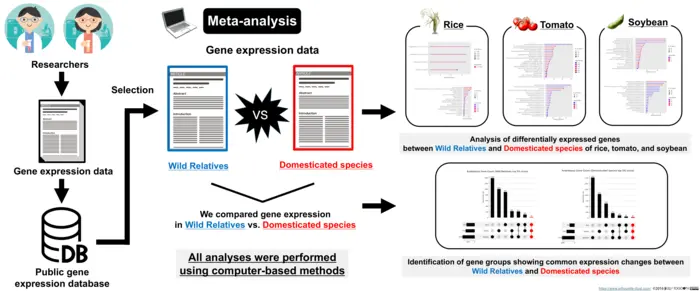
Modern biotechnology builds on the same principle but accelerates it. Instead of taking centuries to develop new traits, scientists can now guide the process in just a few years — with far greater precision.
Traditional breeding shuffles entire genomes. Thousands of genes mix randomly, and you never quite know which traits you’ll get. You might grow a bigger fruit, but also one that’s more vulnerable to disease. It’s a genetic lottery.
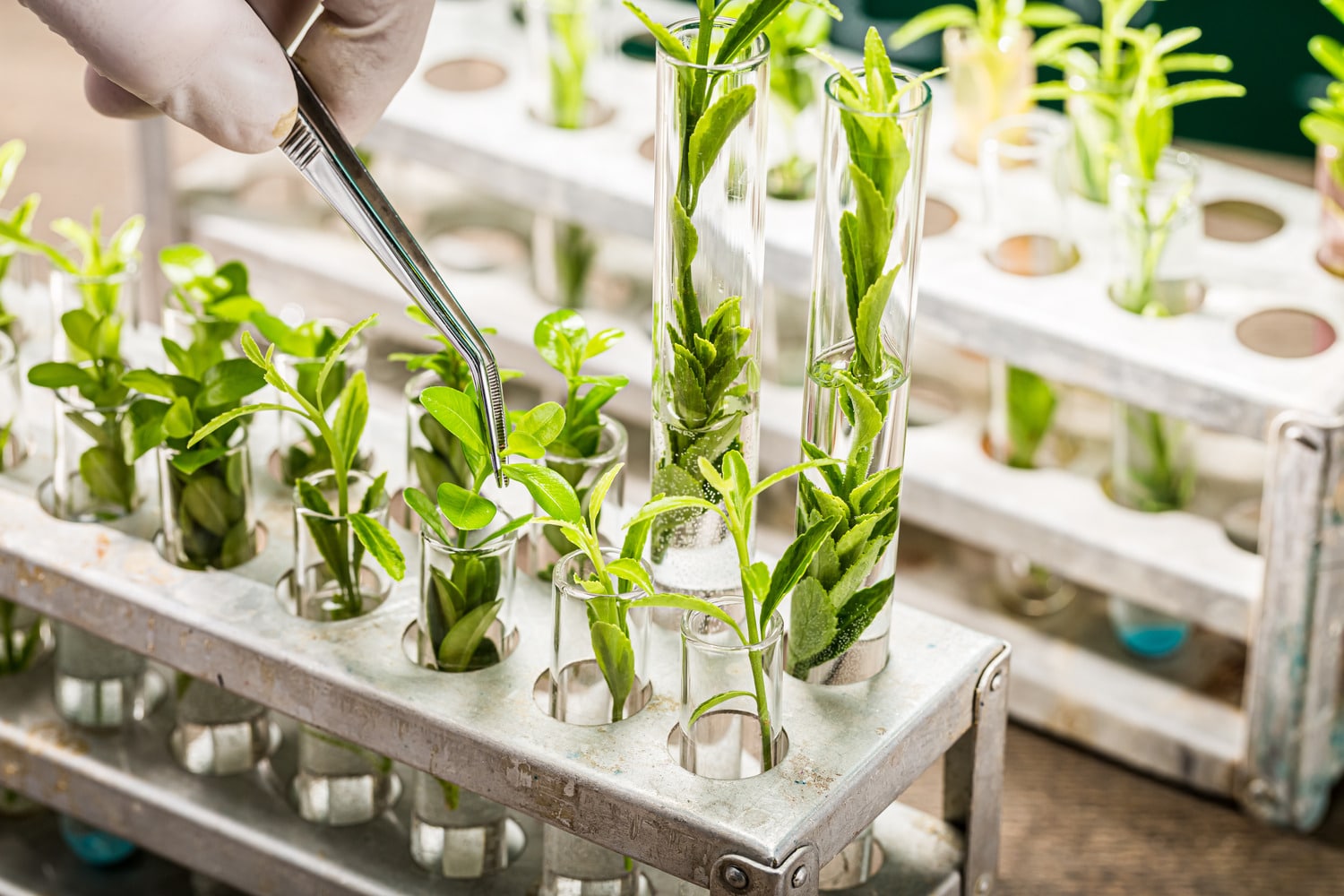
Biotechnology lets us skip the guesswork. By identifying the genes responsible for specific traits, scientists can make small, deliberate adjustments — turning certain genes on or off or adding a new one that helps a plant resist drought or pests.
Where farmers once worked with trial and error, today’s scientists can work with data and precision. It’s the same art of improvement — only faster, cleaner, and more reliable.
Gene Editing: The Next Frontier
Gene editing takes that precision even further. Tools like CRISPR work like molecular scissors, allowing scientists to make minute, targeted changes to a plant’s own DNA.
Unlike older GMOs, which sometimes added genes from another species, gene editing often makes subtle tweaks within the same genome — the kind that could just as easily occur in nature, only much slower.
It’s selective breeding at hyperspeed: same principles, new instruments.
Thanks to this approach, crops can be made to withstand drought, resist disease, or need fewer pesticides. It’s not science fiction — it’s the continuation of what humanity has always done, guided now by knowledge rather than chance.
Safer Than You Might Think
Critics often say modern genetic engineering is risky because it’s new. But “old” doesn’t always mean safer. Traditional breeding has always involved major genetic reshuffling — without any control over what side effects might appear.
Modern biotechnology, by contrast, allows scientists to make one precise change and study it thoroughly before it ever reaches the field or the market. Every genetically modified crop undergoes years of safety testing — far more scrutiny than conventional varieties ever receive.
More than 4,400 risk assessments have been conducted on GM crops in over 70 countries, and every single one reached the same conclusion: they are just as safe for people and the environment as traditionally bred plants.
So while genetic engineering may sound modern and unfamiliar, it’s actually more controlled, more transparent, and better tested than any breeding method in history.
The Food of Today — And Tomorrow
When you sit down for a meal, you’re not eating pure nature. You’re tasting the result of thousands of years of curiosity, patience, and innovation — from the farmers who chose the best seeds to the scientists refining that process today.
Every apple, ear of corn, and loaf of bread is a story of human creativity written into the DNA of plants.
Modern biotechnology is simply the next chapter — a way to keep improving our crops with precision and purpose, ensuring food remains abundant, safe, and sustainable for generations to come.
Next time you walk through a grocery store, remember: nature may have started the story, but humans are the reason it continues.
Editor’s Note: Dr. Simon Maechling is Innovation Manager at Bayer Crop Science.