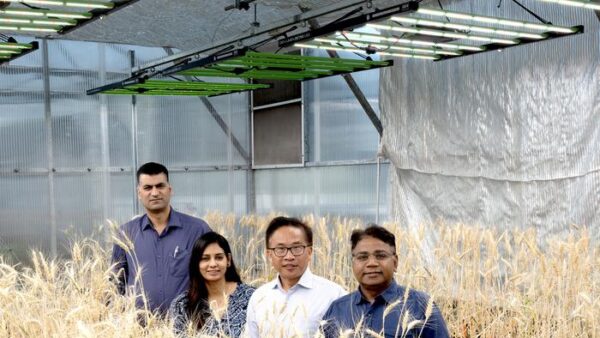
The Food and Agriculture Organization of the United Nations (FAO) in Ukraine, with financial support from the European Union (EU) and in partnership with the International Treaty on Plant Genetic Resources for Food and Agriculture, the Global Crop Diversity Trust (Crop Trust), and the Nordic Genetic Resource Center (NordGen), has officially opened the Duplicate Centre for Plant Genetic Resources of Ukraine and transferred it to the National Academy of Agrarian Sciences (NAAS).
The launch of the Duplicate Centre marks the second phase of the joint EU–FAO initiative established in 2022 following the attack on the National Gene Bank in Kharkiv. After the emergency relocation of 51,000 long-term storage samples to a temporary facility in western Ukraine, the new Centre now provides a permanent, secure site for these collections and serves as a cornerstone of the country’s modernized plant genetic resources system. The modular facility is equipped with laboratories, drying units, cold and freezing rooms, and office space, enabling comprehensive scientific work and ensuring the long-term, sustainable preservation of Ukraine’s unique seed collections.
“This facility represents a tangible outcome of our partnership with FAO and Ukraine’s scientific community,” said Henrik Huitfeldt, EU Delegation to Ukraine, Head of Section for Public Finance, Business Support, and Social Policies. “By supporting the establishment of the Duplicate Centre, the EU contributes to safeguarding not only Ukraine’s agricultural heritage but also crop diversity that is vital for global food security.”
The EU-funded project, implemented by FAO in cooperation with NAAS and with technical support from the International Plant Treaty, the Crop Trust, and NordGen, has also resulted in the adoption of the National Strategy for the Development of the Plant Genetic Resources System of Ukraine (2024–2028) and the introduction of the international information platform GRIN-Global. Together, these advancements will enhance data exchange, foster research collaboration, and further integrate Ukraine into global efforts to conserve plant genetic resources, according to a press release.
“The opening of the Duplicate Centre is a milestone for Ukrainian science and for FAO’s broader mission to help countries protect the foundation of their food systems,” said Shakhnoza Muminova, Head of FAO Office in Ukraine. “This initiative ensures that Ukraine’s unique plant genetic resources – some of which are not available in any other gene bank – will be preserved for future generations of farmers and researchers. Each conserved seed offers new possibilities for breeders and scientists in addressing climate change and food insecurity.”
The Duplicate Centre is equipped with modern laboratory instruments and built with a strong focus on energy efficiency, including plans to install a 100 kW solar power plant by late 2025 or early 2026. Together with the Yuriev Institute of Plant Production and the Ustymivka Experimental Station, the Centre forms a unified national network responsible for conserving more than 154,000 samples representing 2,002 unique plant species.
“Thanks to the support of FAO, the EU, and our international partners, we have built a modern facility that guarantees the long-term security of Ukraine’s genetic resources,” emphasized Yaroslav Hadzalo, President of the National Academy of Agrarian Sciences of Ukraine. “This Centre will become a hub for research, training, and international cooperation in plant breeding and biodiversity conservation.”
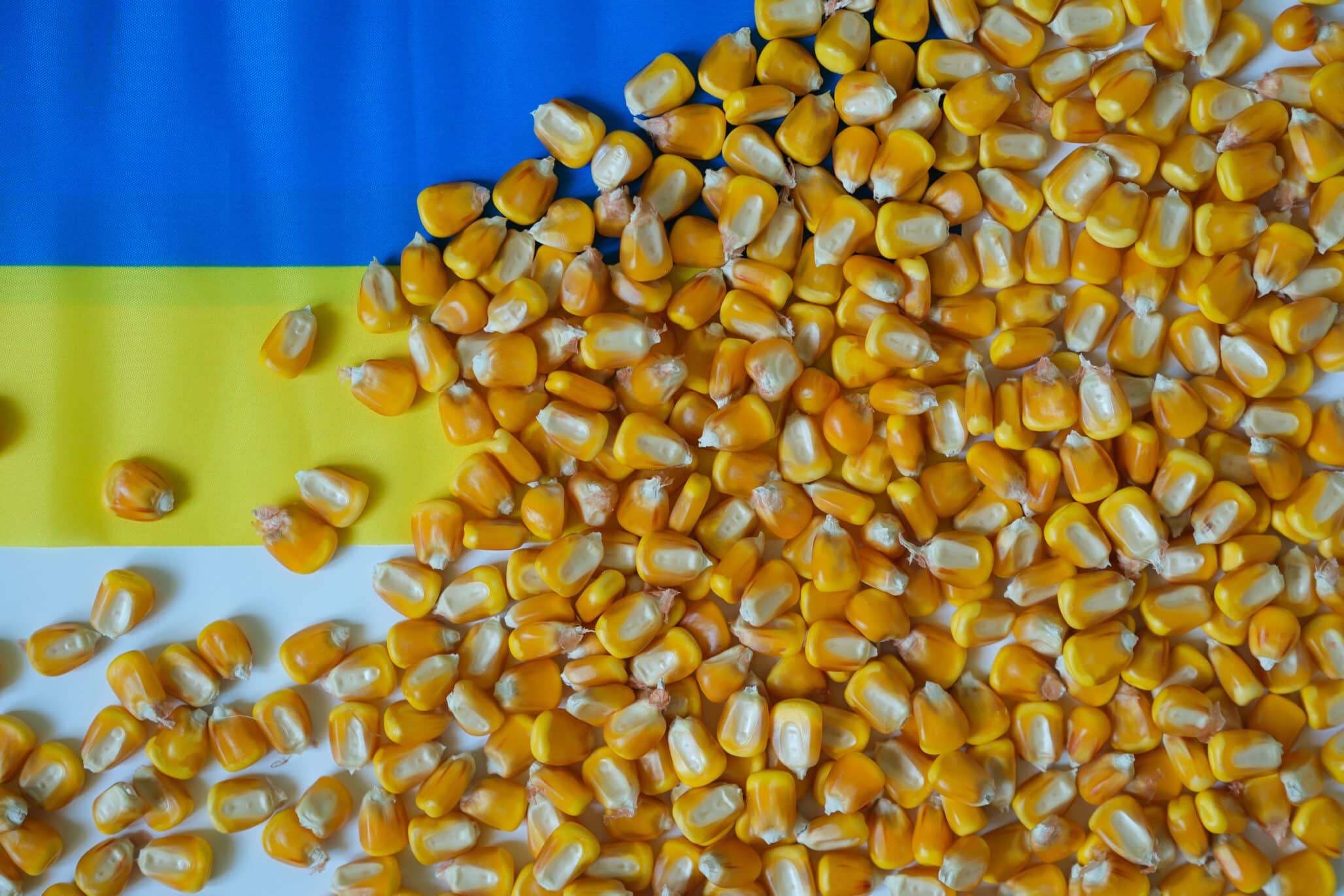
Many of the conserved collections — including wheat, triticale, barley, pea, chickpea, temperate forages, and sunflower — hold global importance for crop diversity and food security. In line with international best practices, Ukraine is also working to duplicate and secure its plant genetic resources in international repositories such as the Svalbard Global Seed Vault. Although much of the national collection has yet to be backed up abroad, the establishment of the Duplicate Centre now provides a stable foundation for long-term preservation and expanded international cooperation.
The project’s accomplishments — from the safe relocation of the national seed collection to the development of a sustainable system for its ongoing maintenance — demonstrate how international solidarity can safeguard agricultural biodiversity even in the midst of conflict. Each preserved seed within the Duplicate Centre serves as a building block for future food production, resilience, and recovery in Ukraine and far beyond.