What enables plants to tolerate fluctuations in nutrient availability? An international research team led by the Technical University of Munich (TUM), together with the Leibniz Institute of Plant Genetics and Crop Plant Research (IPK), has explored this question using the micronutrient boron. By analyzing 185 genetic datasets from the model plant Arabidopsis thaliana, the researchers aim to eventually apply these insights to rapeseed, an important global crop.
In plants experiencing nutrient deficiency, efficient varieties can extend long lateral roots, increasing the area from which they can absorb nutrients. This adaptive root growth is clearly visible in laboratory experiments, where plants grown on glass plates develop extensive side roots.
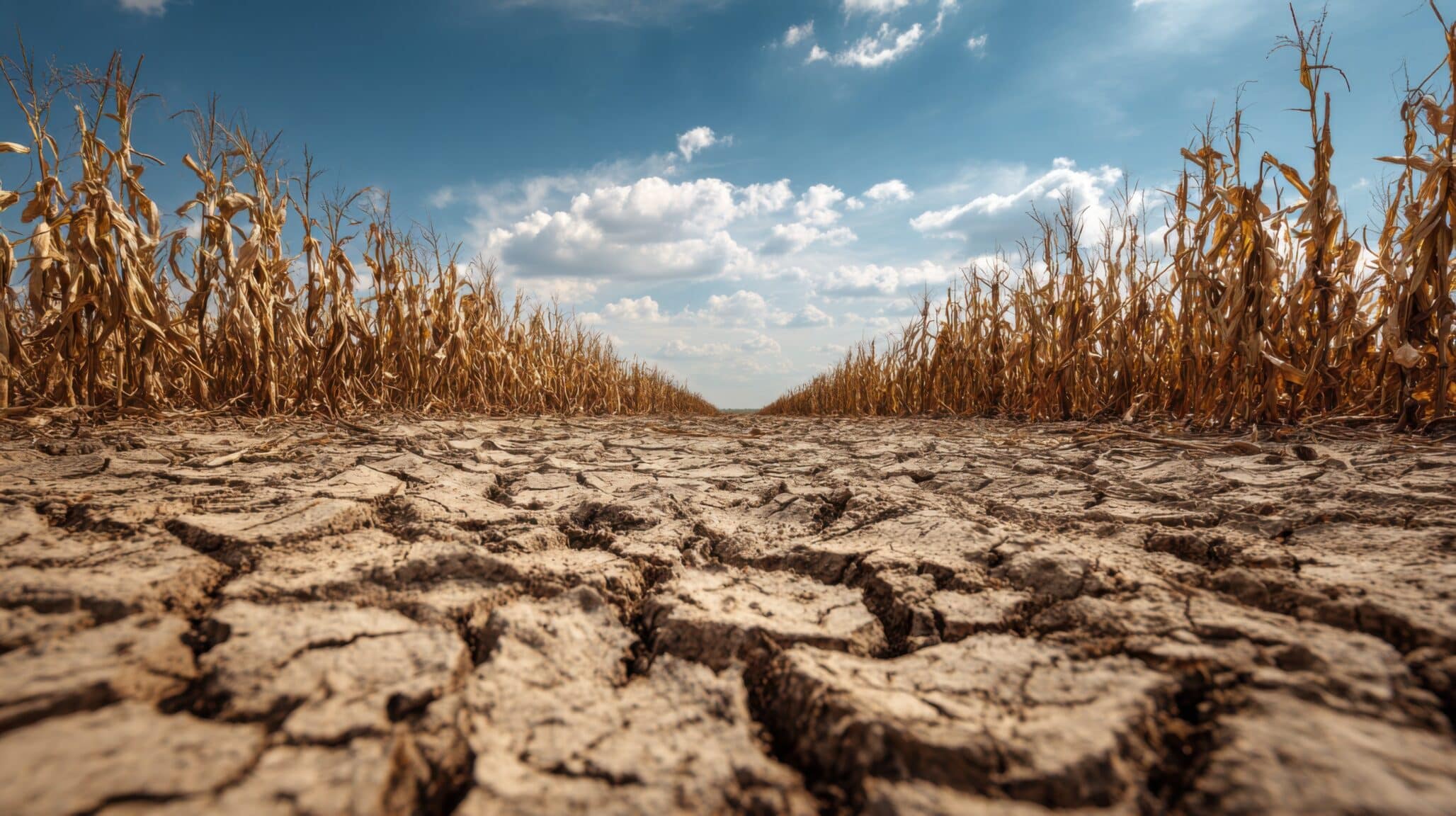
Boron plays a crucial role in plant growth and fertility, but its availability is increasingly affected by extreme weather. Drought restricts boron uptake, while flooding leaches the nutrient from soils — both of which reduce the amount reaching plants. Under climate change, these fluctuations create additional stress, making a plant’s ability to tolerate low boron levels essential for maintaining yields, according to a press release.
To investigate natural variation in this tolerance, the researchers exposed Arabidopsis plants to differing boron concentrations. Some plants exhibited strong growth even under low boron (efficient ecotypes), forming numerous lateral roots and a long primary root. Others, less efficient, showed weaker growth and fewer roots.
From the 185 Arabidopsis subgroups studied, the team identified seven boron-efficient ecotypes, many originating from boron-deficient soils in Northern Europe. These naturally resilient plants offer promising clues for breeding crops that can better withstand nutrient stress in a changing climate.
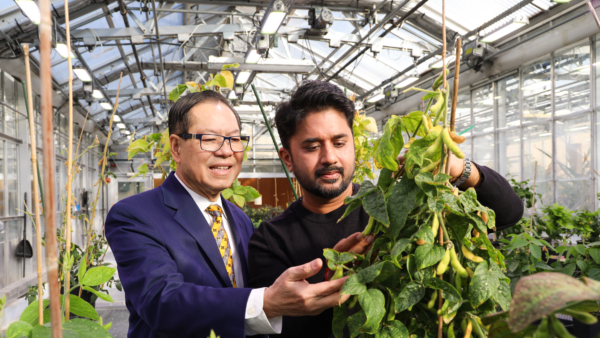
“Each of these plants may have developed different strategies to cope well with boron deficiency,” explains Prof. Patrick Bienert, Professor of Crop Physiology at TUM. Some are particularly good at absorbing boron, while others make better use of even these small amounts of boron.
The team’s analysis revealed a shared adaptation in root architecture. When boron is limited, boron-efficient plants actively “forage” for nutrients by extending long lateral roots, expanding the zone from which they can draw in essential minerals.
Genes Linked to Boron Efficiency Identified
Despite its importance, the genetic basis of boron efficiency in plants has remained largely unclear. In this study, the researchers pinpointed specific genomic regions involved in boron uptake and utilization in both roots and shoots. These discoveries offer valuable targets for breeding plants that can better withstand nutrient stress.
Applying the Findings to Crop Species
With these insights in hand, the team is now turning to rapeseed. Because rapeseed and Arabidopsis belong to the same plant family, the researchers are confident that the mechanisms identified can be transferred. They expect this work to pave the way for developing nutrient-resilient rapeseed varieties in the near future.
“Crop plants are usually more sensitive to abiotic stressors, such as fluctuating micronutrient supply,” explains Patrick Bienert. “We want to find particularly efficient individuals, identify their strategies, and then breed these traits into lines that deliver high yields. This could result in plants that are both high-yielding and more climate-resilient.”