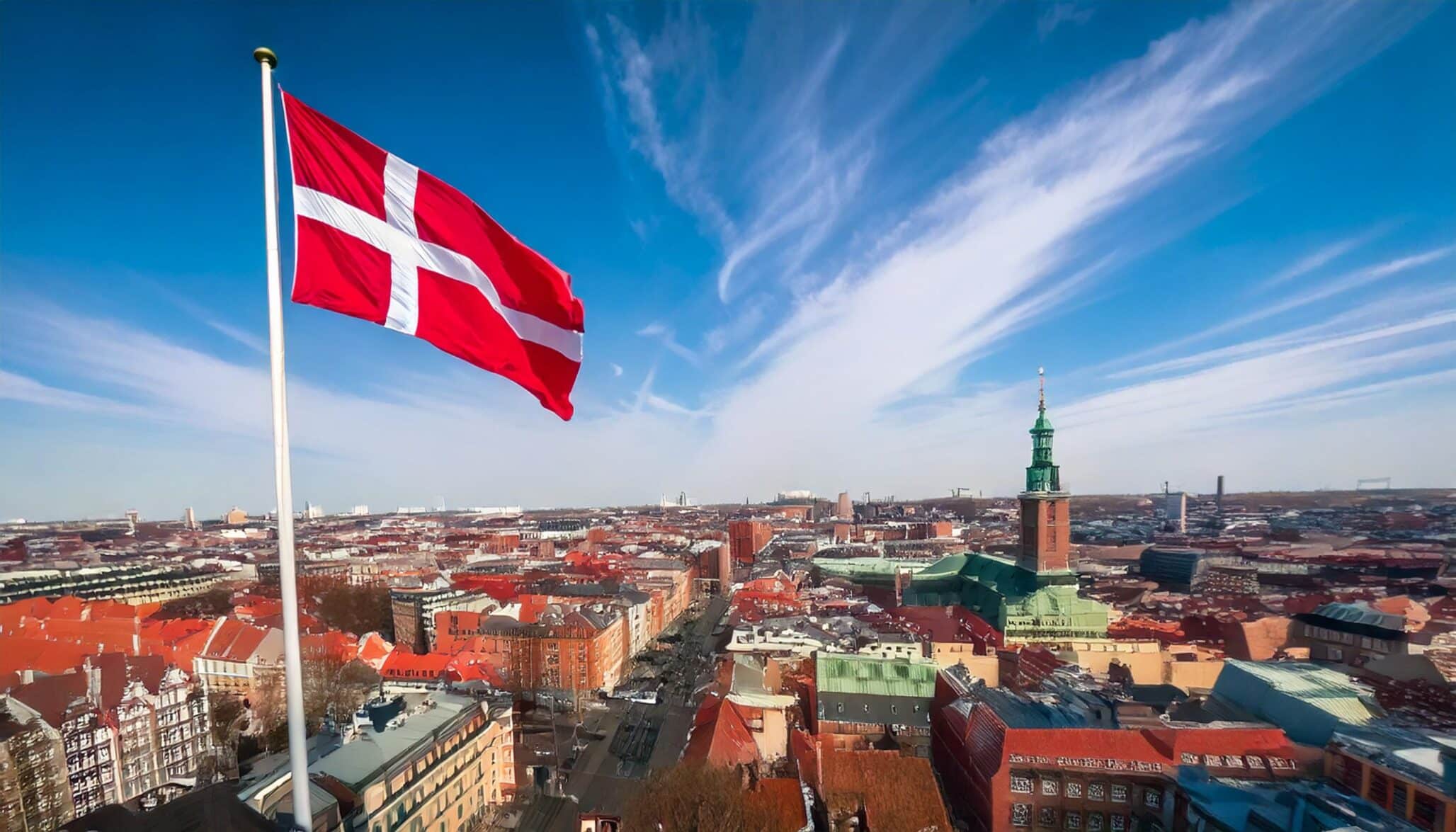

The Danish Green Tripartite Agreement of 2024 marks a historic milestone in the country’s efforts to transform its agricultural sector and land use in line with ambitious climate and environmental targets. As an integral component of Denmark’s strategy to meet its 2030 climate targets and achieve climate neutrality by 2045, the Agreement addresses key environmental challenges, including climate change mitigation, biodiversity protection, and improved water quality. It was negotiated between the government, leading industry stakeholders such as the Danish Agriculture & Food Council, and major environmental organisations. A central element is the introduction of the world’s first agricultural CO₂e tax, which will apply to livestock emissions starting in 2030.
The Agreement also includes a commitment to assess potential farm-level tools and practices that could reduce climate impacts and thereby qualify for reductions in the CO₂e tax. As part of this effort, an Expert Committee on Carbon Capture and Storage was tasked with identifying effective measures. One of the committee’s key recommendations has now been adopted by the Danish Government: beginning in 2026, DKK 50 million (€6.7 million) will be allocated annually to a long-term plant breeding initiative. The aim is to develop crop varieties with climate-positive characteristics while maintaining stable yields under increasingly unpredictable growing conditions. This initiative will prioritise the development of robust varieties that enhance climate performance, including improved protein content and higher nutrient use efficiency.
While this national funding alone is a minor contribution, given all the challenges faced by the agricultural sector, it represents an important acknowledgement of the essential role of plant breeding in climate mitigation and food system resilience. It also reflects a clear understanding that plant breeding is a long-term endeavour. Progress requires sustained investment, technological innovation, and time.
However, time is precisely the factor in shortest supply as Europe confronts the accelerating impacts of climate change. To increase breeding progress and deliver improved varieties at the necessary speed, all available technologies must be utilised. Among these, New Genomic Techniques (NGT) stand out as a particularly powerful tool. Yet despite itspotential, political hesitation within the EU continues to delay adoption. For more than two and a half years, discussions have been ongoing regarding the European Commission’s proposal to regulate nature-like NGTs (so-called NGT1) in the same way as conventional plant varieties. Scientific consensus, endorsed by the European Food Safety Authority, has confirmed that NGT1 varieties are as safe as conventionally bred crops and offer substantial environmental benefits. Nevertheless, political disagreements between the European Parliament and the Council persist, particularly on intellectual property, sustainability requirements, and labelling and traceability provisions.
The current Danish EU Presidency has worked intensively to broker compromises and secure a future operational NGT framework before the end of its term. Finally, on December 4th the Council reached a provisional agreement with the European Parliament on a set of rules that establish a legal framework for NGT. The agreement will now have to be endorsed by the Council and Parliament before it can be formally adopted, expectedly in the first quarter of 2026. This is a great achievement of the Danish EU Presidency, and for Europe it makes an NGT “Christmas present”, that enables faster innovation, and supports a more resilient, climate-smart agricultural future.