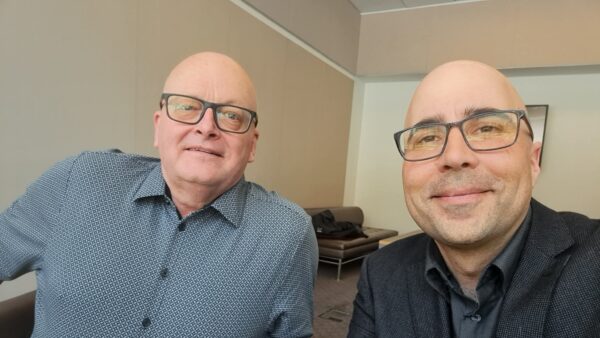
Two years ago, the December edition of Seed World US featured a CEO with a major innovation and an even bigger vision: that the future of nitrogen could start right at the seed. Today, Nicolás Åström’s company Arevo is a frontrunner in shifting how we think about plant nutrition, sustainability, and the next generation of fertiliser technologies. As Arevo expands into new crops – soy last year, corn this year, turf and potatoes potentially coming soon — we caught up with Åström to talk about the future of fertilizer: what’s misunderstood, what’s coming fast, and what it will take to reshape a global industry.
In the video above, Åström breaks down why success comes down to “data, data, data”, why the fertiliser industry must move beyond Haber-Bosch, and how he sees producers responding to new options. He also predicts a major fertilizer innovators’ corporate shake-out ahead: “In five years… the good ones will survive.”
Some key takeaways from the conversation:
- What’s Ahead for Fertilizer of the Future?
Åström believes the fertiliser landscape will look radically different in the next decade. “We have been very reliant on the Haber and Bosch technology for the last 100 years,” he says. While it helped deliver 50% more food to the global table, the future will require a shift. “The traditional mineral fertilizer — that’s history,” he says. Though there is opportunity ahead for new, sustainability-focused fertilizers, he predicts a wave of consolidation in biologicals and new tech fertilizers over the next five years. - What do Innovators Have to Get Right?
“It’s very simple… data, data, data,” he says. Though collecting multiple years and multiple locations of data might feel daunting, especially to start-ups, he says real, transparent, extensive proof of efficacy will be the critical factor separating those companies that survive from those that disappear. - How to Promote Farmer Adoption of New Fertilizer Technologies?
Farmer adoption can be a big concern for any new technologies. Åström takes a different view. “I don’t think the farmers… are a problem,” he says. “They’re trying to find new things… but they don’t want to risk their season.” That’s why credibility matters. The answer again comes back to proof: if you can show the grower that the product works in their specific region, they’re keen jump on board, he says.