Researchers at The James Hutton Institute, working on a collaborative project investigating how kelp extracts can support nutrient management in agriculture, have reported promising results from a controlled glasshouse study assessing whether these extracts can enhance nutrient uptake under fertiliser-limited conditions.
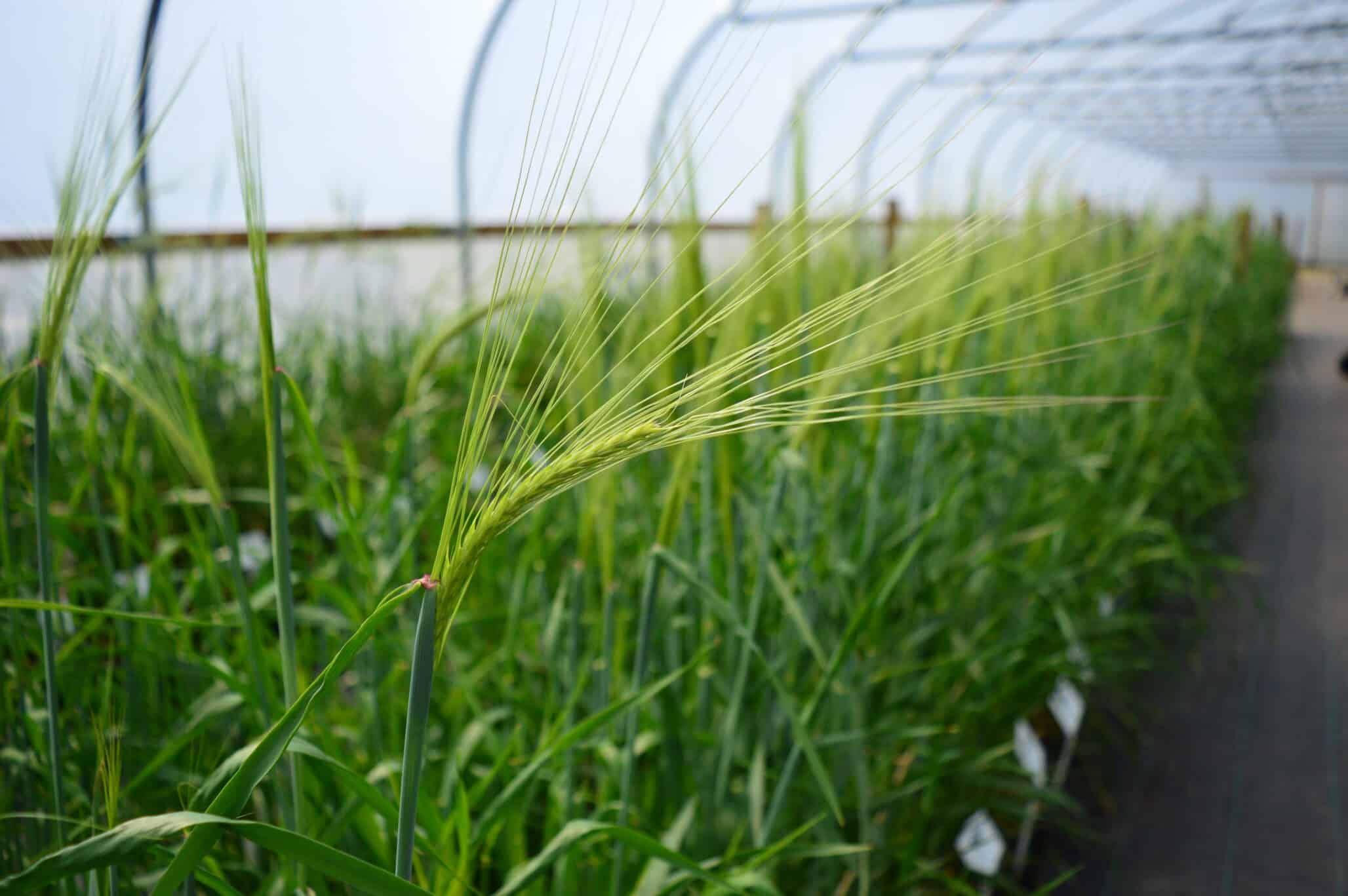
The trial examined strategies to mitigate nitrogen deficiency in barley and phosphorus deficiency in beans.
With UK farmers facing increasing pressure to maintain yields while reducing reliance on fertilisers, seaweed-derived supplements could offer a valuable solution — improving nutrient use efficiency, lowering carbon emissions, and enriching soil health.
The project, Assessing Sugar Kelp Extracts as a Nutrient Management Tool, is led by Algapelago Marine Ltd with support from Innovate UK and several key industry partners. It brings together fellow kelp cultivators Atlantic Mariculture Ltd and research collaborators including the Hutton and the UK Agri-Tech Centre, according to a press release.
The initiative centres on three main objectives: developing sustainable methods for extracting and preserving seaweed-based biostimulants, generating evidence of their impact on nutrient use efficiency, and understanding grower needs and market potential.
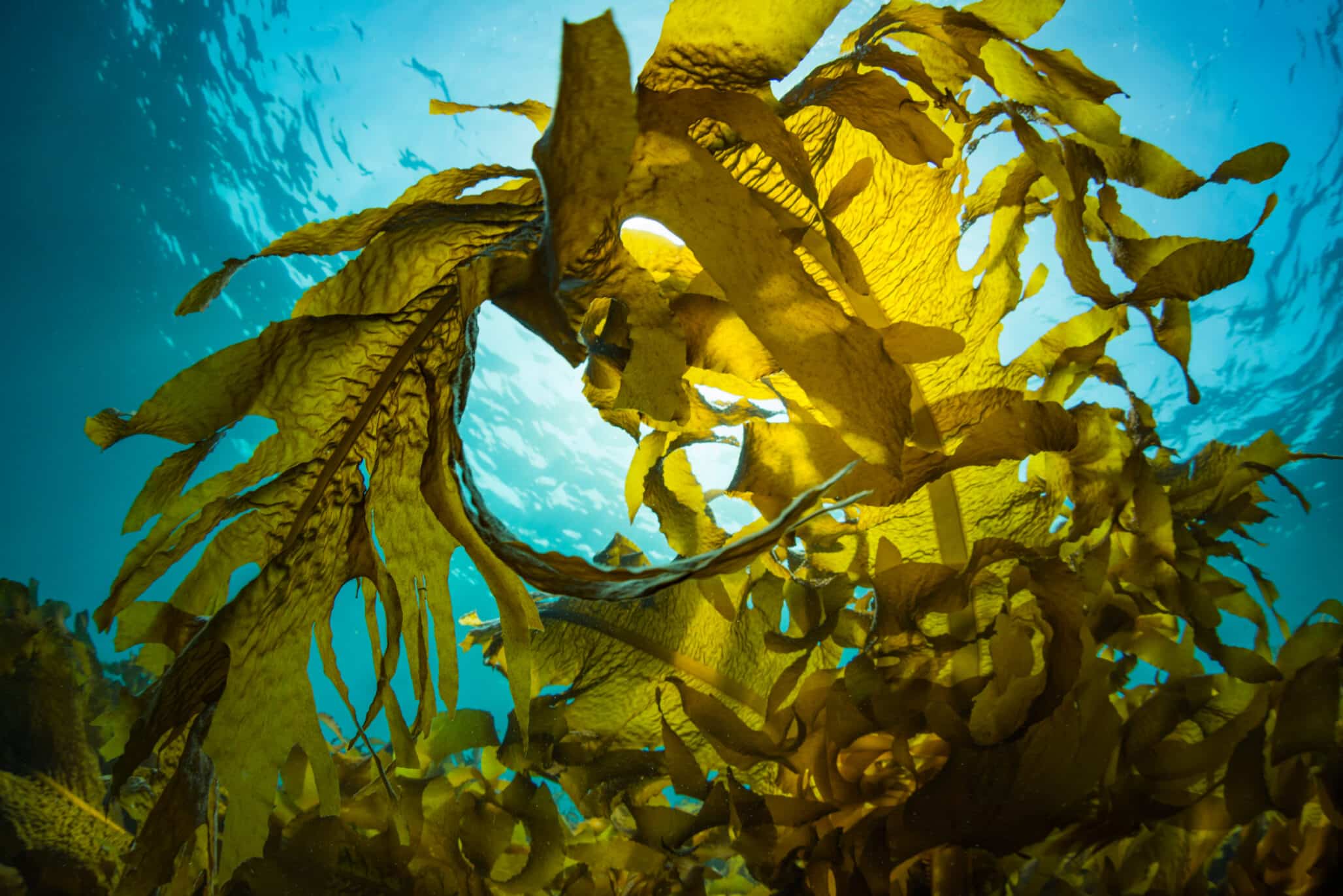
Atlantic Mariculture is leading efforts to develop sustainable extraction and preservation techniques using cultivated Saccharina latissima (sugar kelp) as a feedstock. The company has refined several wet-processing methods that eliminate the need for energy-intensive drying or milling, enabling year-round production while minimising waste and maximising the recovery of valuable bioactive compounds. By relying on cultivated rather than wild-harvested kelp, the company aims to show that seaweed-based agricultural products can scale sustainably without putting pressure on marine ecosystems.
“As demand for marine biomass continues to grow, seaweed cultivation offers a scalable and sustainable route to meeting future resource needs,” Dr Adrian Macleod, Innovation Manager at Atlantic Mariculture, said. “Cultivation enables consistent quality and supply while actively supporting Scotland’s Blue Carbon Action Plan and the Circular Economy Act 2024. By growing seaweed rather than harvesting it from the wild, we can deliver ecosystem services and create new opportunities for sustainable marine products.”
Through interviews with growers, ranging from small one-acre market gardens to 3,500-acre arable farms, the team at Algapelago Marine Ltd identified widespread interest in on-farm trials, particularly within arable, fresh produce and soft-fruit sectors. Reducing dependence on expensive chemical fertilisers emerged as the most common reason for exploring alternatives.