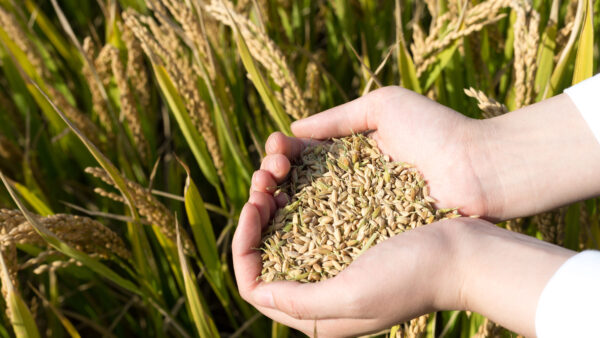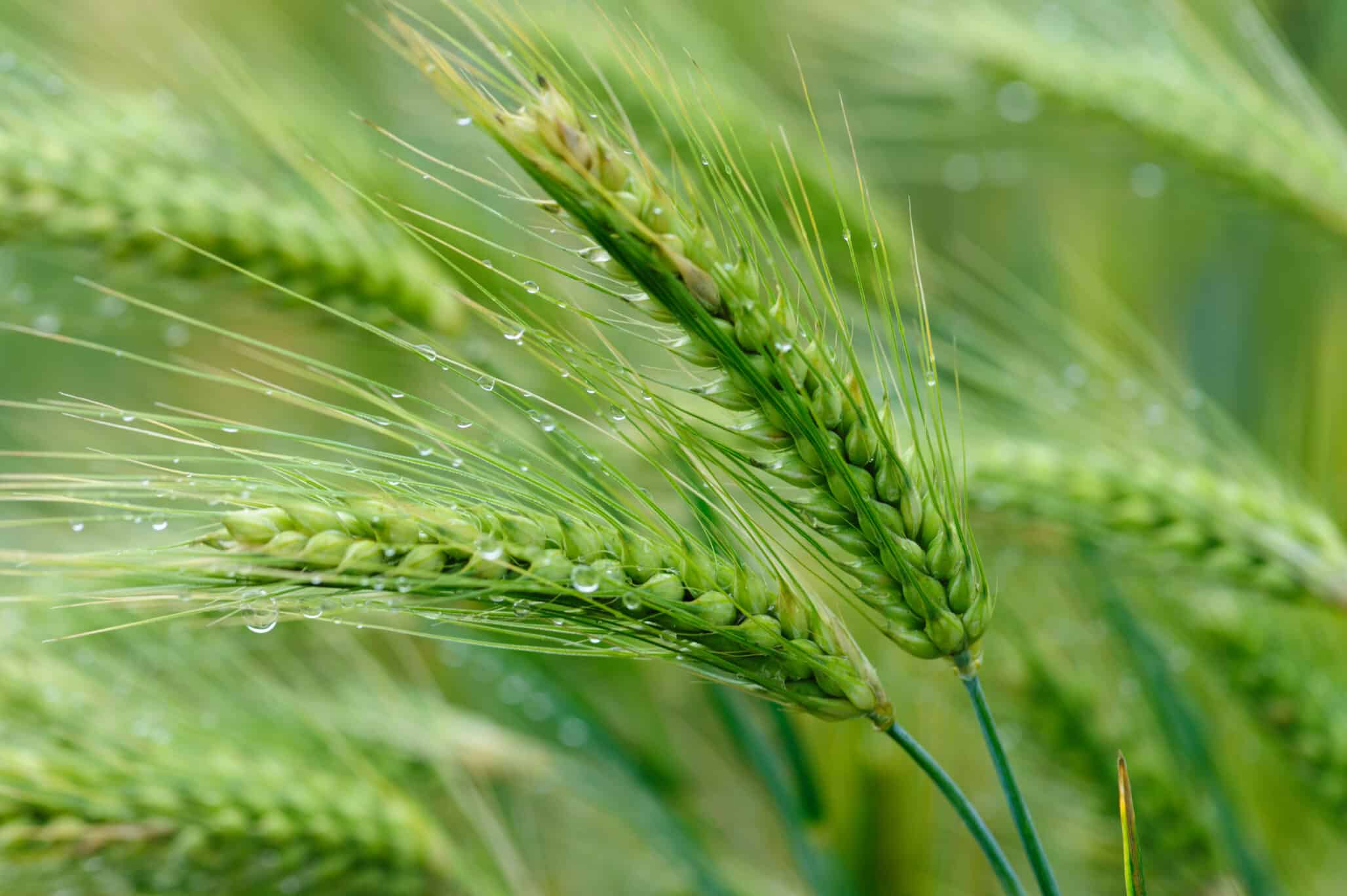
Scientists from The James Hutton Institute joined a multinational team led by Carlsberg Research Laboratory to tackle pre-harvest sprouting (PHS) — a costly problem that undermines the production of high-quality cereal crops such as barley, wheat, and rice, driving billions of dollars in losses worldwide.
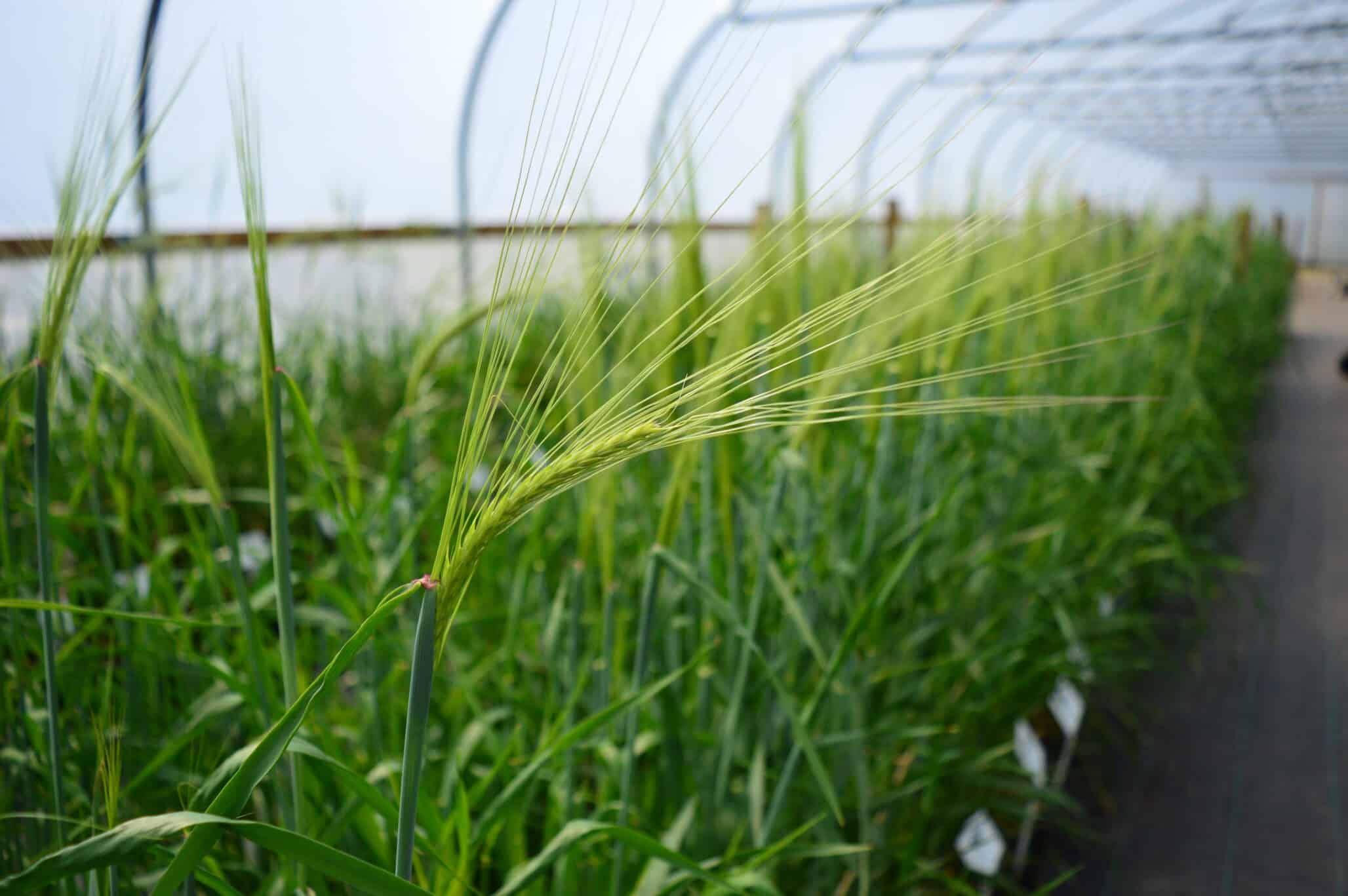
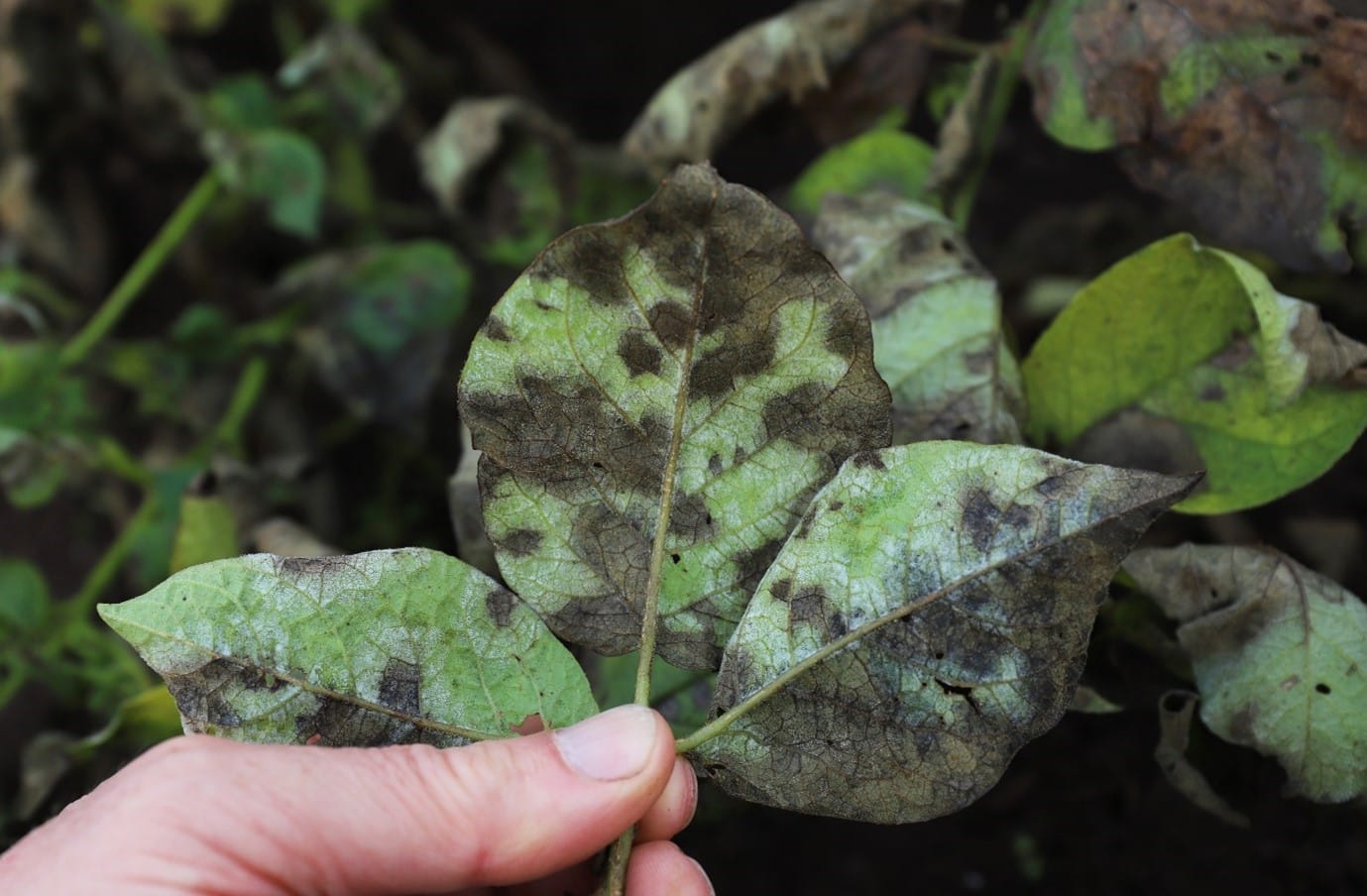
PHS occurs when mature grains begin to germinate on the plant before harvest, typically during warm, humid conditions. Once grains sprout, they often fall short of the quality standards required for brewing, distilling, and animal feed. In a study published in Science, the researchers show how the MKK3 gene complex regulates seed dormancy and sprouting in cereals — insights that could open new breeding strategies for crops that withstand climate extremes while meeting a range of agricultural needs.
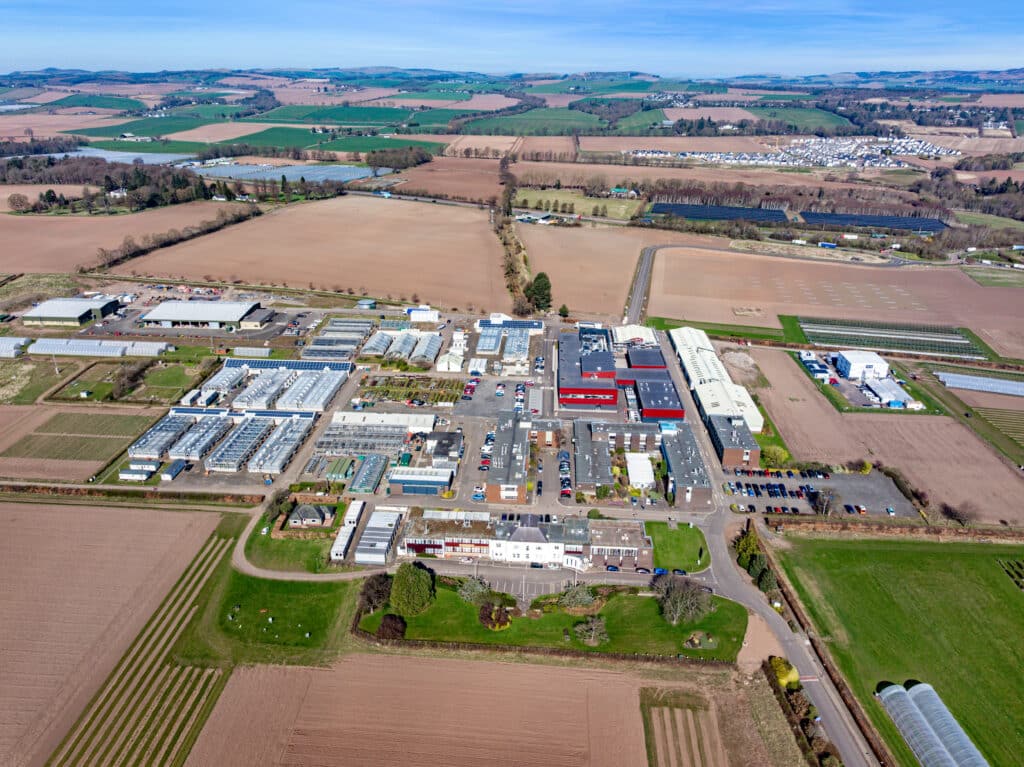
The James Hutton Institute is also home to the International Barley Hub (IBH), a centre of excellence that advances barley science and fosters collaboration across research, industry, and commercial partners. Its mission is to translate discoveries into real-world solutions, helping protect barley’s role in global food, drink, and feed markets by keeping the crop resilient and sustainable, according to a press release.
IBH is supported through a £62 million investment via the Tay Cities Region Deal (TRCD), a partnership spanning local, Scottish, and UK governments alongside private, academic, and voluntary sectors. Together, the initiative strengthens Scotland’s position as a global leader in crop science and climate adaptation.
“Our research demonstrates how different versions of MKK3 have evolved over thousands of years and have been selected by farmers and end-users to control a delicate balance between seed dormancy, sprouting risk and the rapid, even germination demanded by the malting and brewing sectors,” Dr. Joanne Russell, a member of the Hutton research team said.
“Having the wrong number or combination of MKK3 variants can be disastrous for crops grown in certain environments. Understanding the complexity is vital as climate predictions highlight regions where farmers are likely to face the greatest risk from PHS.”
“Given that many of our observations will likely apply to other major cereal crops like wheat and rice, our new understanding of MKK3 could have a major impact on cereal breeding. This is critical for food security in a changing climate.”
Both anticipate that the global science and breeding communities will exploit these findings to accelerate their progress towards resilient crops.