As the global seed market continues to consolidate, a critical question is emerging for European agriculture: what happens to innovation, resilience, and food security when fewer crops and fewer companies dominate the system?
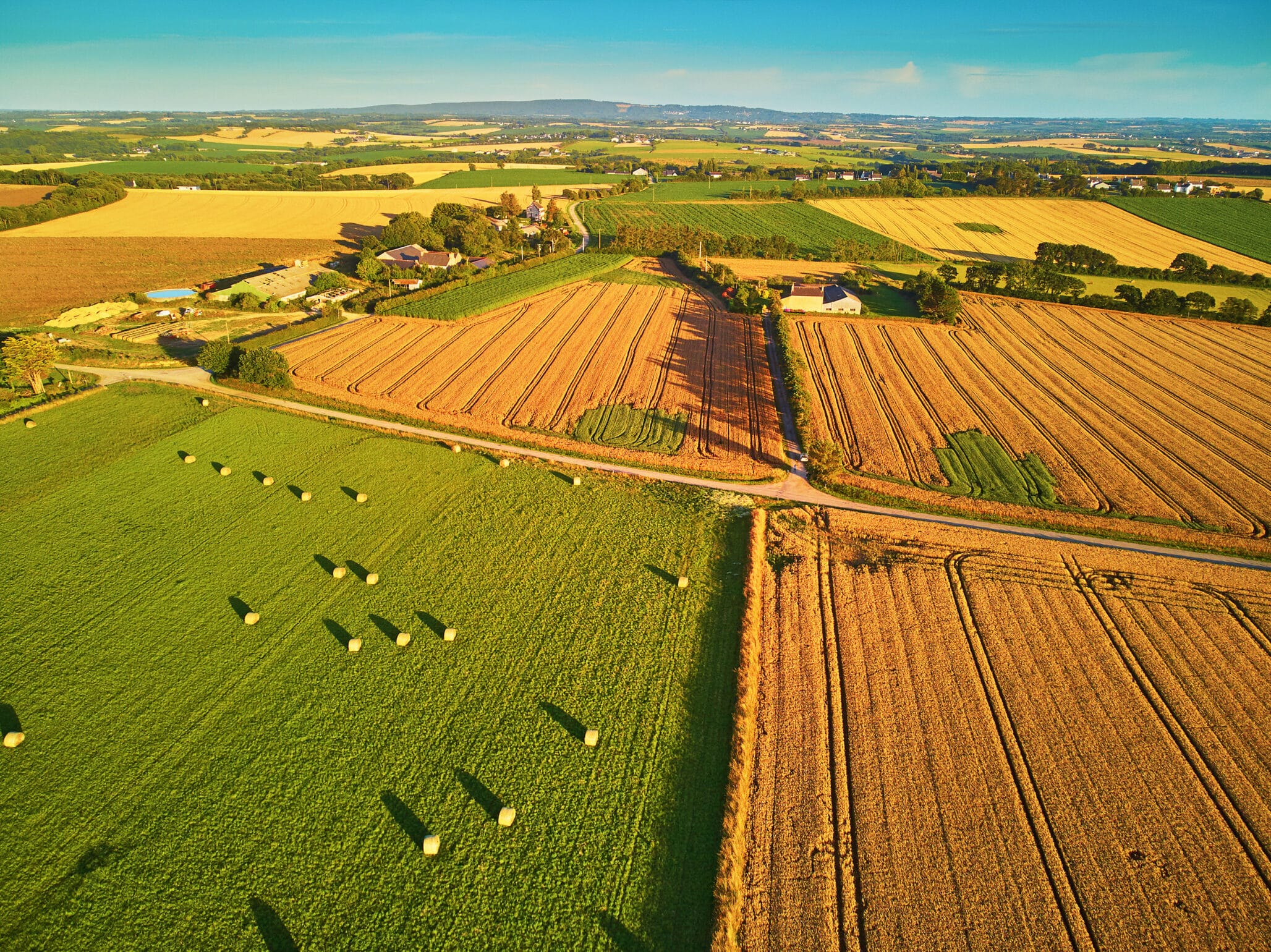
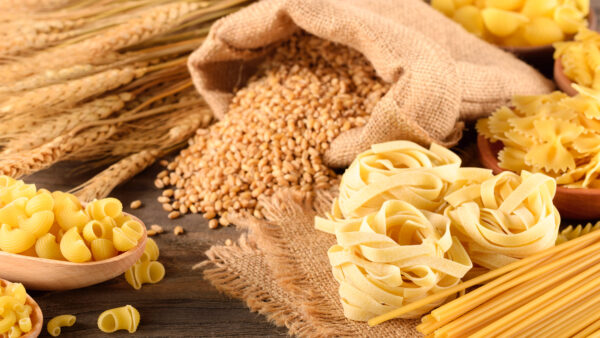
Today, nearly 80% of Europe’s arable acreage is concentrated in just four crops: corn, wheat, oilseed rape, and sunflower. While efficient, this level of crop concentration raises concerns about long-term sustainability, agronomic resilience and farmer choice.
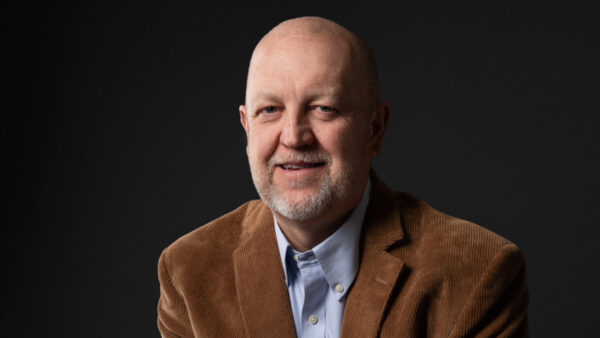
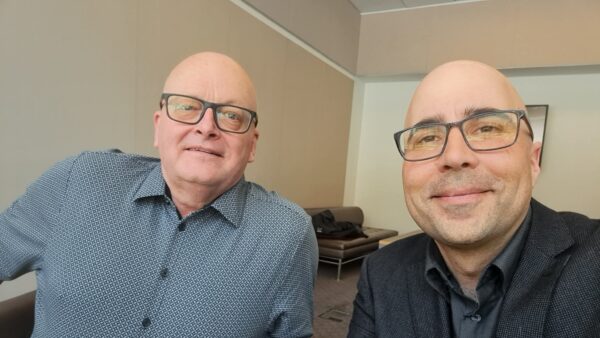
To explore what’s at stake, Seed World Europe reached out to Régis Fournier, former CEO of Limagrain Field Seeds and current strategic advisor to Limagrain, for a candid conversation about the future of crop diversity in Europe. With decades of experience at the center of global seed innovation, Fournier offers a clear-eyed assessment of where Europe is heading and where it risks falling behind.
In the interview, Fournier explains why crop diversity is foundational to food sovereignty, how alternating crops strengthens agronomic systems, and why regulation is making diversity more essential than ever.
For anyone concerned about the future of European agriculture, seed innovation, or long-term resilience, this conversation sheds light on both the challenges ahead and the opportunities within reach. Watch the full interview to understand why crop diversity may be one of Europe’s most important strategic assets.