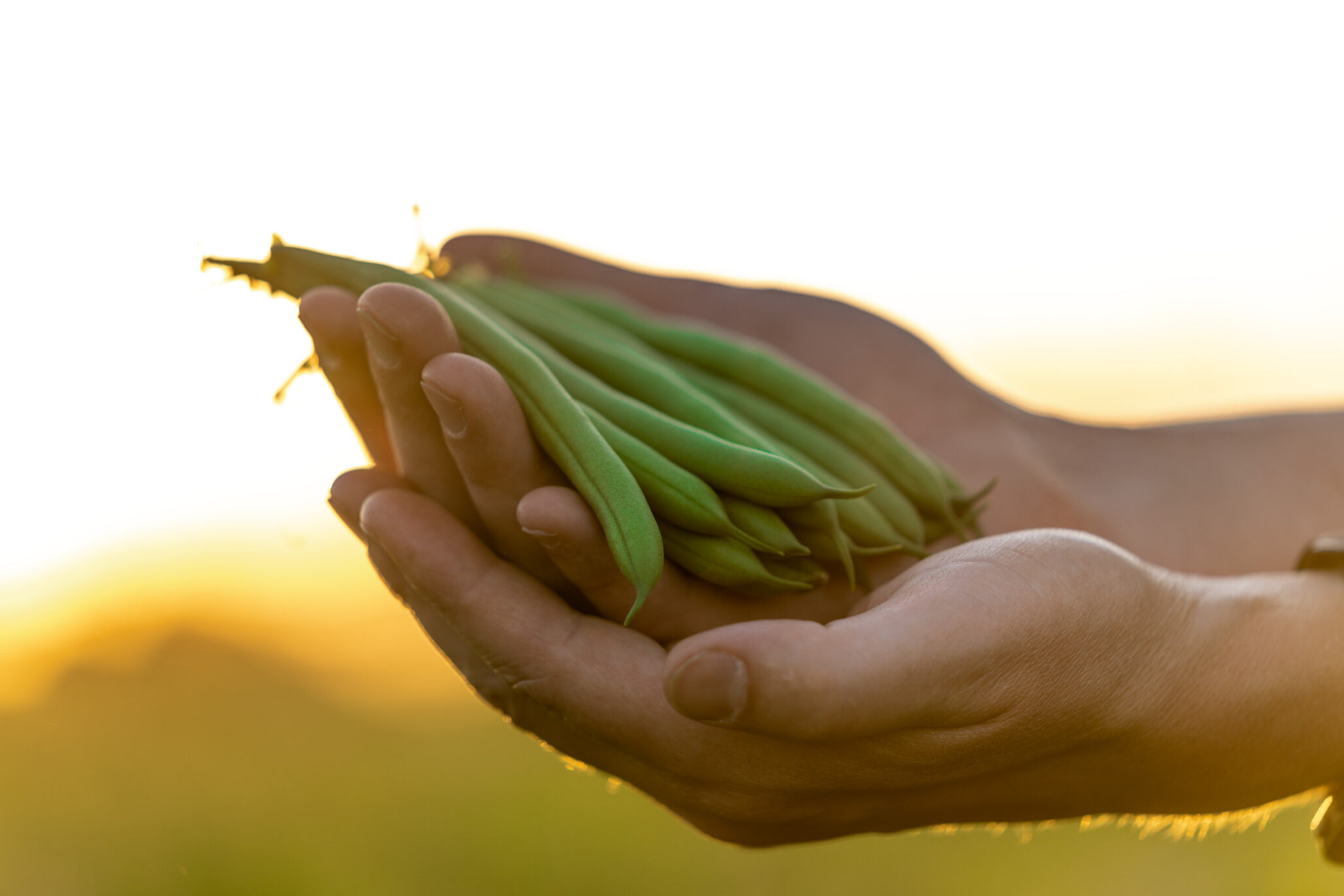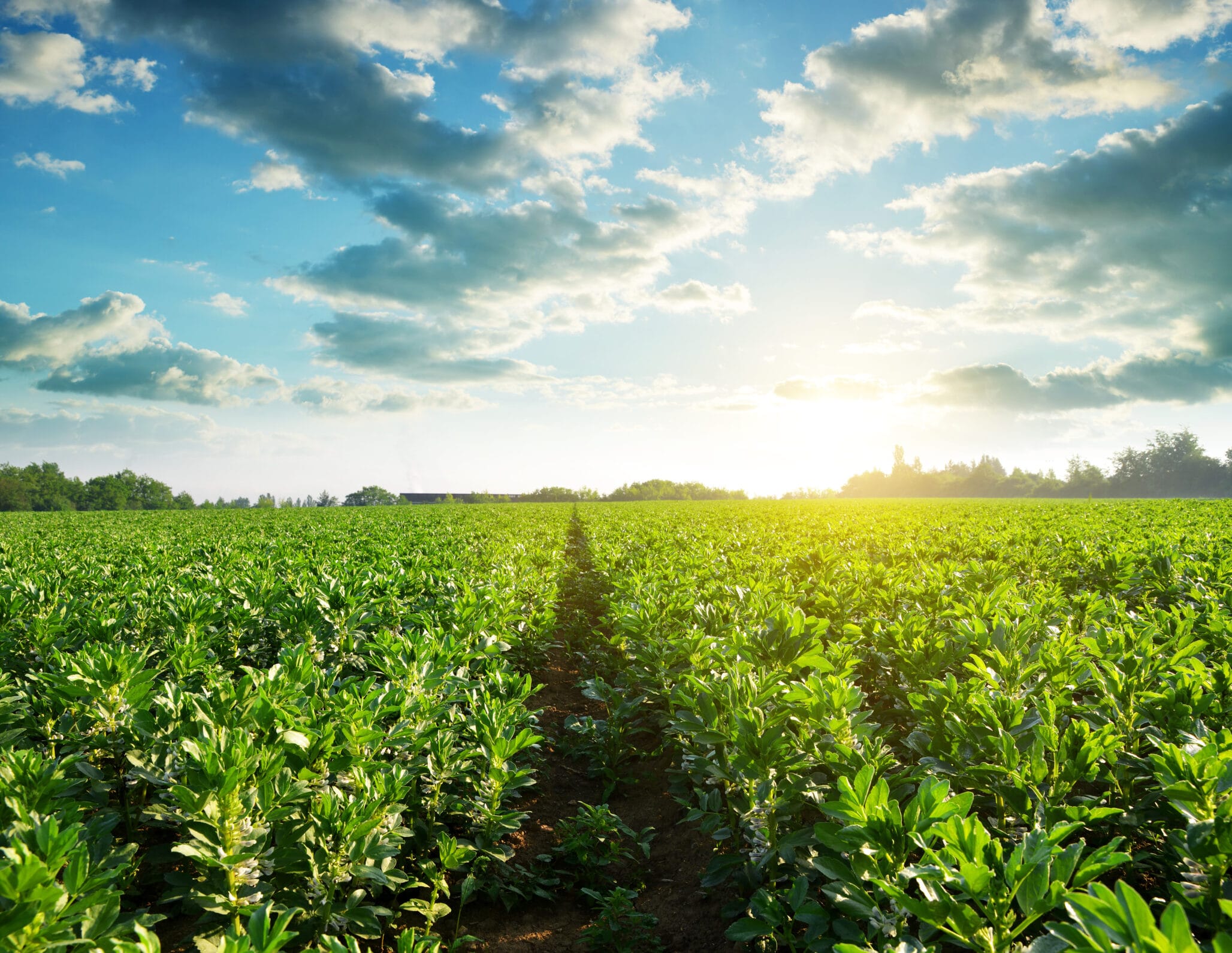
Faba bean is an ancient crop with particular value as a high-protein source. It can also fix atmospheric nitrogen into a form that plants can use in the soil, making it a sustainable alternative to soy, especially in Europe. However, many varieties lack winter hardiness and cannot survive frost in colder regions.
The research team’s first achievement was a major improvement to the faba bean reference genome. By applying several methods, including optical mapping, they were able to assemble the genome’s individual sections with much greater precision.
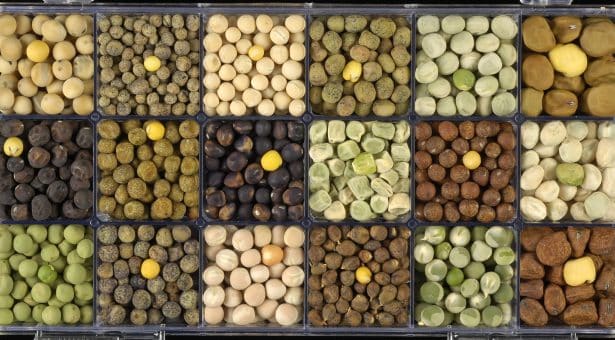
“Our new reference for the field bean genome is an accurate blueprint with significantly fewer gaps, better anchoring on the six chromosomes, and provides a reliable basis for breeding,” emphasised Prof. Dr. Murukarthick Jayakodi, who created an initial genome reference at the IPK in 2023. Building on this, in a second step, the researchers examined more than 400 winter and summer lines and systematically compared the corresponding genetic material.
At the same time, the researchers conducted association analyses to identify which genetic variations are linked to specific traits — here, winter hardiness. They also examined which genes become active under cold conditions, focusing in particular on genes already known to contribute to cold tolerance in other plant species.
“We were surprised to find that a single allele at a single gene locus is enough to distinguish between winter and summer varieties,” said Hailin Zhang, the study’s first author. This is comparable to a light switch: it is either on, or off. Depending on the variant of this gene, the plant is winter-hardy — or it is not.
The same gene locus also appeared as the strongest signal in the analysis of winter hardiness. The genes located in this region belong to the CBF/DREB transcription factor group — regulatory “switch” genes that activate a wide range of protective mechanisms in response to cold conditions, according to a press release.
“We were able to demonstrate that these genes are significantly activated in cold conditions. This confirms that they play a central role in frost tolerance,” explained Hailin Zhang. These genes can be thought of as a kind of emergency plan. When the temperature drops, the plan is activated and the plant prepares for frost.
But that’s not all. The same gene locus has also been linked to stable yields across different environments. “The fact that the same gene locus influences both winter hardiness and yield stability was an especially exciting discovery for us,” said Dr. Martin Mascher, head of the ‘Domestication Genomics’ research group at the IPK. This suggests that a single genetic “control centre” can have multiple important effects. The new findings could accelerate the breeding of robust winter field beans, which can yield almost 50 percent more in Europe. As a domestic protein source, they could also help reduce dependence on imports.