Decade-long effort strengthens maize disease resilience and seed systems across Africa.
In Nairobi, a gathering of scientists, regulators and seed sector leaders from across Africa marked more than a moment of recognition. It marked the culmination of over a decade of work against one of the most damaging maize diseases the region has faced.
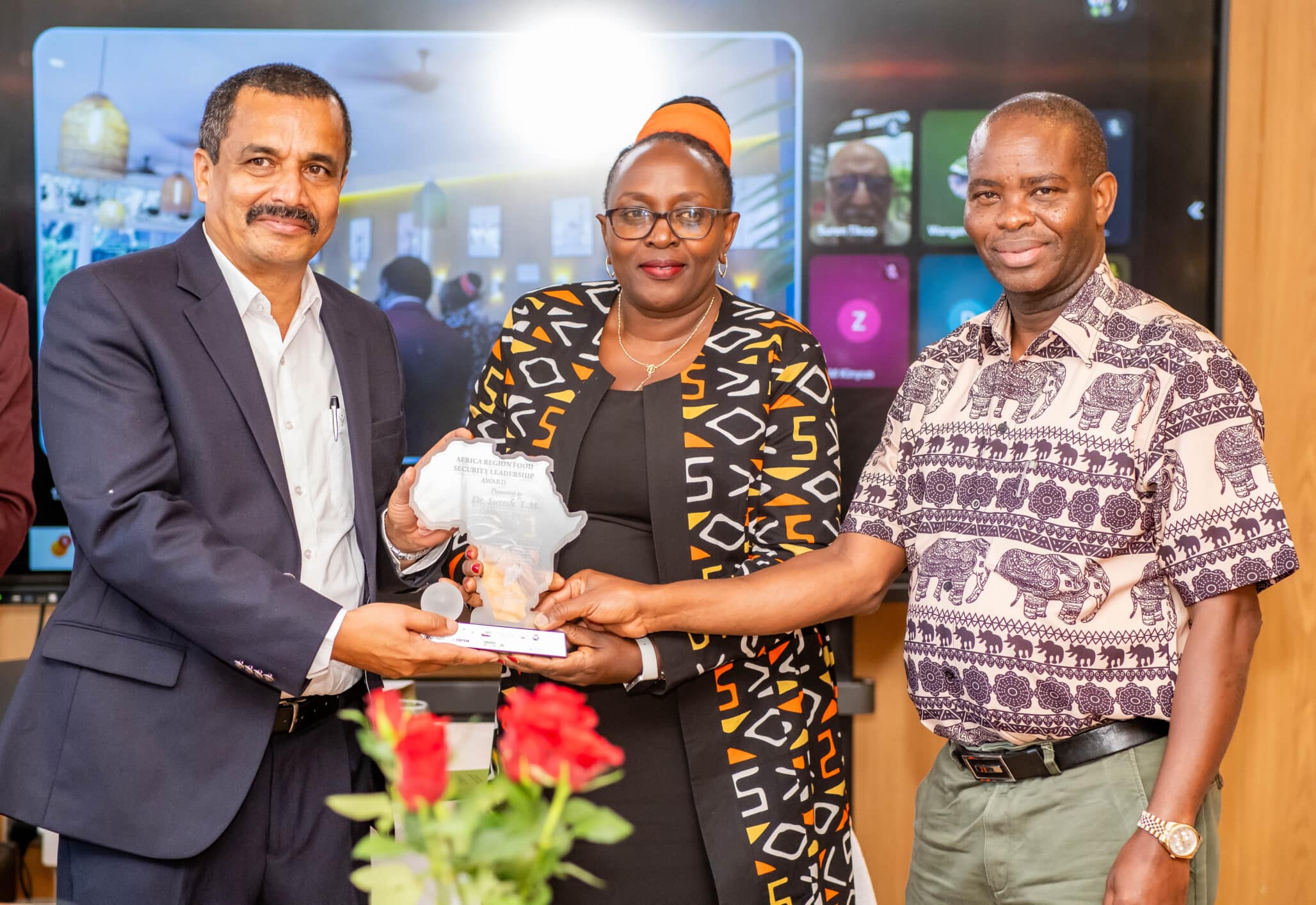
Suresh Lingadahalli Mahabaleshwara, widely known as Suresh L.M., was awarded the Africa Region Food Security Leadership Award, a distinction jointly conferred by national agricultural research systems, national plant protection organisations and private seed sector partners across Sub-Saharan Africa.
The award reflects not only scientific achievement, but also a sustained contribution to strengthening plant health systems, safeguarding seed movement and building regional collaboration in the face of a transboundary threat. That threat first emerged in Kenya in 2011.
When a Disease Crosses Borders
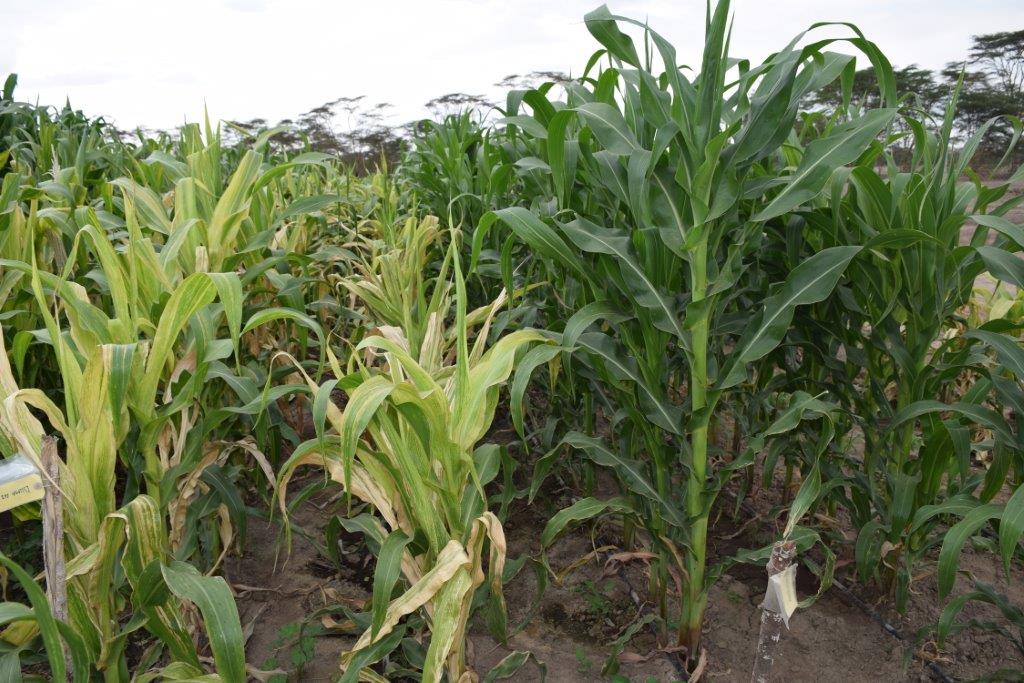
What began as unusual symptoms in maize fields quickly escalated into a full scale outbreak. Maize lethal necrosis, caused by the interaction of two viruses, proved capable of wiping out entire harvests, particularly when infection occurred early in the season.
The disease spread rapidly beyond Kenya into Ethiopia, Rwanda, Tanzania, Uganda, the Democratic Republic of Congo and Burundi, exposing weaknesses in breeding pipelines, diagnostics and seed systems.
More than a decade later, that crisis serves as the backdrop to the recognition of the work that followed.
Building a Line of Defence
Suresh spent 11 years with the International Maize and Wheat Improvement Center (CIMMYT) Global Maize Program, focusing on the challenge of MLN across Sub-Saharan Africa.
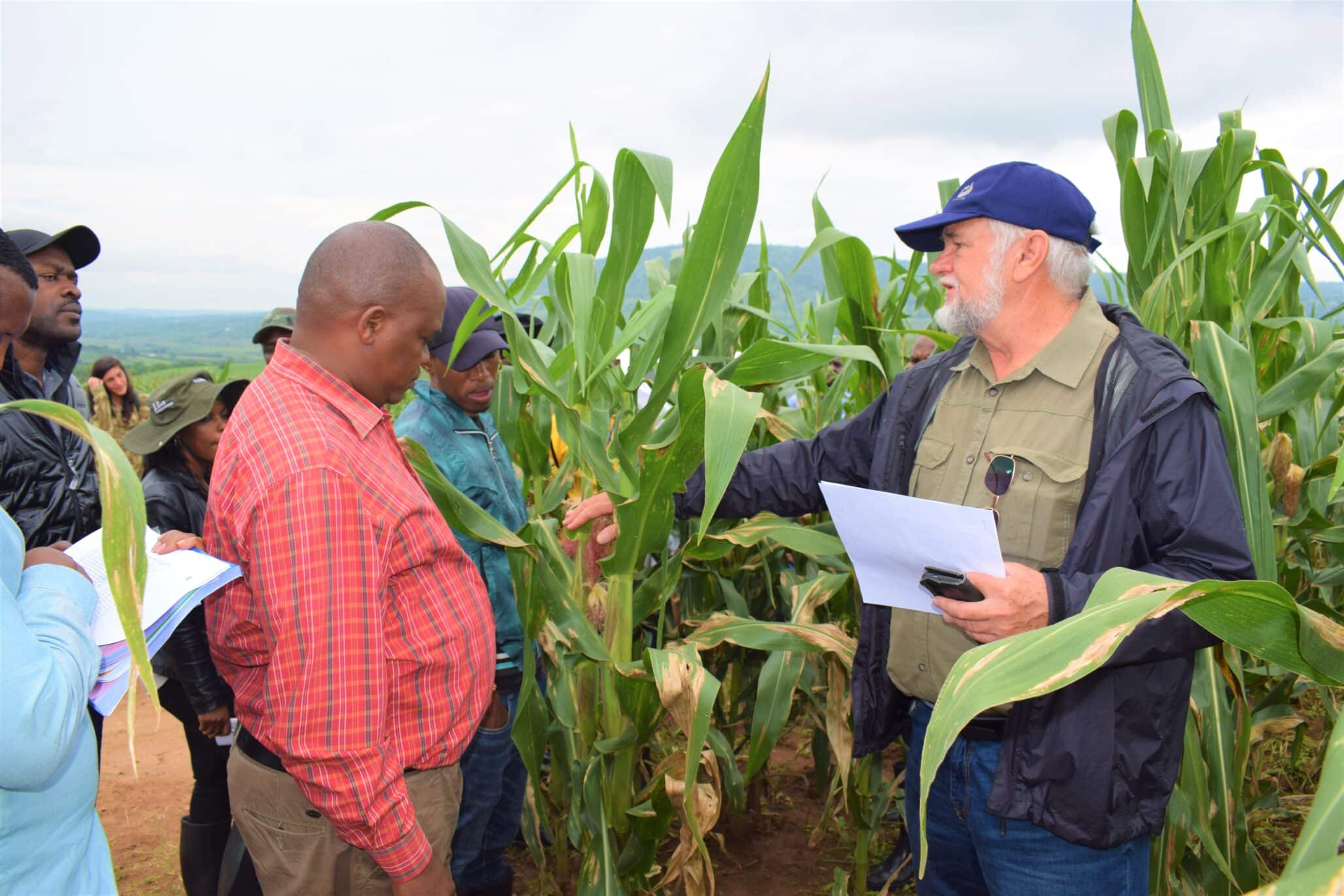
At the centre of this effort was the MLN screening facility in Naivasha, Kenya, established in 2013 through collaboration between CIMMYT and the Kenya Agricultural and Livestock Research Organization (KALRO). The facility became a globally recognised phenotyping hub, allowing maize germplasm to be evaluated under controlled disease pressure within a secure quarantine system.
After taking on leadership of the facility in 2015, Suresh oversaw the screening of more than 280,000 germplasm entries. This work contributed to the development and release of over 20 MLN tolerant hybrids across eastern Africa, with additional materials advancing through national trials.
Cleaning the Seed, Containing the Threat
Alongside breeding, a critical focus was preventing the disease from moving through seed systems. Efforts led under Suresh’s programme contributed to the development and application of seed decontamination approaches aimed at removing MLN causing viruses from infected seeds. This work became essential in limiting transmission across borders.
In recent years, around 15,000 germplasm lines have been cleaned and redistributed, including to countries where MLN is not present. Over the past decade, more than 100,000 virus free germplasm samples have been safely shared from Kenya with partners in over 20 countries. This has enabled continued exchange of breeding material while maintaining biosecurity, a key requirement for both public and private sector seed programmes.
From Diagnostics to Capacity
The work extended well beyond field trials. Through collaboration with the Kenya Plant Health Inspectorate Service (KEPHIS) and partnerships with national plant protection organisations across 10 countries, more than 19,000 samples were analysed as part of coordinated surveillance efforts. The resulting data contributed to shared monitoring systems and improved early warning capabilities.
At the same time, capacity building became a central pillar. Over 9,000 scientists, inspectors and postgraduate students across 12 African countries received training in MLN diagnostics and management. Together, these efforts strengthened not only the response to MLN, but the broader plant health infrastructure across the region.
A Real World Test in Zambia
The strength of these systems was tested during a major food security crisis in southern Africa. In 2024, Zambia faced a severe drought linked to El Niño, affecting over one million hectares of maize and placing millions at risk of food insecurity. To stabilise supply, the country initiated emergency maize imports, including from Tanzania, where MLN is present. This created a high-risk scenario for a country that had remained free of the disease.
In response, the Plant Quarantine and Phytosanitary Service (PQPS) of Zambia worked closely with the Tanzania Plant Health and Pesticides Authority (TPHPA), drawing on technical approaches developed through years of MLN research and surveillance led by CIMMYT.
A multi layered system was implemented, including risk mapping of production areas, joint inspections prior to shipment, and continuous diagnostic testing at border entry points using ELISA and PCR methods. Strict phytosanitary protocols were applied throughout the process.
The result was a large-scale import operation completed without introducing MLN. By mid-2025, Zambia had secured substantial maize supplies while maintaining its disease-free status, and production had begun to recover.
The episode is now widely regarded as a practical example of how science-based systems and regional coordination can protect both food supply and seed security under pressure.
From Farm Roots to Regional Impact
Suresh’s journey began in a farming community in southern India, where early exposure to agriculture shaped his understanding of the challenges faced by farmers.
After completing his academic training, including doctoral studies, he spent two decades in the seed sector with multinational companies before joining CIMMYT. His earlier work contributed to the development of disease resistant vegetable hybrids, and he has received recognition from scientific organisations, including the Prof. JF Dastur Memorial Award in 2023. This combination of practical and scientific experience informed his approach to tackling MLN as both a biological and systems challenge.
A Crisis that Changed the System
The MLN outbreak ultimately became a catalyst for change. It accelerated collaboration between countries, strengthened breeding pipelines and highlighted the importance of coordinated plant health systems. What began as an emergency response evolved into a more resilient, science driven framework for managing disease risk.
Farmers across affected regions now increasingly have access to hybrids with improved tolerance, while surveillance and diagnostic systems are better equipped to respond to future threats.
A Legacy Recognised
The award presented in Nairobi reflects more than individual achievement. It represents a decade of work that helped transform how a region responds to plant disease. While MLN remains a challenge, the systems, partnerships and technical capacity developed over the past decade continue to provide protection across borders.
That shift, from vulnerability to preparedness, defines the legacy behind the Africa Region Food Security Leadership Award and the work it recognises.