

Argentina revisa la normativa sobre OMG para impulsar la innovación en la agricultura
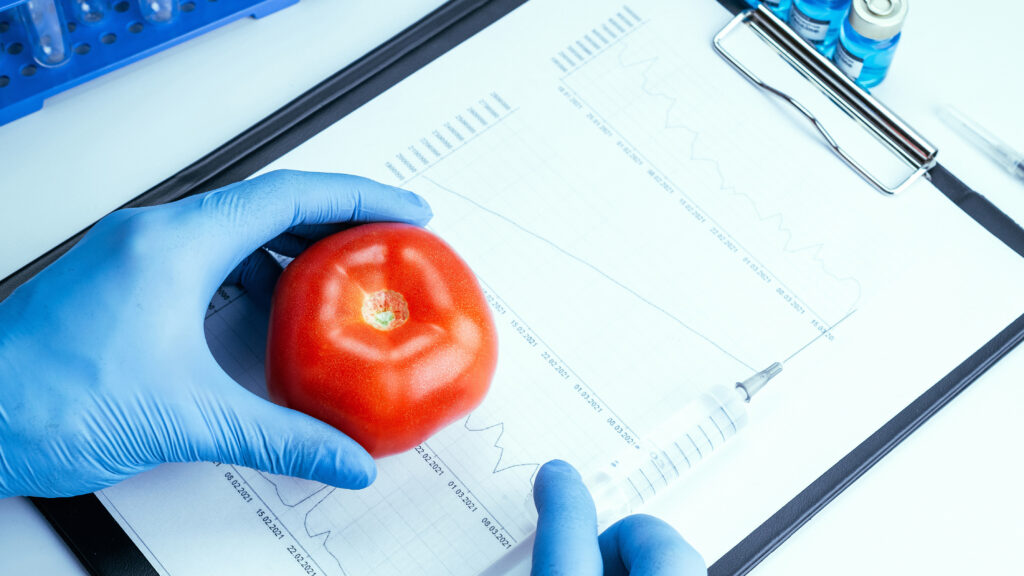
La actualización de las regulaciones sobre OGM en Argentina busca acelerar la innovación agrícola al simplificar los procesos de aprobación para productos biotecnológicos experimentales y comerciales. La Resolución 255/2026 moderniza criterios técnicos, reduce costos, acorta plazos de evaluación y mejora la previsibilidad regulatoria. La reforma impulsa inversión, refuerza bioseguridad, protege mercados de exportación y consolida liderazgo biotecnológico.
If the Seeding Rate Was Right, Why Is the Stand Thin?
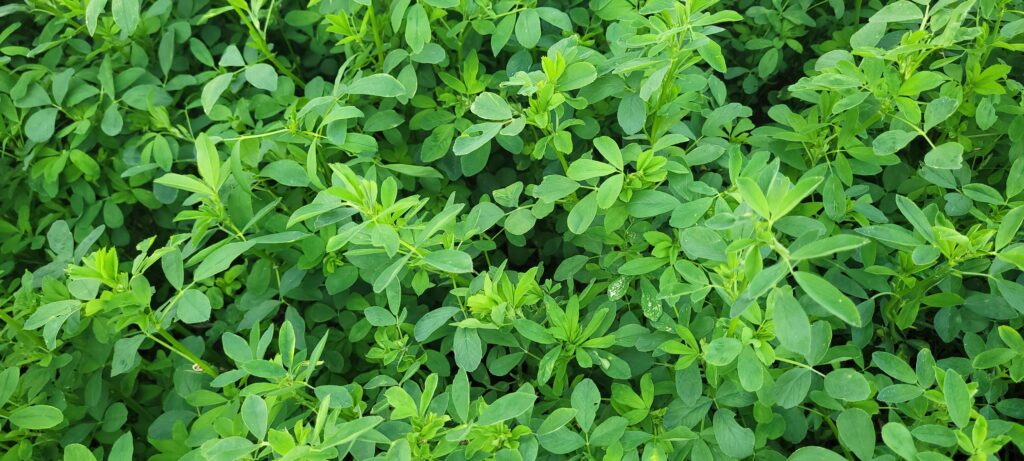
Thin forage stands are often caused not by seeding math, but by biological realities after planting. Seed mortality from poor moisture, weak seed-to-soil contact, timing, and movement can range from 10% to over 90%. Coated seed, better seedbed preparation, and improved moisture management help close the gap between seeds planted and plants successfully established in the field.
Scientists Discover a New Plant Immune Complex in Wheat
Researchers discovered a new plant immune defense in wheat, where the WAI3 protein forms an eight-part resistosome that triggers calcium flow and activates disease resistance. Published in Cell, the study shows this mechanism also exists in Arabidopsis, suggesting a conserved immune strategy across diverse plant species. The finding advances plant biology and could support crop disease resistance research.
For The Love of Carbs

Carbohydrates are diverse compounds central to energy, industry, and biology, from sugars and starches to cellulose and DNA components. This overview highlights their chemical complexity, everyday applications, and health impacts. It also traces their role in teaching chemistry through engaging examples like fermentation and synthetic materials, showing how carbohydrates continue to inspire scientific curiosity and innovation.
UK Food System Under Pressure as Report Urges Shift to Sustainable Farming
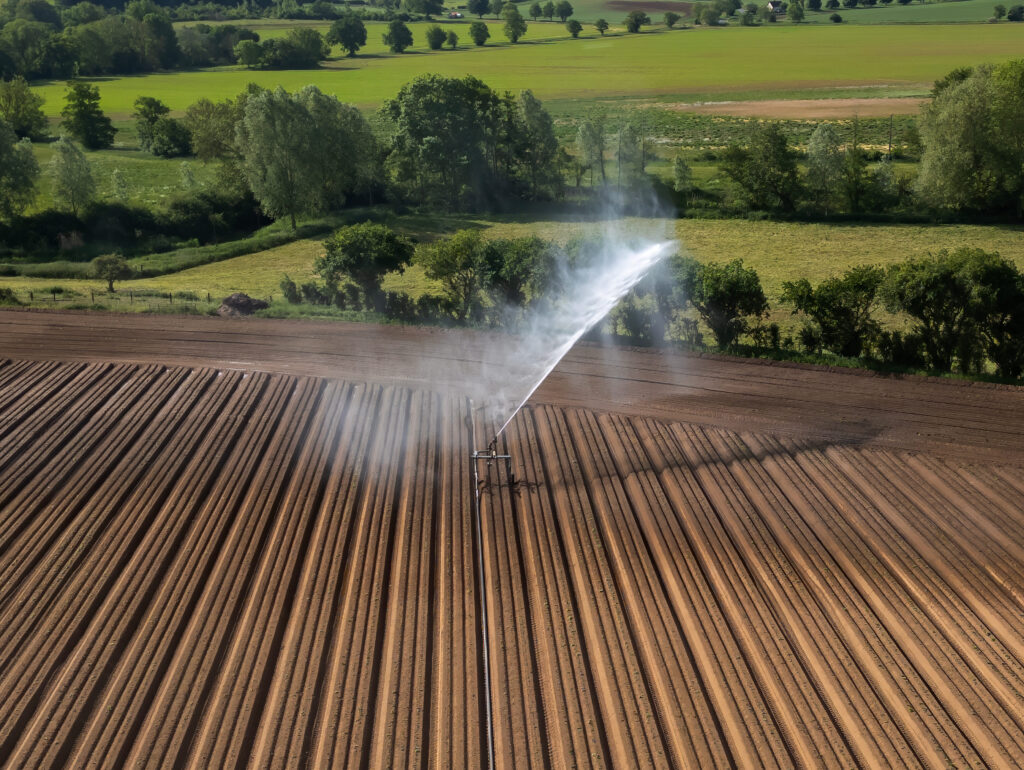
A new Demos report, backed by McCain Foods, says sustainable farming could strengthen the UK food system, raise farm profits, cut fertiliser imports and unlock billions in economic value by 2035. With public support growing, the report urges government action to help farmers adopt regenerative practices, improve resilience, restore nature and stabilise long-term food production and prices.
Ag Day Begins With Seed
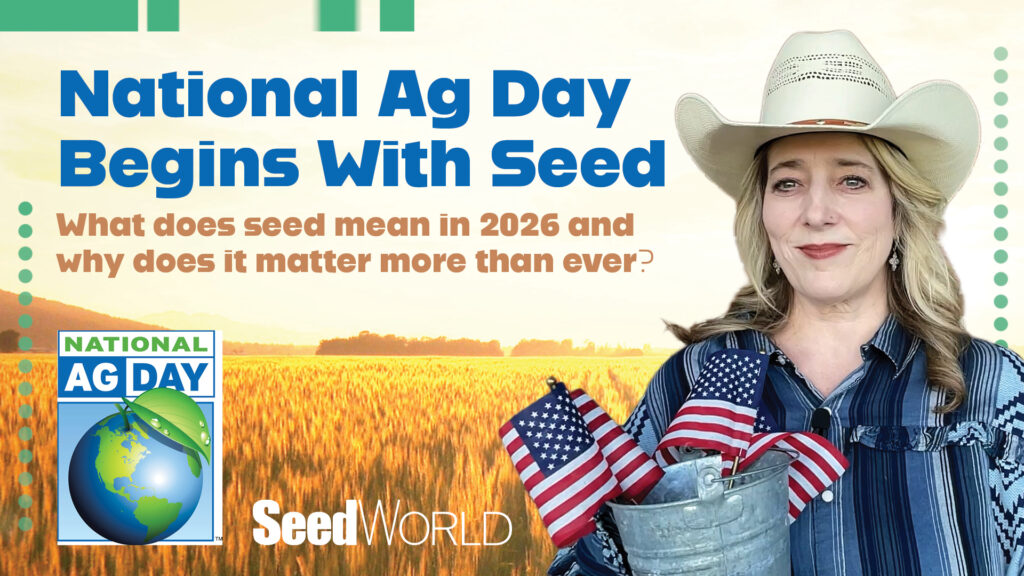
Seed industry leaders share why everything starts with seed for National Ag Day, highlighting innovation, supply chains and the role seed plays in food, fuel and fiber systems.
Peru’s New Gene-Editing Guidelines Could Boost Crop Innovation

Peru’s new gene-editing guidelines create a clearer regulatory path for crops developed with tools like CRISPR. The measure helps determine whether gene-edited organisms qualify as modified living organisms under existing law, supporting innovation in potatoes, rice, blueberries, grapes, avocados, and asparagus. The framework could strengthen agricultural research, climate resilience, food security, and Peru’s agro-export competitiveness.
Legacy Project to Support National Food Bank ahead of World Seed Congress 2026
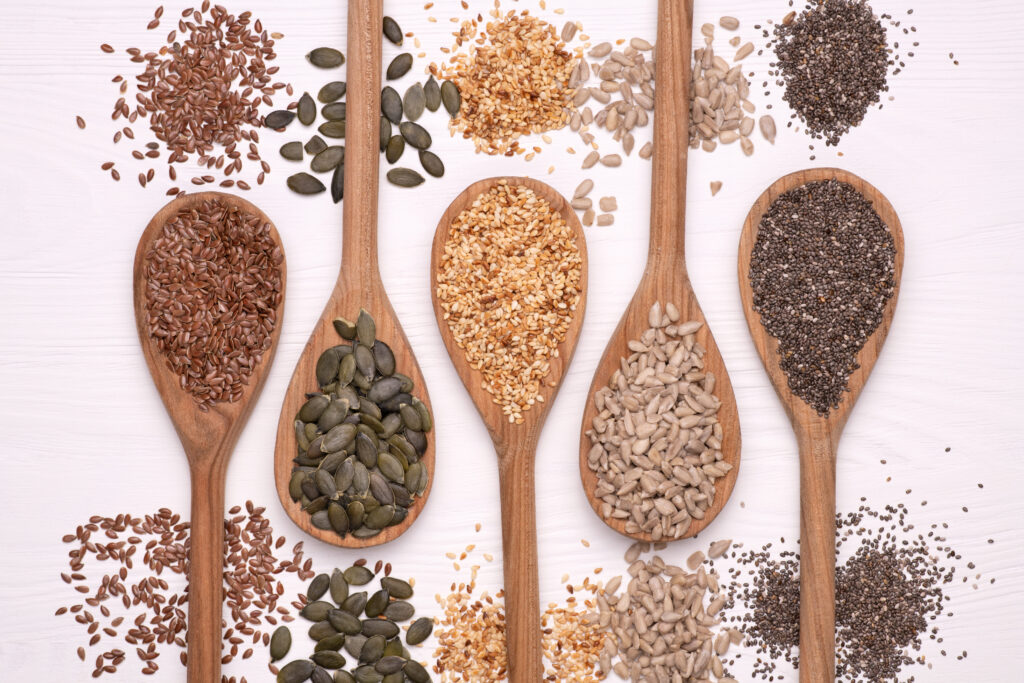
Ahead of the World Seed Congress 2026 in Lisbon, the new Legacy Project aims to create lasting local impact by uniting the seed sector, students and civil society to grow crops for donation to Portugal’s National Food Bank. Supported by multiple partners, the initiative will cultivate 1.6 hectares at the Instituto Superior de Agronomia and invites further sector contributions.
Diesel Jumps, Margins Shrink: Canadian Seed Growers Feel Impact of Hormuz Crisis

Canadian seed growers are absorbing rising diesel and fertilizer costs after Strait of Hormuz tensions triggered an energy price spike. With margins already thin heading into the 2026 growing season, Prairie producers say they have limited room to absorb the increase.
Industry Leaders Back NAPB Borlaug Scholars — Now New Sponsors Are Invited for 2026

Supported by organizations like Bayer, the program connects top students with industry mentors — and is expanding opportunities for new partners. The National Association for Plant Breeding (NAPB) Borlaug Scholarship […]
Study Finds Crops Store Wastewater Drugs Mainly in Leaves
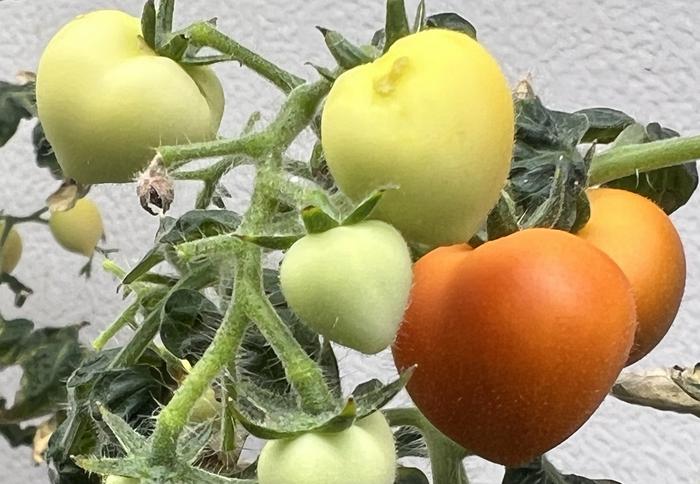
A Johns Hopkins study found that crops irrigated with treated wastewater, including tomatoes, carrots, and lettuce, tend to accumulate psychoactive pharmaceutical residues mainly in their leaves. Published in Environmental Science & Technology, the research improves understanding of how these compounds move through plants and may help guide future regulations on the safe agricultural use of treated wastewater.
Nuevas directrices de edición genética en Perú podrían impulsar la innovación agrícola

Las nuevas directrices de edición genética en Perú crean una ruta regulatoria más clara para cultivos desarrollados con herramientas como CRISPR. La medida permite definir si los organismos editados califican como organismos vivos modificados bajo la ley vigente, impulsando innovación en papa, arroz, arándanos, uvas, aguacates y espárragos. El marco fortalecería investigación agrícola, resiliencia climática, seguridad alimentaria y agroexportación.
Time for Change — PRM and The Wider Context
The EU is advancing a new Plant Reproductive Material (PRM) regulation to modernize seed laws, improve traceability, and support biodiversity and food security. Trilogue discussions highlight divisions over exemptions, seed exchanges, and heterogeneous materials. The proposal aims to harmonize rules, enable innovation, and reduce administrative burdens, while raising industry concerns about competition, enforcement, and balancing sustainability with professional agriculture priorities.
Seeds Don’t Just Grow in Sunlight Anymore

Agrovoltaics is introducing a new growing environment where crops are produced under solar panels, shifting how light, water and stress interact and raising new questions for yield performance, profitability and future seed breeding strategies.
Embrapa’s New Sorghum Hybrid Targets Silage, Biogas, and Energy Production
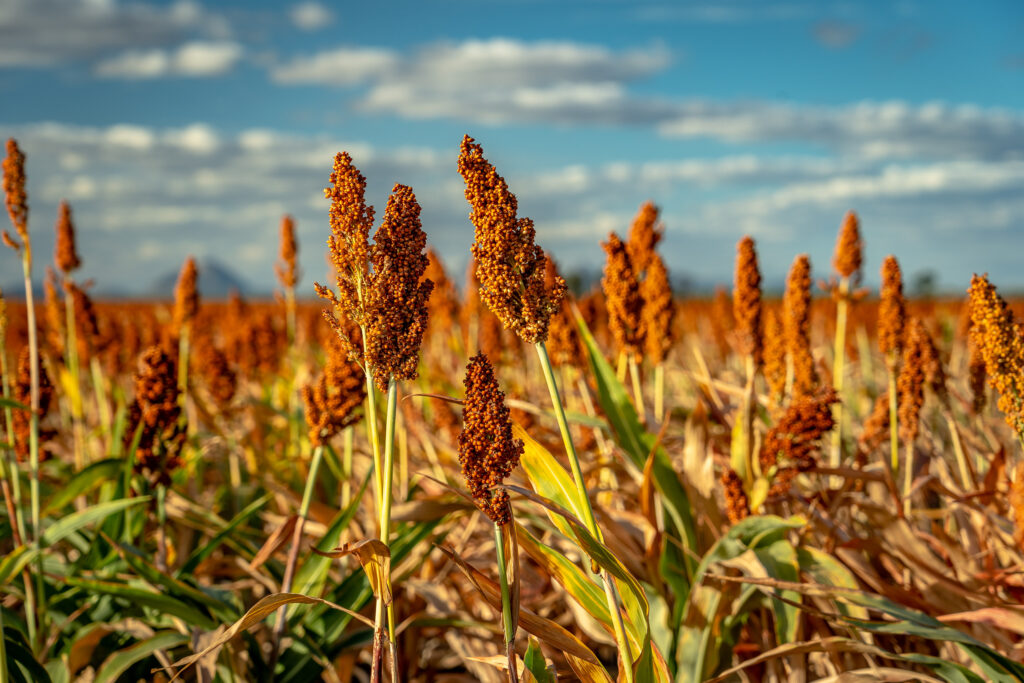
Embrapa and Latina Seeds launched the giant forage sorghum hybrid BRS 662 (LAS6002F), designed for silage, biogas, and energy production. The early-cycle cultivar can yield over 80 tons per hectare with strong regrowth and resistance to key fungal diseases. Suitable for Brazil’s main production regions, it offers high-quality biomass and supports livestock feed and renewable energy systems.
El nuevo híbrido de sorgo de Embrapa se centra en la producción de ensilado, biogás y energía
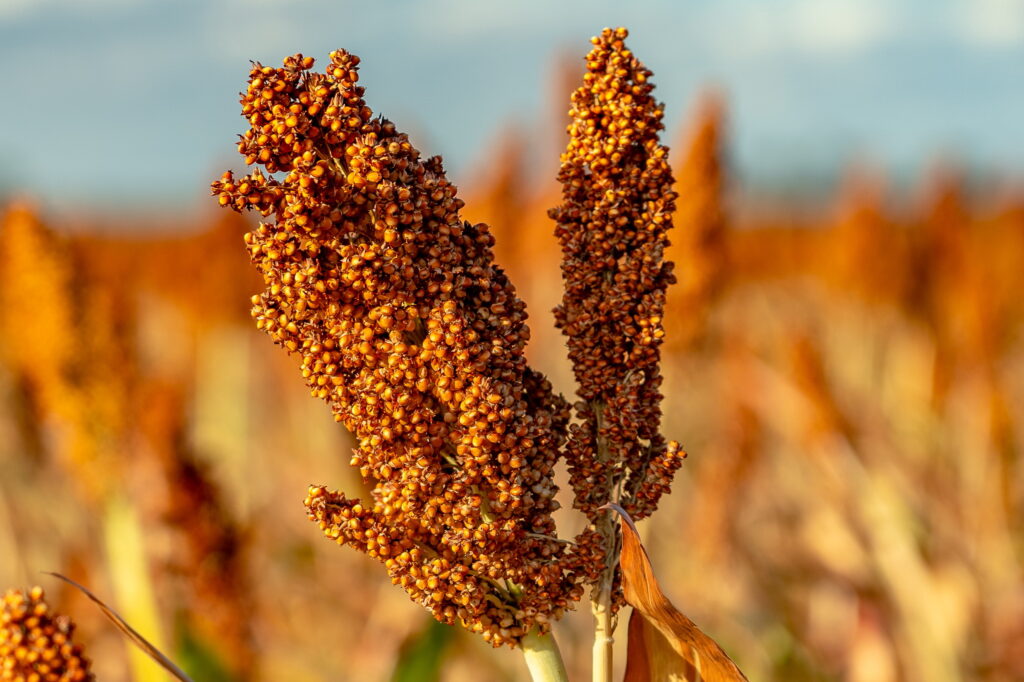
Embrapa y Latina Seeds lanzaron el híbrido de sorgo forrajero gigante BRS 662 (LAS6002F), orientado a ensilaje, biogás y producción de energía. El cultivar de ciclo temprano puede superar 80 toneladas por hectárea, con fuerte rebrote y resistencia a enfermedades fúngicas clave. Adaptado a las principales regiones productoras de Brasil, ofrece biomasa de alta calidad para alimentación animal y bioenergía.
How Biotechnology Could Save the Banana

Banana Xanthomonas Wilt (BXW) is devastating banana crops across Africa, threatening food security for over 70 million people. With no cure and limited breeding options, scientists are turning to biotechnology. Genetic engineering and genome editing have produced resistant bananas, offering hope. However, regulatory barriers and public skepticism may delay adoption of these solutions.
Why the 2026 NAPB Annual Meeting at Texas A&M is a Must-Attend

Attendees in College Station will explore AI-driven phenotyping, high-throughput data systems, and cutting-edge breeding programs
Argentina’s RECSO Sets the Standard for Unified Regional Soybean Trials in 2026
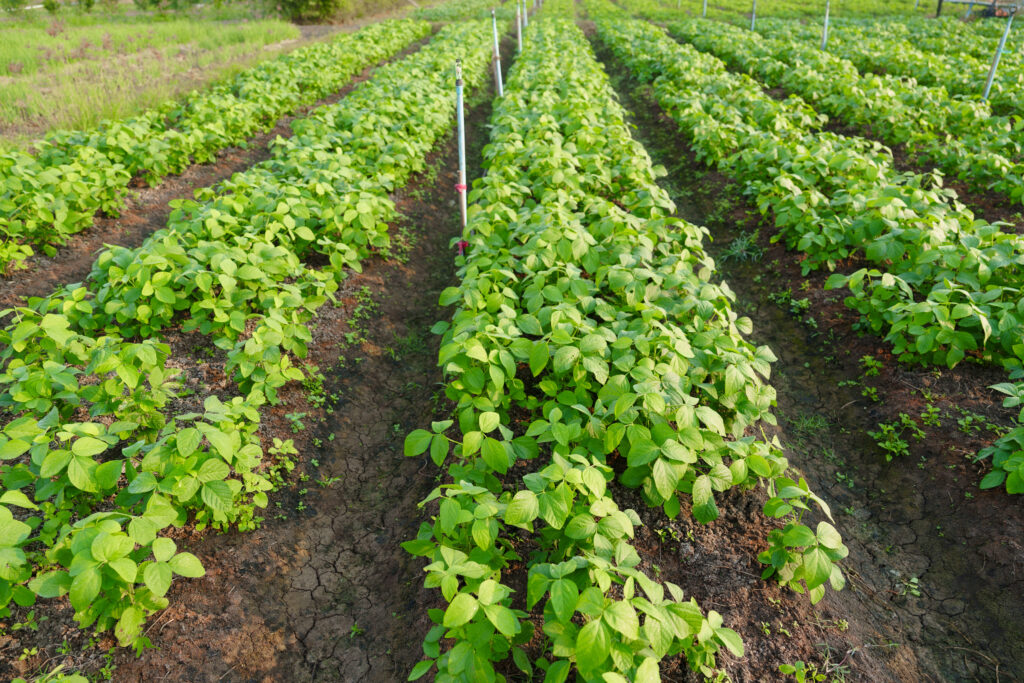
With more than four decades of experience in Argentina, the National Soybean Cultivar Evaluation Network (RECSO) will expand to a regional scale in 2026. This transition will establish a network […]
Why the VUA Matters for Farmers — and the Future of Seed Innovation

Seeds Canada’s Lauren Comin explains how agreements like the VUA help sustain plant breeding while adding one more step for growers
Soil Microbes Help Suppress Crop Diseases, Global Study Finds
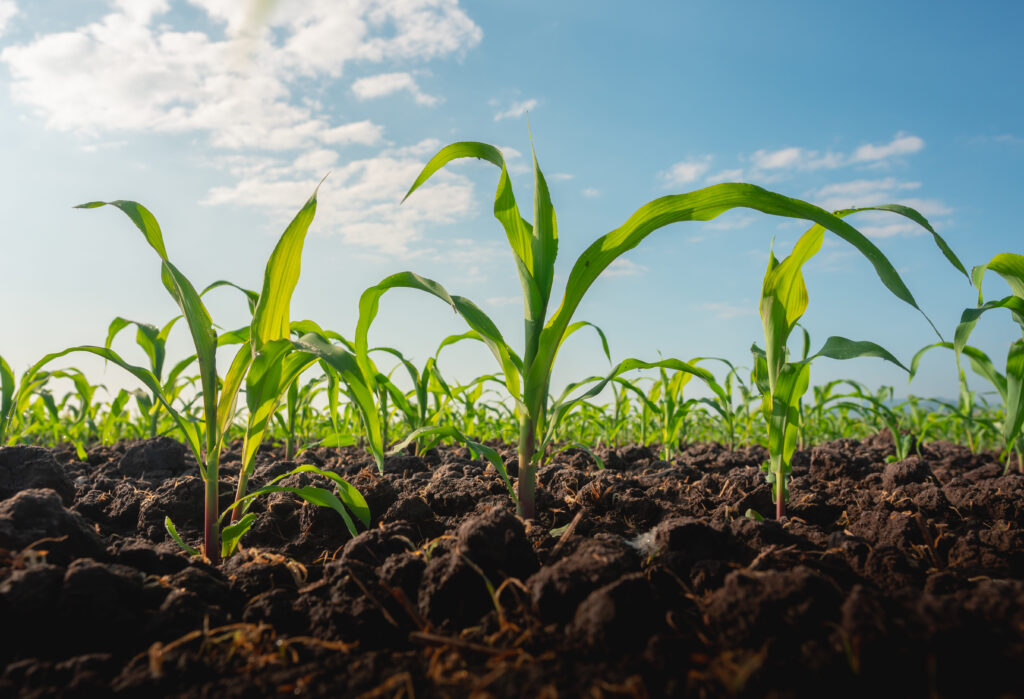
A global study has mapped plant pathogen hotspots and found that healthier, more diverse soils can naturally suppress disease. Published in Nature Communications, the research also warns that climate change could expand the range of major bacterial plant pathogens. The findings offer a foundation for improved surveillance and microbiome-based strategies to protect crops, food security, and ecosystem health worldwide.
OP-ED: No Investment, No Innovation — What’s at Stake for Canadian Farmers

Failing to fund crop genetics today could limit farm productivity and profitability tomorrow, as momentum builds behind new value capture tools. Innovation is undeniably important to Canadian agriculture. To remain […]
Corn’s Margin Crisis Deepens as Fertilizer Shock Collides With Planting Season

U.S. corn growers face rising fertilizer costs and tighter margins as global disruptions tied to the Strait of Hormuz add pressure during planting season, shaping decisions on inputs, yield and seed strategy.
On the Brink Episode 2: Canadian Conditions Need Made-for-Canada Solutions
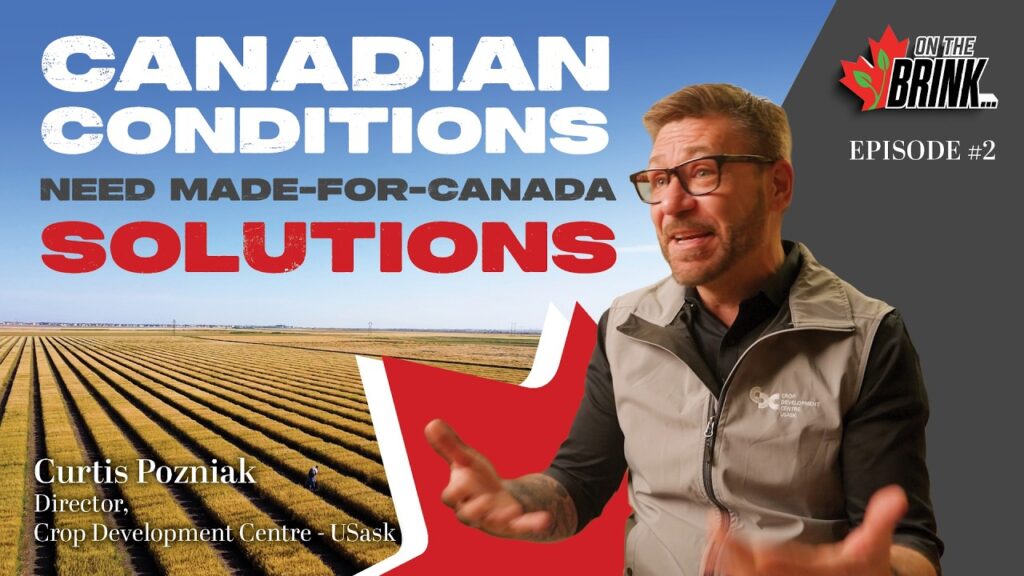
Canadian conditions demand Canadian plant breeding solutions. In Episode 2 of On the Brink, Crop Development Centre director Curtis Pozniak explains what’s at stake when investment in homegrown crop innovation slows down.
La RECSO de Argentina establece el estándar para ensayos regionales unificados de soja en 2026
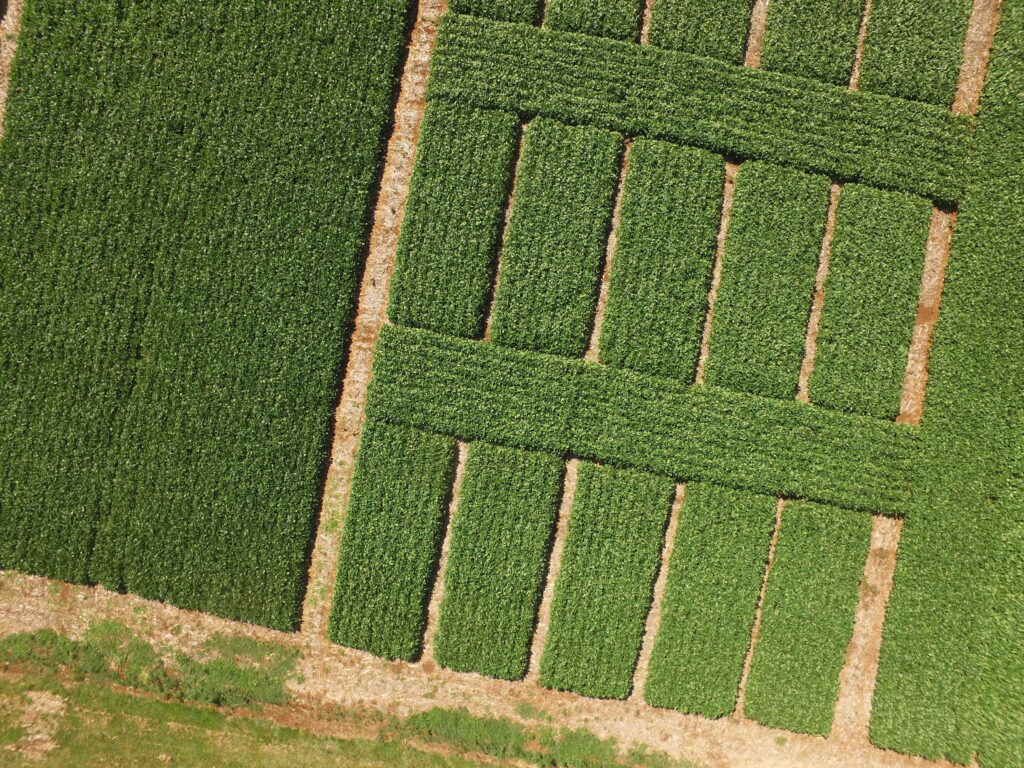
La red argentina de evaluación de cultivares de soja RECSO se ampliará en 2026 a escala regional como RRECSO-Américas, integrando a Argentina, Uruguay, Paraguay, Colombia y Perú con protocolos unificados. El objetivo es cerrar brechas de rendimiento, especialmente por limitaciones hídricas, optimizando la elección de cultivares y el manejo. Con gobernanza compartida y apoyo de la Universidad de Florida en modelos predictivos, beneficiará a productores, semilleras, asesores e institutos públicos.
Keeping Seed Cleaning Plants Moving: 13 Years in Parts & Service

Whether it’s a mechanical issue or a technology challenge, customers want one thing: reliable answers and reliable service
AOSCA Names New Leadership

AOSCA names Michael Bouck president and Matthew Young vice president following its latest board meeting, marking a leadership transition focused on strengthening seed certification systems across North America.
The Breeder’s Blind Spot: What Your Genotyping Panel Isn’t Telling You

Computomics’ AI-driven platform pairs predictive breeding with pangenome visualization, giving you the architecture behind every crossing decision
Study Finds No Clear Link Between GMOs and Health Risks
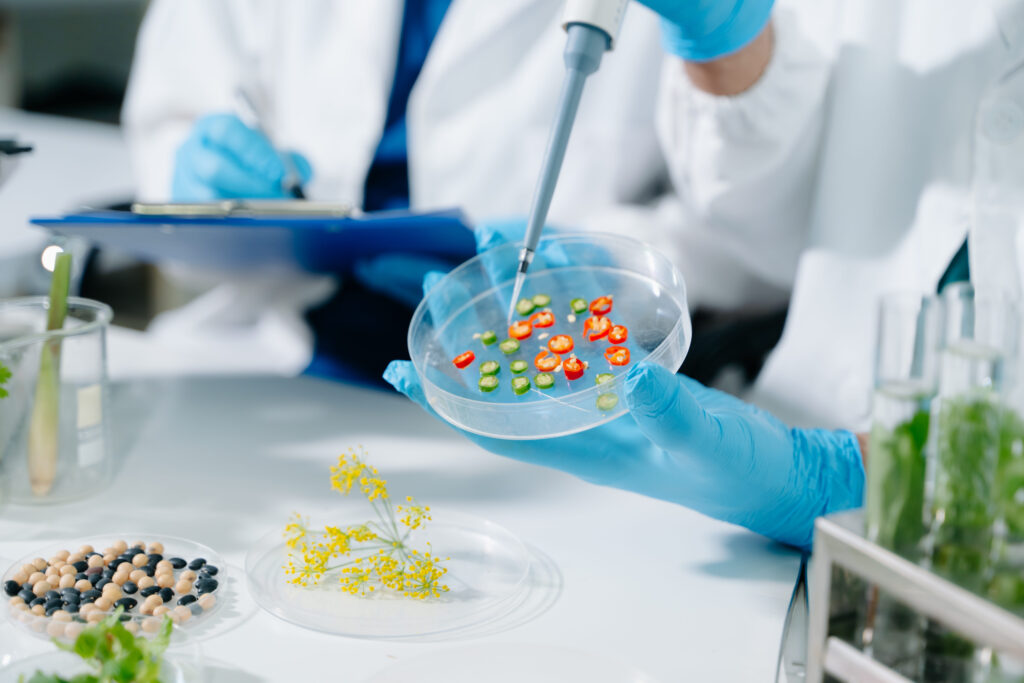
A new review of global health data and decades of scientific research found no consistent evidence that GMO consumption is linked to major human health problems. Researchers in South Korea found no causal association between GMOs and cancer, allergies, reproductive disorders, or chronic disease, concluding that current epidemiological evidence does not support claims of significant health risks from GMO foods.
Embrapa Introduces New Bean Cultivars Focused on Productivity, Risk Reduction, and Market Quality
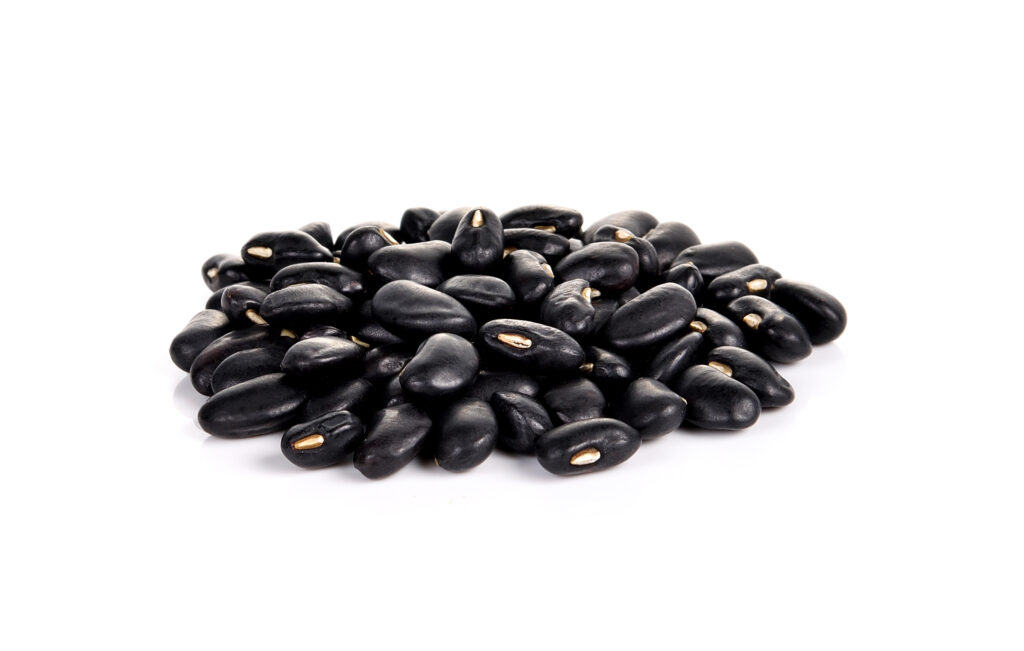
Embrapa Arroz e Feijão, based in Santo Antônio de Goiás (GO), has introduced a new group of bean cultivars designed to address practical demands across the production chain — from […]
How Disconnected Systems Increase Risk in Seed Companies

Disconnected spreadsheets and siloed systems make seed businesses harder to run, limiting visibility across production, sales, contracts, and inventory. As volume grows, outdated information increases risk, inefficiency, and margin pressure. A connected, industry-specific system gives teams one real-time view of the business, improving planning, reducing errors, and helping seed companies make faster, more confident operational decisions.
Active Collaboration Will Drive Biologicals Adoption
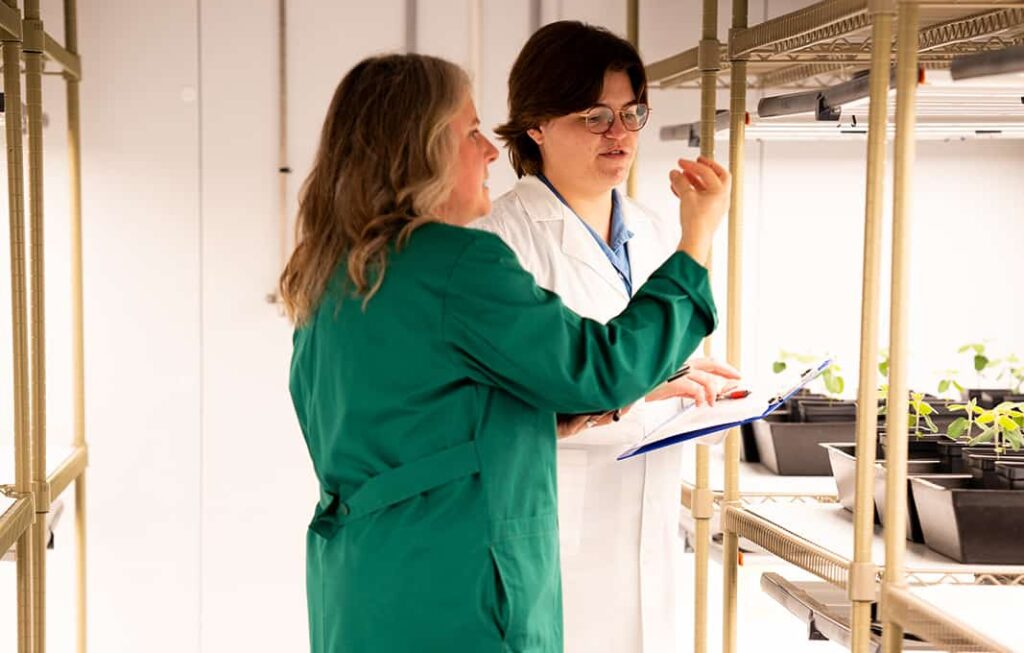
Agriculture innovation now depends on collaboration, not silos. Jord BioScience highlights how integrated biologicals, chemistry, seed technologies, and microbial solutions can deliver consistent, repeatable farmer results. Backed by multi-state field data, strong win rates, and ROI gains in corn and soy, Jord’s partnership-driven model is accelerating agricultural biological innovation, product commercialization, and sustainable crop performance for 2026.
Canada’s Wheat Breeding System Cannot Stay Status Quo, Leaders Warn in New Webinar
Watch our discussion around AAFC cuts and farmer-funded research, which points to the need for structural change in Western Canada’s breeding ecosystem
The Show Me State is Ground Zero in the Fight Against Soybean Cyst Nematode
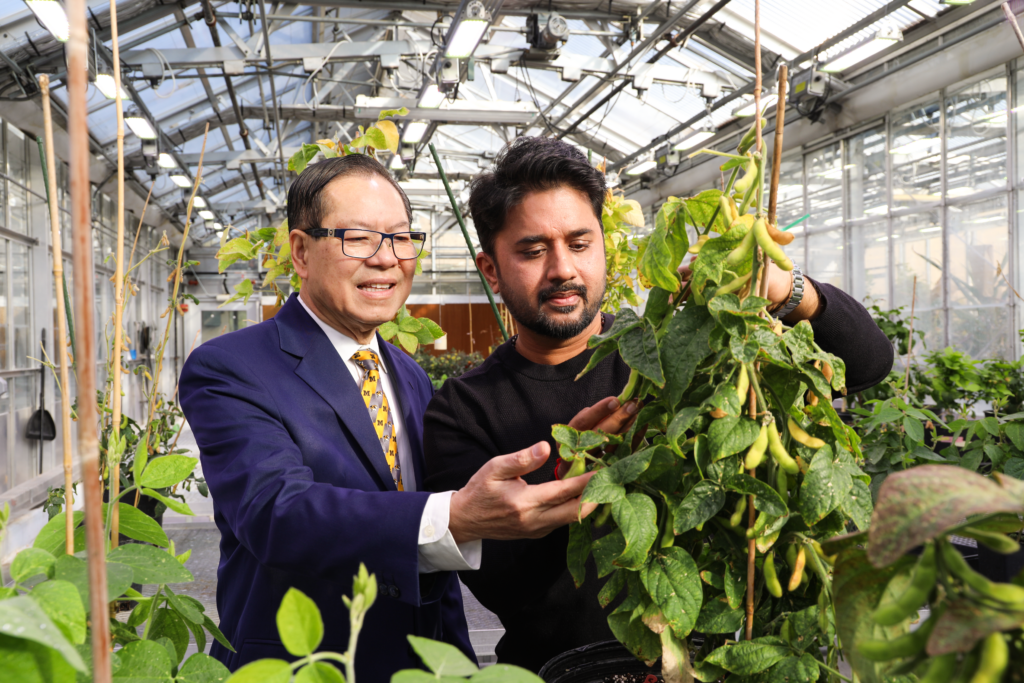
By analyzing over 1,100 soybean genomes, scientists uncovered new sources of SCN resistance that could help breeders build more durable protection for future varieties.
Embrapa presenta nuevos cultivares de frijol enfocados en la productividad, la reducción de riesgos y la calidad del mercado
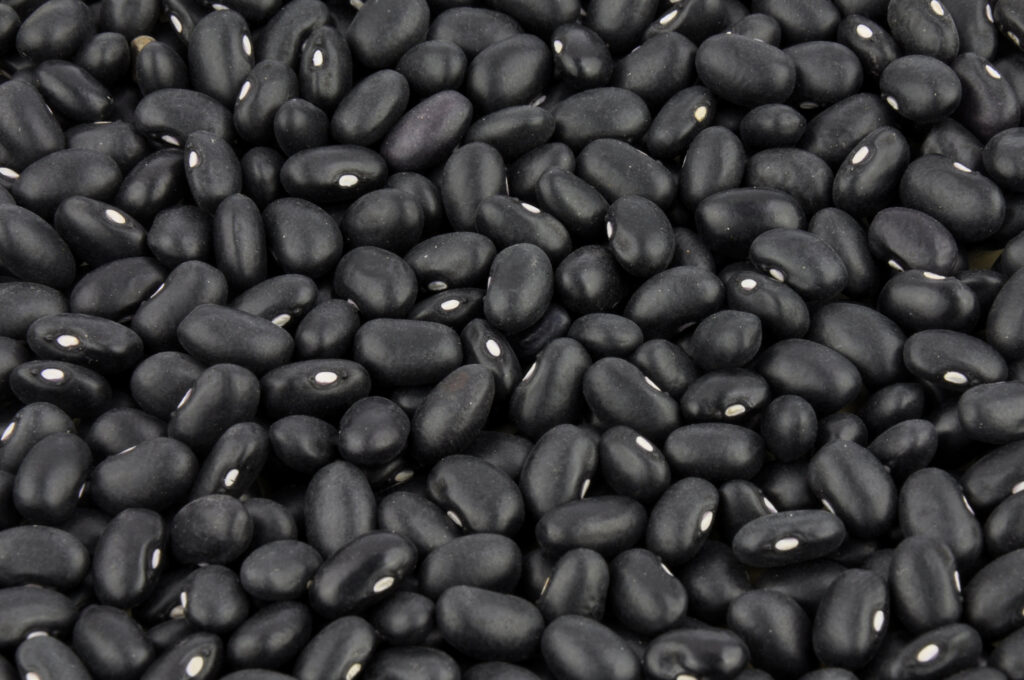
Embrapa Arroz e Feijão lanzó a inicios de 2026 cuatro nuevos cultivares de frijol para aumentar productividad, reducir riesgos agronómicos y mejorar la calidad comercial. En carioca, BRS ELO FC424 destaca por alto rendimiento y BRS ELO FC429 por oscurecimiento lento, con mayor vida útil y mejor venta. En frijol negro, BRS FP426 aporta estabilidad en ambientes de riesgo y BRS FP327 combina precocidad con altos rendimientos.
New Gene Discovery Could Help Breed Hardier, Higher-yielding Faba Beans

Faba bean, an ancient high-protein crop and sustainable European soy alternative, may soon become more frost-resilient. Researchers improved the faba bean reference genome and identified a single gene locus linked to winter hardiness, frost tolerance, and yield stability. The discovery could speed breeding of robust winter field beans, boosting yields by up to 50% and reducing protein import dependence.