

Strengthening Canada’s Variety Development Pipeline Through Private-Sector Innovation
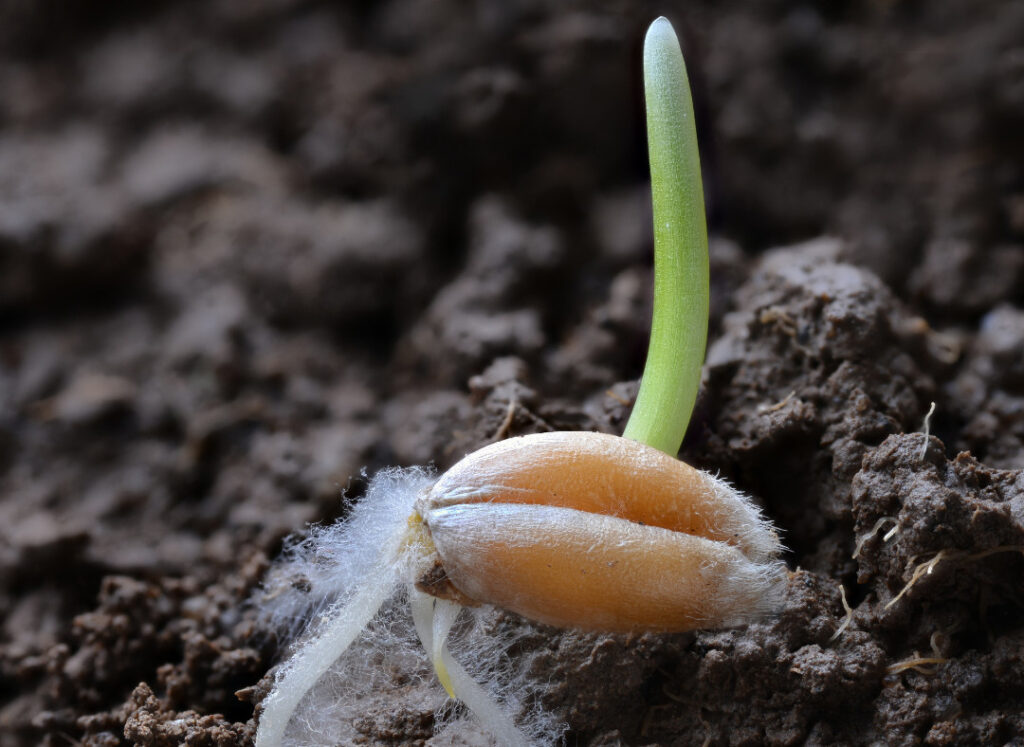
The variety‑breeding landscape in Canada is undergoing a profound transformation. For decades, public research programs have formed the backbone of crop improvement efforts across the country. Today, many of these programs are […]
Can We Breed a Safer Peanut?
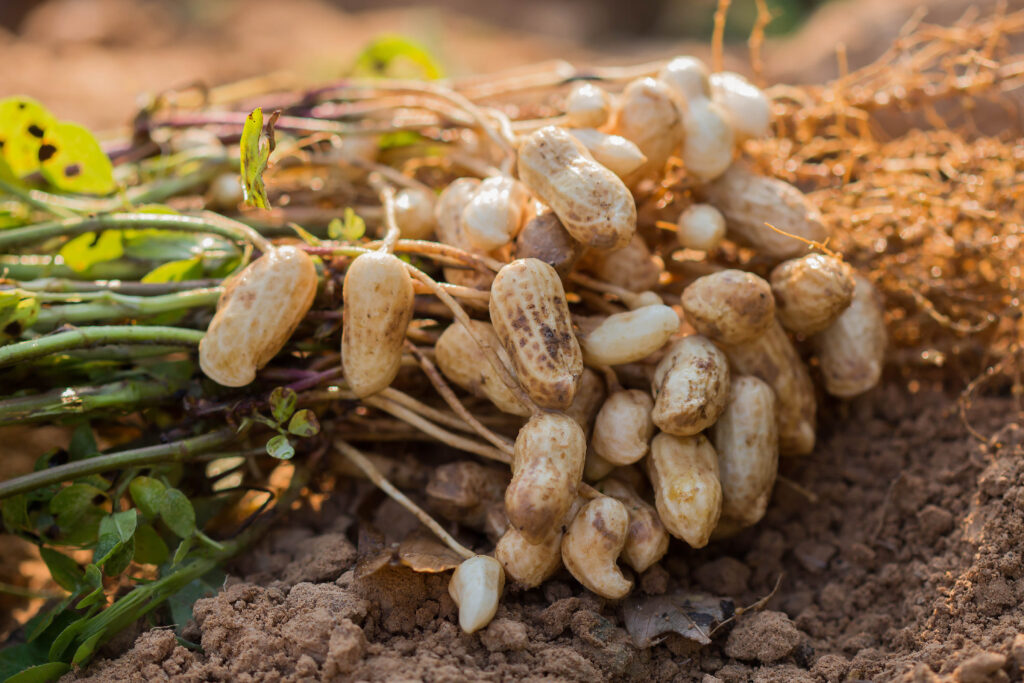
Can peanut breeding reduce allergen proteins without sacrificing performance? Clemson scientists are stacking genetics and gene editing to find out.
Inside J.S. Henry & Son’s New Seed Plant: Lessons Learned Building a Third-Generation Processing Facility
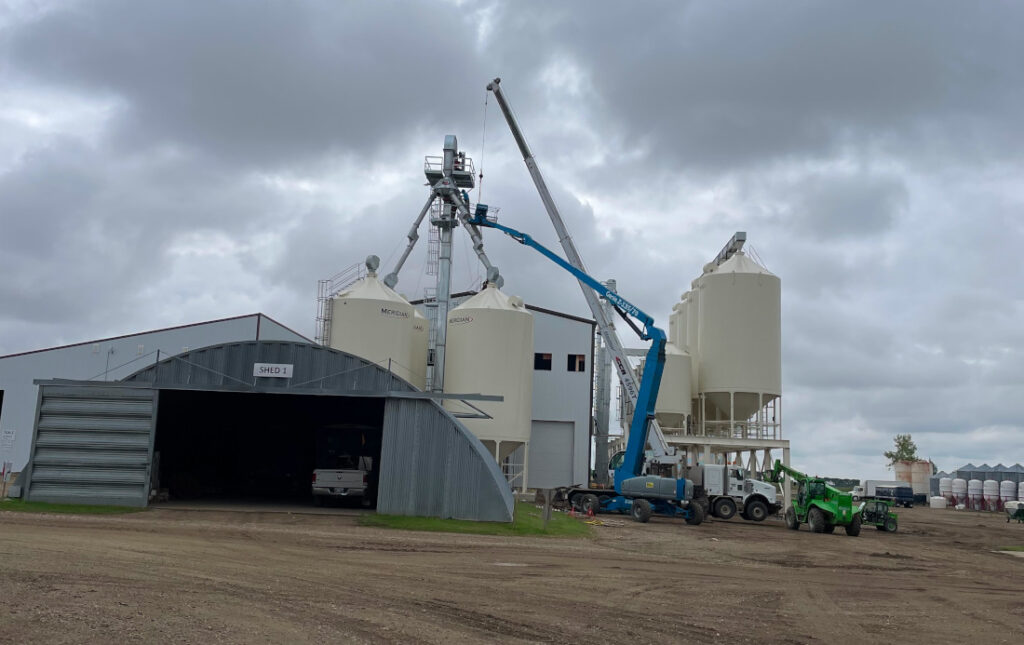
Standing in a new seed processing facility for the first time is equal parts pride and pressure. Pride, because years of planning have finally taken physical shape. Pressure, because the […]
Canadian Seed Industry Warns of Lost Year in Crop Breeding and Field Trials

Public-private seed development system faces mounting pressure, raising concerns about lost field data, disrupted breeding cycles and long-term yield gains
Estudio en Paraná muestra aumentos de productividad con la coinoculación de soja
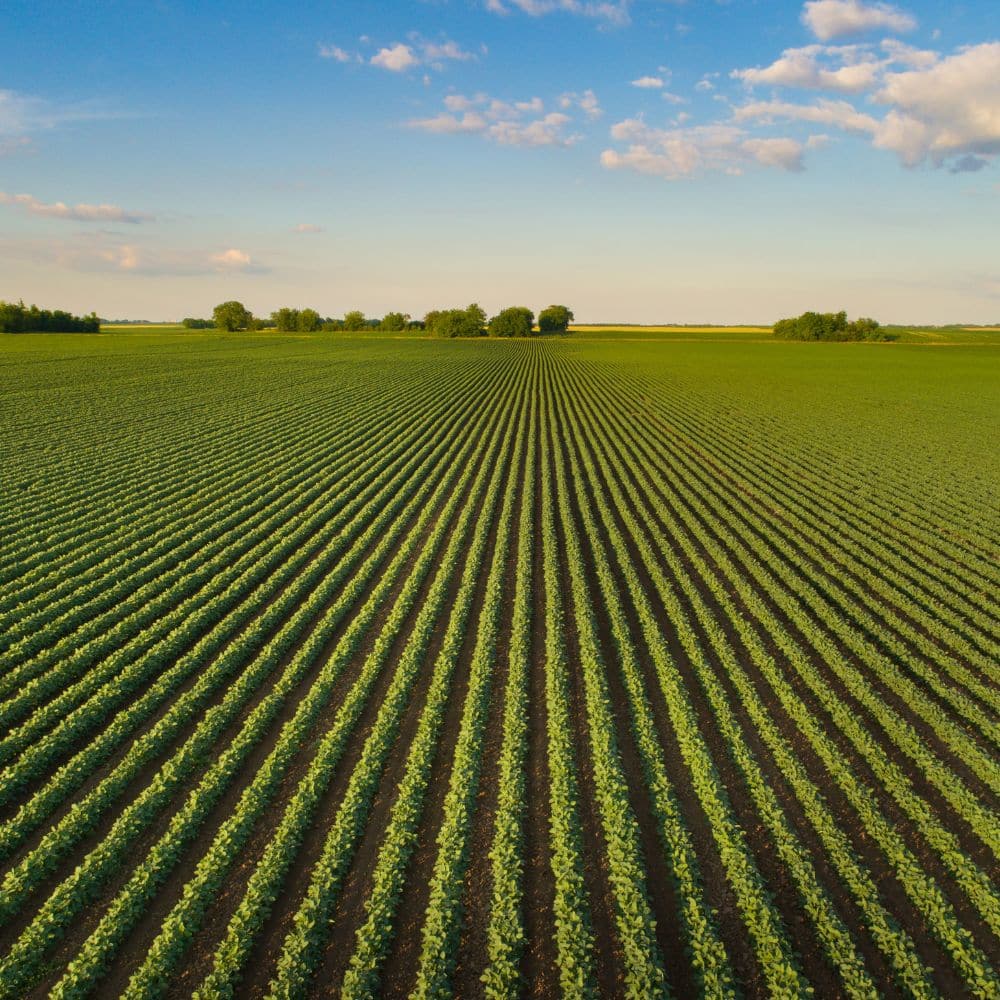
Un estudio en Paraná de Embrapa Soja e IDR-Paraná muestra que la co-inoculación de semillas de soja mejora la productividad de forma consistente. Diez años de validación en Unidades de Referencia Tecnológica en campos comerciales registraron un aumento promedio de 8,33% al combinar Bradyrhizobium y Azospirillum, fortaleciendo la fijación biológica de nitrógeno. En 2024/2025, promedió 3.916 kg/ha, superando áreas sin inoculación y medias estatal y nacional.
Selling Abundance in a World Addicted to Scarcity
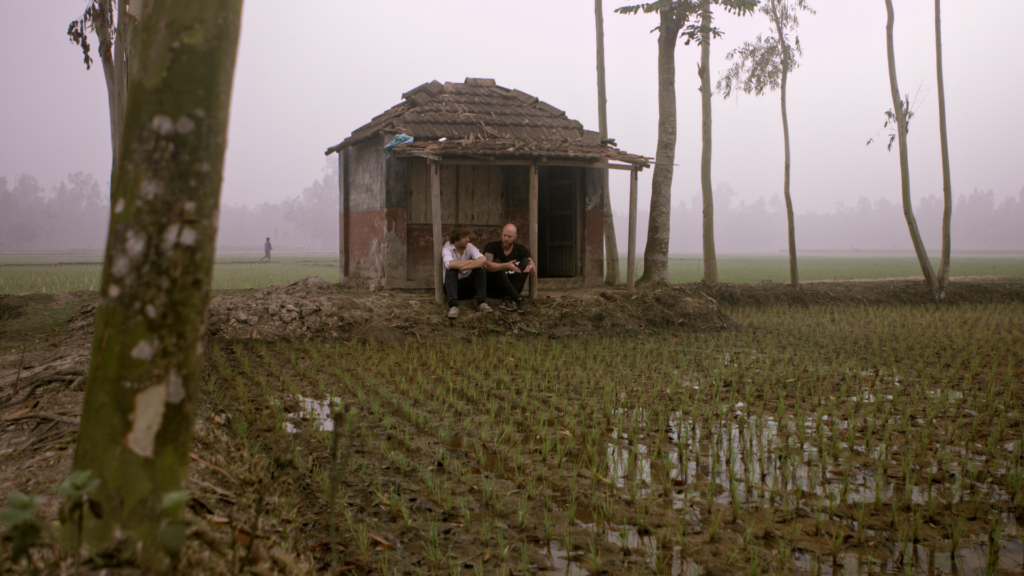
Part 2 explores Hidde Boersma’s techno-optimistic vision for sustainable agriculture, highlighting WePlanet, ecomodernism, CRISPR, land sparing and high-yield farming. It examines how storytelling, film and culture reshape debates on biotechnology and the seed sector. The article argues that abundance, innovation and science-based policy can redefine sustainability, biodiversity protection and Europe’s agricultural future.
Concepts For Your Seeds
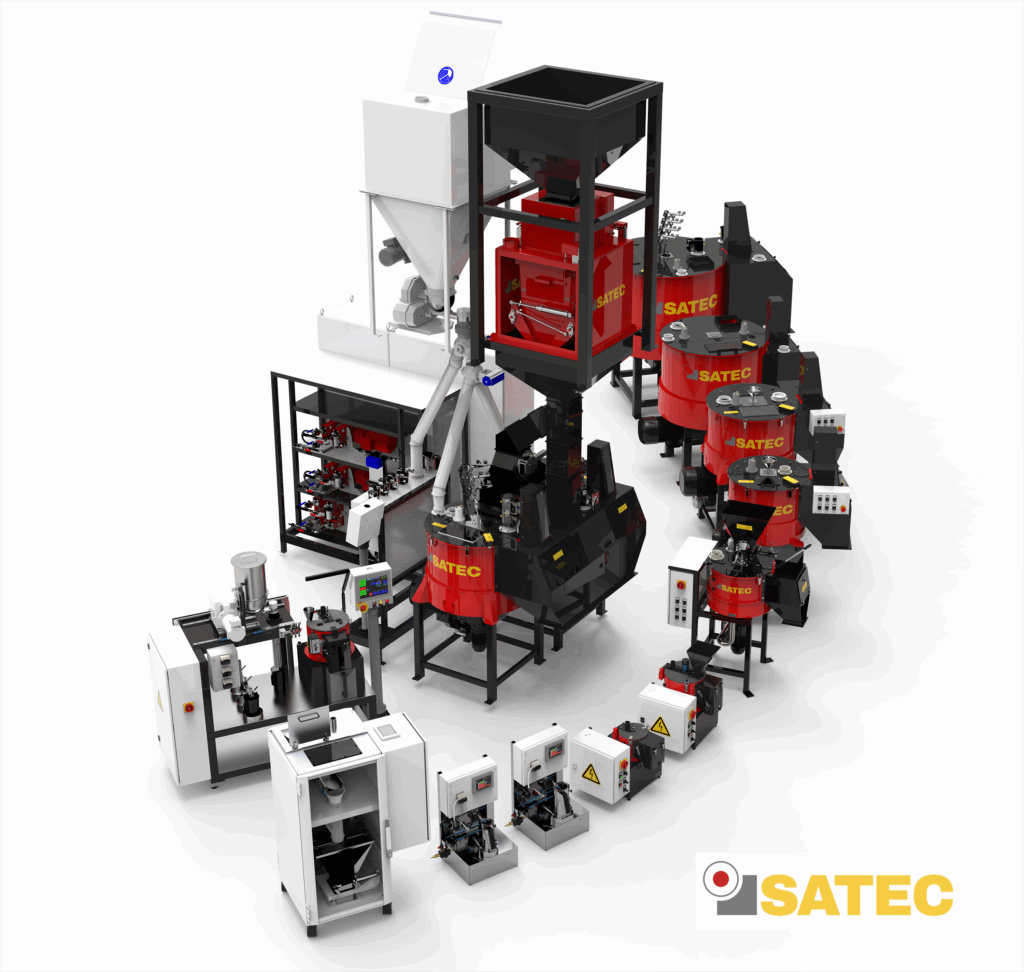
For more than 40 years, SATEC® has offered you the perfect combination of technique, chemicals and experience to treat your seeds referring to their high quality. You get specific and individual […]
Gene Expression VS Soybean White Mold
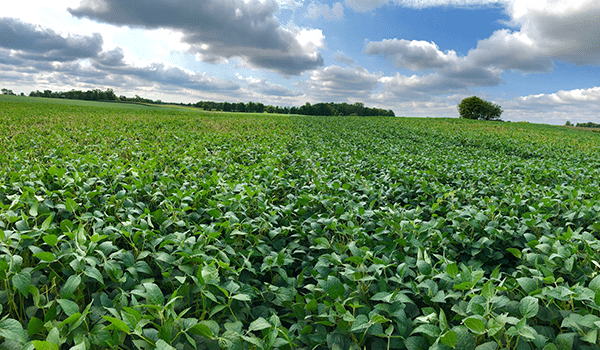
Heads Up® helps soybean growers manage unpredictable disease pressure with proactive, full-season protection starting at germination. Unlike narrow fungicide seed treatments and timing-sensitive foliar sprays, this non-living biological plant activator primes systemic acquired resistance (SAR), strengthening natural plant defenses for broad-spectrum suppression. Backed by 20+ years of third-party data and trusted on 12+ million acres annually, it’s easy-to-use, low-cost “insurance.”
New Review Advances Precision Gene Insertion in Corn

A new review highlights advances in precision gene insertion in corn, focusing on site-specific transgene integration and genomic “safe harbors.” Led by GCCRC researchers, the study explains how next-generation genome editing tools can reduce randomness, improve gene stability, and lower development costs. The approach supports faster creation of drought-tolerant, climate-resilient corn varieties with greater regulatory predictability and efficiency.
Nueva revisión avanza en la inserción precisa de genes en maíz
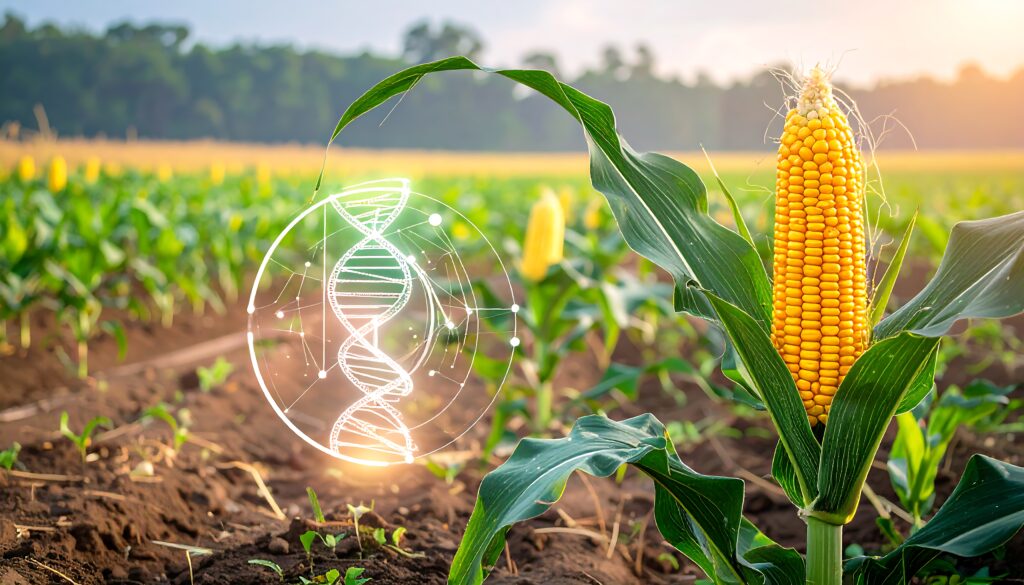
Una nueva revisión destaca avances en la inserción precisa de genes en maíz, centrada en la integración específica y los “sitios seguros” genómicos. Liderado por investigadores del GCCRC, el estudio explica cómo herramientas de edición genética reducen la aleatoriedad, mejoran la estabilidad y disminuyen costos. El enfoque impulsa el desarrollo más rápido de maíz tolerante a sequía y resiliente al clima.
Early Release of EuroBlight Blight Monitoring Results for the 2025 Potato Crop
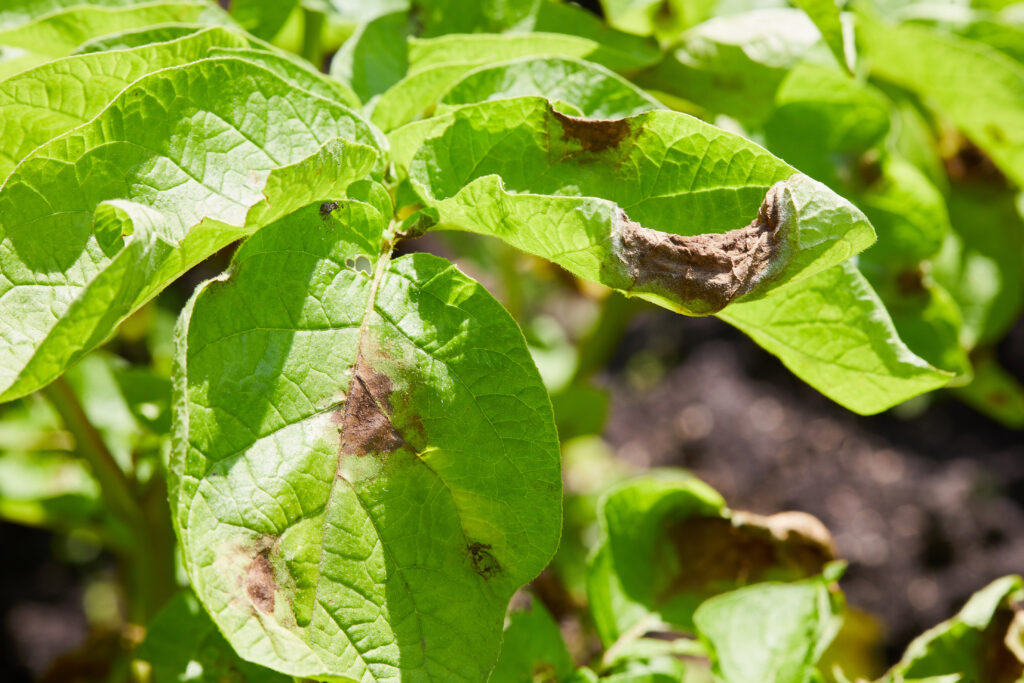
EuroBlight’s first 2025 potato season results show Europe’s late blight population remains dominated by the aggressive EU36 genotype, while EU43 and EU46 strains continue shifting regionally. More than 1,200 samples were genotyped, revealing rising diversity in northern and eastern Europe. Adjusted fungicide strategies have helped suppress resistant strains, but late blight still causes major economic losses across Europe and worldwide.
LETTER TO THE EDITOR: Fiscal Discipline Should Target AAFC Overhead — Not High-Return Research
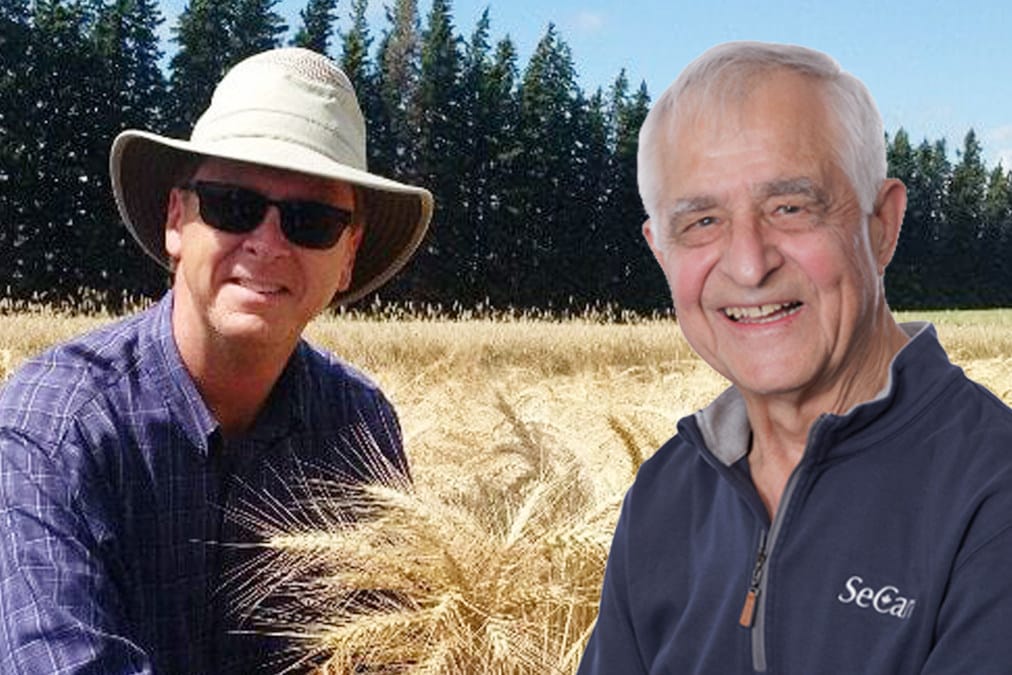
Two wheat breeding legends say cutting front-line science that delivers some of the highest returns of any public investment is short-term thinking.
Federal Budget Cuts Put Canada’s Wheat Breeding System at Risk, New Report Warns
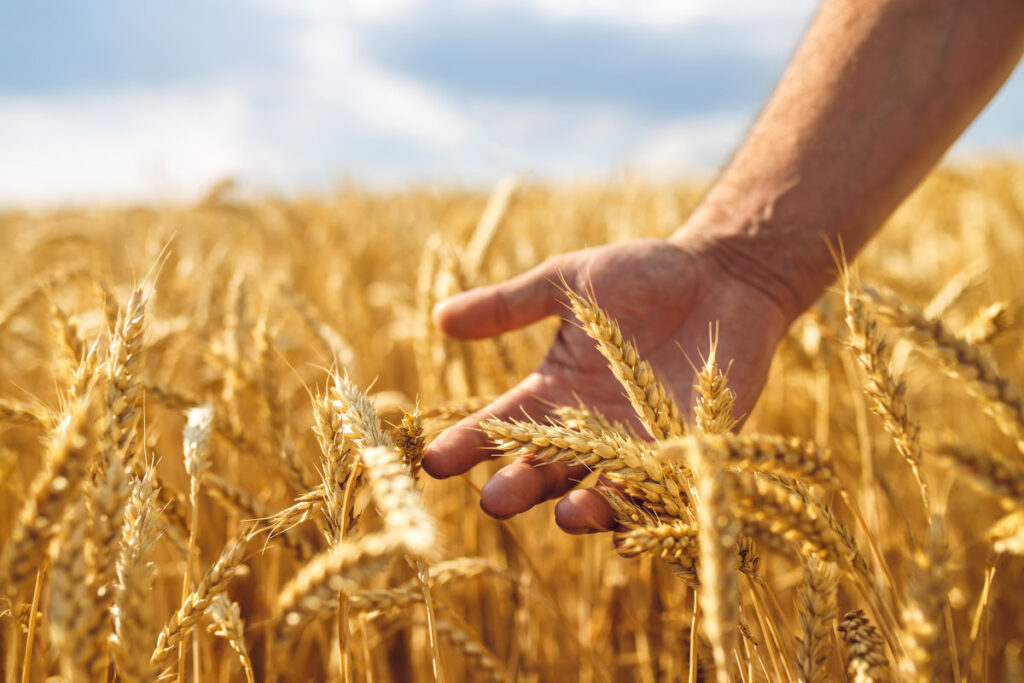
A new report released today by the Canadian Wheat Research Coalition warns that Canada’s wheat breeding innovation system is facing “critical gaps and risks”
Plant Hormone Therapy Could Help Crops Fight Disease Without Sacrificing Yield
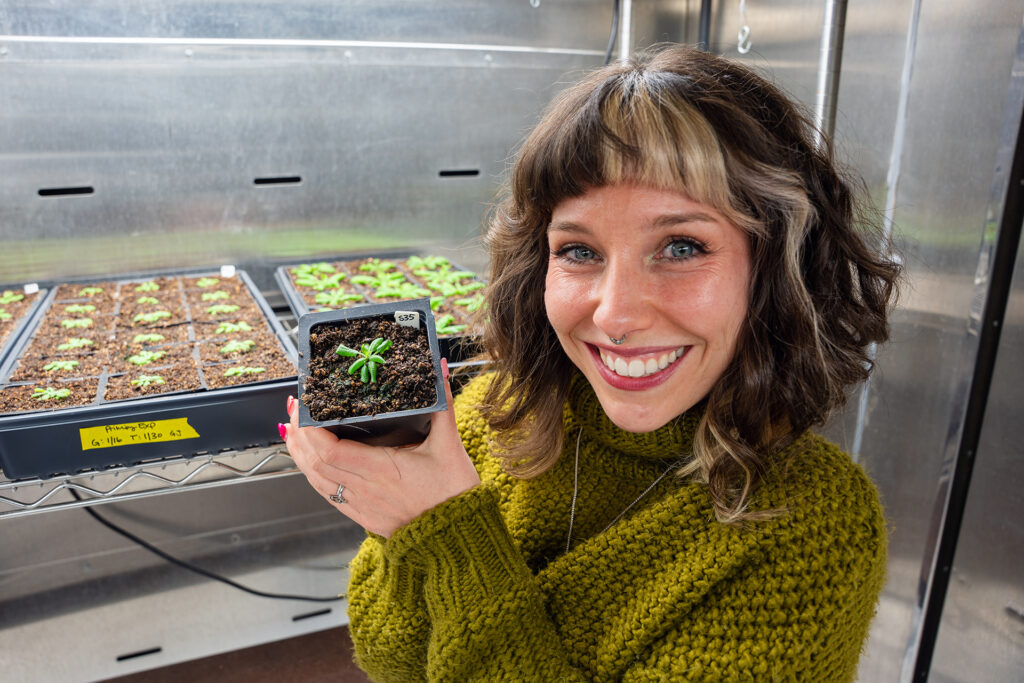
Colorado State University research shows plant hormone therapy can maintain growth while crops defend against disease, offering potential gains in wheat corn and soybean yield with reduced reliance on pesticides and inputs.
Genebanks from Africa, Asia and Europe Safeguard Crops in Svalbard
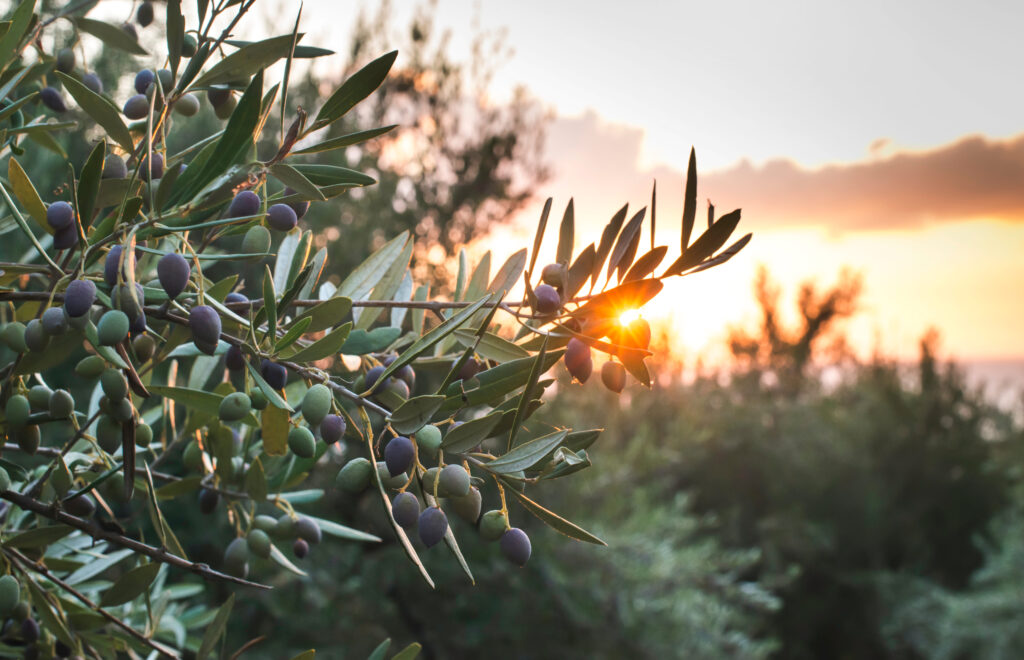
The Svalbard Global Seed Vault marked its first 2026 deposit, securing 7,864 seed samples from 10 genebanks across Africa, Asia, Europe and the Americas. First-time contributions came from Guatemala and Niger, alongside the vault’s first-ever olive seeds. The deposit brings the total conserved crop diversity in Svalbard to 1,386,102 samples, strengthening global food security.
Seed Regulatory Modernization: Where Industry Aligns — and Where it Pushes Back

Momentum builds for Canada’s seed regulations overhaul as the CFIA releases its SRM What We Heard Report. Now comes the hard part
Chilean Research Identifies Molecular “Switch” Behind Plant Drought Resilience
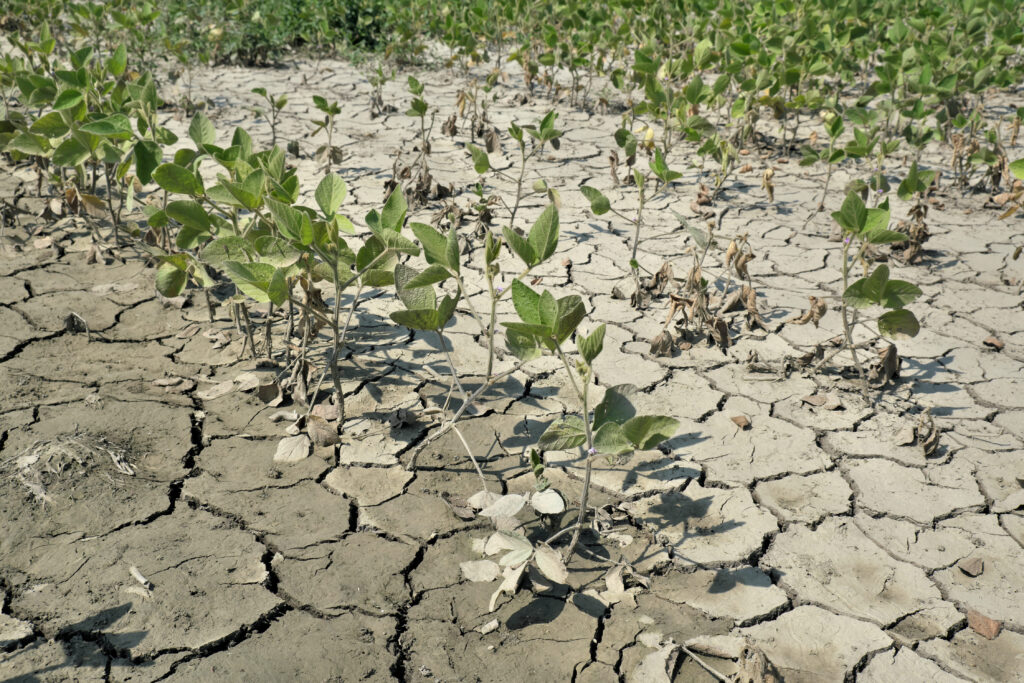
Chilean researchers report a molecular “switch” that helps plants balance growth and drought survival. Published in PNAS, the study identifies the protein NLP7 as a key regulator: it activates growth genes when nitrogen is available but should be restrained under water stress. Disabling NLP7 led to earlier stomata closure, less water loss, and improved drought tolerance—guiding future resilient crop strategies.
Dirty Ships, Lifted Embargoes and the Hidden Power of Grain
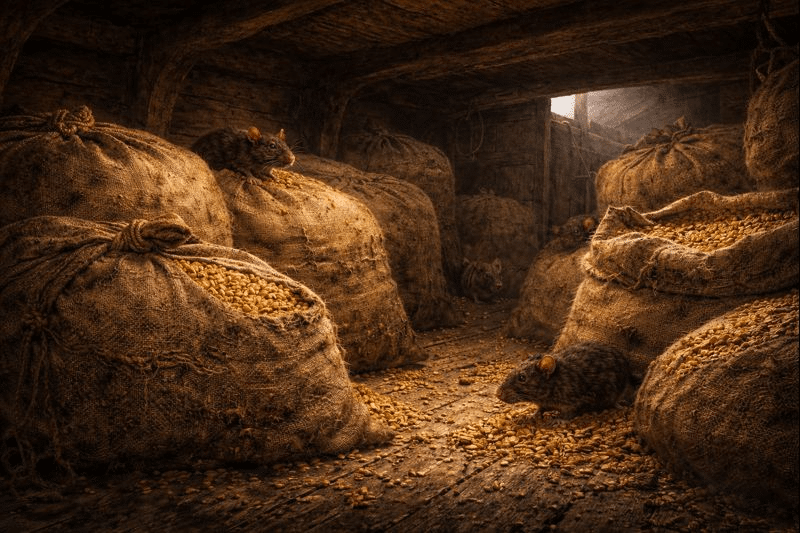
This article examines how climate-driven famine and uninspected grain trade helped spread the Black Death, drawing parallels to today’s risks from illegal and counterfeit seeds. It highlights how uncertified seed trade bypasses biosecurity, inspection and traceability, threatening agriculture, farmers and the environment. Strong seed certification and enforcement are essential to prevent pests, diseases and economic losses.
Three Travel Hacks to Keep You Focused During Work Travel

Winter is conference and travel season—when seed industry leaders plan and contract for the critical summer selling window. Every meeting can grow your business, improve margins, and build partnerships, so staying sharp matters. These three travel hacks help you stay fresh, focused, and fit: prioritize consistent sleep with a white-noise machine, upgrade mornings with a portable mini espresso maker, and reset your energy with daily walks or runs. Bring your best to every conversation.
Study Warns of Rising Heat Risks for Global Wheat Yields

New research from Rothamsted Research suggests heatwaves during wheat flowering may soon pose a bigger threat to yields than drought. Using climate projections and the Sirius wheat model, researchers found drought impacts at flowering may ease slightly, while heat stress damage rises sharply. By 2050, global yield losses linked to extreme heat at flowering could increase by about one-third, and by 2090 by over three-quarters—highlighting the need for heat-tolerant varieties.
A Viral Shortcut? New Gene-Editing System Could Remove a Major Breeding Bottleneck

New research in Nature Plants explores a viral gene-editing delivery system that produces heritable, transgene-free edits in plants, offering a potential path to faster breeding and reduced reliance on tissue culture if the approach translates across crops.
From Kernel to Code: Apply to the InnovAction Stage 2026

Euroseeds is launching the InnovAction Stage 2026—calling visionary start-ups and public–private partnerships to showcase game-changing seed sector innovations. Under “From Kernel to Code,” applicants can submit solutions in seed treatment, sustainable packaging, labelling, traceability, and digital tools boosting transparency and trust. Applications run 1 March–30 April 2026. A jury will select 10 finalists to pitch at Euroseeds Congress, Valencia, 26–27 October 2026.
Investigación chilena identifica un mecanismo molecular que impulsa la resiliencia de las plantas a la sequía
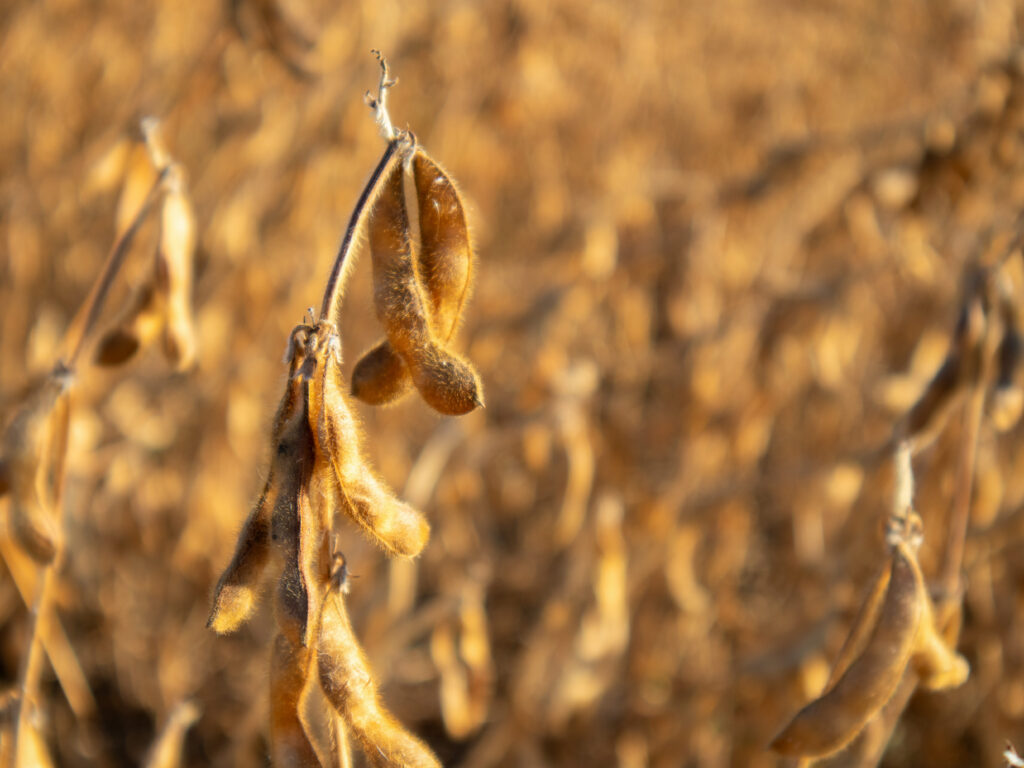
Investigadores chilenos describen un “interruptor” molecular que ayuda a las plantas a equilibrar crecimiento y supervivencia ante sequía. Publicado en PNAS, el estudio identifica la proteína NLP7 como regulador clave: activa genes de crecimiento con nitrógeno disponible, pero debe frenarse bajo estrés hídrico. Al desactivar NLP7, las plantas cerraron antes los estomas, perdieron menos agua y resistieron mejor la sequía.
Boosting Soil Carbon Through Smarter Miscanthus Selection
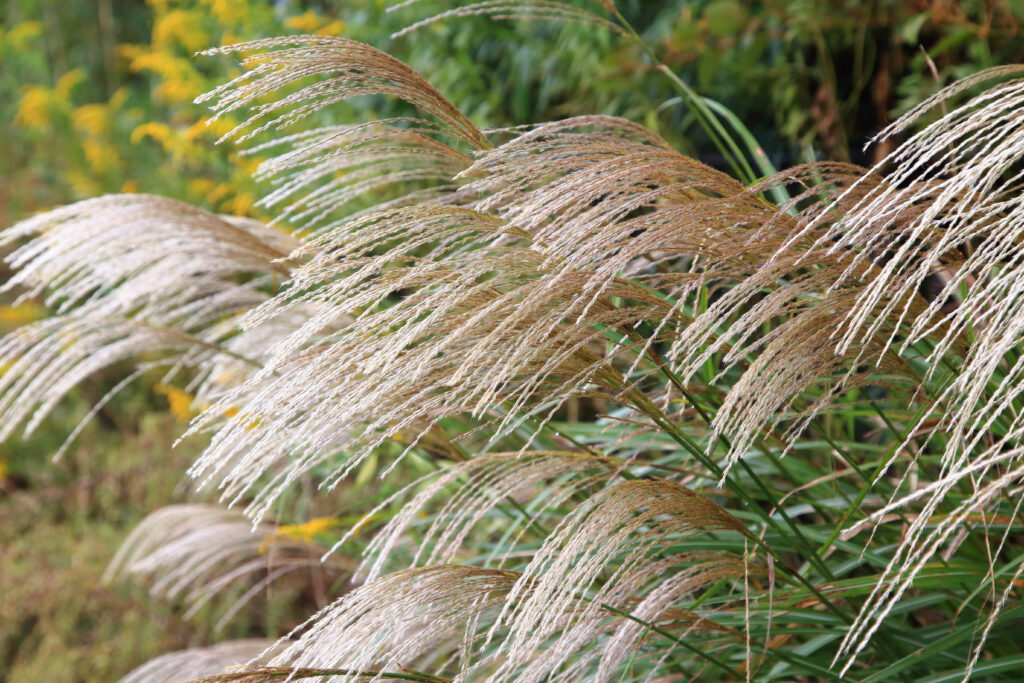
Aberystwyth University researchers report new Miscanthus traits that could boost soil carbon storage, helping climate change mitigation. Published in Frontiers in Plant Science, the study analysed leaves, roots, and rhizomes from 11 varieties. Results suggest woody rhizomes can push carbon deeper into stable soil layers, while lower-lignin roots support carbon near the surface. The findings guide breeding of high-yield Miscanthus with stronger climate benefits.
Inside Doug Miller’s 15-Year Tenure at CSGA: SRM, Innovation and Digital Transformation

From controversial digitization to regulatory reform, Miller’s 15-year tenure changed how Canada’s seed certification system operates
Motivation Isn’t Broken. Our Jobs Are.

People aren’t unmotivated. They feel like their work isn’t moving the needle. They are burned out.
Large-Scale DNA Variants Drive Cucumber History, Study Finds
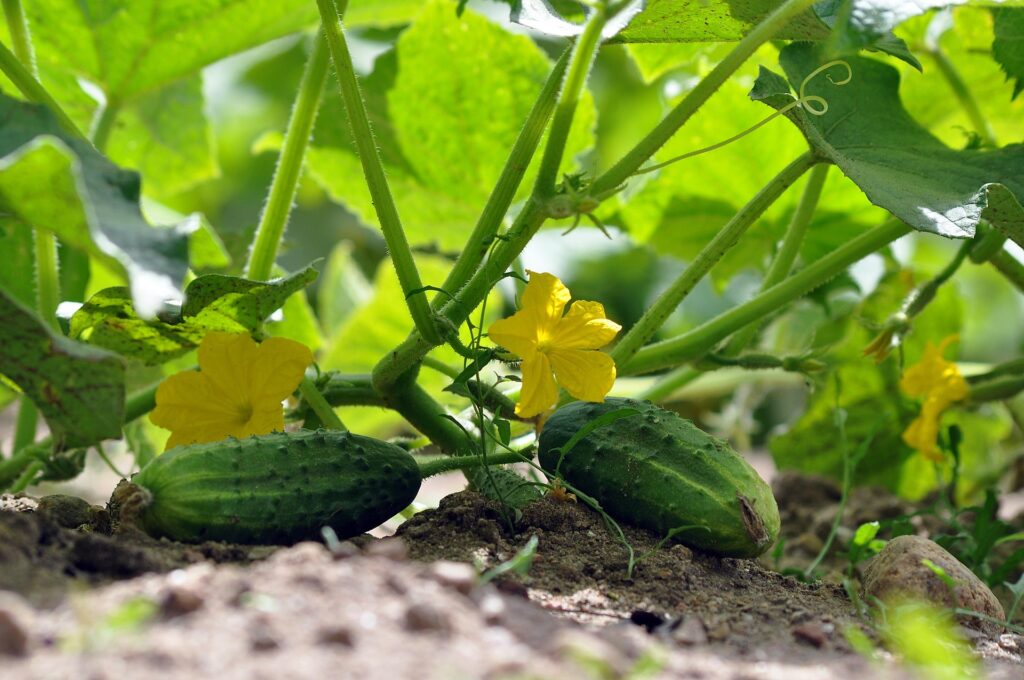
A new Nature Genetics study led by Boyce Thompson Institute’s Zhangjun Fei reveals that large DNA “structural variants” play a major role in cucumber evolution and breeding. Using a graph-based pangenome built from 39 high-quality genomes, researchers identified nearly 172,000 variants affecting traits like fruit shape and hollowness. The resource helps breeders predict performance, reduce harmful genetic baggage, and accelerate development of resilient, high-quality cucumber varieties.
Brazil at the Forefront of AI-Driven Soybean Yield Prediction
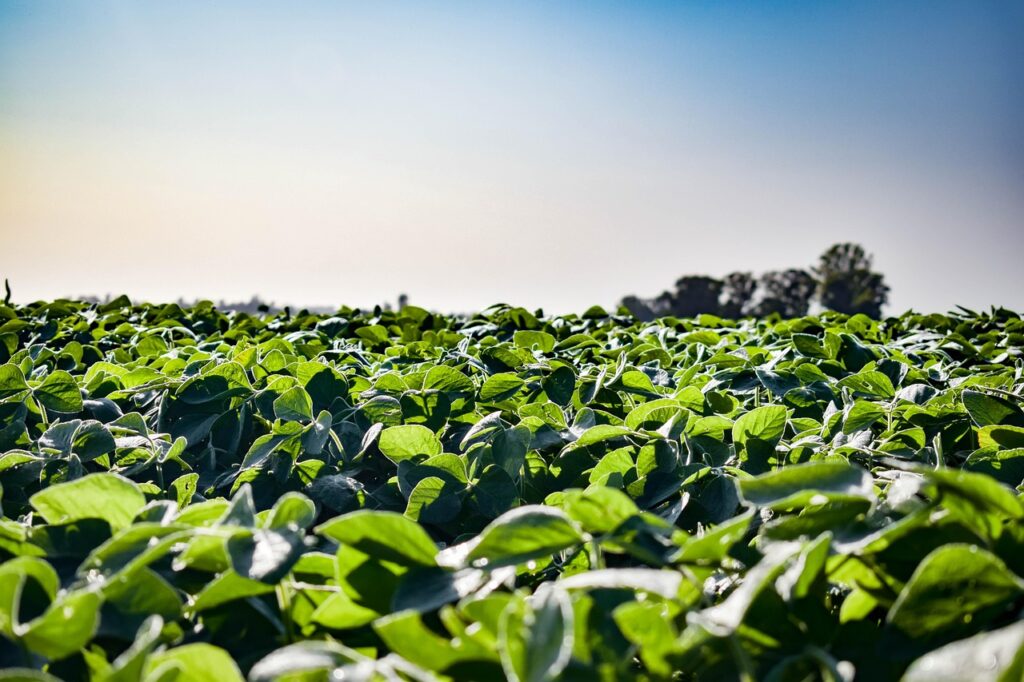
Brazil leads AI-driven soybean yield prediction by applying transfer learning. Researchers adapted a U.S.-trained model to Brazilian conditions using limited state or municipal data, improving cross-scale prediction from 50% to 78% of the theoretical best. The approach addresses data scarcity, supports market forecasting, sustainability analysis, and risk assessment, and offers a scalable pathway for global food security and climate-resilient agriculture.
Brasil a la vanguardia de la predicción del rendimiento de la soja basada en IA
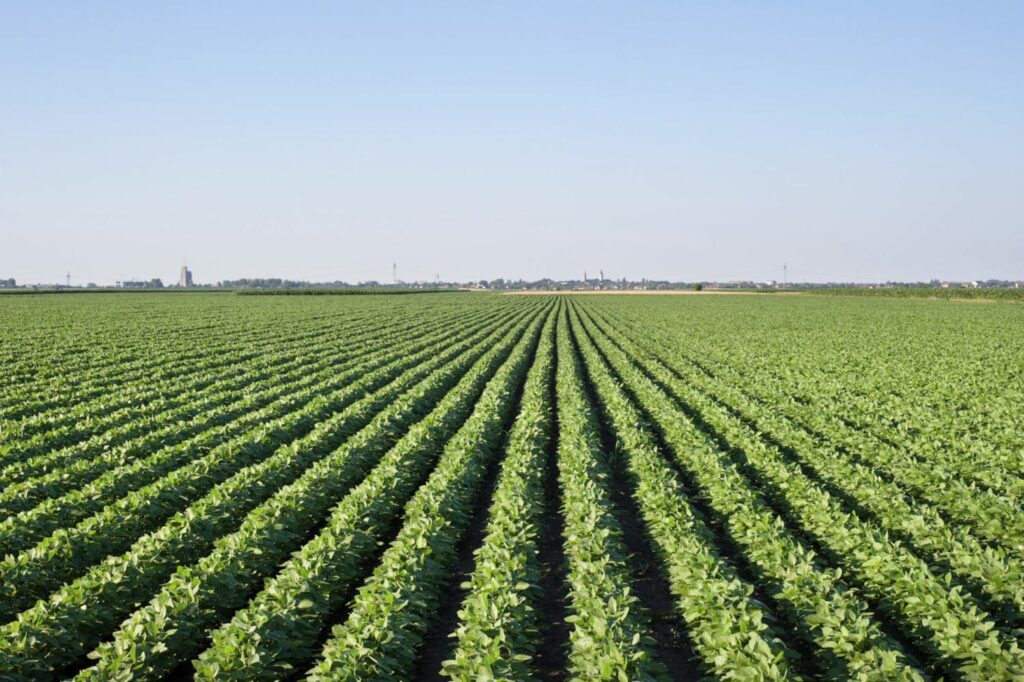
Brasil lidera la predicción del rendimiento de soja impulsada por IA mediante aprendizaje por transferencia. Los investigadores adaptaron un modelo entrenado en EE. UU. a condiciones brasileñas usando datos limitados estatales o municipales, elevando la predicción multiescala del 50% al 78% del límite teórico. El enfoque reduce la escasez de datos, mejora pronósticos de mercado y sostenibilidad, y apoya seguridad alimentaria y gestión del riesgo climático.
Harnessing Technology to Protect the World’s Crop Diversity

The Crop Trust has launched Securing Our Seeds (SOS), a USD 2 million Google.org-backed initiative to modernize global crop diversity conservation. The project will digitize genebanks using GRIN-Global software, integrate data with the Genesys portal, and strengthen digital skills. SOS will also explore AI-powered early warning systems to detect biodiversity loss, improving food security, climate resilience, and sustainable agriculture worldwide.
Gene Editing Is Getting Faster. Commercialization Still Isn’t
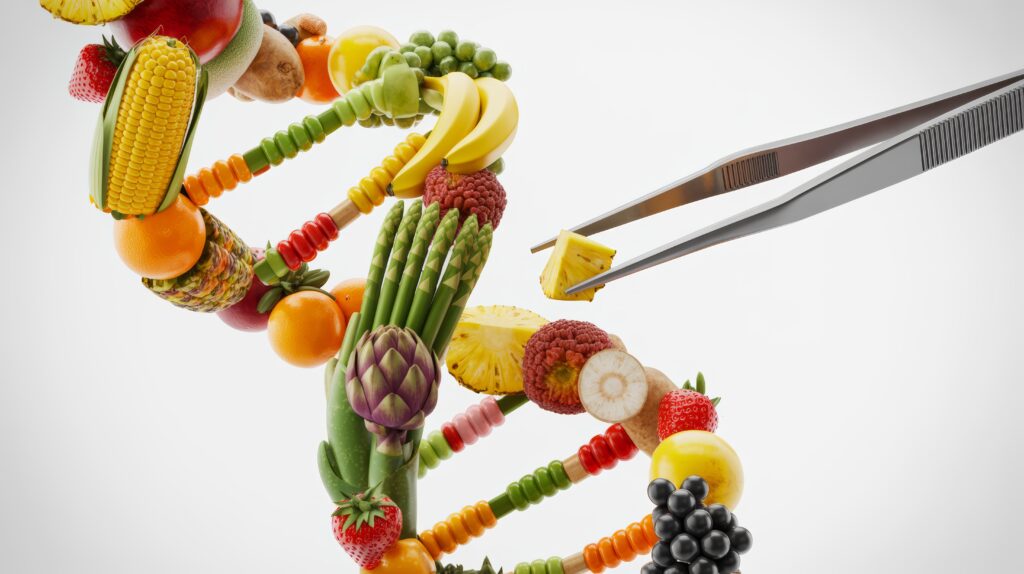
The seed industry is now at a point that is past CRISPR breakthrough. Commercialization is still a big hurdle.
AAFC Research Station Closures Trigger Emergency Study in Ottawa

Closures in Ontario, Quebec, Nova Scotia, Manitoba, Alberta, and Saskatchewan are now under scrutiny by the House ag committee
Freshness, Flavor And Trust: The Market Signals Guiding The Next Wave Of Seed Development

Collaboration across the supply chain, from breeding programs to grocery shelves, is becoming the defining force behind future vegetable markets. The vegetable seed industry is entering a quieter, but more […]
Designed to Burn: Breeding Superhot Peppers
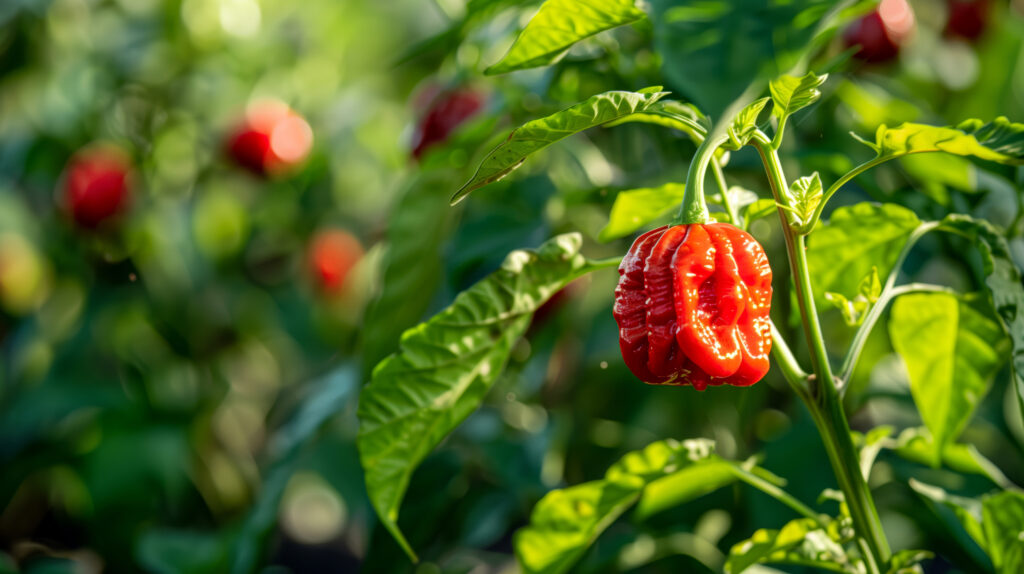
Ed Currie, inventor of the Carolina Reaper, has built a legacy breeding the hottest of hot peppers. What started as a backyard hobby has grown into a impactful career.
From Field to Fire: How Hot is Hot?

Superhot peppers take awhile to develop. The Scoville Scale is a great tool to know what’s hot and what’s not so hot.
New Research Reveals Camelina’s Climate Adaptation Potential
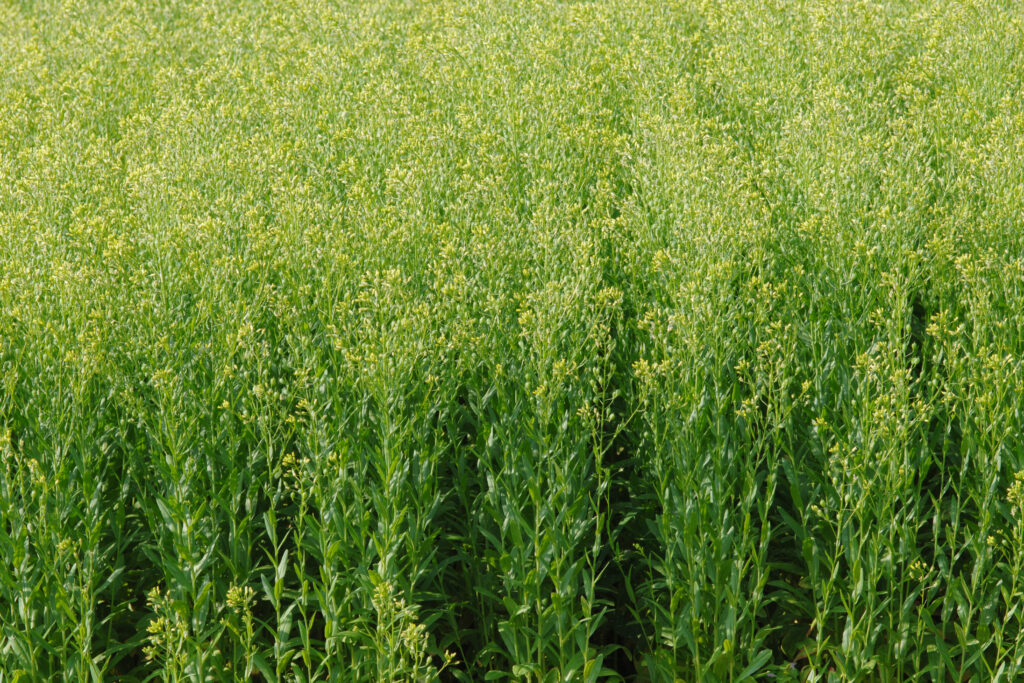
EU-funded UNTWIST research shows camelina (Camelina sativa) could help climate-proof agriculture as heatwaves and droughts intensify. Scientists tested 54 camelina lines across controlled environments and European field trials, finding wide variation in stress responses despite limited genetic diversity. Some lines used metabolic shifts, others physical traits, revealing high plasticity. Identified metabolites and fatty acids may guide breeding, while the UNTWIST Plant Adaptation Hub shares open datasets and tools.