

AI, Simulation, and the New Reality of Predictive Plant Breeding

Plant breeding has reached a data tipping point, with modern programs generating more multi-trait and multi-environment data than traditional analytics can handle. AI is closing the gap by accelerating selection decisions, managing complexity, and improving resource allocation across breeding cycles. Simulated field trials are a key breakthrough, using genetic and environmental data to predict performance across locations and stress conditions, guiding smarter field testing. AI supports breeders through augmentation, enabling faster, higher-confidence decisions and competitive advantage.
CRISPR Switch Boosts Wheat Yield and Resistant Starch
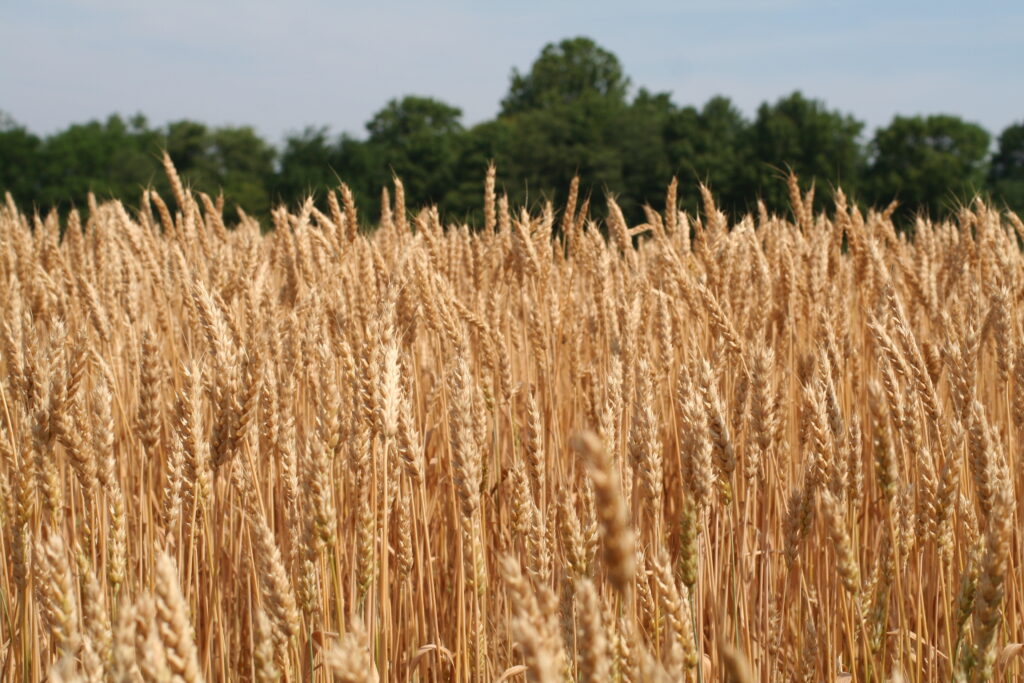
A Chinese study has identified TaJAZ1 as a key gene behind the wheat yield–nutrition trade-off. Using CRISPR to deactivate TaJAZ1, researchers produced wheat lines with significantly higher grain yield and nearly double the resistant starch content. Published in The Crop Journal (8 November 2025), the findings suggest a new genetic strategy to develop wheat varieties that are both more productive and healthier, supporting food security and metabolic health.
Syngenta Taps David Hoar to Lead Crop Protection Sales
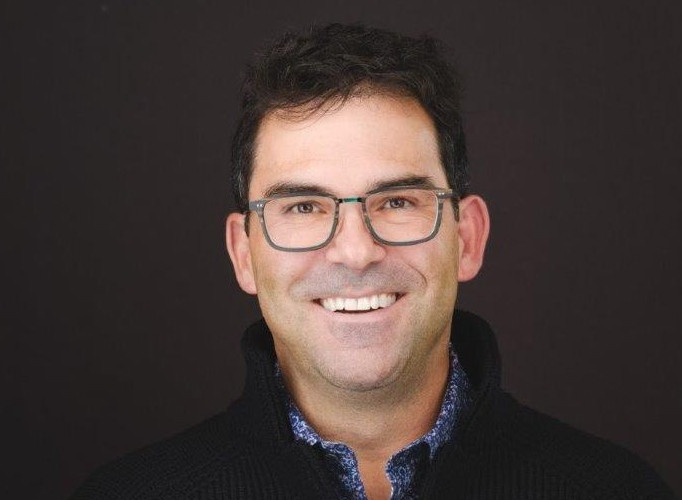
Hoar will oversee national sales and account management teams while serving on the company’s leadership team
The Wisdom of the Third Plant: What Processors Always Wish They’d Known Sooner

After 25 years designing seed plants, here are the hard-earned lessons that only come after building a third facility — and how to design smarter the first time. Most people […]
2026 Named International Year of the Woman Farmer
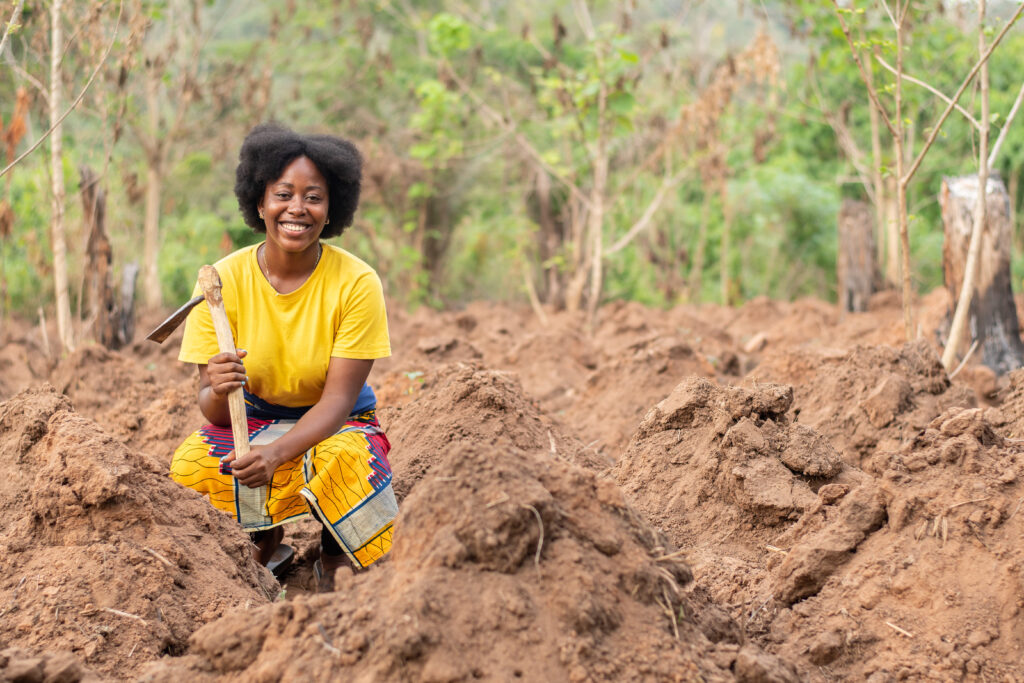
FAO has launched the International Year of the Woman Farmer 2026, a global campaign to recognise women’s essential contributions to agrifood systems and accelerate action to close persistent gender gaps. Proclaimed by the UN General Assembly, the initiative will drive policy reform, investment and partnerships throughout 2026. FAO, IFAD and WFP will coordinate activities to advance gender equality and strengthen resilient food systems worldwide.
CropLife Europe Calls for Faster, Science-Based EU Approval Processes
CropLife Europe said the European Commission’s Food and Feed Safety Omnibus is a chance to modernise EU crop protection approvals while maintaining strong consumer and environmental safeguards. It warned that no new conventional active substances have been approved in six years and the toolbox has shrunk by over 80 products. CropLife Europe urged science-based “green tape,” predictable timelines, and simplification for biological and conventional solutions.
Europe Moves Toward New Gene-Editing Rules as UK Leads Regulatory Shift

Europe’s crop biotech policy is shifting as New Genomic Techniques (NGTs), including gene editing, gain support for delivering climate-resilient, nutrient-rich, pest-resistant crops. Regulation remains fragmented: the UK has enacted a precision breeding pathway, the EU is in final NGT negotiations, and Switzerland is drafting a risk-based framework. An ISAAA press release explains how diverging rules will shape innovation, investment, and adoption by breeders and farmers across Europe.
Lorena Basso: Innovation Is Urgent to Feed 9.5 Billion by 2050

As incoming ISF president, Lorena Basso calls for faster breeding advances, AI-driven improvement, and more resilient crops amid climate pressure
El eslabón perdido en la cadena de valor
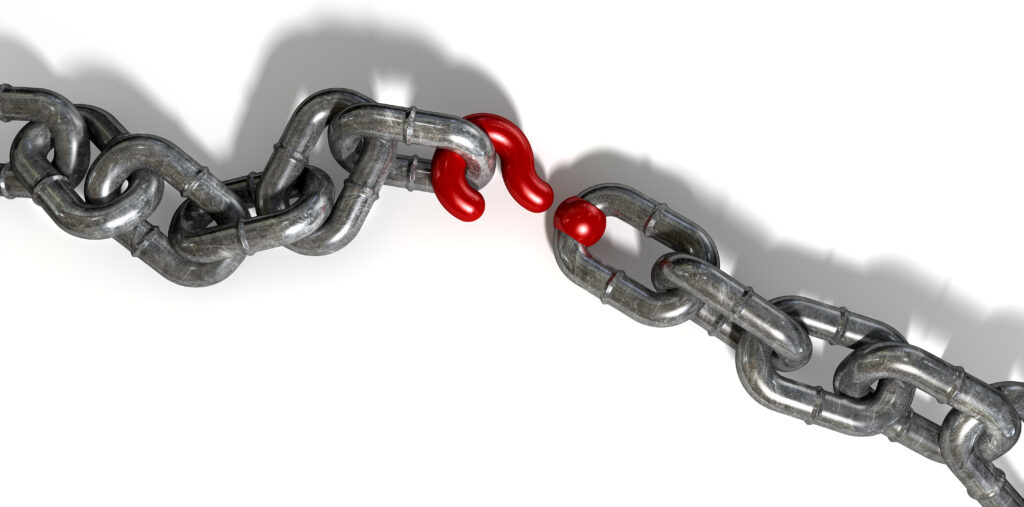
Muchas definiciones dicen que la cadena de valor agrícola comienza con la semilla, pero el verdadero inicio ocurre antes: con quienes la crean. Los fitomejoradores dedican años a desarrollar variedades adaptadas a cada región, esenciales para el rendimiento, la resiliencia y el mercado. Sin mejoradores no hay opciones de semilla ni productividad moderna. Reconocer el mejoramiento como primer eslabón redefine dónde empieza realmente la cadena.
The Missing Link in the Value Chain
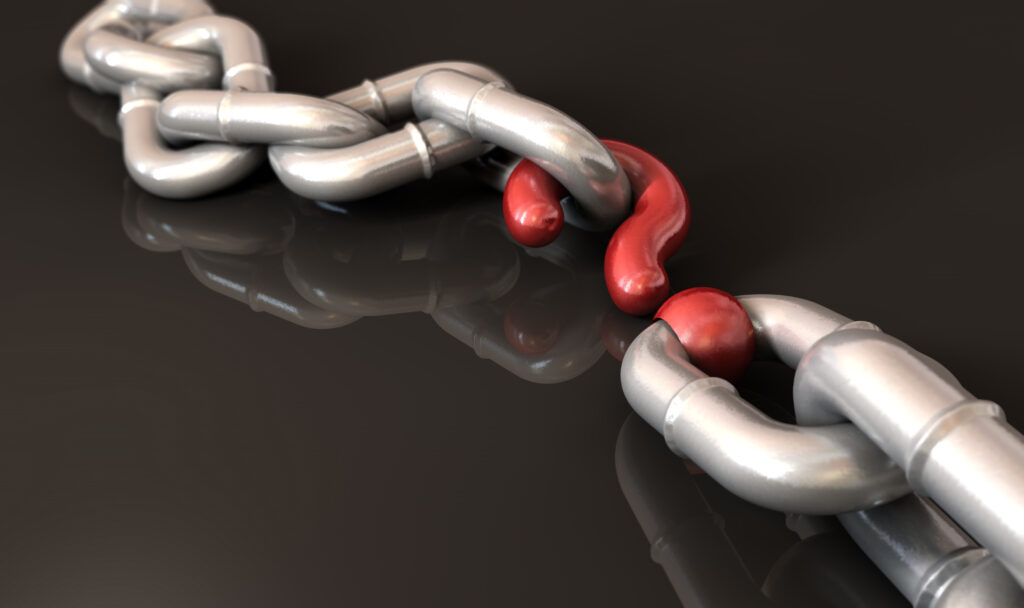
Most definitions say agriculture’s value chain begins with the seed, but the real starting point comes earlier: the people who create it. Plant breeders spend years developing region-specific varieties that farmers rely on for yield, resilience, and market fit. Without breeders, there is no seed choice and no modern productivity. Recognizing breeding as the first link reframes how agriculture’s value chain truly begins.
From Seed to Food: FAO’S First Universal Expo
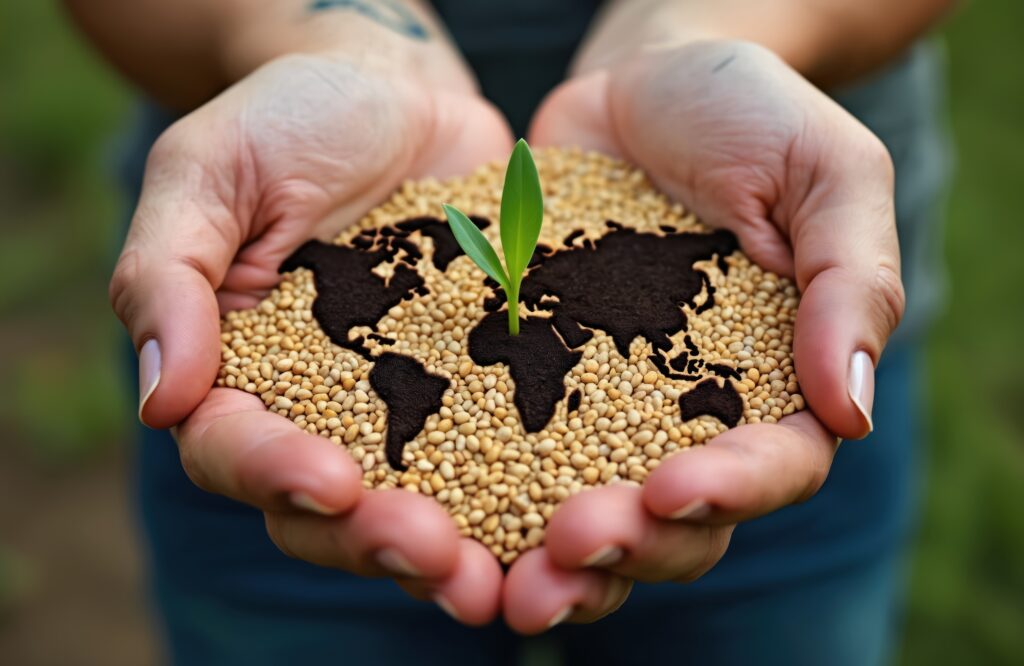
From Seed to Food, the first FAO Universal Exposition in Rome (October) celebrated FAO’s 80 years of global action to end hunger and strengthen food security. The event showcased the full agri-food value chain—from research and seeds to farming, processing, and consumers—highlighting innovation needed for a growing population and climate pressure. Seed leaders stressed that quality seeds and plant innovation, including New Genetic Techniques (NGTs), are essential for sustainable production and resilient agriculture.
EU Member States Back NGT Rules, Boosting Innovation in Plant Breeding
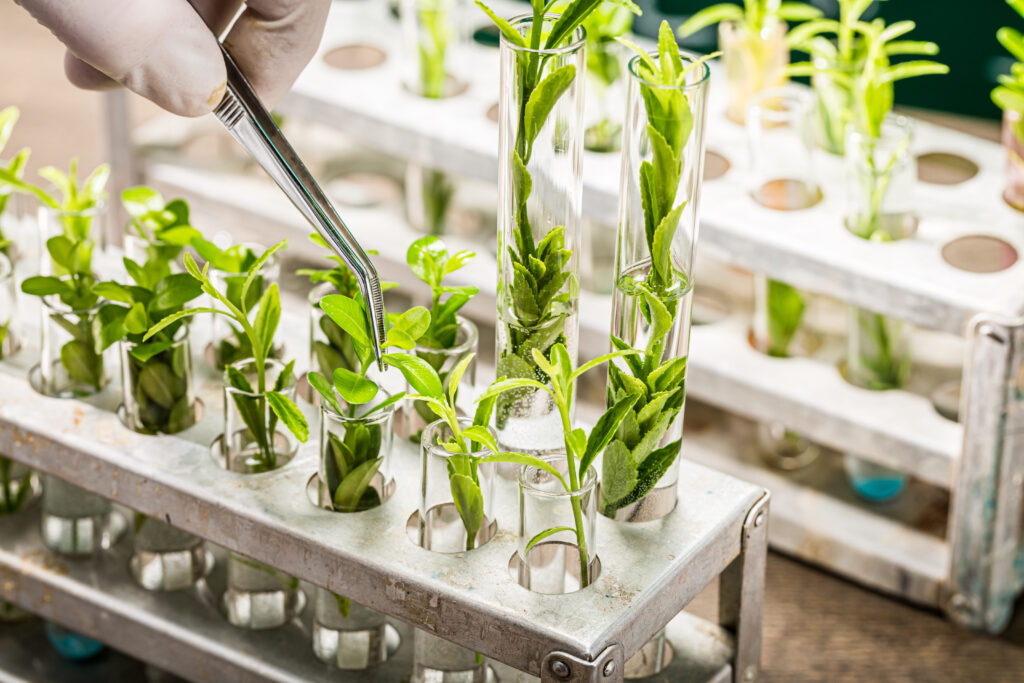
Europe’s seed sector has welcomed EU Member States’ agreement on the Regulation on New Genomic Techniques (NGTs), calling it a decisive step toward more innovative, competitive and resilient European agriculture. Euroseeds said the endorsement of the trilogue compromise sends a strong signal in support of plant breeding innovation. The association pledged continued technical support to policymakers through adoption and implementation.
What’s Coming Next for Corn? An Inside Look at the Future of Corn Genetics
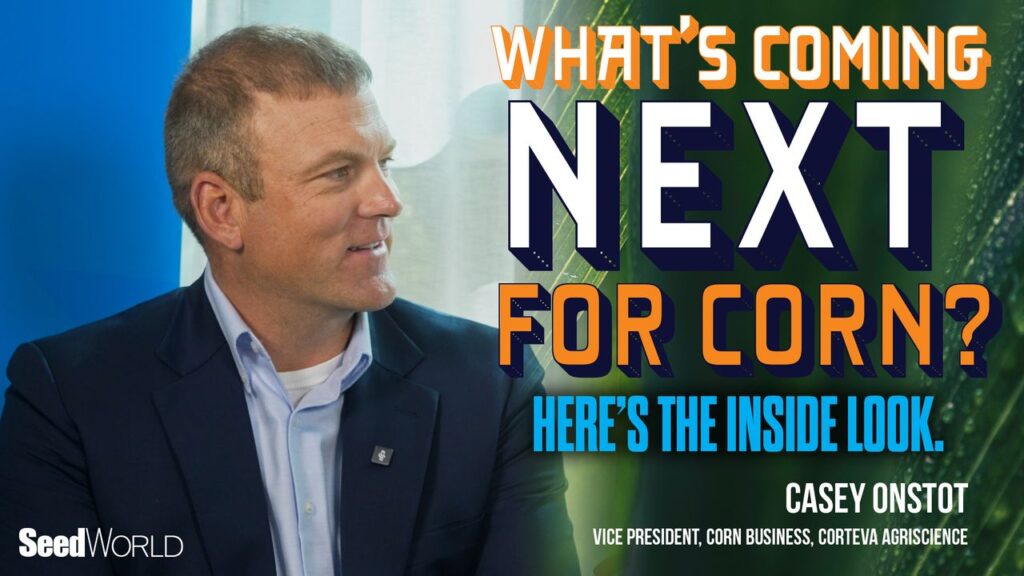
Corn is entering a period of rapid change. Weather volatility is intensifying, pest pressures are shifting, and genetic innovation is moving faster than ever before. For growers and independent seed […]
Why Crop Diversity Matters More Than Ever for Europe’s Agricultural Future

Europe’s seed market is consolidating fast—raising urgent questions about innovation, resilience, and food security. Nearly 80% of Europe’s arable land is planted to just four crops: corn, wheat, oilseed rape, and sunflower. Seed World Europe spoke with Régis Fournier, former Limagrain Field Seeds CEO, on why crop diversity underpins food sovereignty, strengthens agronomy, and is increasingly vital under regulation.
Tired of Competing on Price? Start Competing on Status

High-status brands don’t win faster sales through louder promotions—they win through clearer stories that build trust. Status means being seen as an expert guide, not a replaceable vendor, leading buyers to seek advice instead of discounts. A strong narrative centers the customer, defines their real problem, explains your “why,” offers a simple plan, and shows clear stakes—turning suppliers into strategic partners.
Tired of Competing on Price? Start Competing on Status
High-status brands don’t win faster sales through louder promotions—they win through clearer stories that build trust. Status means being seen as an expert guide, not a replaceable vendor, leading buyers to seek advice instead of discounts. A strong narrative centers the customer, defines their real problem, explains your “why,” offers a simple plan, and shows clear stakes—turning suppliers into strategic partners.
Tired of Competing on Price? Start Competing on Status

High-status brands don’t win faster sales through louder promotions—they win through clearer stories that build trust. Status means being seen as an expert guide, not a replaceable vendor, leading buyers to seek advice instead of discounts. A strong narrative centers the customer, defines their real problem, explains your “why,” offers a simple plan, and shows clear stakes—turning suppliers into strategic partners.
Seeds Are Smarter Than We Think and So Are Today’s Treatments

Seed treatments are essential for early crop protection, improving germination, emergence, and stand establishment. Contact treatments coat the seed surface for fast, localized defense against seed-borne pathogens with minimal environmental movement. Systemic treatments absorb into seedlings for longer, broader protection against soil-borne and internal diseases, reducing foliar spray needs. The best strategy balances both to match field pressure, limit resistance, and support sustainable crop health.
A Real and Profitable Need: Your Path to Becoming a Registered Seed Technologist
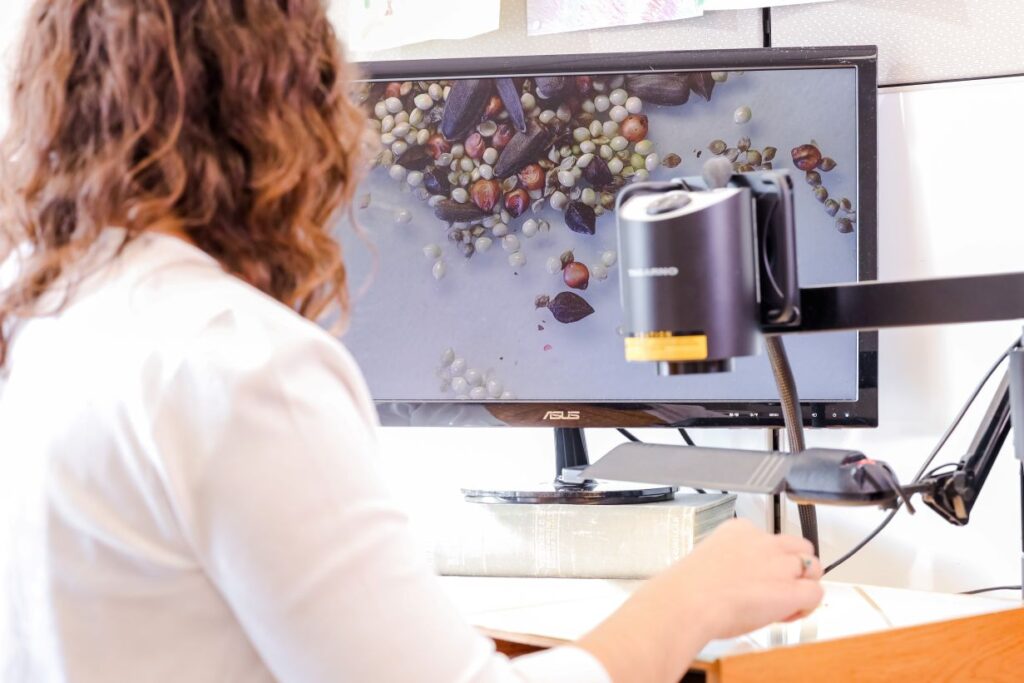
The seed industry urgently needs trained professionals as demand for seed quality testing grows and the number of seed technologists declines. Becoming a Registered Seed Technologist (RST) offers stability, respect, and long-term career opportunity. Iowa State University supports this journey through hands-on training and 2026 workshops in germination, purity, and beginner seed testing—plus a new RST training program in development.
Understanding Endophytes from Field Results to the Biology that Drives Performance
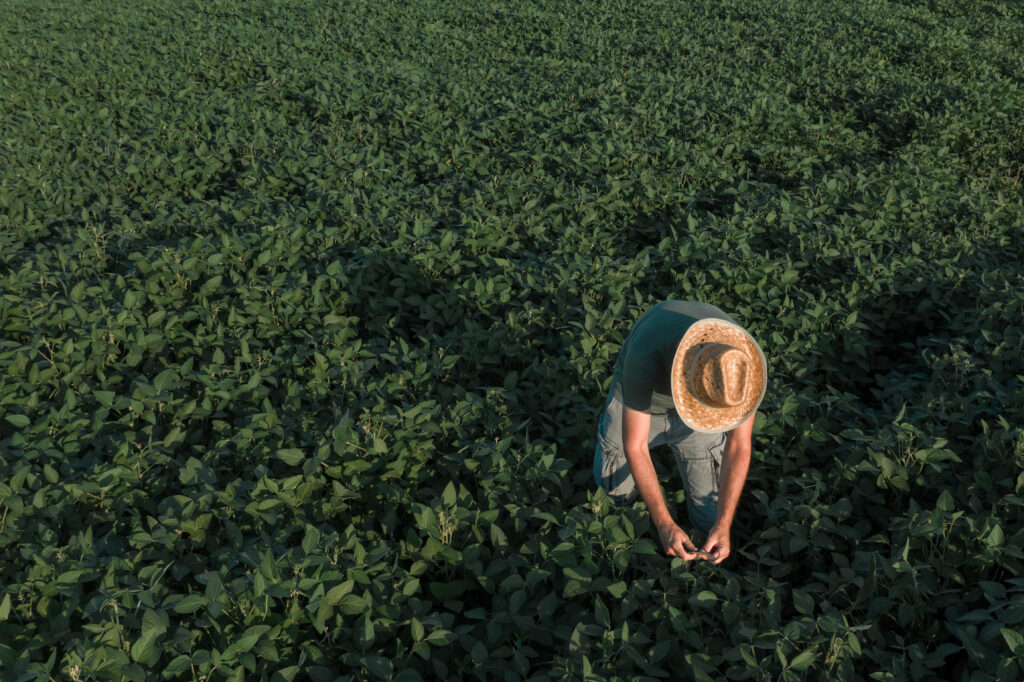
Endophytes are emerging as powerful seed treatments that enhance crop performance without harming plants. At JABB of the Carolinas, we highlight how Beauveria bassiana works as a systemic endophyte, colonizing the entire plant and boosting growth, nutrient availability, and stress tolerance. When paired with other endophytes like Trichoderma, results can exceed expectations—improving yields, plant vigor, and profitability. Seed-applied endophytes offer reliable, season-long benefits for producers.
Why Changing Plant Genes Is Still Slow and How Scientists Are Speeding It Up
Programs equip global participants with the skills to pass rigorous purity exams while connecting them to a worldwide network of seed analysts. The collaboration and knowledge exchange that follow help strengthen individual expertise and support industry-wide standardization of practices.
Sustainability is Already Built Into Canadian Farming
Learn how certified seed supports sustainable agriculture, improves crop resilience, and strengthens Canada’s food system from seed to table
You Can’t Automate Authenticity, and People Know It

How volume-driven communication is breaking real connection in business and life. It’s never been easier to connect with people, and yet, genuine connection feels harder than ever. I recently read […]
You Can’t Fake Caring

Authentic connection is harder than ever in a world of endless options. Just like dating apps proved that more access doesn’t equal better relationships, business leaders are learning that reach and volume don’t create resonance. Real impact comes from quality interactions, not touchpoints. Prioritize depth over noise, measure how people feel, and use intentional language to build trust. The future belongs to those who connect best, not most.
You Can’t Fake Caring

Authentic connection is harder than ever in a world of endless options. Just like dating apps proved that more access doesn’t equal better relationships, business leaders are learning that reach and volume don’t create resonance. Real impact comes from quality interactions, not touchpoints. Prioritize depth over noise, measure how people feel, and use intentional language to build trust. The future belongs to those who connect best, not most.
Editors Pick: Myths in and Around the Seed Sector
Seed World Europe’s misinformation series tackles the persistent myths that distort public understanding of plant breeding, crop protection, and modern seed systems. Covering topics from hybrids, GMOs, and pollinators to plant breeders’ rights, biologicals, organic agriculture, and misinformation itself, these articles use clear explanations, historical context, and evidence-based analysis to separate fact from fiction. By confronting false narratives head-on, the series supports science-driven dialogue and strengthens trust in the breeders, researchers, and seed professionals who underpin global food security.
Editors Pick: Giant Views Columns
Seed World Europe’s Giant Views column closes every issue by giving the final page to the voices shaping the seed sector. Industry leaders, innovators, researchers, and policy experts share candid, thought-provoking perspectives on agriculture’s biggest challenges and opportunities—from how humans shape food and farming to regulatory complexity, sustainability, and the mindsets guiding innovation. Often provocative and always original, Giant Views is a platform for bold ideas, honest opinions, and fresh thinking that sparks dialogue across the seed sector.
El uso eficiente del agua impulsa la productividad del trigo y reduce las emisiones
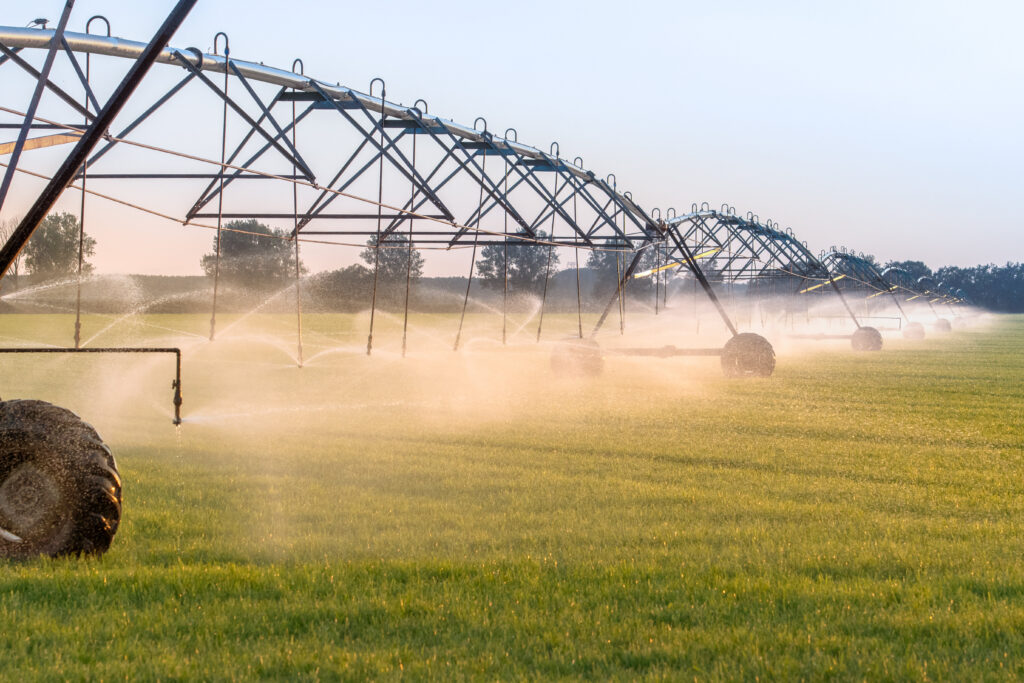
Un estudio de Embrapa Cerrados demuestra que una gestión precisa del riego en trigo puede reducir hasta un 50% las emisiones de gases de efecto invernadero sin afectar el rendimiento. Regar al 40% de agotamiento hídrico optimiza productividad, eficiencia del agua y sostenibilidad, ofreciendo una estrategia climáticamente inteligente para la agricultura tropical.
Editors Pick: EU Presidencies

Seed World Europe continues to follow each rotating EU Council Presidency to keep readers up to date on the shifting political priorities shaping plant breeding, seed legislation, and agricultural innovation. In our five most recent pieces—covering Spain (July–Dec. 2023), Belgium (Jan–June 2024), Hungary (July–Dec. 2024), Poland (Jan–June 2025), and Denmark (July–Dec. 2025)—we track how key files like PRM reform, NGTs, food security, and sustainability move through Brussels, and what each Presidency means for Europe’s seed sector.
A $1.5M Boost for Africa’s Soybean Future
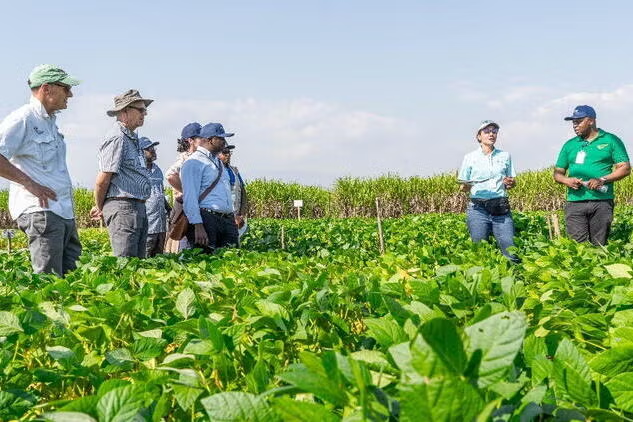
A $1.5 million Gates Foundation grant to the University of Illinois’ Soybean Innovation Lab will expand Pan-African soybean seed trials, accelerate variety registration and strengthen soybean markets across sub-Saharan Africa.
How Strong Leadership Helped Canada’s Seed Sector Earn National Recognition
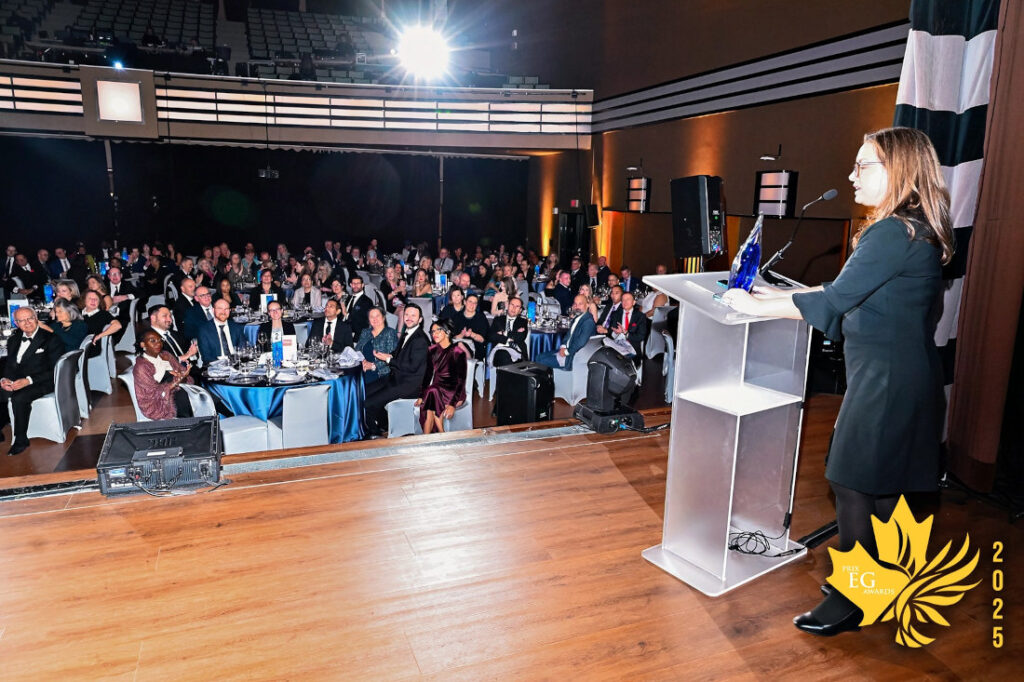
Behind every reliable seed is an organization committed to transparency, responsible leadership, and long-term stability
Editors Pick: The Risk Corner

Seed World Europe proudly features the columns of Professor David Zaruk, a Brussels-based expert in environmental health-risk policy who challenges conventional thinking. Known for sharp analysis, out-of-the-box ideas, and occasional provocation, he dissects EU debates shaping agriculture and regulation with clarity and wit. His commentary cuts through the Brussels noise to spotlight what policies mean for innovation, risk governance, and Europe’s seed sector—pushing conversations forward all year.
Where the New Year Meets the Long Game

As the seed industry returns from the holidays, Seed World welcomes readers into the new year with a reflection on the work ahead and why it continues to matter.
El regreso de lo real: siete tendencias de consumo que están transformando la industria alimentaria
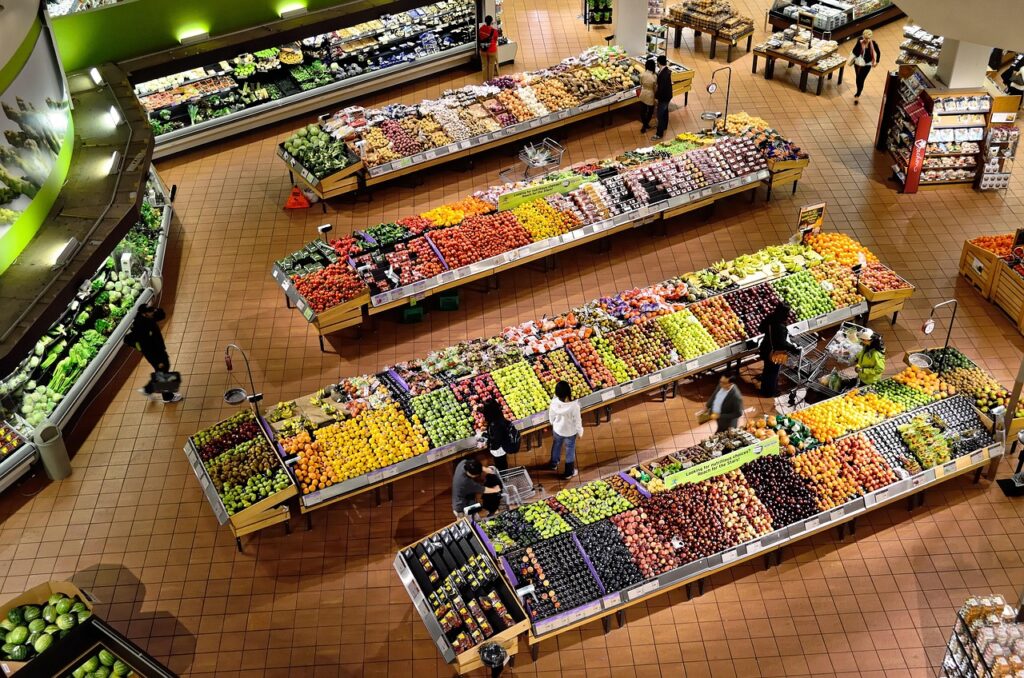
El nuevo informe de tendencias de NOURISH revela que los consumidores rechazan la perfección artificial y el marketing algorítmico, y priorizan la autenticidad, la conexión humana y la transparencia en los alimentos. Estas tendencias redefinirán la industria alimentaria hacia 2026, impulsando marcas reales, nutrición integral, experiencias sociales y una comunicación honesta.
New From Albaugh: BIOST® 2G Nematicide + Insecticide
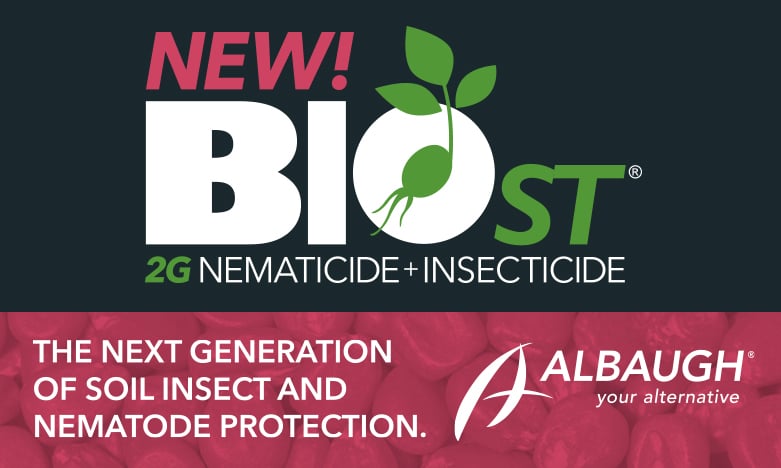
Albaugh’s BIOST® 2G Nematicide + Insecticide is a next-generation biological seed treatment delivering proven protection against plant-parasitic nematodes and soil-borne insect pests, including corn rootworm larvae, seed maggots, and wireworms. Featuring a novel active ingredient used on 20+ million acres, BIOST 2G is optimized for low-use-rate application. It quickly stops pest feeding to minimize crop loss while supporting an environmentally friendly profile. Available now, pending final state registrations.
Editors Pick: Crop Breeding Articles on Forage & Turf Crops
Seed World Europe’s crop spotlight series spans 30+ species and shines a light on the vital world of forage and turf breeding. These crops support livestock systems, soil health, carbon storage, and the green spaces around us. Our features explore breeder challenges—boosting resilience, persistence, nutrient efficiency, and stress tolerance—while safeguarding quality germplasm. From fescue and bluegrass to clover and lucerne.