

Inside the Farm Bill Fight: Is There a Case for a Full Five-Year Bill?

The U.S. is still operating under the 2018 Farm Bill, and repeated extensions leave seed companies navigating outdated policies and rising uncertainty. ASTA’s Brandon Pachman explains why the next Farm Bill is stalled, what’s at stake for the seed industry and how advocates can influence the path forward.
Crop Production Soars in 2025 as Prairie Yields Hit Record Highs
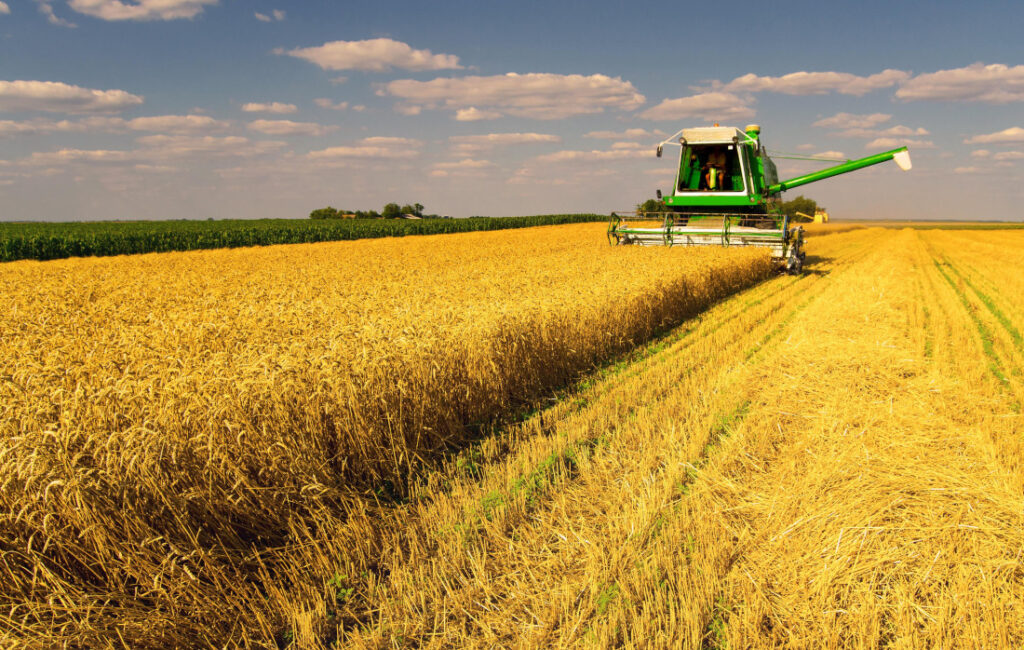
The 2025 season underscores the ongoing importance of genetics that perform under variable moisture conditions
Europe’s New NGT Agreement: What the Trilogue Deal Means for Plant Breeding
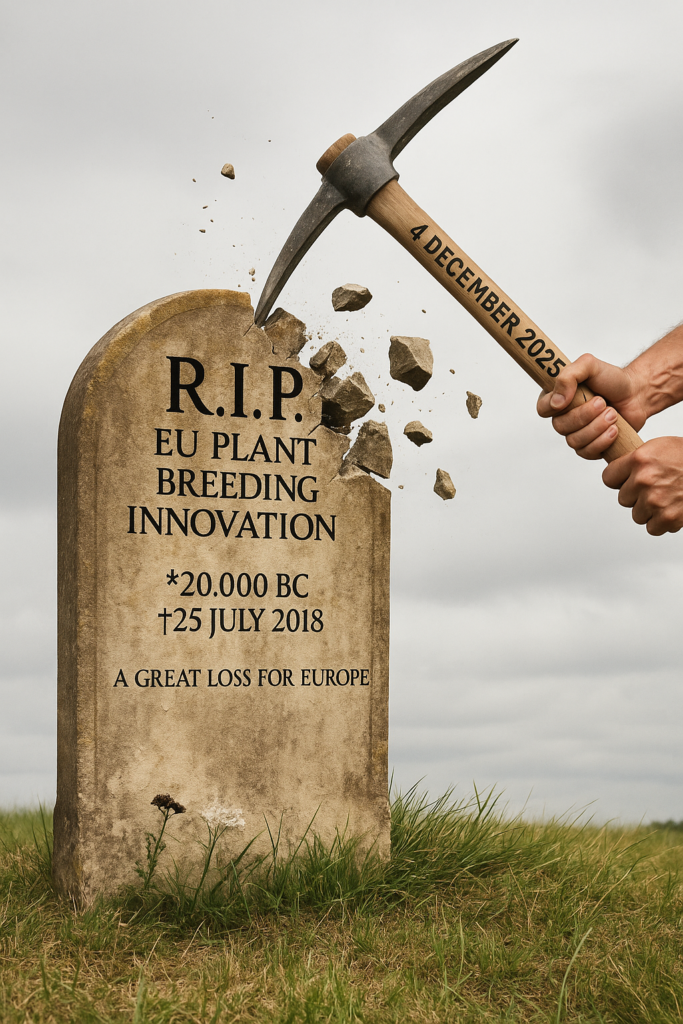
Europe is finally reviving EU plant-breeding innovation. After the 2018 court decision pushed NGTs into outdated GMO rules, the new 2025 NGT regulation creates a two-category system that better matches biological reality. This unlocks faster, more precise, climate-resilient crop improvement for farmers and breeders. Success now depends on consistent implementation, clear patent and transparency rules, and strong public communication.
En El Corazón Del Campo: Una Cadena De Confianza

Los productores de Almería dependen de una profunda cadena de confianza construida durante generaciones. Rodeados de servicios especializados para invernaderos, toman decisiones basadas en relaciones, no en carteles ni datos. Ya sea al buscar polinizadores, reemplazar plásticos o elegir nuevas variedades, la confianza guía cada paso. Comprender esta red simbiótica es esencial para quienes buscan influir o apoyar a los agricultores de invernadero en España.
The Chain of Trust

Growers in Almeria rely on a deep chain of trust built over generations. Surrounded by niche greenhouse services, they make decisions based on relationships, not posters or data. Whether sourcing pollinators, replacing plastic or choosing new varieties, trust guides every step. Understanding this symbiotic network is essential for anyone hoping to influence or support greenhouse growers in Spain.
Manitoba Seed Growers Host Annual Meeting in Brandon
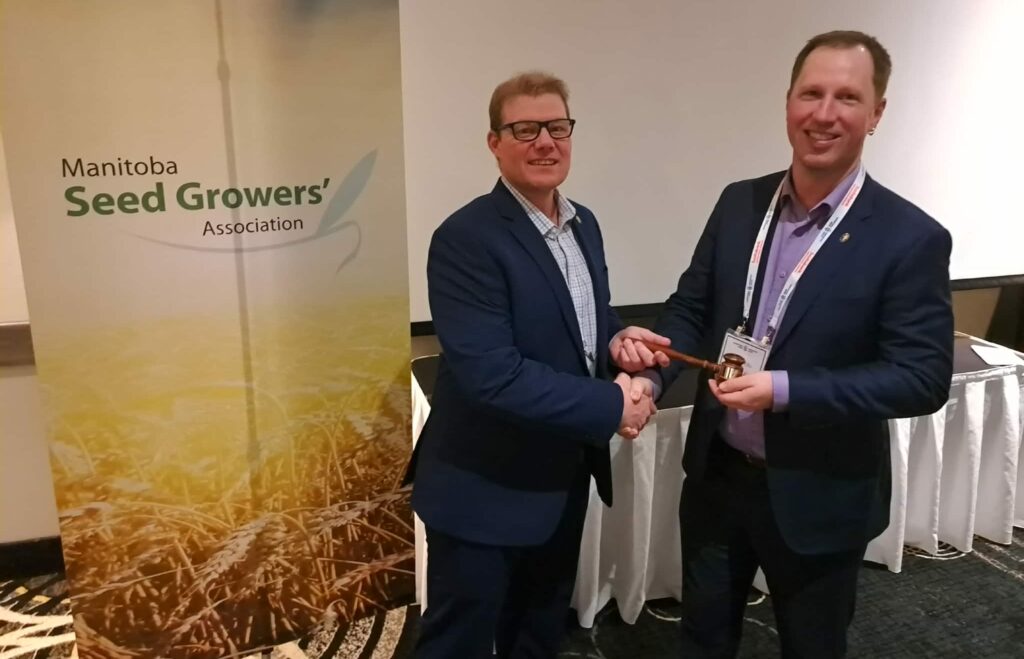
The Manitoba Seed Growers Association held its annual meeting in Brandon, Man., this week. Attendees gathered for the annual awards ceremony and the passing of the president’s gavel to Simon […]
Introducing the U.S. Seed Sector’s Insider of the Year: Summit Seed Coatings
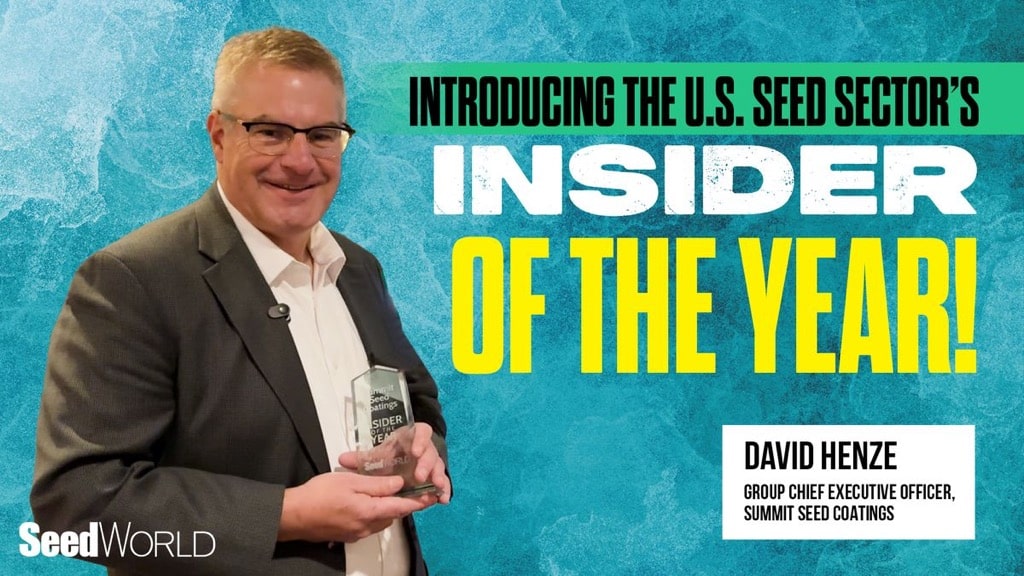
Seed World U.S. Insider of the Year David Henze of Summit Seed Coatings talks about the importance of telling your story and why thought leadership really matters.
Dan Basse Warns the Seed Industry About a Future Defined by Abundance, Pressure and Policy
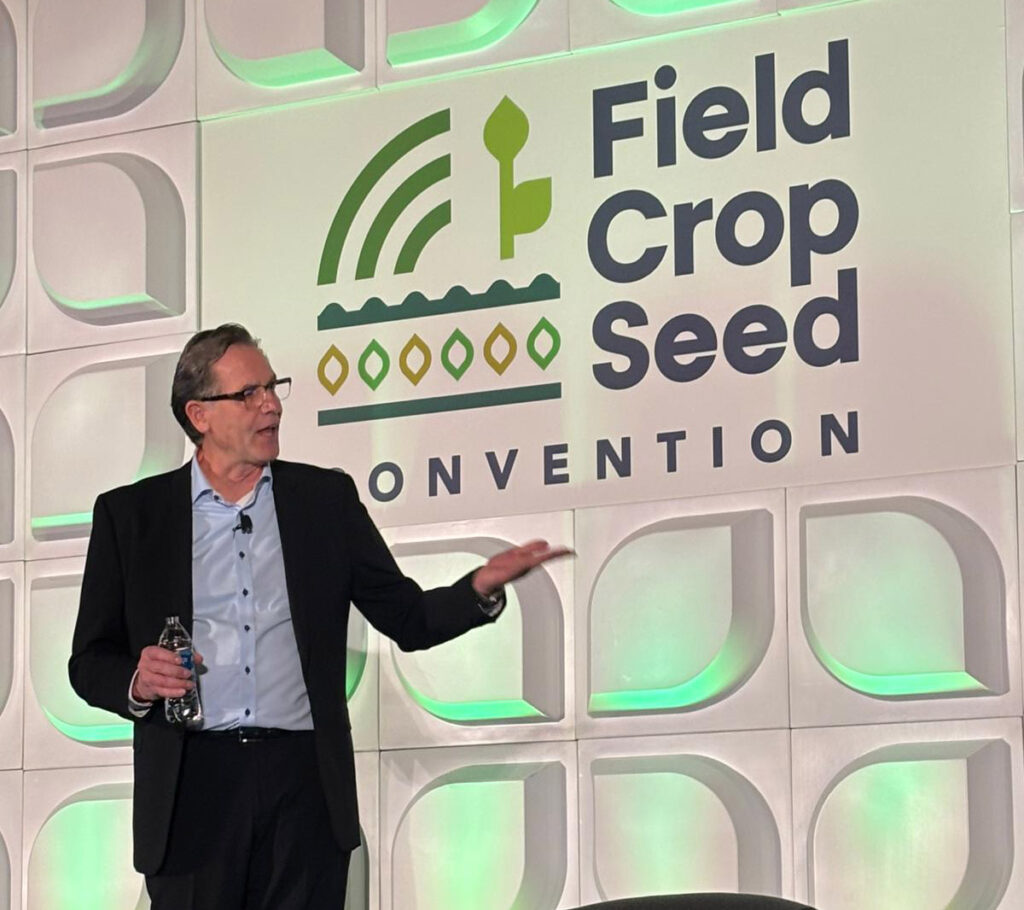
The global grain market is entering a period of heavy supply, flattening demand and rising cost pressure for U.S. farmers. In a keynote at the ASTA Field Crop Seed Convention, economist Dan Basse outlines why American growers are becoming the high cost producer, how Brazil’s rapid expansion is reshaping competition and why biofuels may be the only significant demand driver ahead. Seed companies face a future shaped by policy, global realignment and shifting production zones, making strategy and innovation more important than ever.
Collaboration in Action: New Benchmarks to Drive Biologicals Adoption
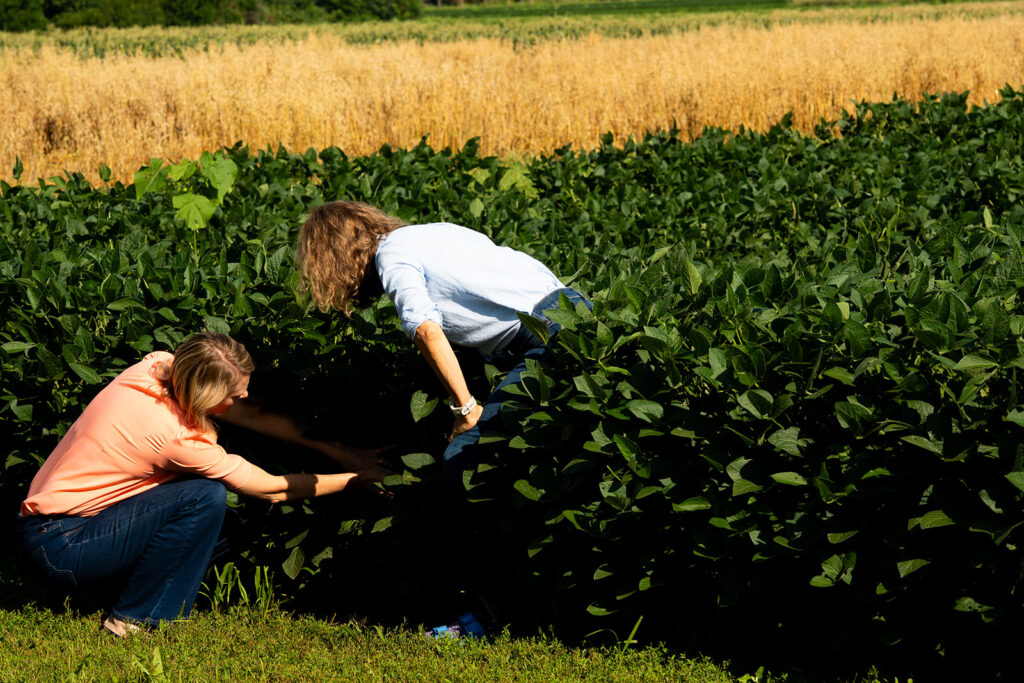
In 2025, seed and crop innovation proved that “going it alone” is over—collaboration is the new competitive edge. At the ASTA Field Crop Seed Convention, Jord BioScience showcased two years of independent, multi-state data: SignalGrow™ microbial solutions delivered 1.4–3.1 bu/acre gains across 16 locations with 80%+ win rates. With a 6,500-isolate library and Biologicals Playbook, Jord co-develops faster, higher-performing biologicals that raise reliability and ROI.
This Is #FCSC2025: Inside the Seed Industry’s Biggest Week
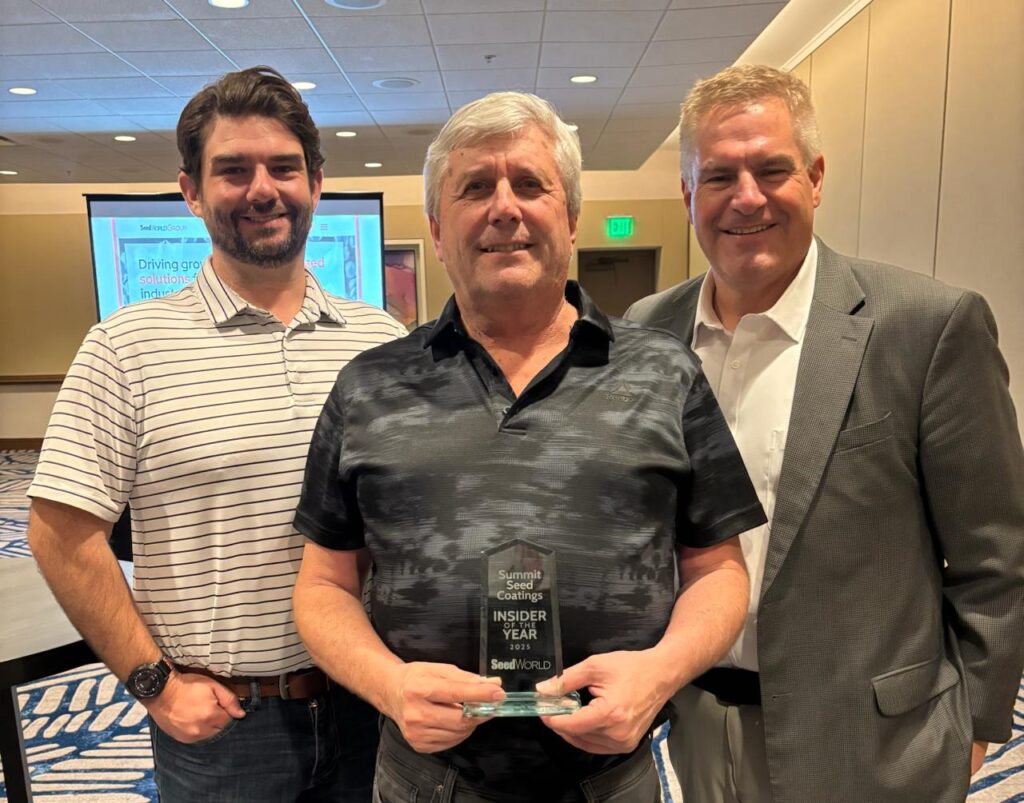
Scenes from an amazing and successful week at the 2025 ASTA Field Crop Seed Convention. It’s been full, fun, and fabulous here in sunny Orlando. Winter is the last thing on our minds as we meet and greet so many wonderful seed industry folks! We’ll be sharing photos from throughout the week right here—check back daily for new updates.
SAA: el congreso que reúne a toda la cadena semillera para debatir innovación y regulación

En el décimo Congreso de la Asociación de Semillas de las Américas (SAA), realizado en Foz de Iguazú, Diego Risso, Director Ejecutivo de la SAA, destacó la importancia del evento […]
ASTA Opens a Week of Ideas, Strategy and Connection in Orlando

The ASTA Field Crop Seed Convention highlights why connection matters for the seed industry. With rapid change across climate, analytics, supply chains and public trust, companies are finding solutions through shared knowledge and real conversations. This excerpt previews the energy and insight shaping Day 1 in Orlando.
The Future of Farm Biostimulants May Start in the Sea

A James Hutton Institute study shows sugar kelp extracts could help crops absorb nutrients more efficiently under fertiliser-limited conditions. The Innovate UK–supported project, led by Algapelago Marine Ltd, tested barley and beans under nitrogen and phosphorus deficiencies, revealing promising benefits for nutrient management. With sustainably cultivated kelp as a feedstock, seaweed-based biostimulants offer a scalable, low-carbon alternative for UK farmers seeking to reduce fertiliser reliance.
Bienvenida de la Vicepresidenta al 10° Congreso de Semillas de las Américas

En el 10º Congreso de Semillas de las Américas en Foz de Iguazú, Lorena Basso, Presidenta de Basso Semillas y futura líder de la Federación Internacional de Semillas (ISF), abordó los desafíos del sector ante el crecimiento poblacional y el cambio climático, que exigen un aumento del 60% en la producción de alimentos. Destacó el papel central de la semilla y la importancia de innovaciones incrementales en tolerancia al estrés, mejoramiento y nuevas tecnologías. Subrayó también el peso de las regulaciones en el comercio internacional. De cara a su presidencia en la ISF, señaló la necesidad de una industria más inclusiva y con mayor diversidad de voces.
BioLumic expande su plataforma de rasgos de semillas activados por luz a Sudamérica
BioLumic amplía su Programa de Licencias xTraits de maíz en Sudamérica con pruebas tempranas junto a GDM, colaboración con TMG y apoyo de Gro Alliance en producción de semillas y viveros. Ensayos en Brasil (Mato Grosso) y viveros en Chile acelerarán la validación de rasgos fotoactivados, compatibles con híbridos regionales. Datos 2026–2027 guiarán el lanzamiento comercial y futuras expansiones.
BioLumic Expands Light-Activated Seed Trait Platform to South America
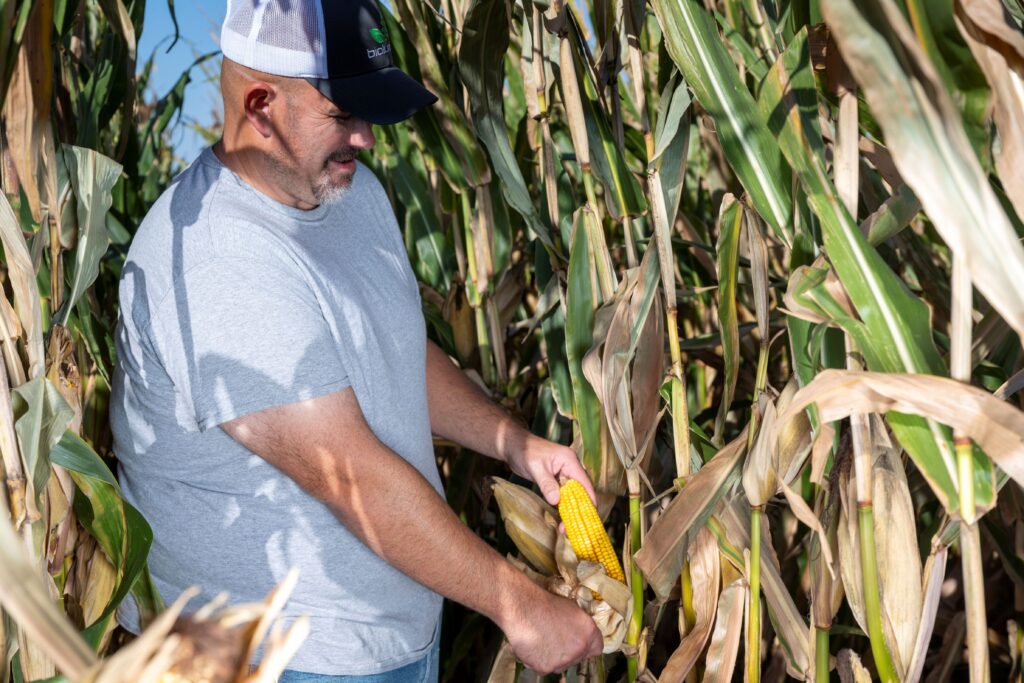
BioLumic is expanding its light-activated corn xTraits platform into South America through new collaborations with GDM, TMG, and regional field and nursery partners. The move strengthens global access to light-programmed seed traits and supports upcoming hybrid evaluations across Brazil’s key growing regions.
Harmonized Systems Feed a Hungry Planet
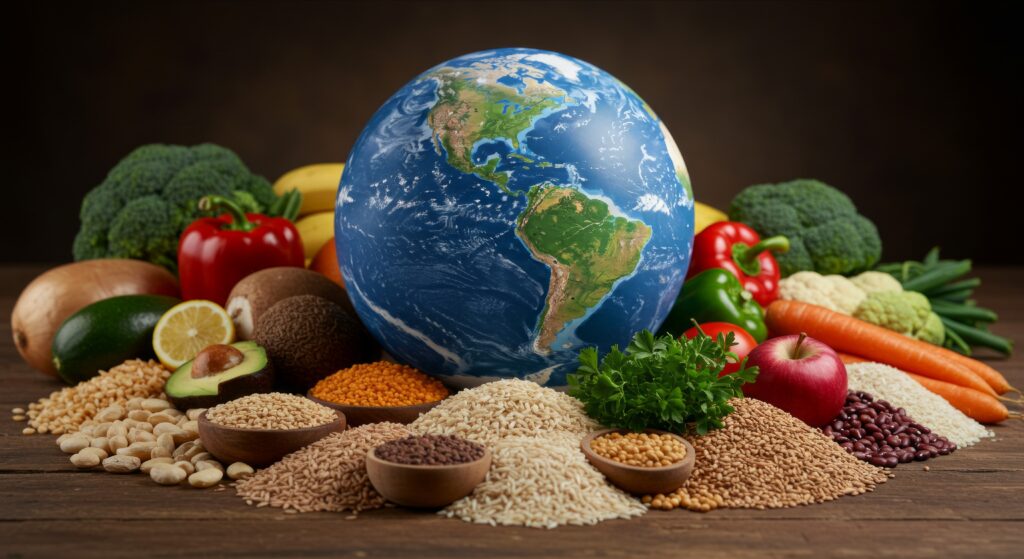
International seed trade underpins global agriculture, food security and economic development. Clear, workable cross-border rules help seed producers, trading partners and growers move seed for sales, evaluation, and counter-season production. The OECD Seed Schemes harmonize varietal certification standards across 64 countries, supporting reliable seed systems alongside UPOV, ISTA and strong registration. Modern certification should adopt digital tools, genetic testing and anti-counterfeiting for trust.
Here’s What’s Ahead in Next-Gen Plant Nutrition

ChatGPT said:Two years after Seed World US first spotlighted his big idea—starting nitrogen innovation at the seed—Arevo CEO Nicolás Åström is now a frontrunner in next-gen, sustainable fertilizer tech. In our latest video interview, he explains why “data, data, data” will decide which innovators survive, why the industry must move beyond Haber-Bosch, and how growers will adopt proven solutions as Arevo expands into soy, corn, and potentially turf and potatoes.
Here’s the Real Value Global Seed Testing Networks Deliver
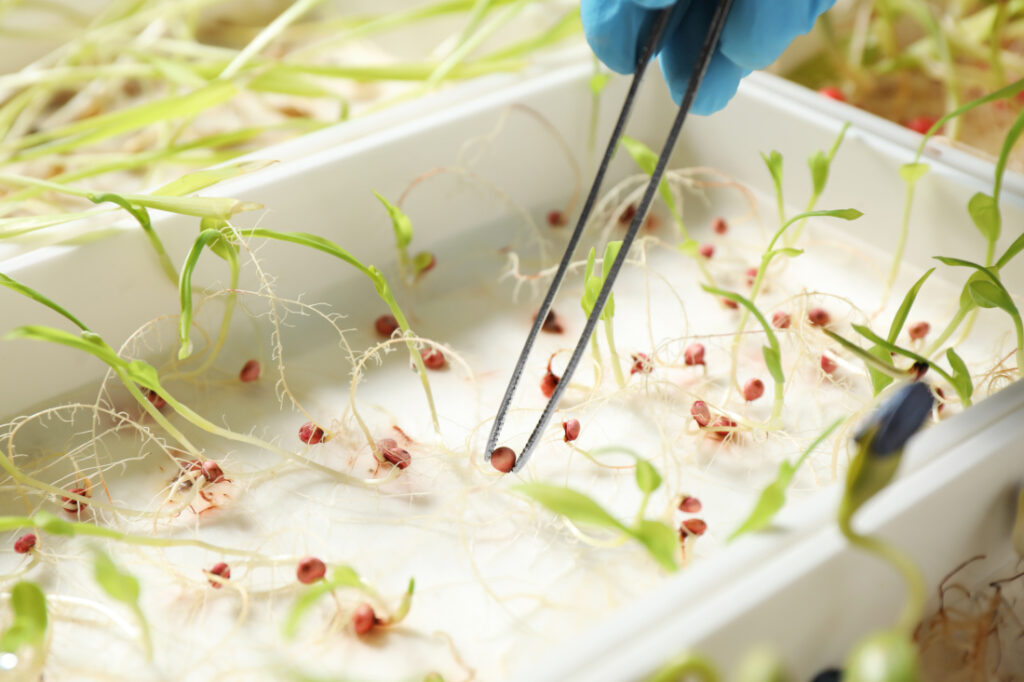
Why harmonizing seed science across borders is now the key to protecting seed quality and global supply. Seed quality testing today means operating in an environment where borders matter, but […]
New Tech Shows How Farms Can Cut Chemicals and Improve Yields
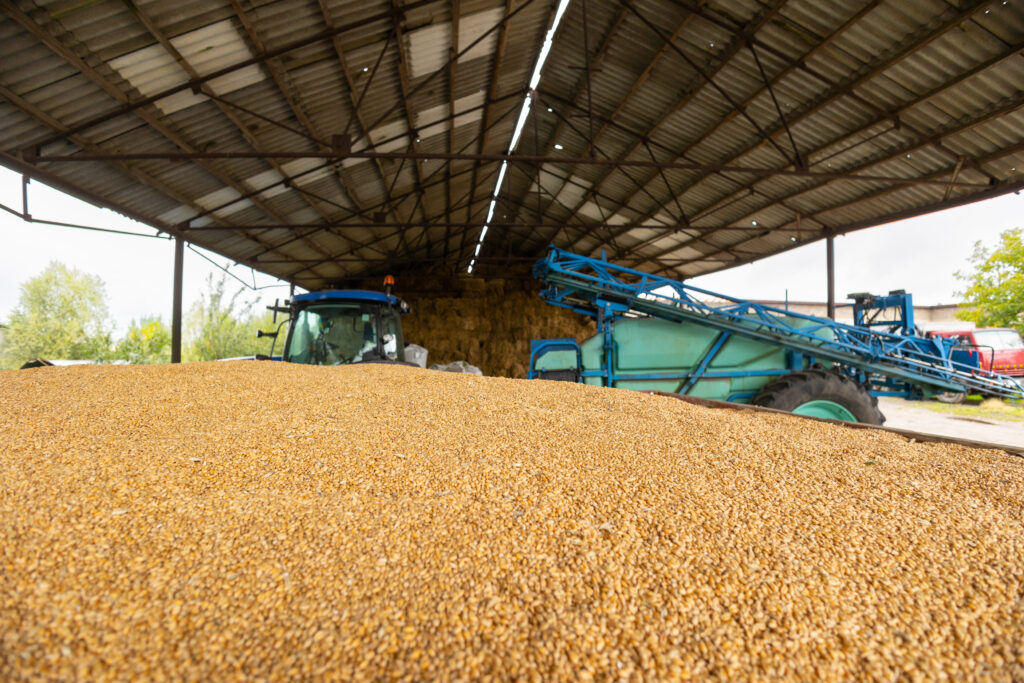
The eight-year Physics for Food project has demonstrated how plasma and other physical technologies can boost sustainable agriculture and food production. Led by Neubrandenburg University of Applied Sciences and INP, the initiative showed plasma can improve seed health, enhance crop resilience, enable chemical-free storage, and support cleaner water and greenhouse systems — offering farmers practical, low-input and environmentally friendly solutions.
6 Reasons Why Hybrid Wheat Could Transform Farming Economics by 2027
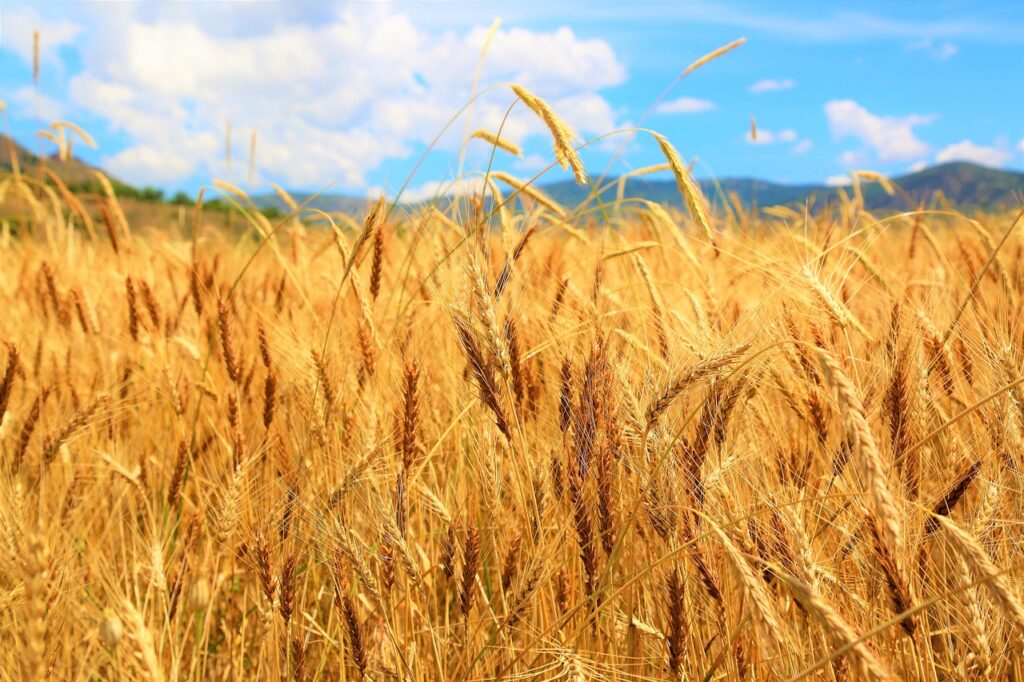
If the technology finally achieves commercial scale two years from now, analysts say it could reshape global grain markets
Stop Treating Symptoms: Why Farm Management Problems Need Systems-Thinking Solutions
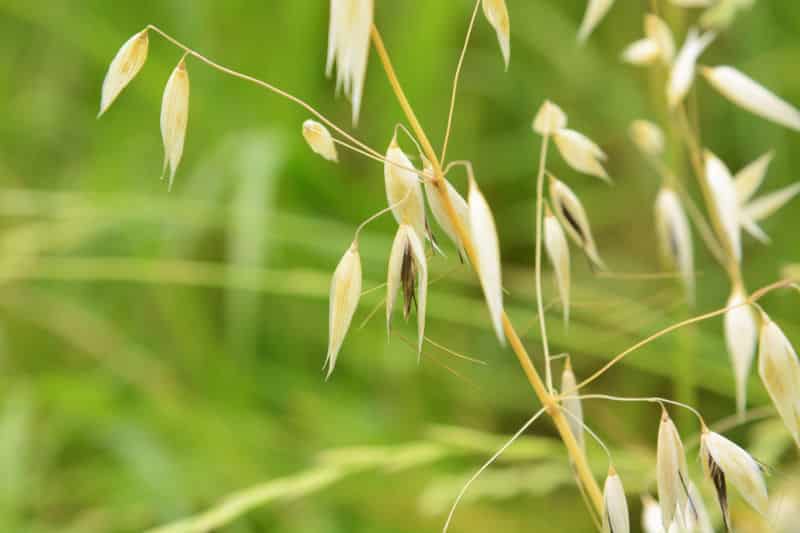
Soil, weeds, and compaction aren’t the problem — our management is
Why Corteva’s Hybrid Wheat Technology is Key to New SpinCo Valuation
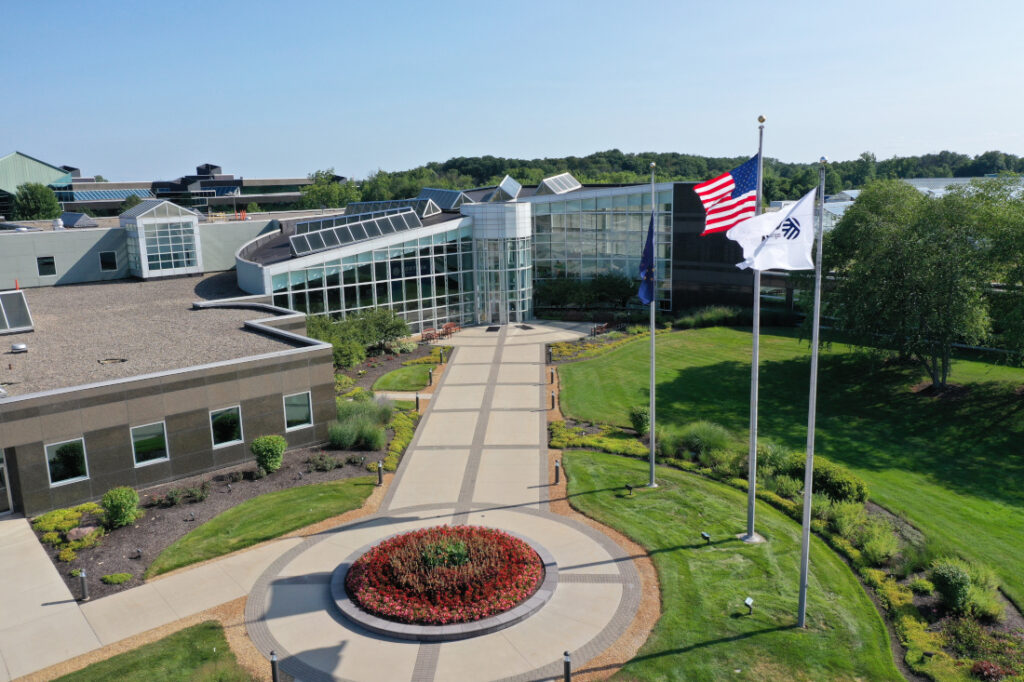
CEO Chuck Magro says SpinCo is positioned to compete in a market where seed genetics are expected to drive outsized growth
Seeds Canada’s Outgoing CEO on Regulatory Reform, Farmer-First Leadership, and What’s Next

Barry Senft looks back on the challenges of COVID, building a new culture remotely, and guiding the association through SRM
In the Race to Reinvent Seed, the Future is Within Reach
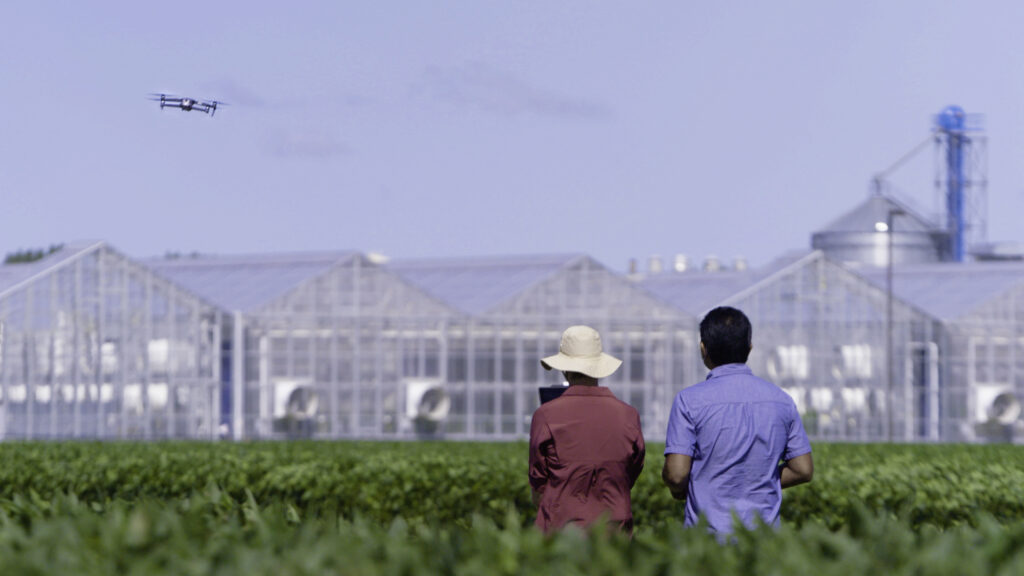
AI, gene editing and real-world data are accelerating seed innovation and tightening the link between research and the farm. Tools like drones and genetic prediction improve precision, reduce error and speed breeding pipelines, getting better-performing products to market faster. At the same time, collaboration is expanding through licensing and partnerships between global R&D leaders and independent seed companies, increasing farmer choice and ensuring advances are tested in local conditions.
Europe’s Seed Sector Welcomes Trilogue Deal on New Genomic Techniques

ChatGPT said:
Europe’s seed sector welcomes the positive conclusion of trilogue negotiations on New Genomic Techniques (NGTs), as EU co-legislators agreed a new Regulation for NGT plants. The deal largely preserves the Commission’s intent to enable conventional-like NGT crops, supporting farmers with more resilient varieties. Euroseeds hailed the innovation signal, while noting added requirements need careful analysis of costs and administrative burden.
EU Reaches Agreement on New Genomic Techniques Regulation for Plant Breeding
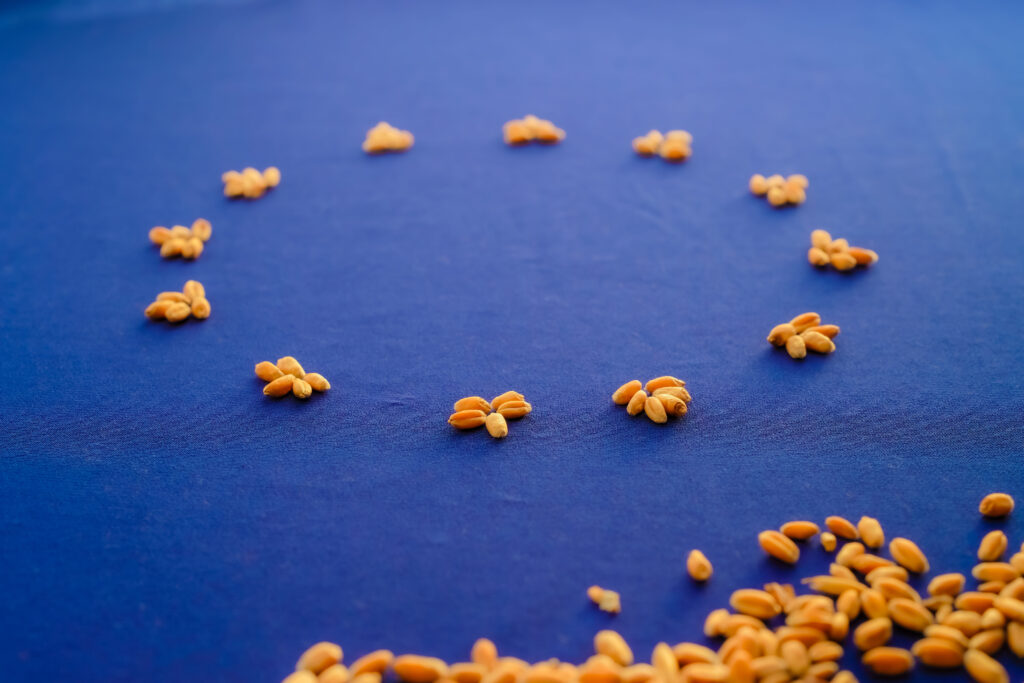
EU institutions have struck a provisional agreement on regulating New Genomic Techniques (NGTs), creating a two-tier system for plant breeding. Category 1 NGTs, equivalent to conventional plants, get streamlined approvals and no product labelling, with seed-level identification. Exclusions (e.g., herbicide tolerance) shift traits to Category 2. Category 2 remains under GMO rules. Patent disclosure and transparency measures are added.
The Year May End But Innovation Continues

ChatGPT said:As agriculture faces shifting weather, volatile markets, rising costs, and evolving regulations, seed companies and growers keep innovating for the seasons ahead. Michelman drives progress at the seed surface, where coatings and polymers improve protection, singulation, uniformity, and emergence. Through expanded R&D, earlier collaboration, and field-proven performance, we help partners navigate tariffs, disease pressure, and export uncertainty with confidence—delivering microplastic-free, durable, low-dust solutions and advancing biodegradable technologies for long-term value and soil health.
Study Shows Farming Practices Can Improve Fresh Produce Microbes
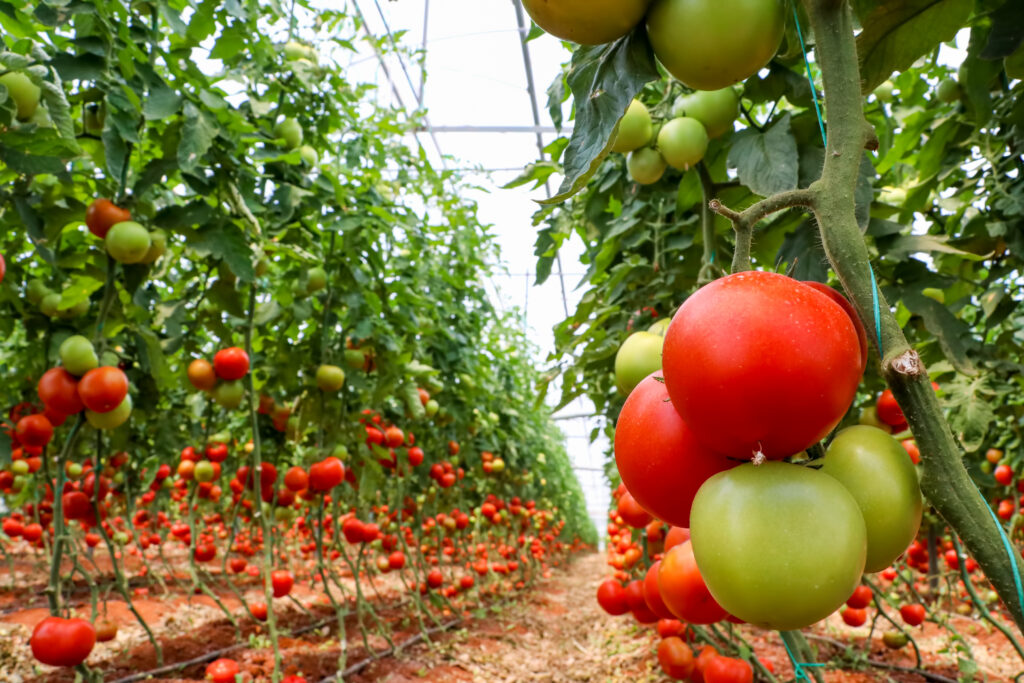
A new study from IBMCP (CSIC–UPV) reveals that agricultural biostimulants and controlled saline stress can significantly reshape the endophytic microbiome of lettuce and tomato. Published in Foods, the research shows these treatments boost microbial diversity and increase beneficial genera linked to plant health and potential probiotic effects. The findings open pathways to sustainable farming practices that enhance both crop resilience and consumer gut health.
Farms Could Be Our Secret Climate Weapon
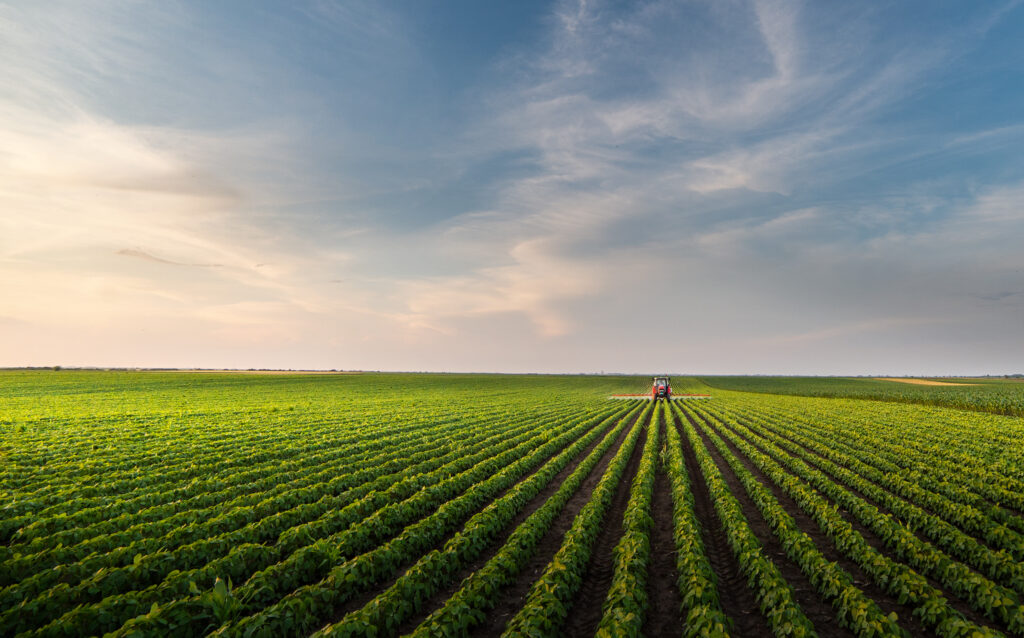
A new international study led by Queensland University of Technology shows global farmland could become a powerful climate solution. Published in Plant Physiology, the research outlines a framework comparing carbon-mitigation strategies — from reduced nitrogen fertiliser use to advanced synthetic biology. The findings reveal agriculture’s vast potential to cut emissions and boost carbon storage, offering a scalable roadmap for climate-smart farming.
Green Manure Boosts Maize Yield by Improving Soil Moisture and Photosynthesis
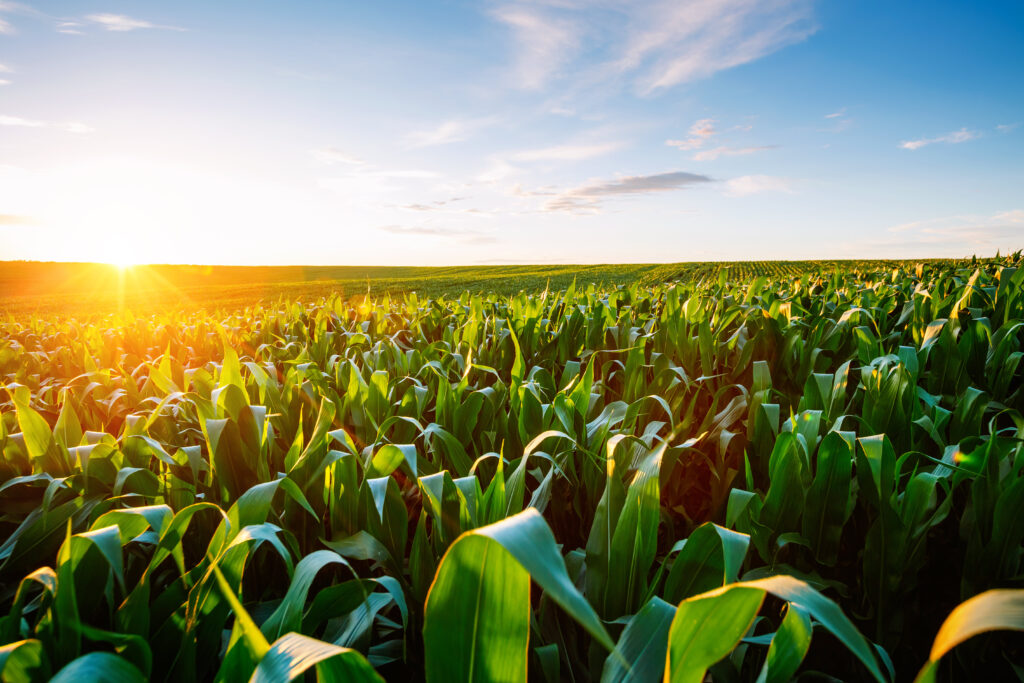
A three-year field study in Gansu, China found that returning green manure after wheat improves soil moisture and early-season soil temperature, strengthening maize roots and canopy cover. These gains raise chlorophyll (SPAD), net photosynthesis, and PSII efficiency while limiting NPQ, boosting biomass and grain yield. Green manure treatments outperformed conventional tillage across key growth and productivity indicators significantly overall consistently.
What Avocadoes and Alfalfa Teach Us About Curiosity and Collaboration

Seeing avocados thrive in Peru’s desert—thanks to Camposol’s mountain-fed aqueducts and drip irrigation—reshaped my view of what’s possible in agriculture. That lesson returned at the World Alfalfa Congress in Reims, France, where experts tackled alfalfa’s high water demands amid climate change. At Summit, we’re researching water-absorbing coatings to improve establishment in dry conditions. With curiosity and collaboration, drought-smart alfalfa solutions can emerge.
How You Can Share Input on the Future of Canadian Germination Testing Standards
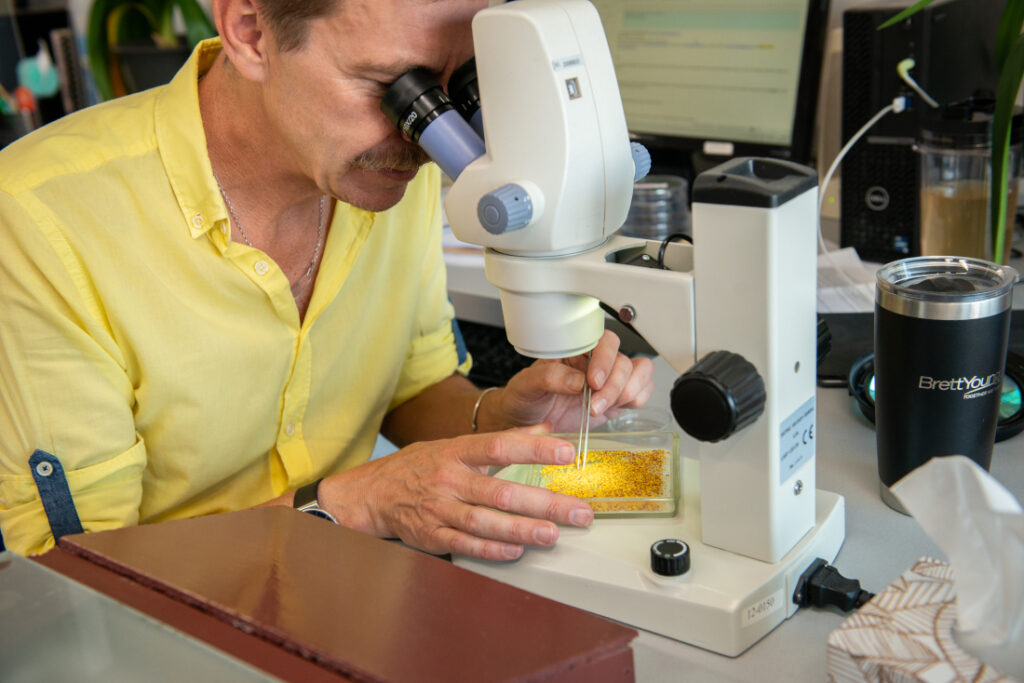
In the ever-evolving landscape of the seed industry, ensuring the quality and viability of seed products is paramount
Ending 2025 With Stories That Move the Seed Industry Forward
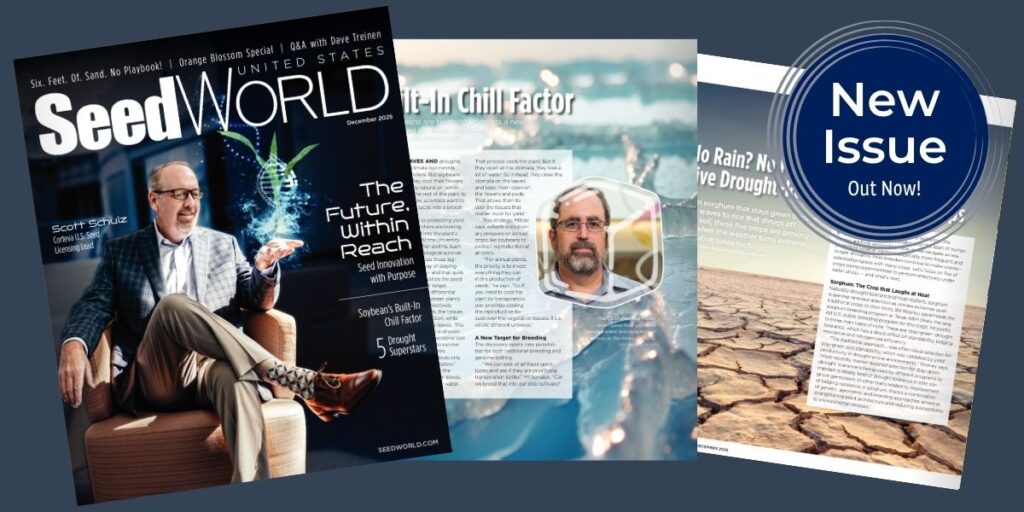
Seed World U.S.’s December issue honors the work, resilience and innovation we’ve seen in 2025. As 2025 draws to a close, I’m grateful for a year full of challenge and […]
From Capitol Hill to the Heartland

I recently had a great chat with current American Seed Trade Association (ASTA) board chair Dave Treinen. You’ll find it in the December 2025 issue of Seed World U.S. Treinen […]
Europe’s Plant Breeding at a Crossroads: New Study Reveals IP Challenges in the NGT Era
Technopolis has published a new study examining how the EU intellectual property framework influences innovation in the bioeconomy, with a focus on agricultural biotechnology and new genomic techniques (NGTs). Combining legal, economic and market analysis, the report highlights patent complexity, licensing costs and freedom-to-operate issues, especially for SMEs. It recommends stronger transparency and smoother licensing to unlock NGT benefits for breeders and farmers.