

2025 Young Seedsman, Big Impact
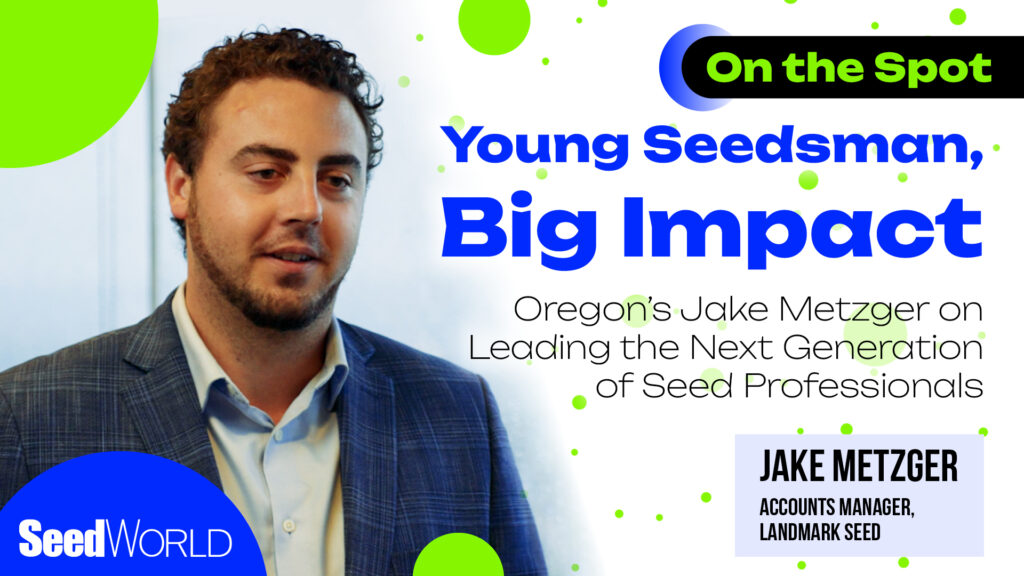
Jake Metzger of Oregon’s Landmark Seed earns the 2025 Western Seed Association Young Seedsman Award and shares how relationships fuel the next generation of seed professionals.
Innovation Over Uncertainty: How U.S. Seed Industry Policy Shapes the Future of Agriculture
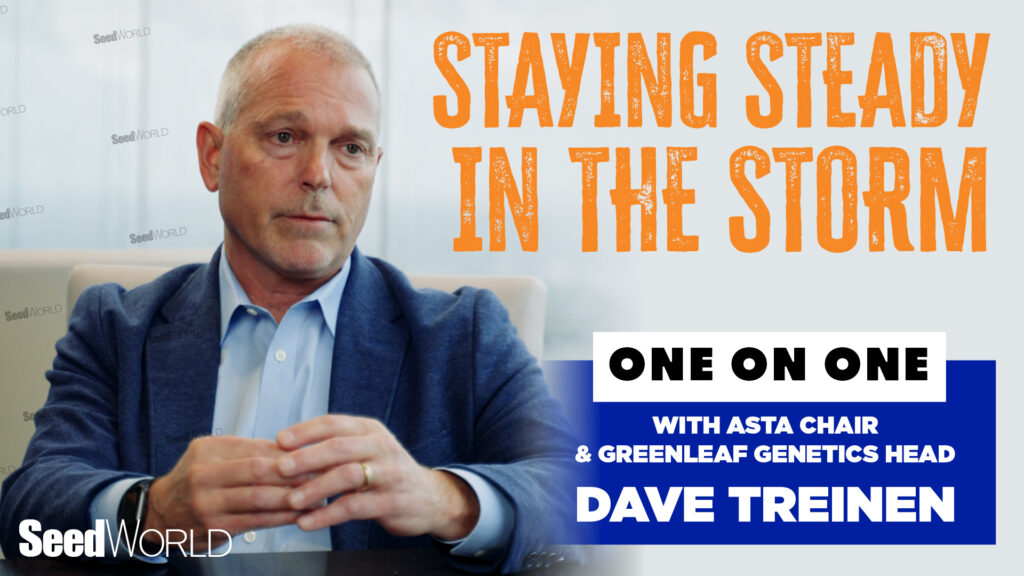
U.S. seed industry policy is shifting fast. ASTA chair Dave Treinen says the future of innovation depends on education, advocacy, and staying close to customers.
¿Un protector solar para las plantas?
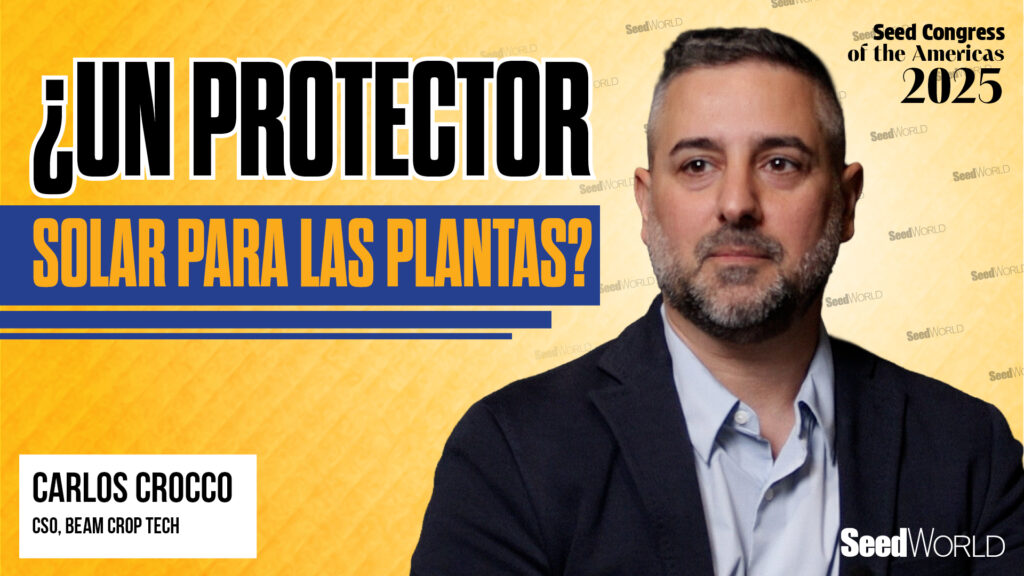
En el 10º Congreso de la Asociación de Semillas de las Américas (SAA) en Foz de Iguazú, Carlos Crocco, Director Tecnológico de Beam CropTech, presentó Photoprotect, una innovación que mejora la eficiencia fotosintética de las plantas. La tecnología activa de forma anticipada un gen presente en todos los cultivos, permitiendo que la planta aproveche mejor la luz solar, genere más energía diaria y aumente biomasa y productividad. Crocco explicó que la industria muestra gran interés, aunque integrar la tecnología en variedades comerciales requiere años de trabajo conjunto. Destacó además el rol de startups especializadas y la creciente apertura del sector a nuevas soluciones biotecnológicas.
CRISPR & Trust: NGT Trailblazer Tropic Weighs in
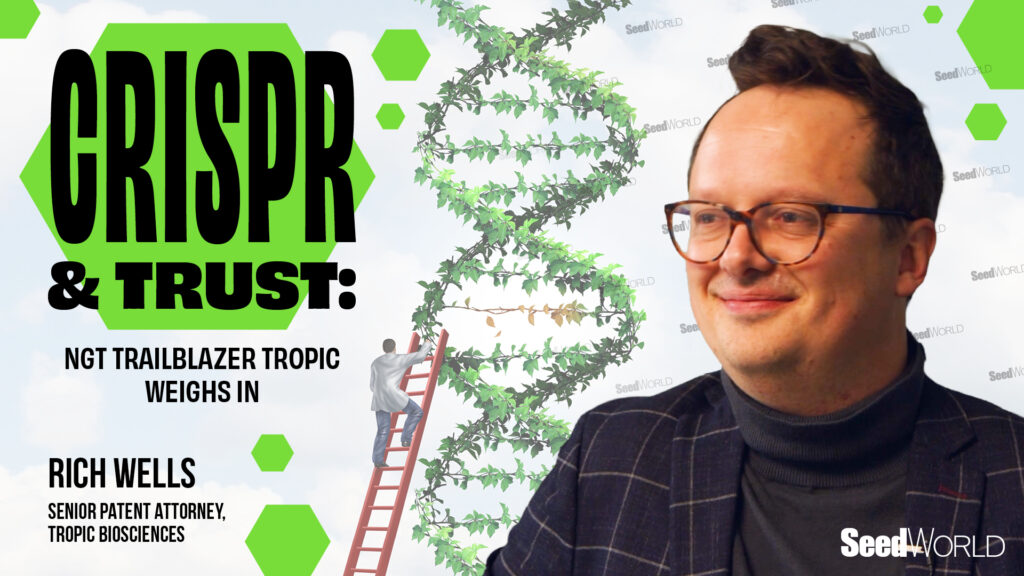
CRISPR is reshaping agriculture. Can regulation and public trust keep up?
In this episode, we talk with Richard Wells, Senior Patent Attorney at Tropic Biosciences, about how gene editing is transforming crops like banana — a sector hit hard by disease and climate change. Wells explains how Tropic uses CRISPR to create resilient, sustainable varieties and what it takes to bring them from lab to field under evolving global regulations.
If you’re interested in agtech, food security or CRISPR regulation, don’t miss this deep dive into where science meets policy.
CSGA Has Gone From Traditional to Trailblazing in Governance
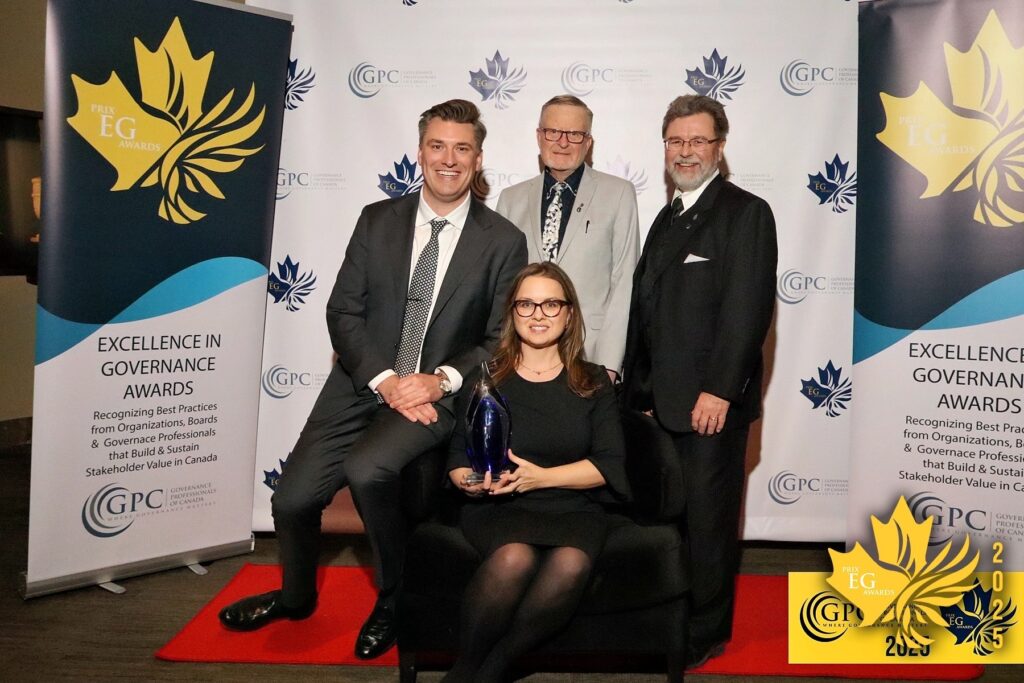
A national honour recognizes the Canadian Seed Growers’ Association’s bold, multi-year mission to reinvent itself
Mental Health: The Invisible Weight

Women in agriculture are carrying an invisible weight — balancing farms, families, and communities while facing mounting pressures. Across North America, new programs are helping farmers talk openly about mental health and find support that fits their world.
Farmers are Rewriting Syngenta’s Approach to Innovation
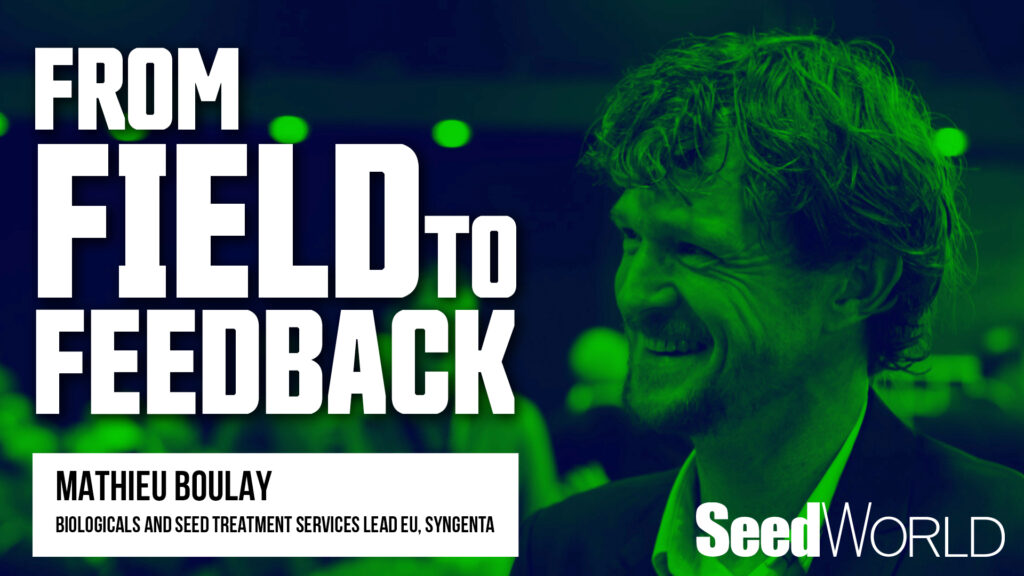
Syngenta’s Mathieu Boulay reveals how true agricultural innovation happens through collaboration — from farmers in the field to scientists in the lab and product teams bringing solutions to market. In this exclusive Seed World interview, he shares how grower feedback shapes development, what derails innovation, and what farmers need for real on-farm impact. Watch this candid, behind-the-scenes conversation.
Barley Producers Back Next-Gen Breeding With $1.15M Investment
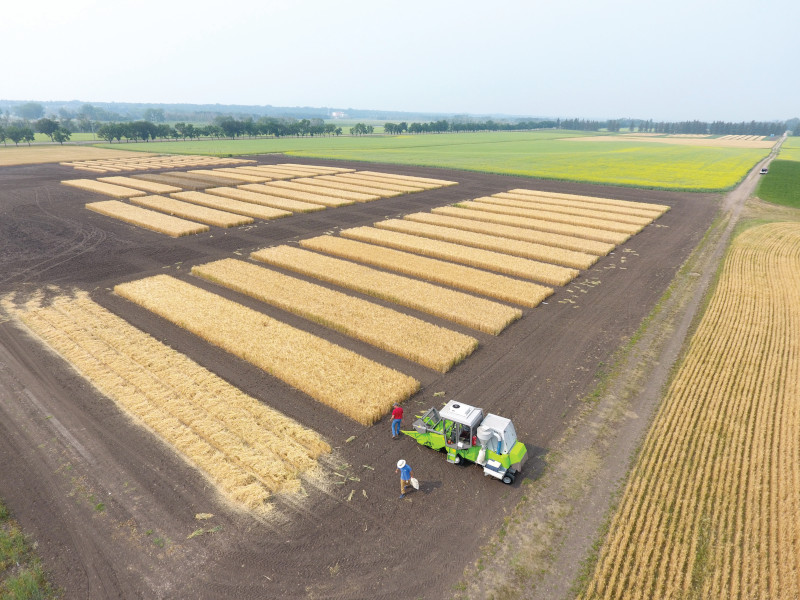
The Canadian Barley Research Coalition (CBRC) announced an investment of $1,148,900 over three years in a Core Barley Breeding Agreement with Agriculture and Agri-Food Canada (AAFC). This producer-funded investment will […]
Researchers Map the Complete Oat Genome to Boost Future Breeding
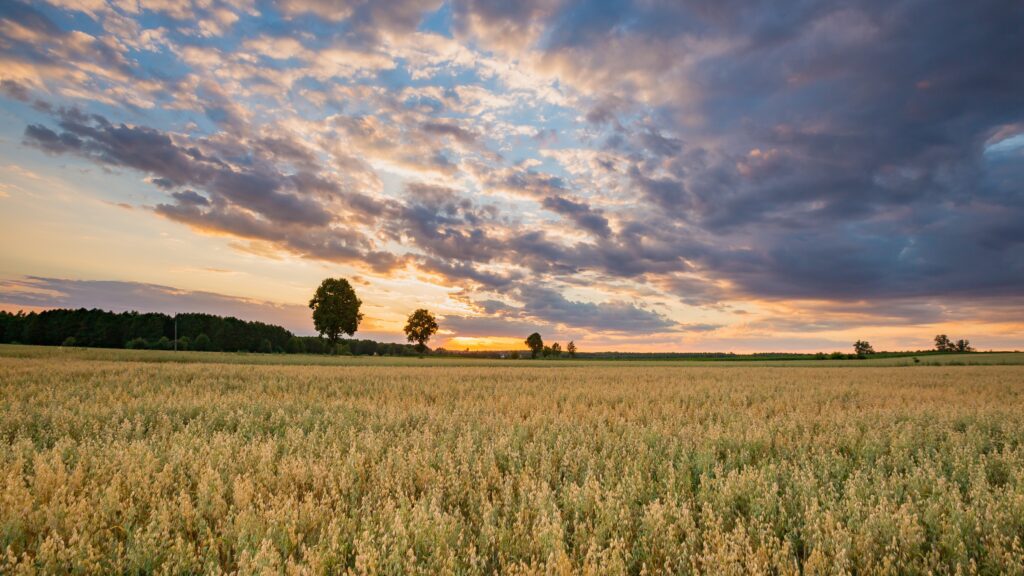
An international team led by Germany’s Leibniz Institute has mapped the complete oat pangenome, compiling genetic data from 30 varieties to unlock traits for nutrition, sustainability, and climate resilience. Featuring ETH Zurich’s study of the historic Swiss ‘Hative des Alpes’ oat, the research offers new opportunities to breed disease-resistant, nutrient-rich, and eco-friendly oat varieties for modern agriculture.
Delivering on Nature’s Design: Why True Collaboration — Between People and Microbes — Will Redefine Agricultural Biologicals
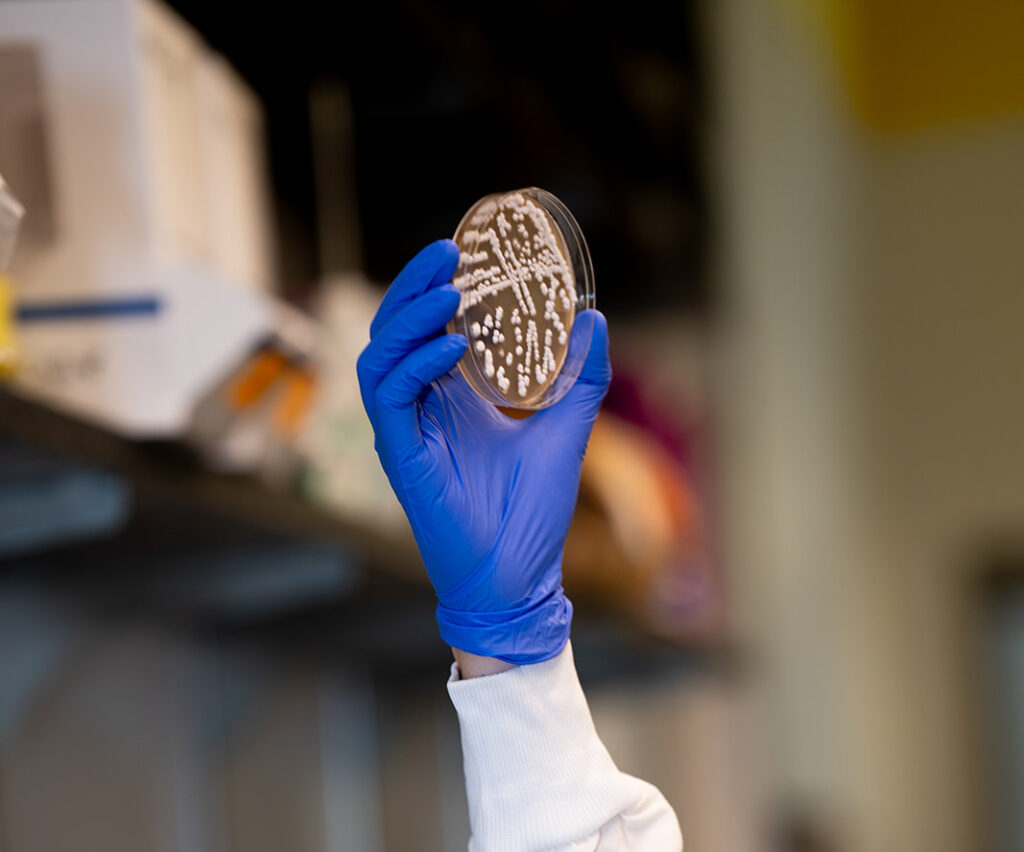
Integrated microbial and chemical solutions are redefining the future of agricultural biologicals. By harnessing natural microbial cooperation and pairing it with proven chemistries, Jord BioScience delivers field-proven performance through synergistic microbial combinations. Industry progress thrives on collaboration — across microbes, technologies, and people — shaping a more resilient, productive, and sustainable future for agriculture.
No Fluff, No Spin: Hot Takes with WSA President Mike Cowan
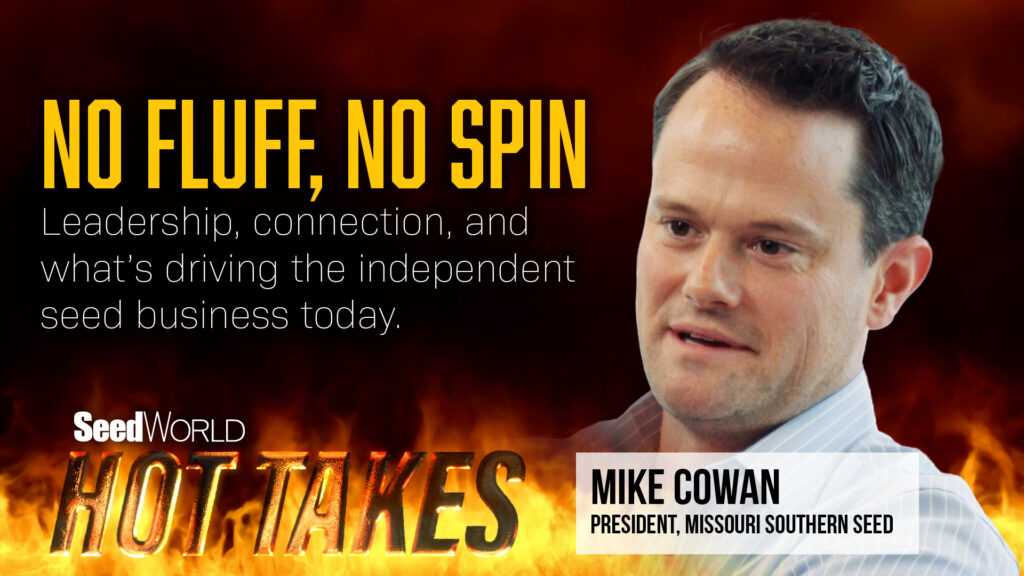
Mike Cowan, Missouri Southern Seed president, just became president of the Western Seed Association board. Cowan, based in Rolla, Missouri, is taking on some hot topics in independent seed. Watch […]
National Seed Health System Marks 25 Years Safeguarding Global Agriculture

As we approach the 25th anniversary of the National Seed Health System – NSHS in 2026, I am reminded daily that healthy seeds are the foundation of healthy plants, resilient […]
‘Act Now’: Agri-Food Industry Warns EU Red Tape Is Stifling Innovation

Twenty-four agri-food organisations urge the European Commission to simplify EU risk assessment processes ahead of NGT trilogue negotiations. They warn that regulatory delays, complexity, and administrative burdens are damaging Europe’s competitiveness and slowing innovation. Their joint letter calls for streamlined EFSA procedures, science-based assessments, and reforms to support a resilient, future-ready EU agri-food sector.
La calidad de las semillas se fortalece gracias a la alianza ISTA-IICA

La Asociación Internacional de Análisis de Semillas (ISTA) y el Instituto Interamericano de Cooperación para la Agricultura (IICA) firmaron un acuerdo para fortalecer los laboratorios de calidad y los sistemas de certificación de semillas en las Américas. La alianza impulsa la capacitación técnica, la estandarización y la innovación para mejorar la competitividad regional y garantizar análisis científicos reconocidos a nivel mundial.
Seed Quality Gets a Boost Through ISTA–IICA Partnership

The International Seed Testing Association (ISTA) and the Inter-American Institute for Cooperation on Agriculture (IICA) signed an agreement to strengthen seed quality testing and certification systems across the Americas. The partnership promotes technical training, standardization, and innovation to improve regional competitiveness and ensure science-based, internationally recognized seed analysis for sustainable agricultural development.
Crop Rotation Increases Yields and Revenue by 20%, Major Global Study Finds

A global study by INRAE and China Agricultural University analyzed over 3,600 field trials and found that crop rotation boosts yields and farm revenue by 20% compared to monocultures. Rotations with legumes improve nutrition and stability, increasing protein, energy, and micronutrients. The findings highlight crop rotation’s critical role in sustainable, resilient, and profitable global agriculture.
¿Porqué es importante certificar el origen de las semillas? El caso Uruguay
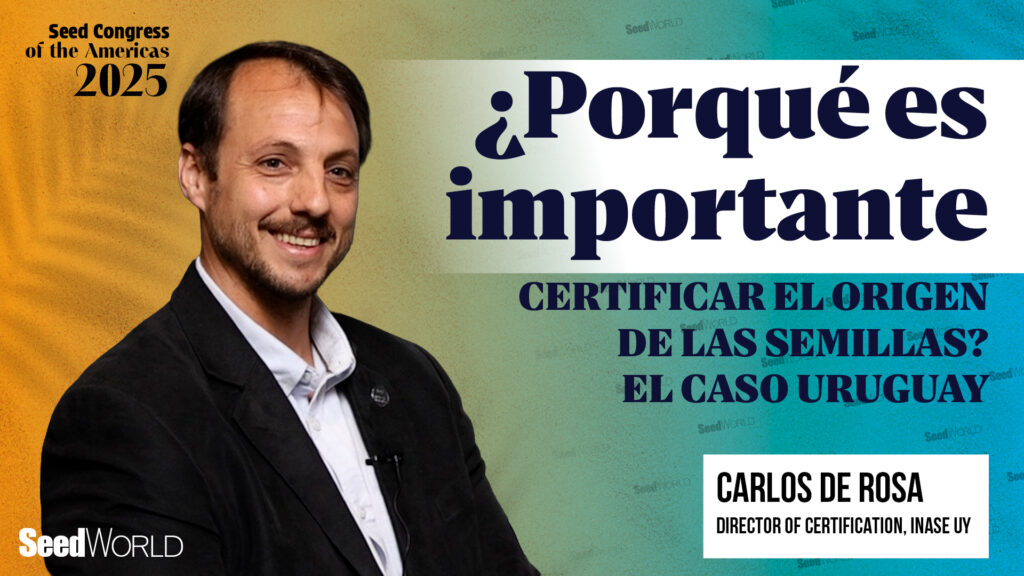
En el 10º Congreso de la SAA en Foz de Iguazú, Carlos da Rosa (INASE Uruguay) destacó el papel clave del instituto en la certificación y control de semillas, fundamental para la calidad y transparencia en un país con fuerte perfil exportador. Uruguay avanza como hub de multiplicación de semillas para mercados internacionales, apoyado por marcos normativos modernos que impulsan negocios, sostenibilidad y seguridad alimentaria.
Ukraine Opens New Duplicate Centre to Safeguard Plant Genetic Resources
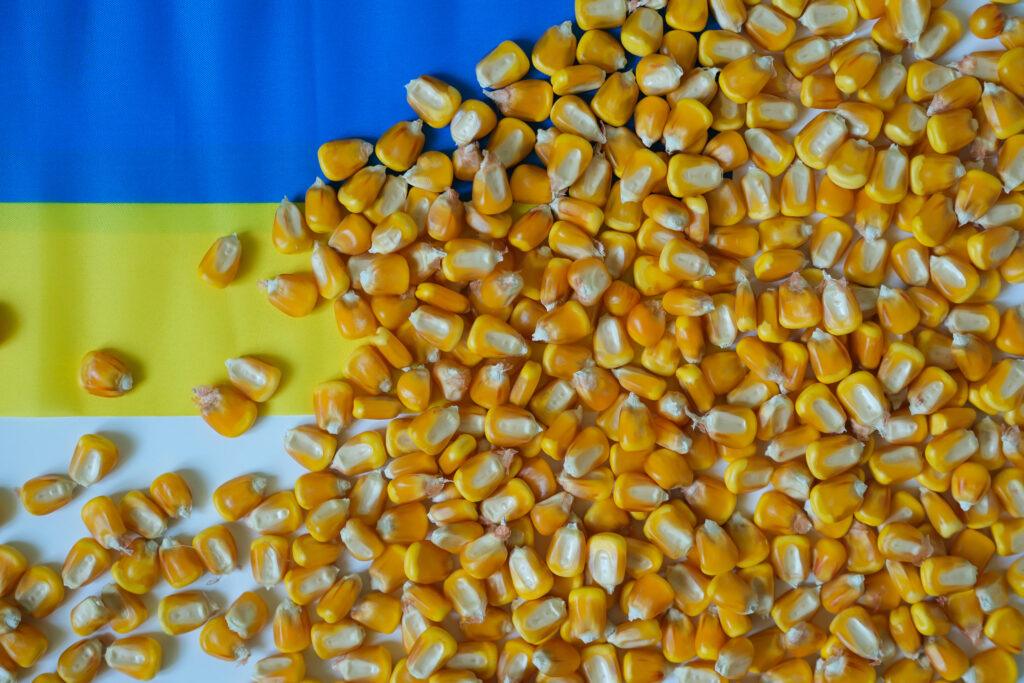
The FAO and EU, together with global partners, have opened Ukraine’s new Duplicate Centre for Plant Genetic Resources, securing 51,000 seed samples relocated after the Kharkiv gene bank attack. The state-of-the-art facility strengthens long-term preservation, research, and international cooperation, supporting Ukraine’s 2024–2028 national strategy and safeguarding vital crop diversity essential for global food security and climate resilience.
New Executive Director for Seed Innovation Protection Alliance

The Seed Innovation Protection Alliance announced that Chris Reat became executive director Nov. 15 following the planned transition of retiring executive director Eloy R Corona.
The Canadian Plant Breeding Innovation Awards are Accepting Nominations, Applications for 2026!

You can also come on as a sponsor for the Canadian Plant Breeding Innovation Scholarships
UK Precision Breeding Act Takes Effect, Driving Crop Innovation

The UK’s Precision Breeding Act has officially taken effect, creating a science-based regulatory framework that separates gene-edited crops from GMOs and accelerates innovation. Research leaders at NIAB and Rothamsted Research hailed the law as a historic milestone, enabling faster development of disease-resistant, climate-resilient and sustainable crop varieties, marking a new era for British agriculture and crop science.
Euroseeds, Copa and Cogeca Pushes EU for Science-First NGT Rules

Euroseeds, Copa and Cogeca urge the EU to adopt a science-based, innovation-friendly framework for New Genomic Techniques (NGTs). They stress that NGT 1 plant verification must remain purely technical, with minimal traceability and labelling burdens. A proportionate, globally aligned approach would boost EU competitiveness, support research, and strengthen agriculture’s ability to meet food security and climate challenges.
Chile desarrolla un dispositivo con inteligencia artificial para mejorar la calidad y precisión de las semillas

Chile, principal exportador de semillas del hemisferio sur, exportó casi 400 millones de dólares en 2024. Investigadores de la Universidad de Concepción desarrollan un dispositivo portátil con inteligencia artificial para monitorear la producción de semillas híbridas. Esta innovación reducirá errores, mejorará la precisión y reforzará el liderazgo mundial de Chile en la producción sostenible de semillas.
Chile Develops AI-Powered Device to Improve Seed Quality and Precision

Chile, the Southern Hemisphere’s leading seed exporter, shipped nearly USD 400 million in seeds in 2024. To enhance quality control in hybrid seed production, researchers from the University of Concepción are developing an AI-powered monitoring device using smartphone technology. The innovation aims to reduce errors, boost precision, and strengthen Chile’s global leadership in sustainable seed production.
Haciendo más simple la toma de muestras de ADN para la industria de semillas
En el 10º Congreso de la SAA en Foz de Iguazú, Julieta Imperiale, CEO de NanoJump Bio, presentó una solución para optimizar la trazabilidad del ADN en muestras agrícolas. Su tecnología permite extraer ADN directamente en el campo, evitando el traslado de muestras físicas y reduciendo costos, tiempos, riesgos de alteración y carga logística en una industria con miles de análisis diarios.
Breakthrough Brings Self-Fertilizing Crops One Step Closer
Researchers at Aarhus University have discovered a molecular mechanism that could enable cereal crops like wheat and maize to fix nitrogen naturally, reducing reliance on synthetic fertilizers. By altering two amino acids in a plant receptor, the team reprogrammed plants to form symbiotic relationships with nitrogen-fixing bacteria—paving the way for greener, climate-friendly, and more sustainable agriculture.
Agriculture’s Best-Kept Climate Secret: The Power of Seeds
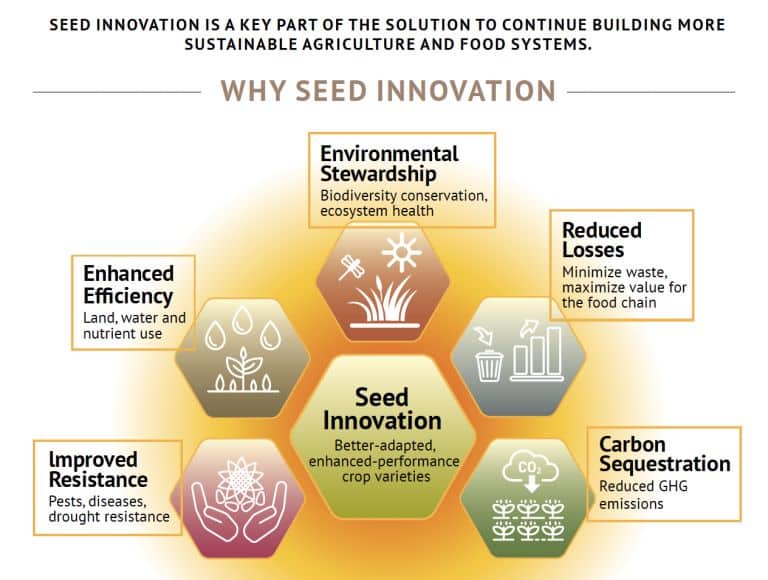
Seed innovation is emerging as a critical climate solution ahead of COP30 in Brazil. The International Seed Federation highlights how climate-ready seeds boost resilience, protect farmer livelihoods, reduce agriculture’s footprint, and strengthen food security. ISF urges smarter policy, stronger supply-chain collaboration, and greater climate finance to scale seed innovations that help farmers adapt to rising heat, drought, and extreme weather.
Seed World INSIGHT: Plant Genetic Resources Treaty at a Crossroads
Global negotiations this November in Lima will determine how countries share and benefit from plant genetic resources, shaping the future of crop innovation, biodiversity, and food security. In a Seed World INSIGHT panel, leaders from ISF, Bejo Zaden, and Corteva examine fair ABS systems, DSI governance, and the risks of a flawed Treaty update. Watch the full discussion for key insights.
The International Plant Genetic Resources Treaty, Simplified
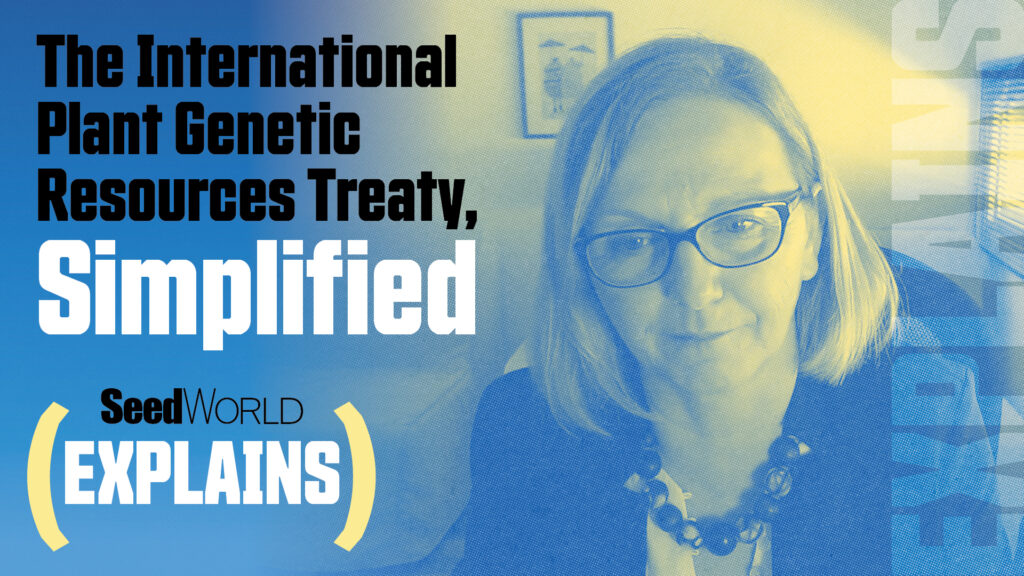
The International Treaty on Plant Genetic Resources is entering major renegotiation in Nov. 2025, where more than 150 countries will decide how to update funding, benefit-sharing, and rules for rapidly evolving genetic technologies. In a Seed World EXPLAINS video, Jasmina Muminović clarifies how global access to plant genetics works and why the Lima decisions will shape biodiversity, breeding, and future innovation.
Grass Seed Market Outlook: Clarity in Turbulence
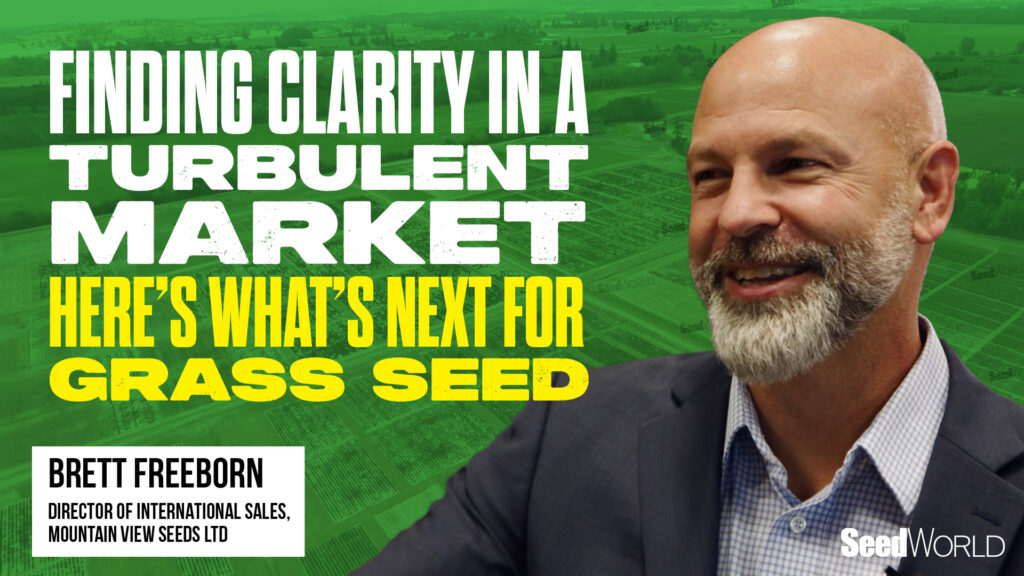
The turfgrass seed market is finally stabilizing after years of dramatic swings in supply and demand. Mountain View Seeds’ Brett Freeborn offers a rare, global view of emerging opportunities, key demand drivers, and crucial lessons from recent turbulence. His insights help industry leaders better plan inventory, adjust strategy, and understand where real growth potential lies heading into 2025 and beyond.
Beyond Yield: The New Frontier of Sustainable Agricultural Growth

Agriculture is at a critical turning point, says CropLife International CEO Emily Rees. A new report from CropLife International and NTT DATA shows how farmers worldwide are boosting productivity, restoring ecosystems, and building climate resilience. From Brazil’s ILPF systems to Cambodia’s soil regeneration and South Africa’s biotech adoption, real-world case studies demonstrate scalable, sustainable solutions. The guide highlights profitability, soil health, biodiversity, and resilience as core drivers of growth. As COP 30 unfolds, the message is clear: improved seeds and smarter practices can unlock sustainable agricultural transformation and support global climate and food-security goals.
ABCSEM aprueba medida de emergencia para desbloquear las importaciones de semillas y plántulas
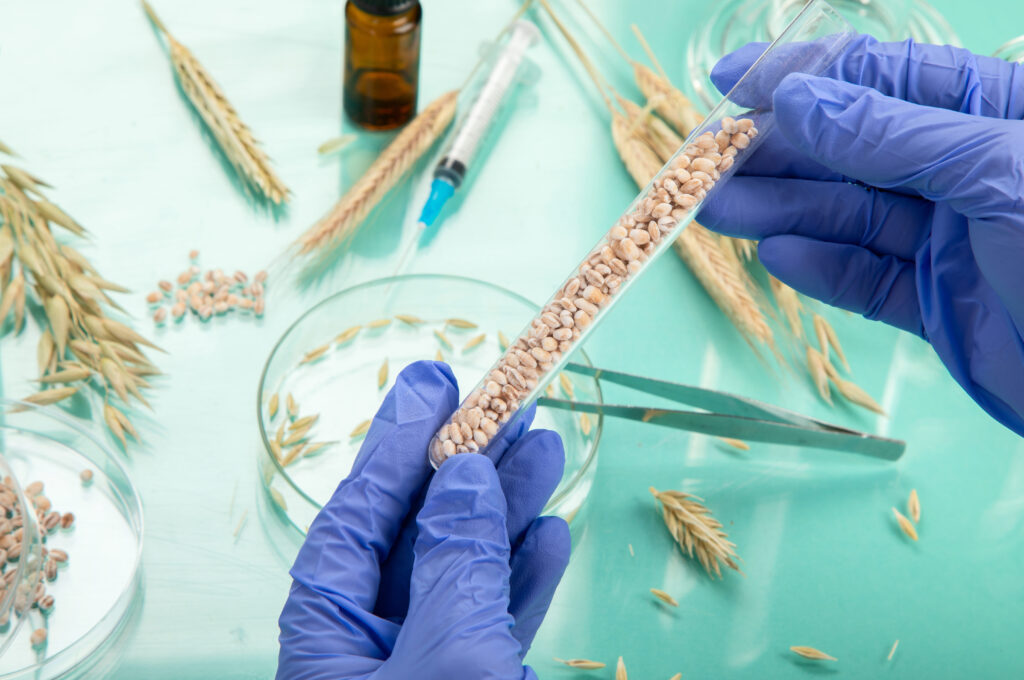
El Ministerio de Agricultura de Brasil (MAPA) emitió la Ordenanza N.º 1.429/2025 tras reuniones con ABCSEM, resolviendo un impasse regulatorio que paralizó las importaciones de semillas y plántulas. La medida autoriza a laboratorios acreditados a realizar análisis fitosanitarios fuera de su alcance actual, garantizando la continuidad comercial, el control de plagas y mayor eficiencia en las operaciones de importación y exportación.
ABCSEM Secures Emergency Measure to Unblock Seed and Seedling Imports
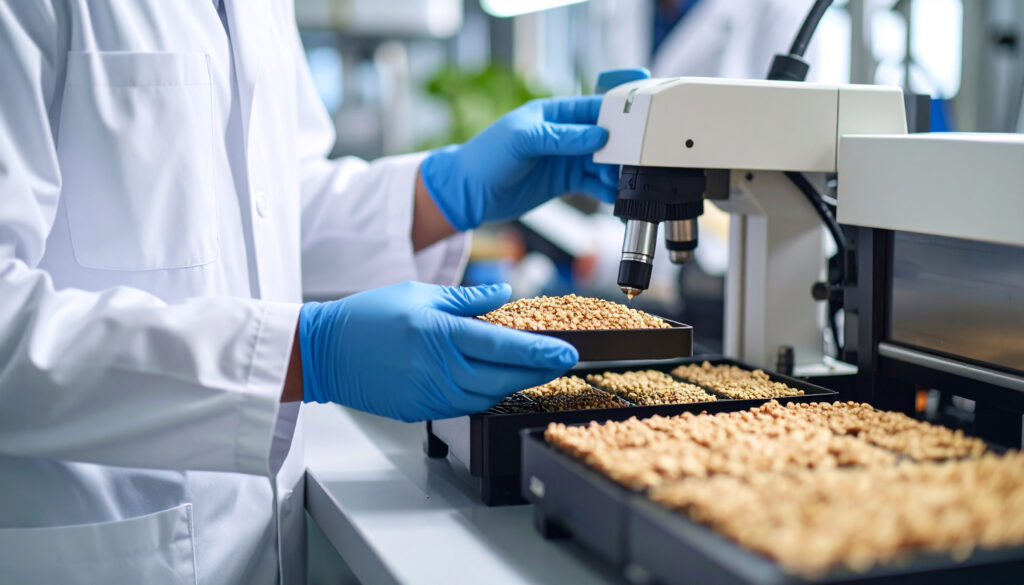
Brazil’s Ministry of Agriculture (MAPA) issued Ordinance No. 1,429/2025 after consultations with ABCSEM, resolving a regulatory impasse that halted seed and seedling imports. The emergency measure authorizes accredited laboratories to perform phytosanitary analyses beyond their current scopes, ensuring trade continuity, pest control, and greater efficiency in Brazil’s seed import and export operations.
Experts Discuss DNA’s Role in the Future of Plant Breeding
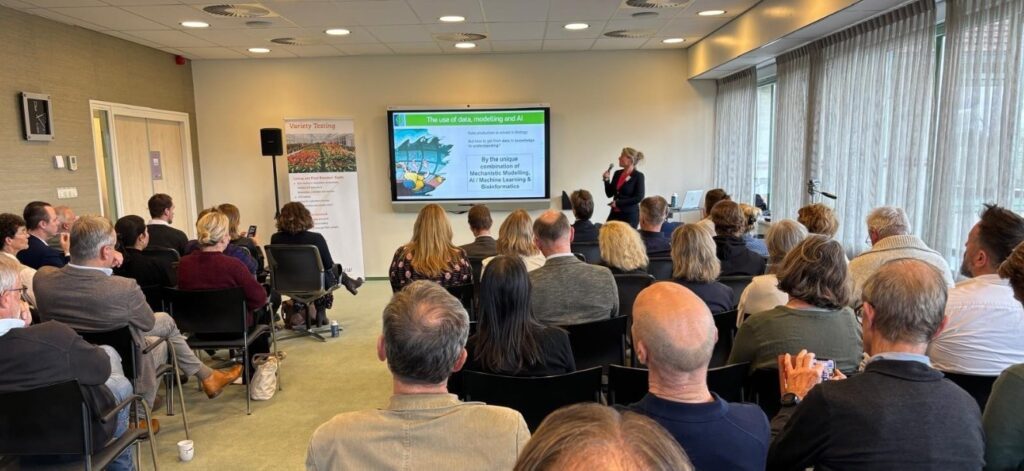
Naktuinbouw’s symposium, “To Divide Is to Multiply,” gathered breeding experts to explore how DNA technologies can enhance DUS testing and breeding efficiency. Speakers from CropXR, Dümmen Orange, CPVO, and Naktuinbouw emphasized collaboration, data sharing, and legal clarity as key to innovation. The event underscored DNA’s growing role in accelerating crop development and strengthening plant variety protection.
Almost Everything You Eat Has Been Modified by Humans

Modern crops aren’t products of nature but of thousands of years of selective breeding.
Farmers Are Ready for Innovation. Why Canada’s Regulations Aren’t

The truth is simple: status quo is not an option if we want a competitive future, says Seeds Canada President Brent Collins