

Science, Speculation and the Growing Debate about Seed Oils

Seed oils have long been valued for their polyunsaturated fats, but recent debates about omega-6 content are prompting consumers to reconsider their use. Experts weigh in on whether the concerns are scientifically valid or overblown.
With Parliament Coming Back, we Have a Chance to Show our Value in Nation Building

Modern advocacy isn’t about protest — it’s about partnership, strategy, and showing what works.
Chile se Consolida Como un Centro Clave para el Desarrollo de Semillas Transgénicas y Editadas Genéticamente
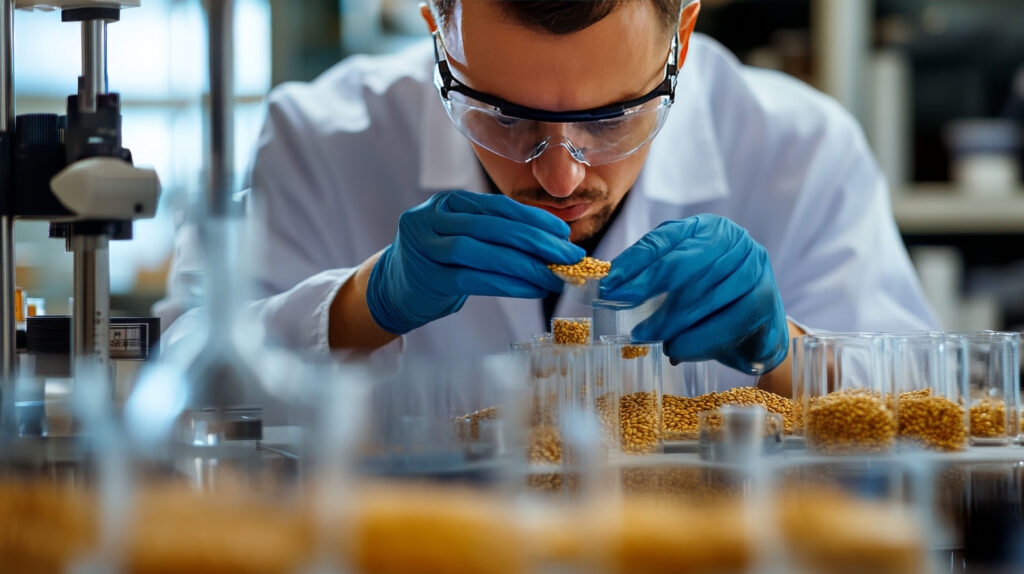
En las últimas dos décadas, Chile ha exportado más de US$2.300 millones en semillas biotecnológicas. El país es un centro de investigación, desarrollo y ensayos de multiplicación de numerosas variedades de maíz, soja y canola genéticamente modificadas (GM) que se cultivan en todo el mundo, y ahora también trabaja con nuevos cultivos editados genéticamente. Este rol se ha desarrollado mediante una combinación de investigación científica, regulación, industria y participación de los agricultores.
Chile Emerges as a Key Hub for GMO and Gene-Edited Seed Development
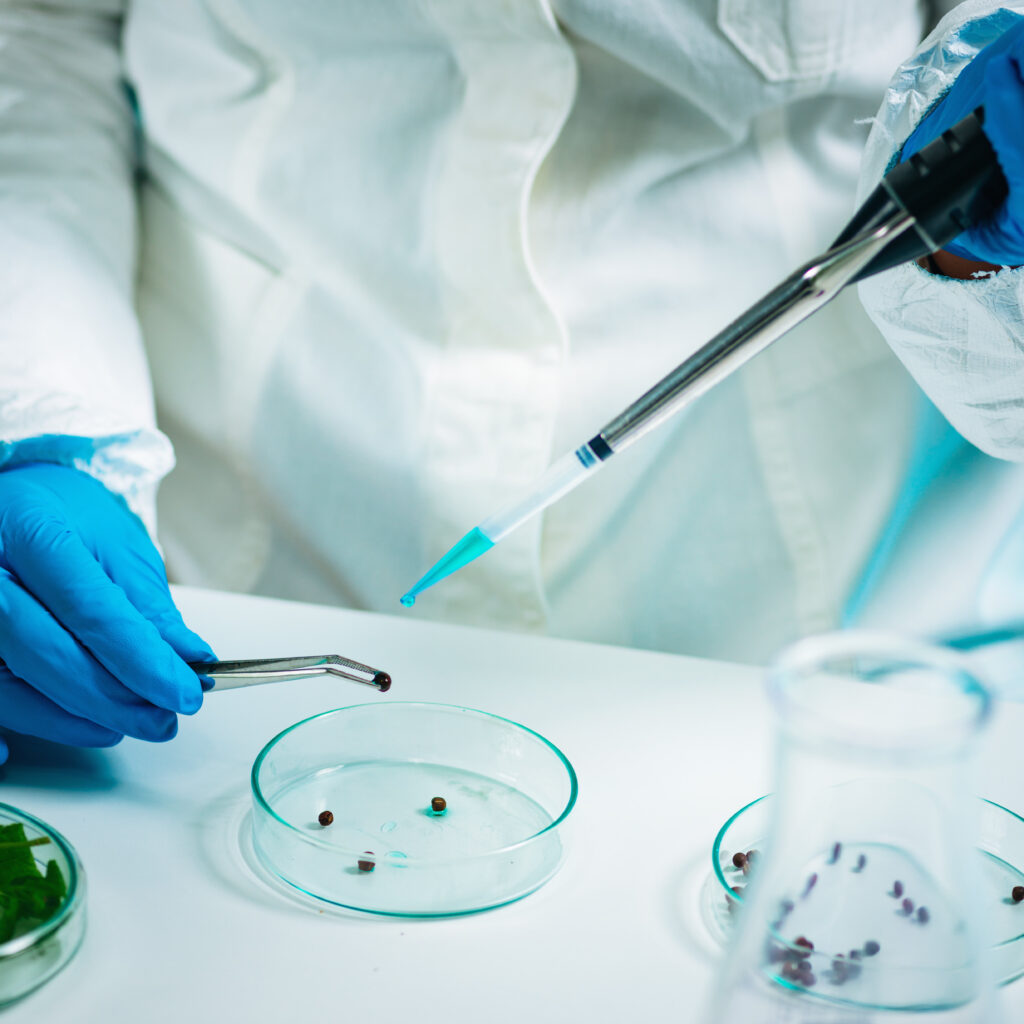
Over the past two decades, Chile has exported more than US$2.3 billion in biotech seeds. The country is a hub for research, development, and multiplication trials of many genetically modified (GM) maize, soybean, and canola varieties grown worldwide, and is now also working with newly gene-edited crops. This role has been built through a combination of scientific research, regulation, industry, and farmer involvement.
Svalbard Global Seed Vault Showcases Long-Term Experiments During Danish Visit
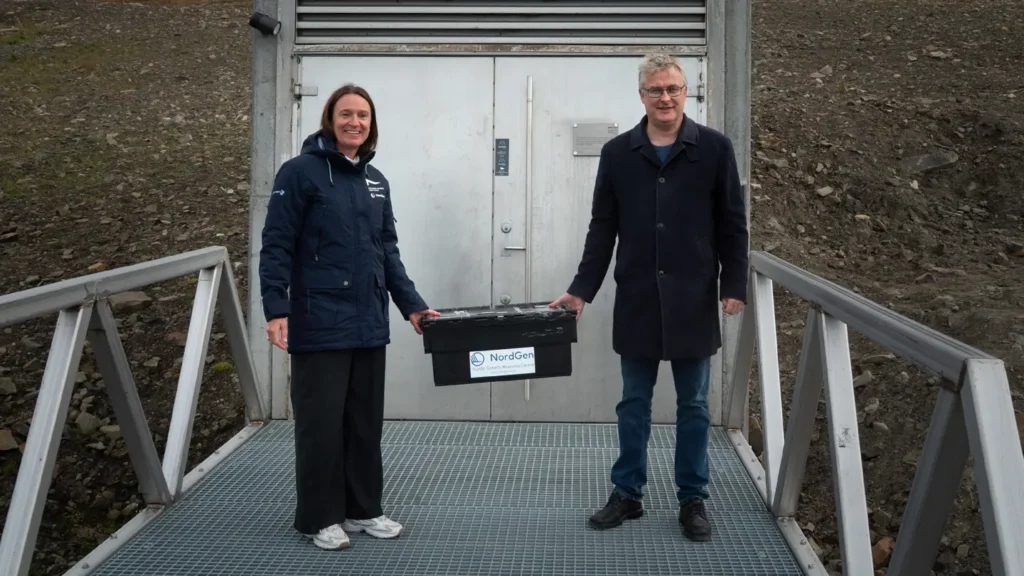
On August 17–18, Danish Minister Jacob Jensen visited Svalbard to learn about the Svalbard Global Seed Vault. He reviewed the upcoming October seed deposit prepared by NordGen, which includes 381 samples from Nordic countries, 19 of Danish origin, such as wild carrot, lingonberry, turnips, root parsley, and perennial ryegrass. The Seed Vault now holds over 4,600 Danish samples across 241 plant species.
The Oil War in Your Kitchen

Seed oils rose to prominence in the 1960s when health experts recommended them over animal fats, making them a staple in American kitchens. Today, they remain essential for cost-effective cooking, even as alternatives like olive oil, avocado oil, and beef tallow gain attention.
China’s Canola Tariff is a Gut Punch — and Ottawa is Looking for Plan B

The canola industry just took a heavy hit. The feds are trying to figure out how to hit back
Estrategias Integrales para Impulsar el Rendimiento del Girasol

El INTA ha trabajado durante décadas en el cultivo de girasol, abarcando manejo, desarrollo de híbridos adaptados, resistencia a plagas y enfermedades, y mejora de la calidad. Destacan que el manejo sanitario depende también de híbridos, densidad de siembra y fertilización, que afectan el dosel y la cobertura del suelo.
Comprehensive Strategies to Boost Sunflower Yields

INTA has advanced sunflower cultivation by developing hybrids, improving crop management, and enhancing disease resistance and quality, emphasizing that health management depends on factors like hybrid choice, planting density, and fertilization.
How a Storm Proved Short-Stature Corn Could Be Farming’s Game Changer
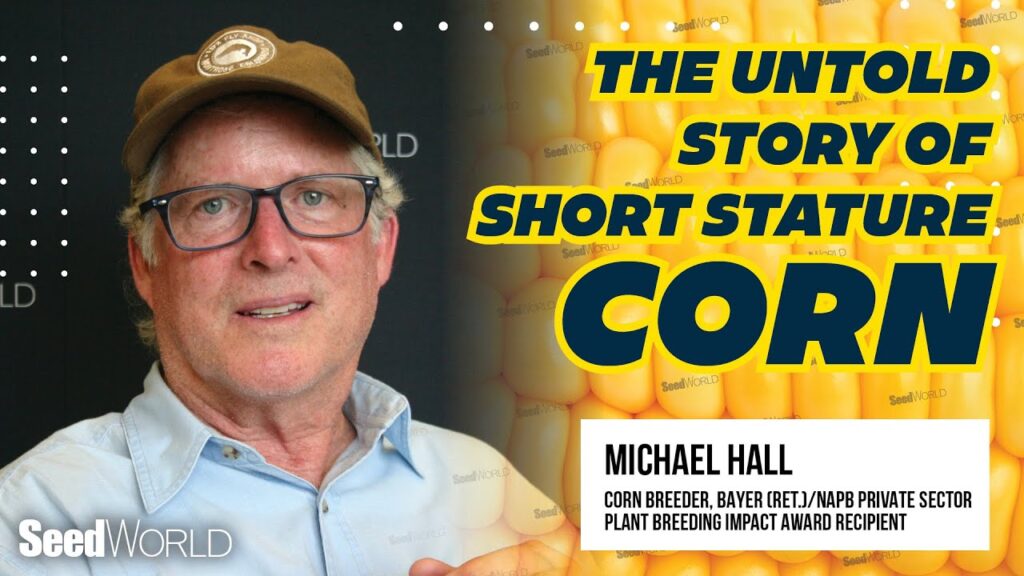
For Michael Hall, short-stature corn isn’t just another breeding project — it’s a once-in-a-career breakthrough.
Inside the Race to Climate-Proof Wheat and Oats

This isn’t a slow academic exercise. It’s a full-scale innovation push.
The Gene Was There All Along. This AI Just Knew Where to Look

AI-powered gene discovery is revolutionizing agriculture by revealing hidden insights within plant genomes that traditional breeding can’t access. Across global breadbaskets—from Canadian wheat fields to American soybean farms—this transformation is happening at the molecular level, where artificial intelligence decodes and interprets plant DNA. The future of crops is being shaped not just in the field, but in how we read and harness their genetic blueprints.
New Study Reveals Hidden DNA Elements That Could Help Corn Withstand Drought

A Nature Genetics studymaps cis elements in 25 maize hybrids, revealing genetic regions tied to drought tolerance and providing new tools for breeding climate-resilient corn.
CONICET y AAPRESID se Asocian para Impulsar la Tecnología Agrícola

En el Congreso 2025 de AAPRESID, CONICET y la asociación firmaron un acuerdo de cooperación para impulsar proyectos innovadores mediante el programa Sistema Chacras, promoviendo la intensificación sustentable de cultivos y apoyando las necesidades de los productores agrícolas.
CONICET, AAPRESID Partner to Advance Ag Tech

At AAPRESID 2025, CONICET and AAPRESID signed a cooperation agreement to advance sustainable crop intensification through the Chacras System program.
This Underground Secret is Shaping Crops in a Warming World
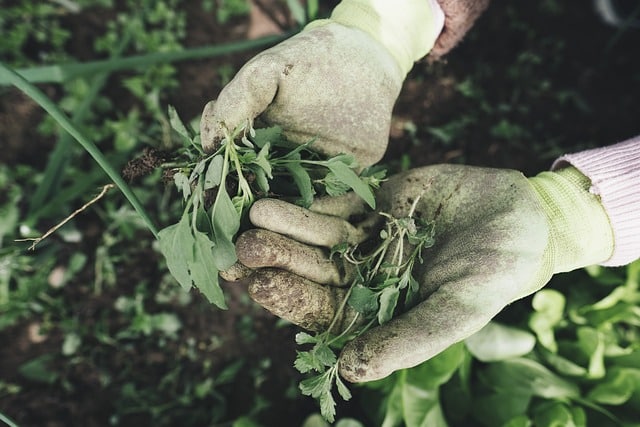
Researchers and farmers are working together to better understand how the soil microbiome—the living, microbial component of soil — changes under different management practices. The effort could provide insight into […]
Regulatory DNA Emerges as Untapped Resource for Crop Breeding and Climate Resilience

A Nature Genetics study from the Max Planck Institute presents a scalable method to map genomic “switches,” revealing DNA variants that can boost crop performance under stress and accelerate adaptation to climate change.
Scientists: Overhaul Global Food Systems to Avert Worsening Land Crisis

A Nature study by 21 scientists shows that reforming global food systems—cutting food waste and boosting sustainable ocean-based food—could halt land degradation and preserve land the size of Africa by 2050, helping combat climate change and biodiversity loss.
Empresas de Semillas Exploran Colaboración Público-Privada para Apoyar a los Productores Agrícolas
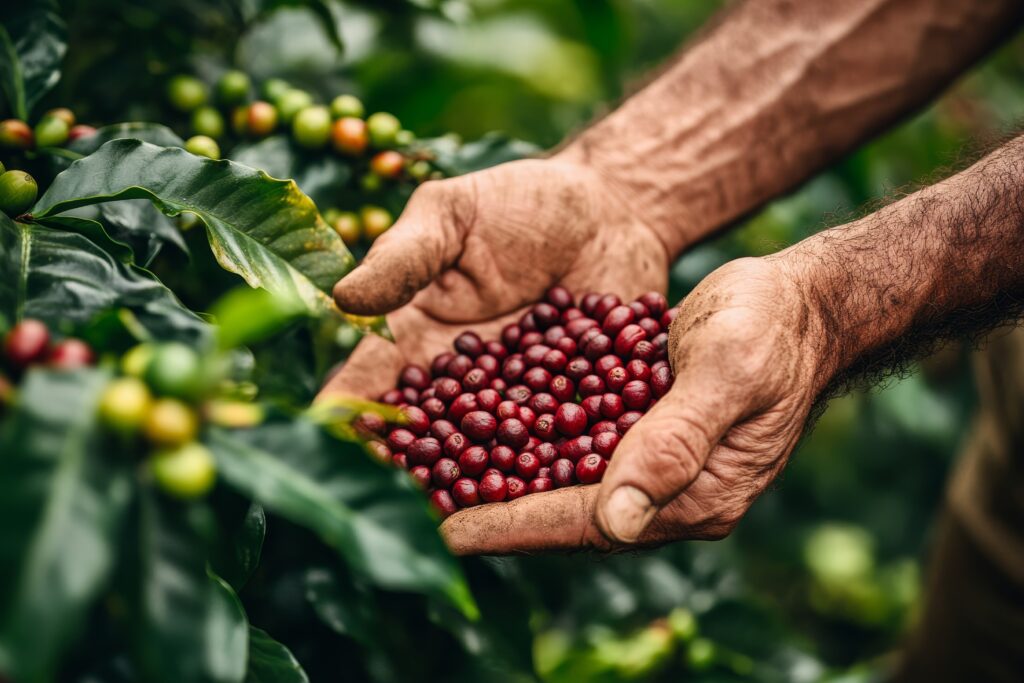
El panel de la Convención AMSAC 2025 reunió a líderes del sector de semillas y al INIFAP para explorar estrategias de colaboración público-privada que fortalezcan la agricultura mexicana.
Seed Companies Explore Public-Private Collaboration to Support Agricultural Producers
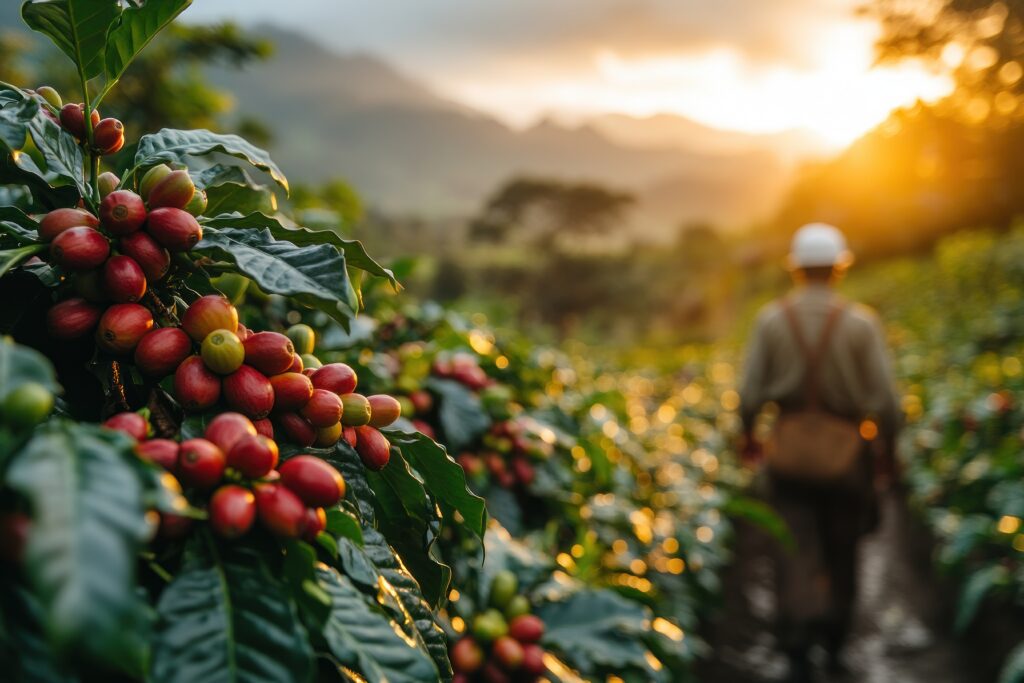
At AMSAC 2025, experts including Dr. Miguel García Winder (INIFAP) and four seed companies discussed public-private collaboration to boost Mexico’s agriculture.
La Evolución Inversa Revela una Defensa Oculta en los Tomates

Científicos descubren evolución inversa en tomates silvestres de Galápagos, con implicaciones para mejorar cultivos y fortalecer la resiliencia agrícola.
El INTA Avanza en la Industrialización de la Quinua Argentina

INTA San Juan apoya la producción de quinua con una planta única de valor agregado, ofreciendo quinua de alta calidad y apta para estándares alimentarios internacionales.
AI Model Boosts Crop Disease Detection with Minimal Data

PlantCaFo is a few-shot learning model that detects plant diseases with limited data, achieving 93.5% accuracy using pretrained networks like CLIP, DINO, and DINO2.
INTA Advances with the Industrialization of Argentine Quinoa
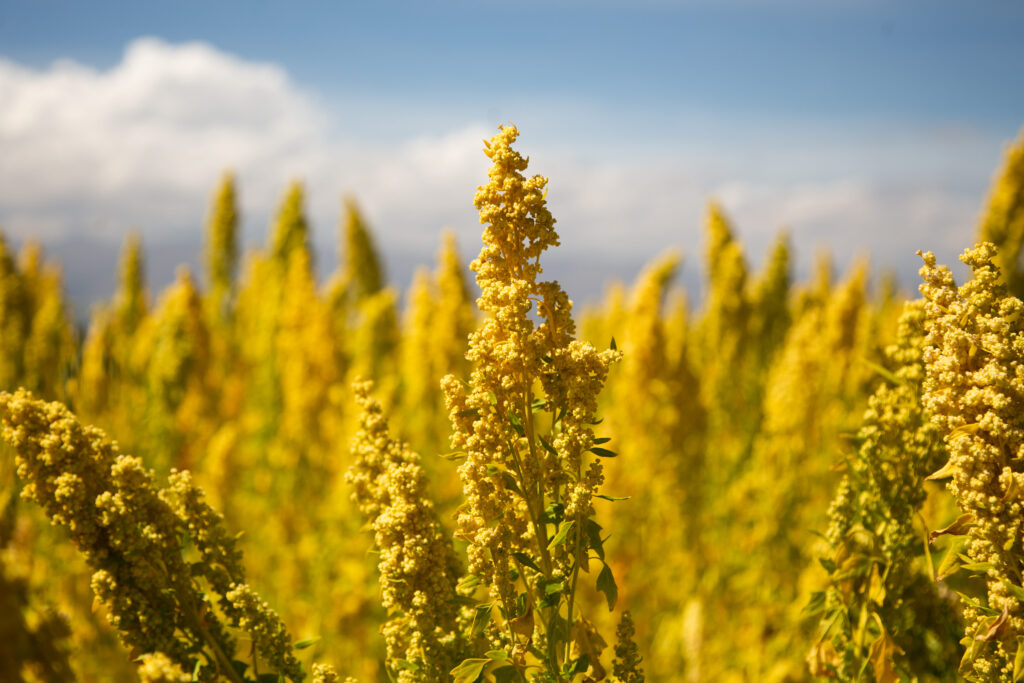
INTA San Juan supports quinoa production with a unique value-added facility, delivering high-quality, international food-grade quinoa.
New Technique Silences Plant Genes to Boost Crop Yields
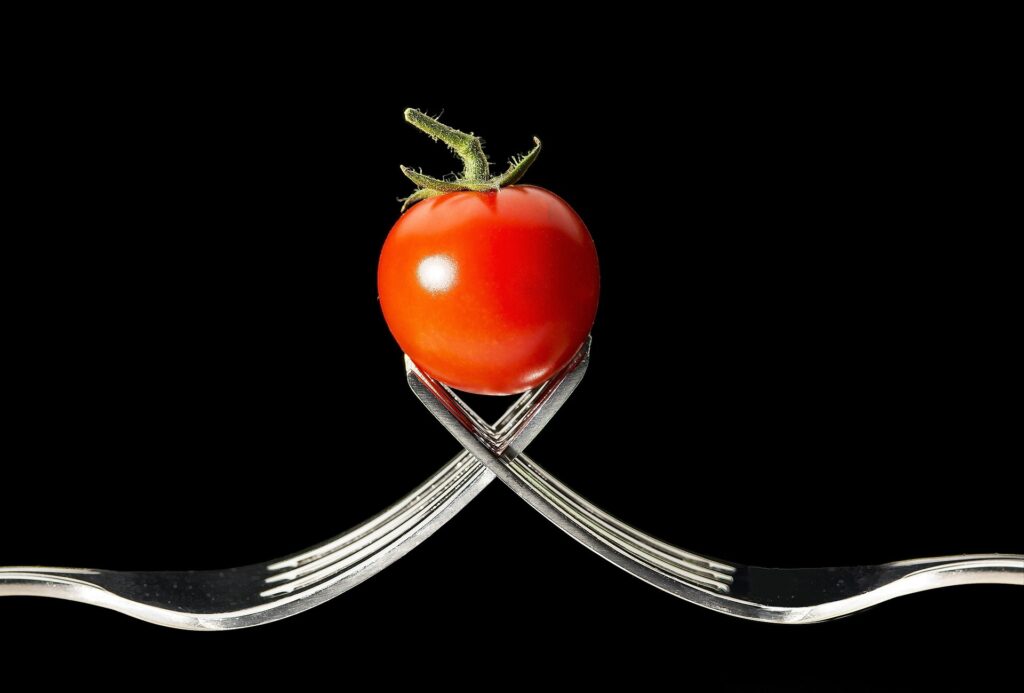
CSIC researchers have developed a gene-silencing method using ultra-short RNAs delivered by modified viruses, enabling precise control of plant traits for crop improvement and sustainable agriculture.
Level Up Your Seed Treatment Program
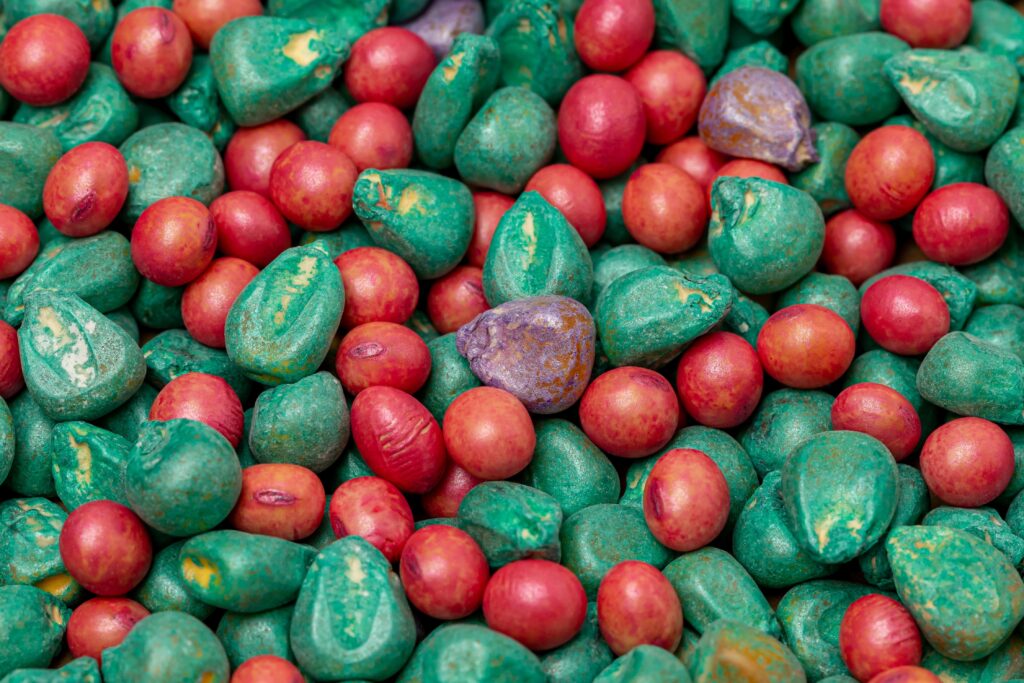
As harvest ends, seed professionals focus on planning for next season. Fall is ideal for reviewing seed treatments and refining your strategy to ensure strong performance in 2026.
17 Transatlantic Shipments Later, Canadian Crops Still Outperform Europe on Carbon

Turns out, Canadian-grown wheat, canola and peas have some of the lowest carbon footprints in the world
BASF, Corteva y M.S. Technologies se Asocian para Traer la Primera Soja Resistente a Nematodos a Brasil

BASF, Corteva Agriscience y M.S. Technologies presentan la soja Enlist E3® y Conkesta E3® con el rasgo NRS, la primera biotecnología para controlar nematodos radiculares y de cisto en Brasil.
BASF, Corteva, and M.S. Technologies Partner to Bring First Nematode-Resistant Soybean to Brazil
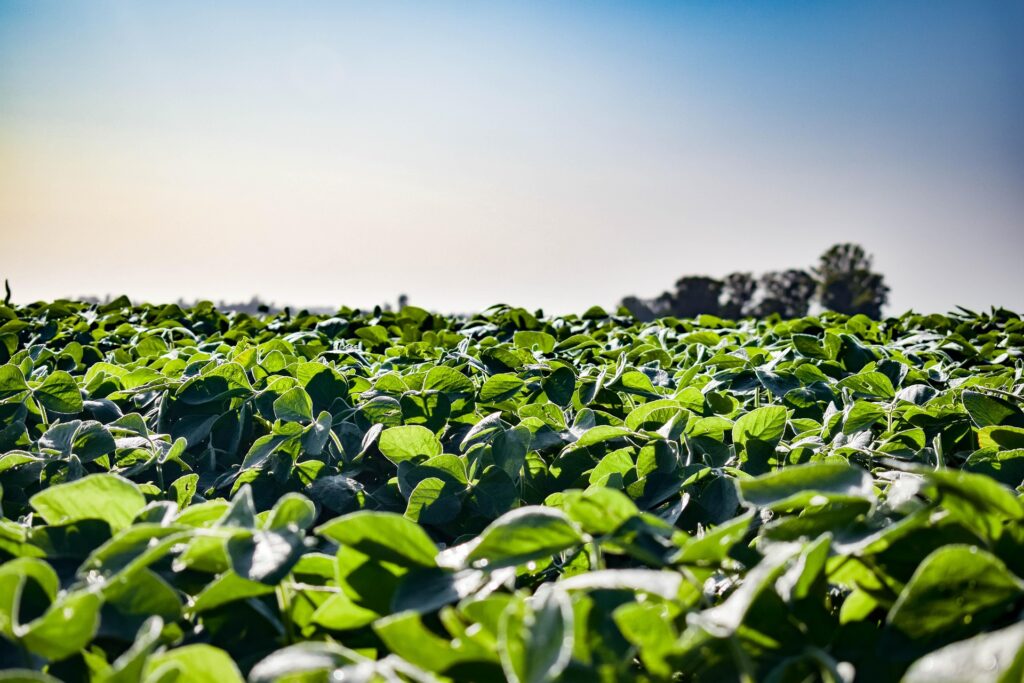
BASF, Corteva, and M.S. Technologies will introduce BASF’s nematode-resistant soybean (NRS) trait in Brazil, offering the first biotech solution to control root lesion and soybean cyst nematodes.
Dr. Derek Barchenger Wins 2025 Borlaug Field Award for Pepper Breeding Breakthroughs
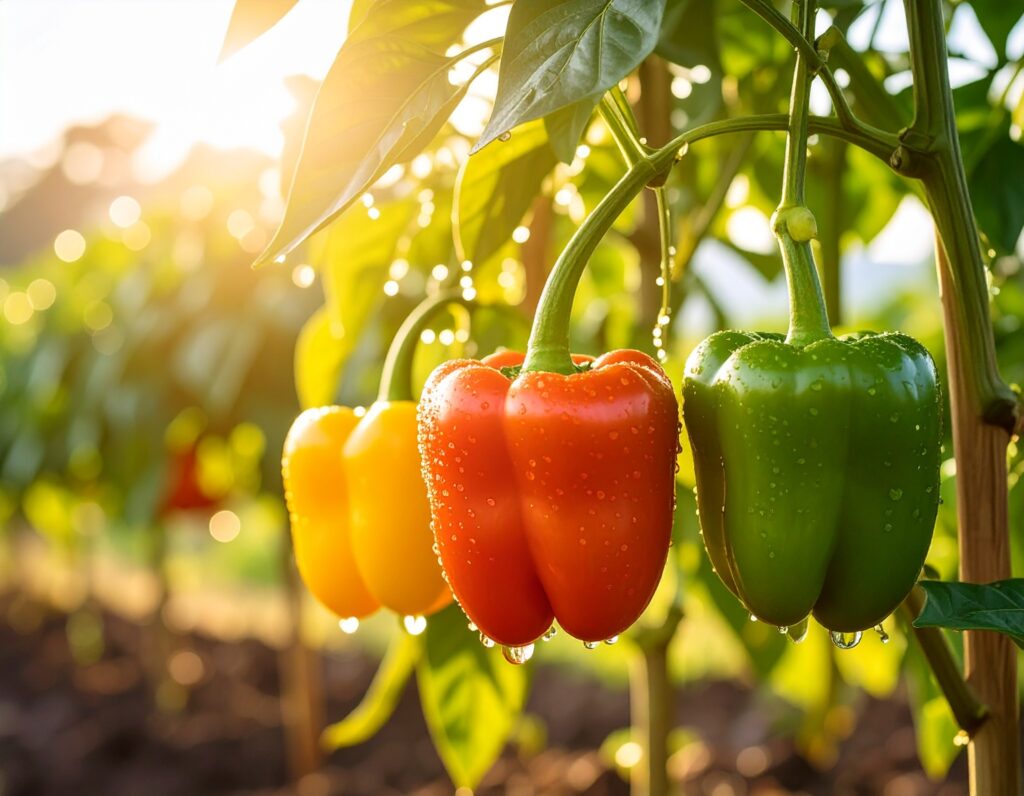
The World Food Prize Foundation has named Derek Barchenger, Senior Scientist and head of the Global Pepper Breeding Program at the World Vegetable Center (WorldVeg), as the 2025 recipient of the Norman E. Borlaug Award for Field Research and Application, endowed by the Rockefeller Foundation.
New Project to Develop Methods To Fast-Track Crop Improvement

Researchers at Cranfield University are developing pollen- and seed-based genetic engineering methods for tomatoes to speed up crop innovation and bypass slow, labor-intensive tissue culture processes.
Cover Crops and Coatings: A Better Path for Soil, Sustainability, and the Bottom Line
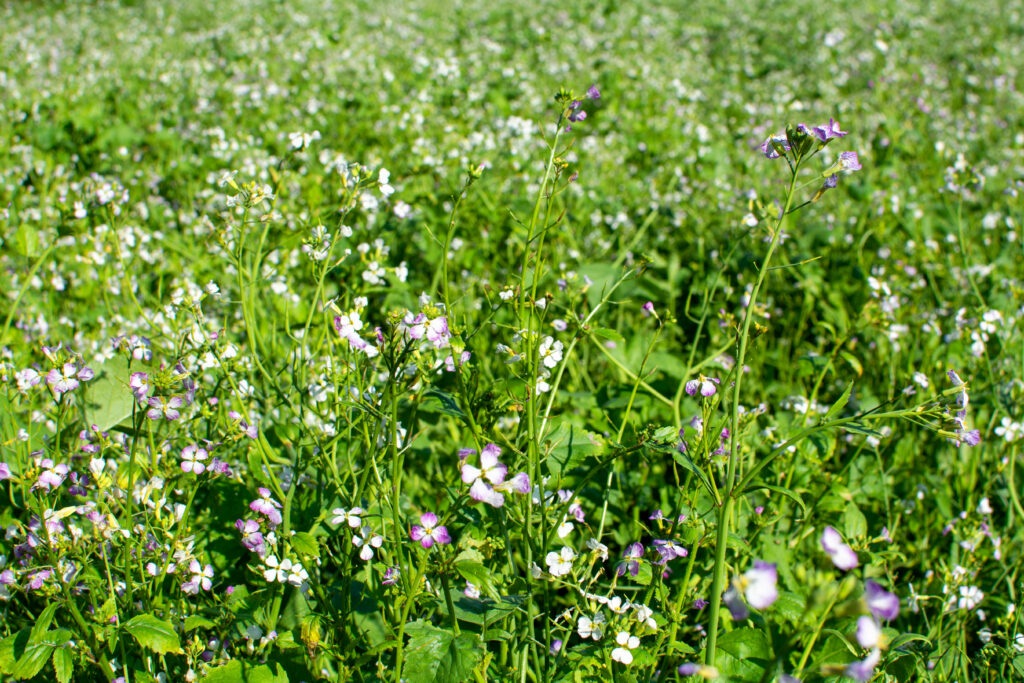
Cover crops protect soil, enhance health, and boost biodiversity while reducing erosion, compaction, and input costs. Beyond environmental benefits, programs like EQIP offer financial incentives, and retailers can find new sales opportunities in the off-season.
Argentina Avanza en la Identificación de Variedades de Soja Mediante Marcadores Ópticos
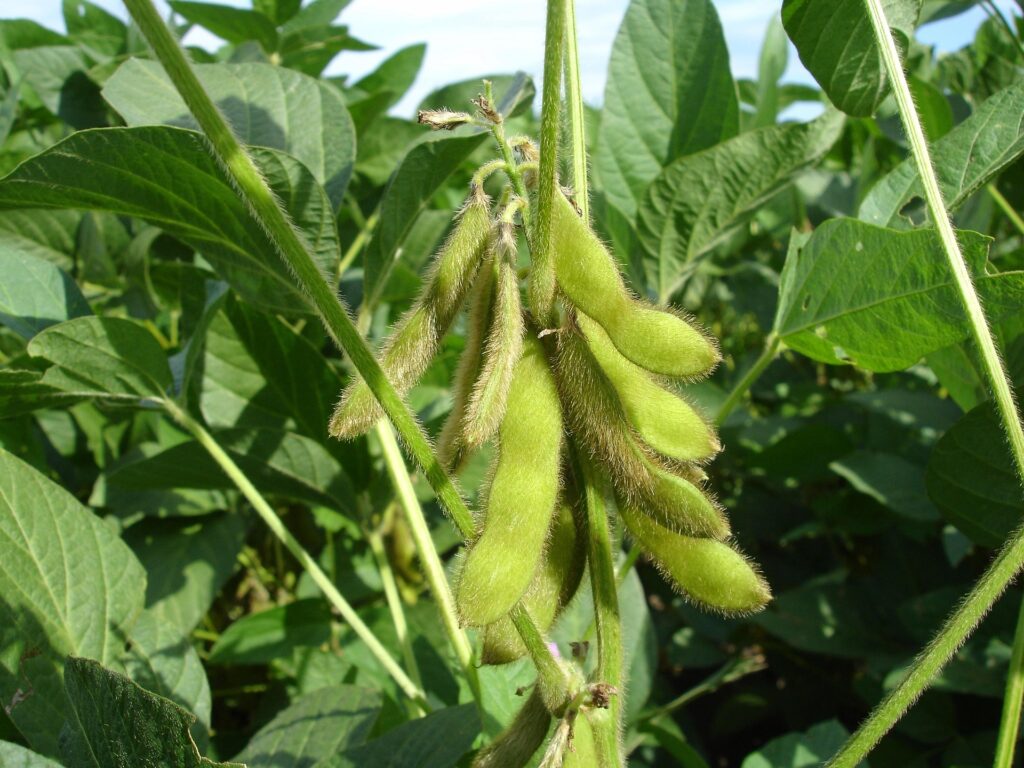
La Resolución 135/2025 del Ministerio de Agricultura de Argentina autoriza marcadores ópticos para la identificación varietal de soja, sumándose a métodos previos usados en trigo, cebada, algodón y soja.
Argentina Makes Progress in Soy Variety Identification Using Optical Markers
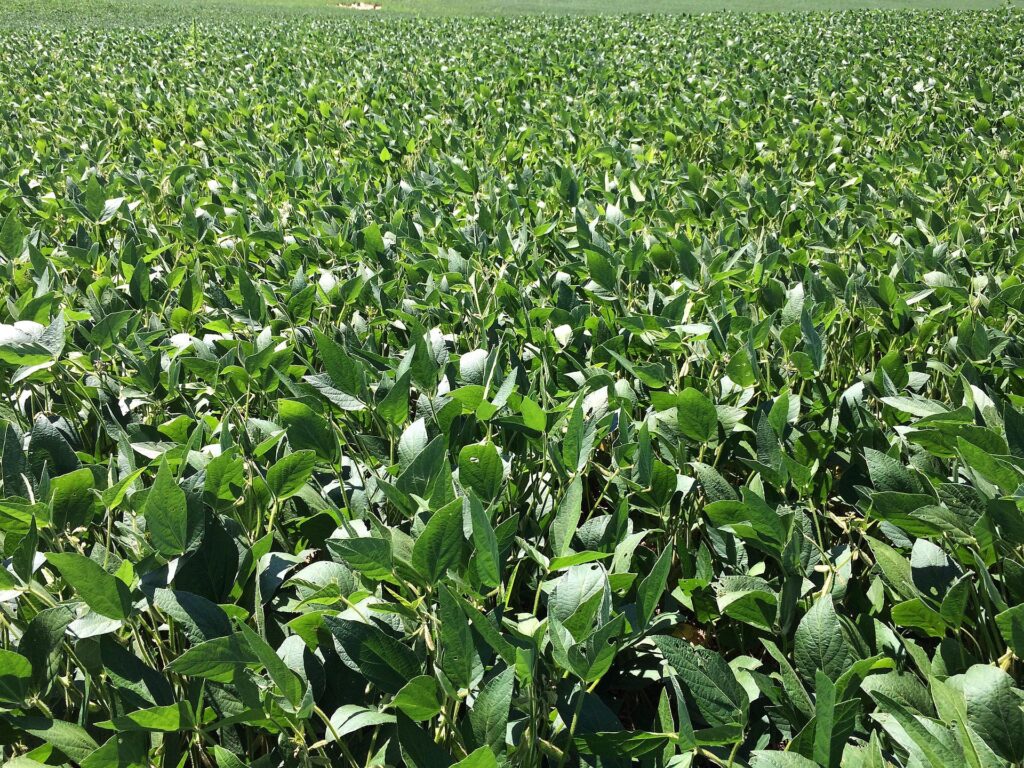
The Ministry of Agriculture approved AI-powered optical markers for identifying soybean varieties, allowing real-time detection of predominant varieties and their proportions, complementing existing seed analysis methods.
Fostering a Global Community of Seed Confidence and Innovation

SGS seed testing supports food security and sustainable agriculture by connecting farmers, breeders, and experts. Collaborative solutions, like molecular testing for clubroot, address evolving industry challenges.
Técnicas Sencillas Ayudan a los Cultivos Orgánicos a Sobrevivir con Plantas Espontáneas
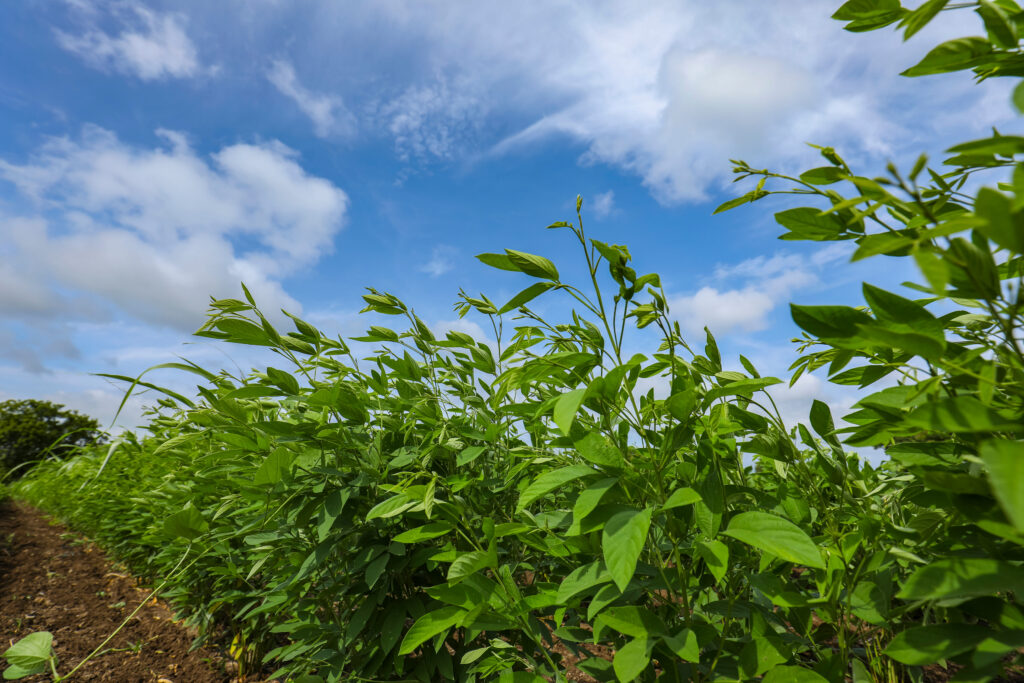
Embrapa muestra que la rotación de cultivos, cobertura del suelo y siembra directa pueden reducir o eliminar herbicidas en la producción de granos.