

The Canola Industry Says China’s Tariff Move is ‘Effectively Closing’ the Market
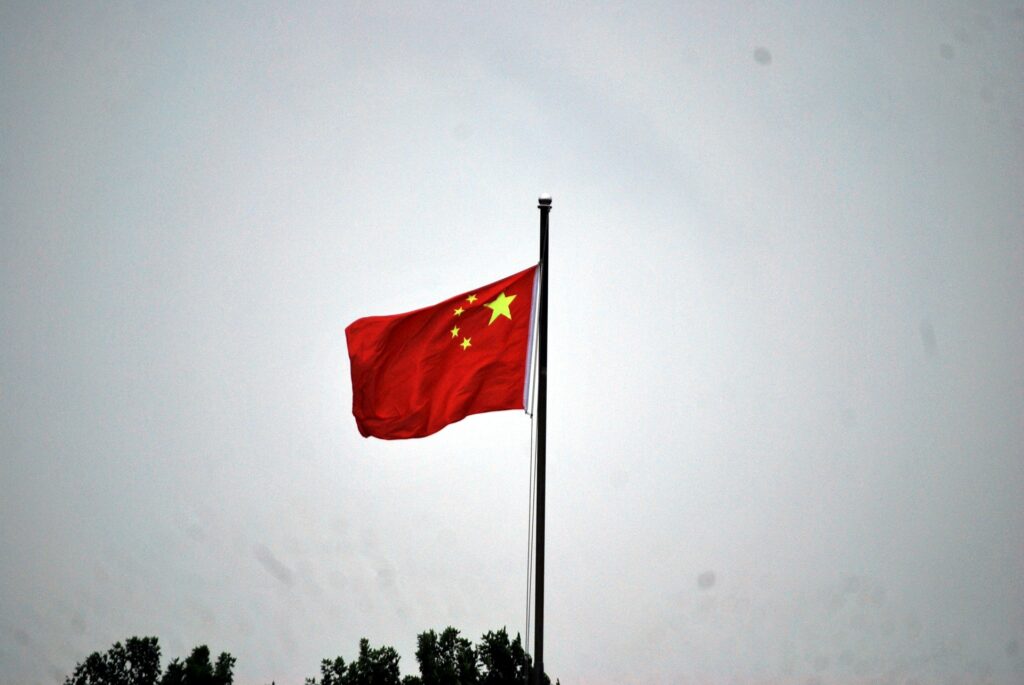
The country’s 75% duty on canola shipments takes effect today.
Simple Techniques Help Organic Crops Live With Spontaneous Plants
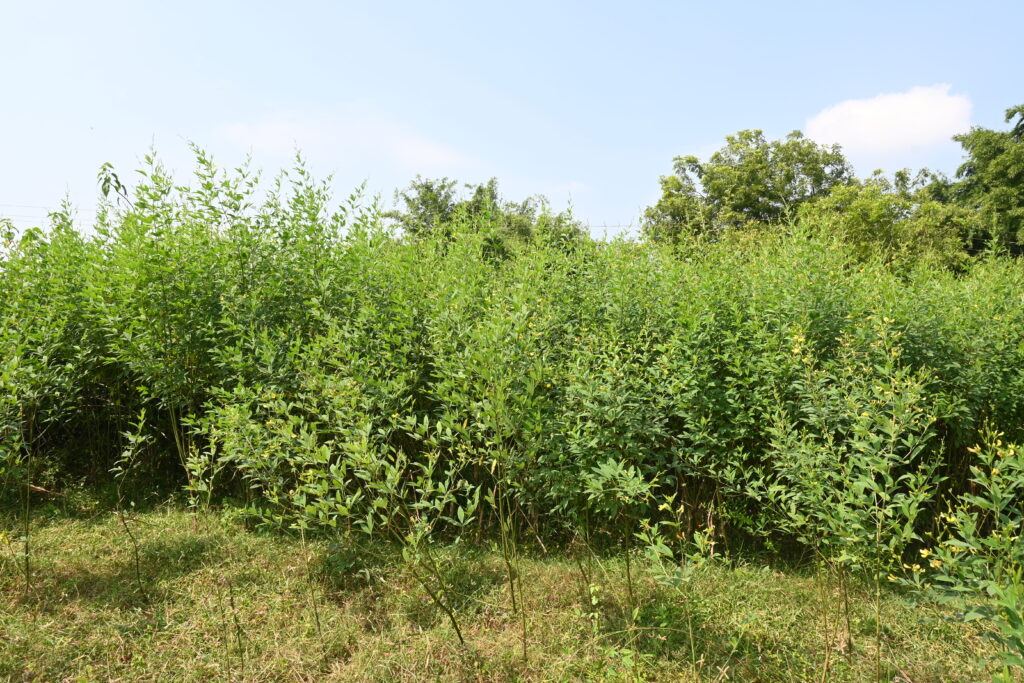
An Embrapa study shows that crop rotation, soil cover, and direct seeding can reduce or eliminate the need for weeding and herbicides, benefiting organic and agroecological grain production.
Fun Facts on Grasses

You may think grass doesn’t affect your daily life too much, but grass actually affects a lot of things in your life, from air to alcohol. Here at Seed World Europe, we thought you’d enjoy reading some of the interesting facts about the plant family that you’ll find on your plate, likely every day, and which grows on your lawn. Here’s a couple of fun grass facts we bet you didn’t know.
Tomatoes in 3D: Breakthrough in Plant Monitoring
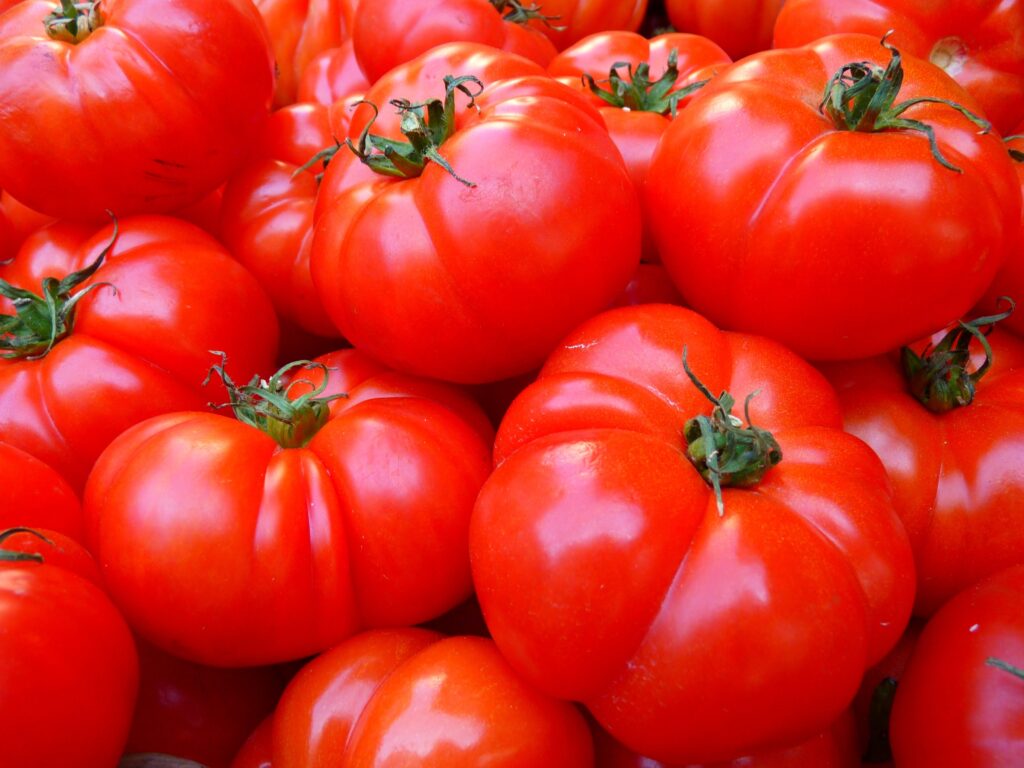
Researchers at Hebrew University of Jerusalem created an affordable, non-invasive method to estimate leaf area in dwarf tomatoes using 3D video reconstruction and machine learning, enabling scalable and precise crop monitoring.
Inside the Breeding Revolution Bringing Alfalfa Back From the Brink
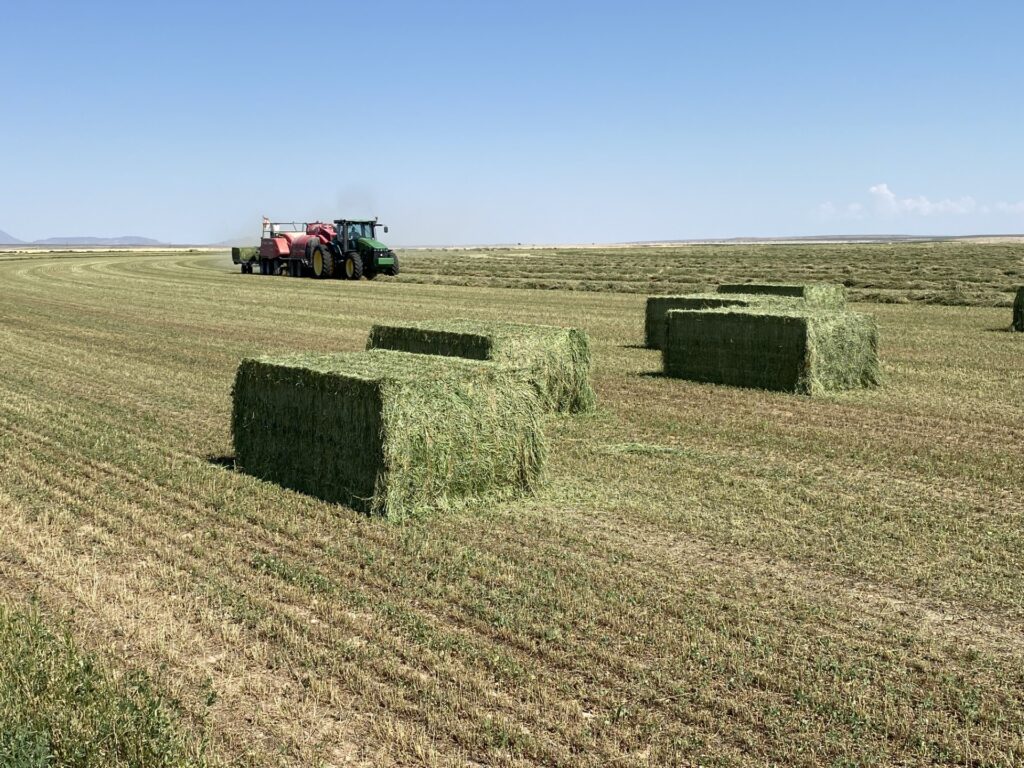
There’s a revival going on and it’s not religious. Alfalfa acres have been shrinking for decades, but now breeders are rebuilding the Queen of Forages from the ground up.
Top 5 Emerging Alfalfa Traits
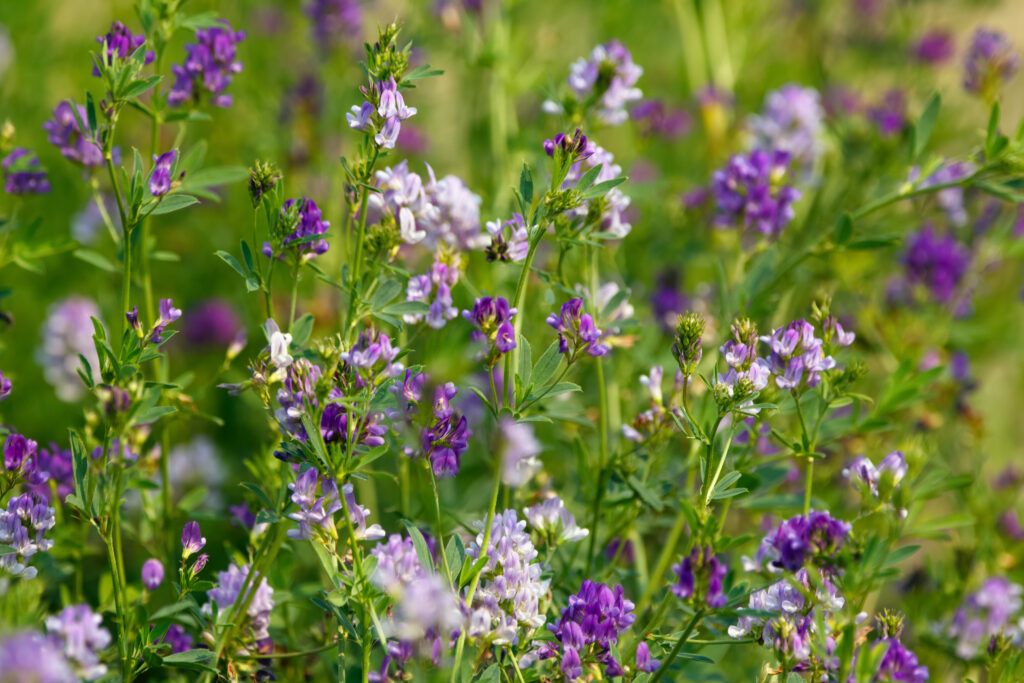
Shifts in yield dormancy and climate-proof genetics are traits to watch in the next generation of alfalfa varieties.
After Half a Decade of Talks, Seeds Canada Says CFIA’s SRM Plan Falls Flat

The group warns Ottawa’s plan “lands far from hitting the mark” and risks leaving real modernization on the shelf
A More Climate-Friendly Way to Produce Nitrogen Fertilizer

Professor Nikolay Kornienko from the University of Bonn developed a renewable-energy-based method to produce ammonia, offering a climate-friendly alternative to the energy-intensive Haber-Bosch process.
Reviving 80-year-old Fungi Offers New Clues for Sustainable Agriculture
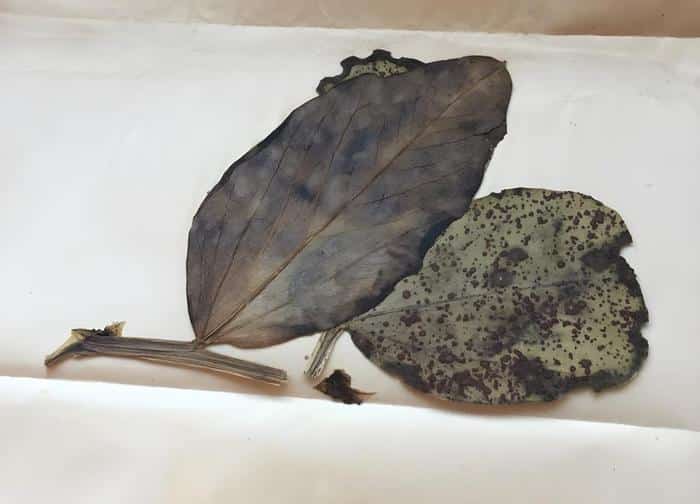
Researchers at Hebrew University of Jerusalem revived 80-year-old fungal specimens of Botrytis cinerea, revealing how industrial agriculture has reshaped microbial ecosystems and impacting crop disease management.
From DNA to Defense: New Tool Maps How Plants Produce Key Compounds Protecting Crops
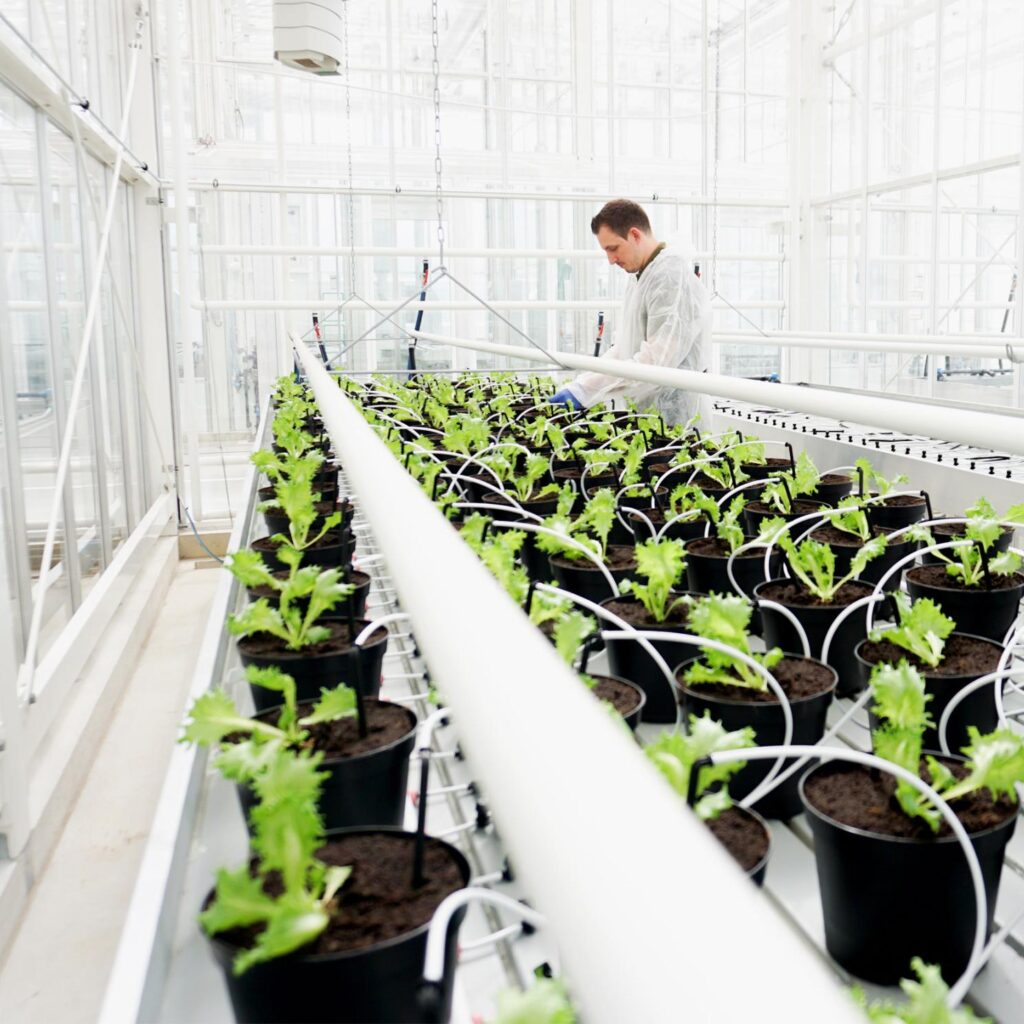
Dutch scientists developed MEANtools, a digital tool that predicts how plants produce specialized metabolites, helping uncover natural chemical pathways and reducing lab work.
Remembering a Seed Legend: Dieter Mulitze

Dieter Mulitze’s wit, integrity, and vision left a lasting mark on Agronomix, shaping its innovation, values, and future leadership.
Your Voice Matters — Canada’s Future in Plant Breeding Is Being Decided Over the Next 67 Days

Have your say on the future of Plant Breeders Rights in Canada
Tecnologías Inteligentes para Cultivos Regionales

Impulsar la agricultura del futuro requiere aumentar productividad, mejorar calidad y reducir impactos ambientales mediante colaboración y transformación digital.
Smart Technologies for Regional Crops

The first Digital Agriculture Day held in Argentina on July 24 will showcase AgTech innovations, promoting knowledge sharing and collaboration to boost productivity, quality, and sustainability in agriculture.
Denmark’s EU Council Presidency Puts PRM and NGT in the Spotlight

On July 1, 2025, Denmark began its EU Council presidency, focusing on defence, trade, climate, and key seed-sector files like Plant Reproductive Material and New Genomic Techniques regulations.
The Next Green Revolution: AI and Biotech Leading Advances in Crop Resilience
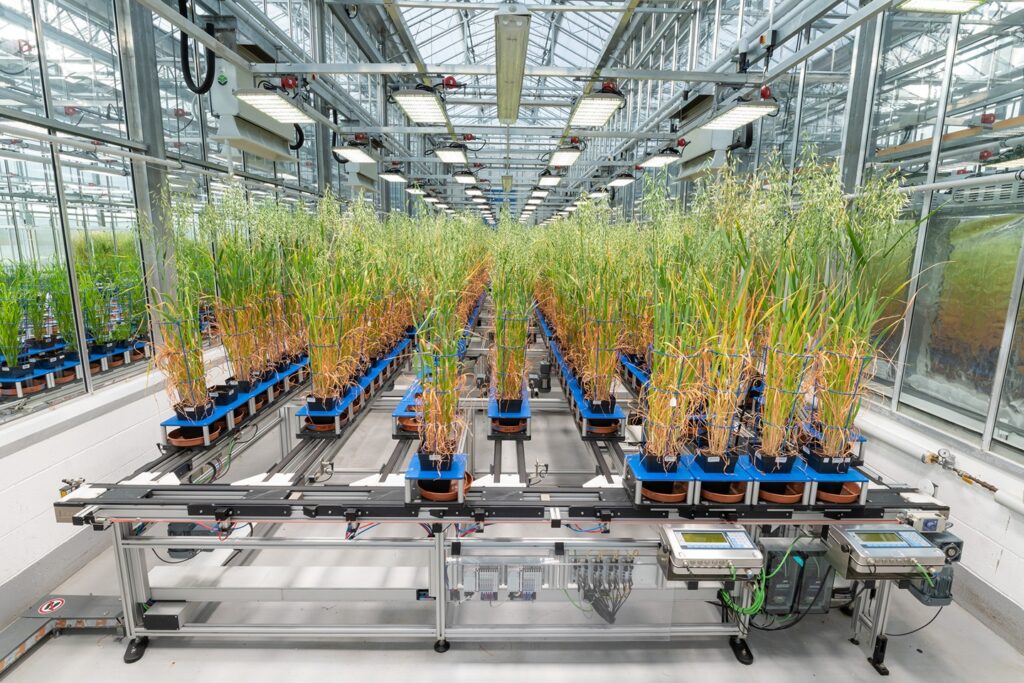
A Nature review outlines how AI and biotechnology—including genome editing, protein design, and high-throughput phenotyping—can transform global crop production and strengthen food systems against climate change and pests.
CSGA’s Governance Glow-up Just Earned it a National Nod

The Canadian Seed Growers’ Association has landed a spot on a country-wide governance awards shortlist.
Rock Dust Could Help Fight Climate Change and Boost Crop Yields
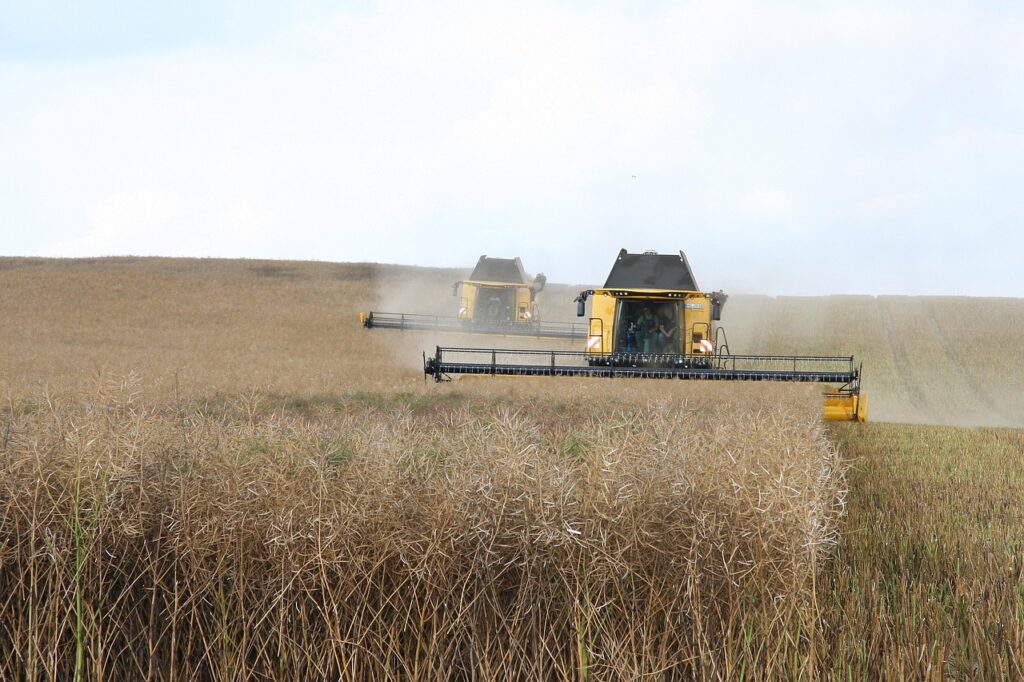
A new Anglo-French study suggests that spreading crushed volcanic rock on farmland could help remove carbon dioxide from the atmosphere — and potentially boost crop yields. However, its effectiveness depends heavily on local soil conditions.
Researchers from Rothamsted Research (UK), INRAE (France), and the UK’s National Oceanography Centre tested basalt rock dust — a quarrying by-product — on two soil types: sandy and silty clay. In pot trials, they applied the dust at two rates (equivalent to 80 and 160 tonnes per hectare) and monitored changes in soil chemistry and ryegrass growth.
The method, known as enhanced weathering, accelerates the natural breakdown of silicate rocks, a process that draws CO₂ from the air and locks it into the soil. Supporters see it as a promising climate solution with co-benefits for soil health,
Don’t Let the Yield Monitor Fool You: What Mid-Season Is Really Telling You

Two corn fields showed stark differences in growth and stress, yet harvest yields were nearly identical—highlighting that visible performance doesn’t always predict final results.
AI Already has an Opinion About You. Is it Positive?

Before rejoining the family seed business in 2003, I worked in PR, researching clients online. Today, AI tools like ChatGPT are replacing traditional search engines, with Google seeing its first monthly query decline on Safari.
Tools for Smarter Breeding – Making Genomic Selection Practical
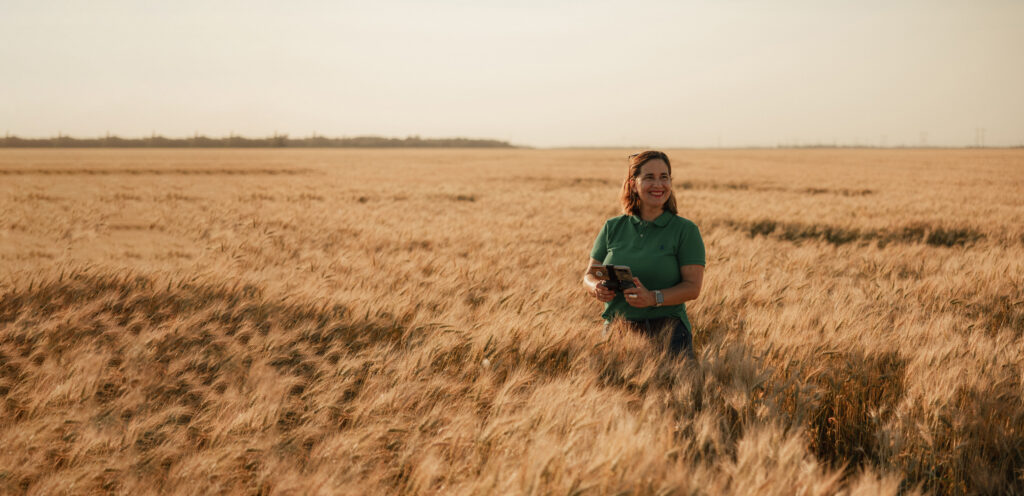
Genomic Selection boosts breeding with faster gains and smarter decisions. Learn how real-world programs tackle challenges like data integration and model selection in our upcoming webinar.
40% of Western Canada’s Durum Comes From Him. Now He’s an Agronomy Hall-of-Famer
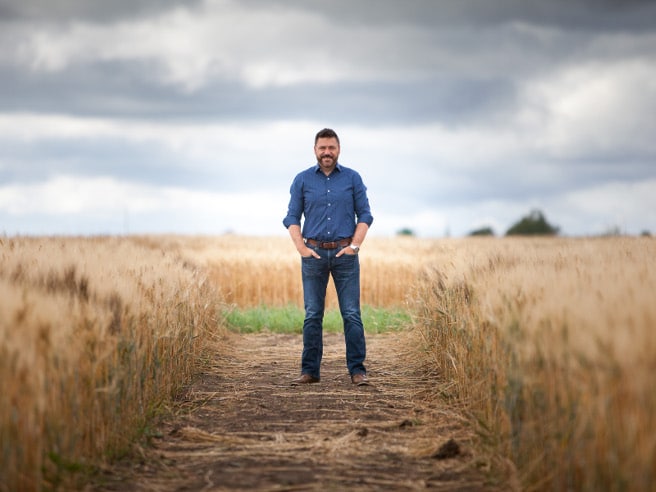
Curtis Pozniak earned agronomy’s highest honour for transforming wheat breeding and reshaping the future of Canadian agriculture.
Chile da luz Verde al Primer Trigo Genéticamente Editado en América
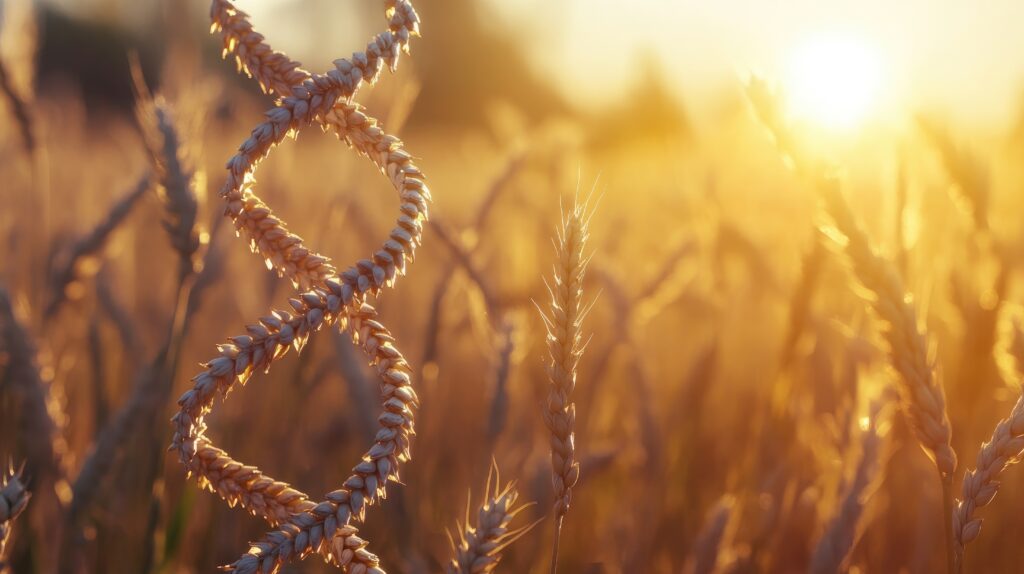
Neocrop Technologies y socios desarrollan trigo editado genéticamente con hasta 10 veces más fibra, manteniendo sabor y calidad de harina.
Chile Gives Green Light to the First Genetically Edited Wheat in the Americas
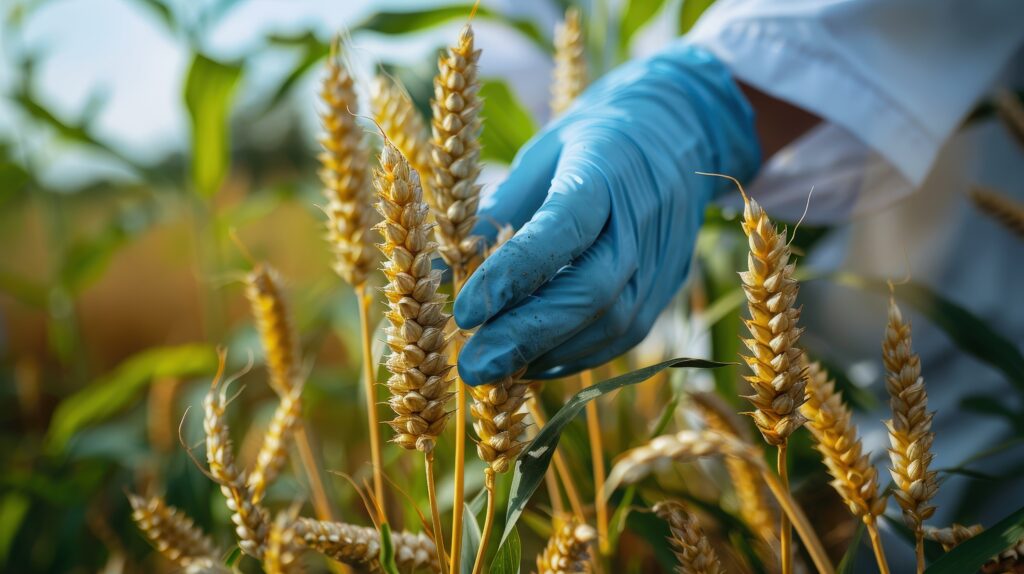
Neocrop Technologies, with Campex Baer and Buck Semillas, developed CRISPR-edited wheat with 5–10× more dietary fiber, officially cleared by Chile’s SAG as non-GMO, enabling field cultivation—the first approved gene-edited wheat in the Americas.
E-commerce, Opportunities and (Many) Risks for the Seed Sector

E-commerce—buying and selling products online via websites, apps, or marketplaces—has grown rapidly since 2000, offering opportunities but also risks for sectors like the seed industry, with transactions spanning B2B, B2C, and peer-to-peer across countries.
Rita Mumm Is Cultivating the Next Generation of Food Security — One Plant Breeder at a Time

Rita Mumm doesn’t mince words: the world’s next great challenge is feeding a growing population with not just more food, but better food.
Orange Blossom Special: The Rust Stops Here
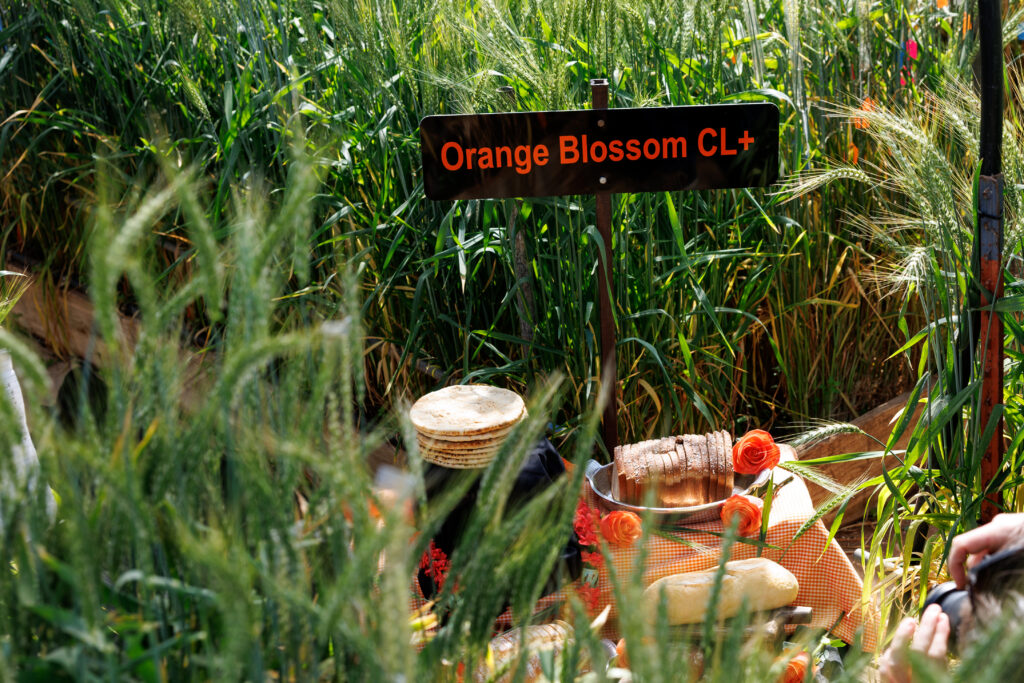
For a new wheat cultivar like Orange Blossom CL+, OFSS handles the initial seed increase, enabling limited quantities to be made available to certified seed growers ahead of full commercialization.
This early distribution accelerates the time from cross to commercial grain, in part by overlapping foundation seed production with later-stage field trials—a shift that has reduced commercialization
AOSCA’s New President Has a Track Record in Modernization

Doug Miller, a digital disruptor behind Canada’s seed certification overhaul, is now steering the Association of Official Seed Certifying Agencies.
A Launchpad for New Varieties
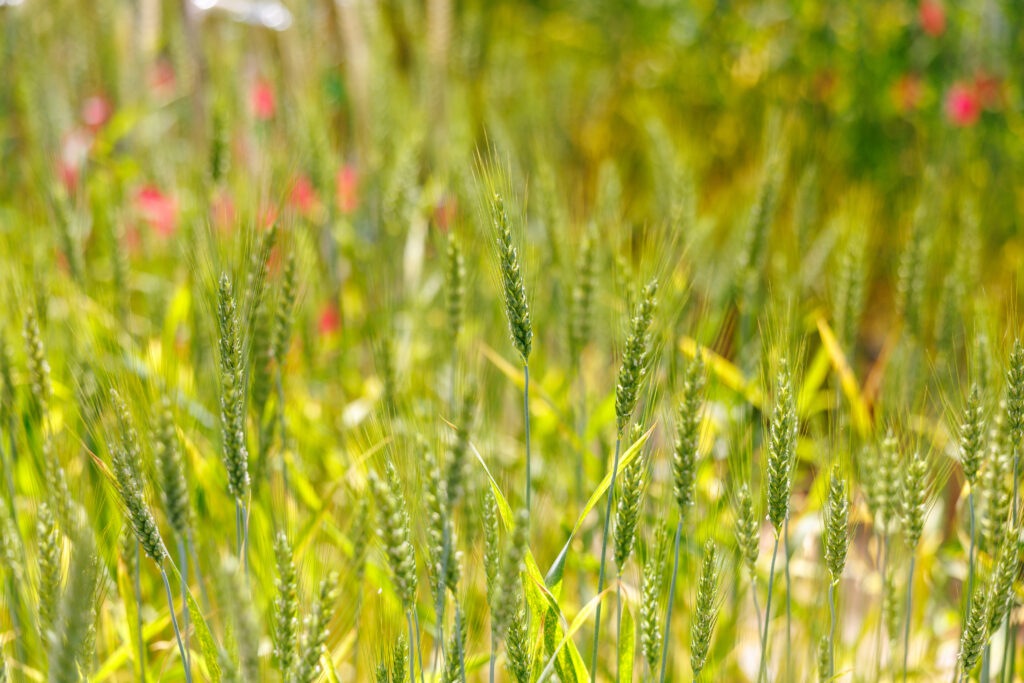
Oklahoma State University’s latest Clearfield wheat release, Orange Blossom CL+, enters the landscape with a familiar genetic base — and a few new traits aimed squarely at today’s rust-related risks. The release follows years of internal development and field trials. The variety features a familiar genetic backbone and brings a combination of higher yield, early stripe rust resistance, and test weight comparable to its predecessor, Doublestop CL Plus.
The #1 Rule to Drive Revenue Without Selling Yourself Short

In the seed industry, your core offer is sacred—it defines your business, expertise, and reputation. Protect it, don’t compromise, and never give it away, because your value depends on it.
The #1 Rule to Drive Revenue Without Selling Yourself Short

In the seed industry, your core offer is sacred—it defines your business, expertise, and reputation. Protect it, don’t compromise, and never give it away, because your value depends on it.
The #1 Rule to Drive Revenue Without Selling Yourself Short

In the seed industry, your core offer is sacred—it defines your business, expertise, and reputation. Protect it, don’t compromise, and never give it away, because your value depends on it.
New Research Analyzes How Ozone Pollution and COVID-19 Affect Crop Yields in China

Ozone (O₃) is a three-oxygen gas known for forming the stratospheric ozone layer that blocks harmful UV radiation, and it also exists in smaller amounts in the troposphere.
Chinese Researchers Develop Breakthrough Megabase-Scale Genome Editing Technologies
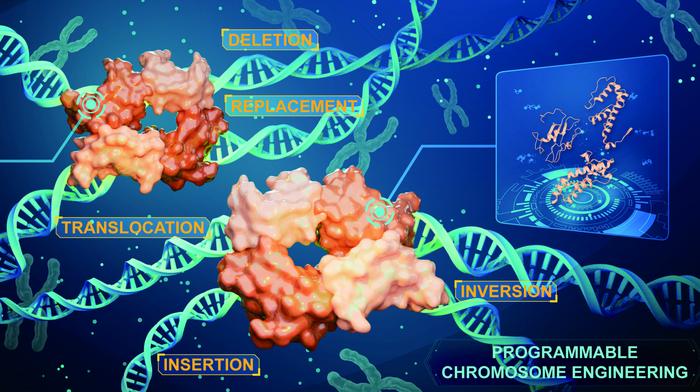
Prof. GAO Caixia’s team at the Chinese Academy of Sciences developed PCE and RePCE genome editing platforms, enabling precise DNA modifications from kilobase to megabase scales in plants and other eukaryotic cells.
30 Years of Safeguarding Innovation in a Changing World
Amid climate change and resource pressures, the EU breeding sector relies on the Community Plant Variety Office (CPVO) to drive innovation and develop resilient, high-performing plant varieties.
EU Commission Proposes €175B Budget for Research and Innovation (2028–2034)

The European Commission proposes doubling Horizon Europe’s budget to €175 billion (2028–2034) to boost research, innovation, and competitiveness, supporting technologies from AI in healthcare to satellite-based farming solutions.