

Invisible Seed Damage: How Combine Settings Impact Germination and Vigour
Seed labs are seeing what you can’t: the real cost of mechanical damage. In 2024, more than half of the pea samples tested at 20/20 Seed Labs showed some level […]
Crop pests can develop ‘fighter-jet wings’ after eating a specific mix of corn
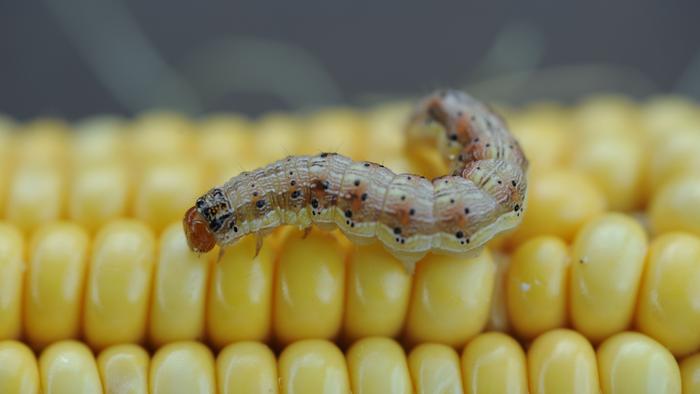
Corn earworm moths can develop longer, more aerodynamic “fighter-jet” wings after feeding on a blend of Bt and non-Bt corn, allowing them to fly farther and potentially spread resistance traits more quickly across corn, soybean and cotton systems.
Editors Pick: Articles on Ukraine

Seed World Europe has chronicled Ukraine’s plant breeding and seed sector since the start of Russia’s invasion, spotlighting resilience, disruption, and ongoing innovation under wartime conditions. Our coverage amplifies the voices of researchers, breeders, institutions, and businesses protecting genetic resources, navigating blackouts and damaged infrastructure, and pursuing alignment with European standards. These stories examine long-term risks to soil health, productivity, and global food security—while underscoring Ukraine’s path toward deeper European integration and a stronger, modern seed sector.
New Tech Could Turn Canola’s “Waste” Into a $7,000-a-Kilo Product
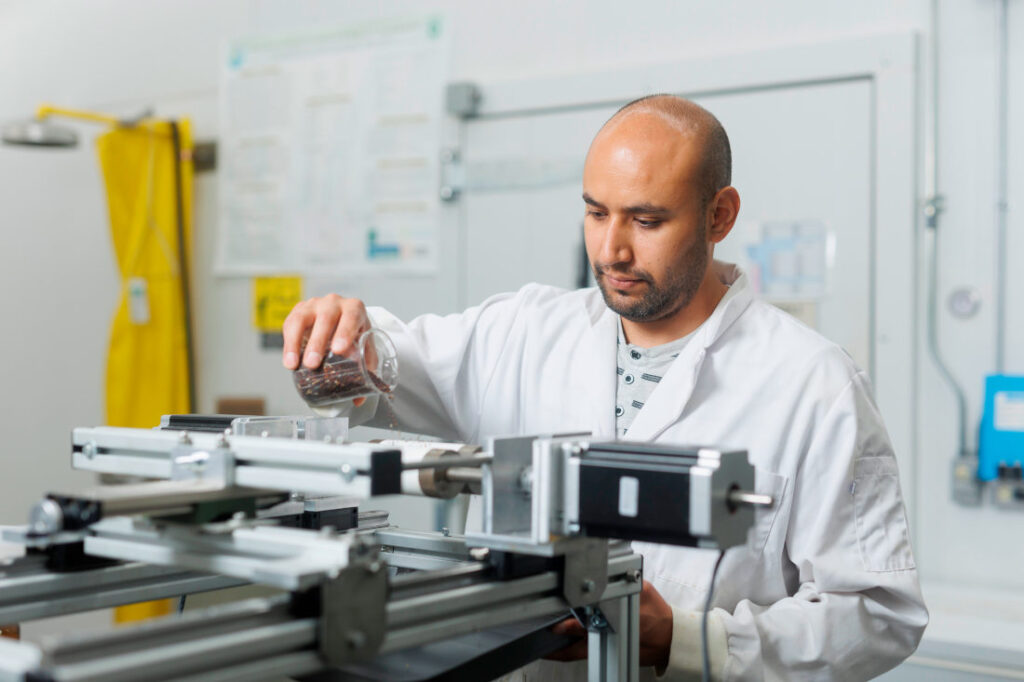
Researchers at the University of Saskatchewan are using advanced X-ray imaging to unlock hidden value in Canada’s most important crop
Mientras Brasil crece, América Latina marca el ritmo de la producción agrícola mundial
En la Convención de Semillas de ASTA, el economista Dan Basse advirtió que la sobreoferta global de granos, la demanda estancada y los altos costos en EE. UU. están redefiniendo la agricultura. Señaló a los biocombustibles, la geopolítica y el ascenso de Brasil como factores clave que marcarán el futuro del sector semillero y los márgenes de los agricultores.
Editors Pick: Crop Breeding Articles on Vegetables

Seed World Europe’s Crop Spotlight series explores vegetable breeding across 30+ crops, revealing the science, innovation, and grit behind every variety. From carrot, spinach, lettuce, cucumber, and broccoli to what’s next, breeders tackle emerging diseases, scarce germplasm, and long R&D timelines to deliver resilient, high-performing produce. Discover how creative breeding adapts vegetables for climate change and evolving consumer demands today.
Do You Know A Promising Young Plant Breeder In Europe? Nominations Are Open
Seed World Europe is now accepting nominations for its April 2026 “20 Most Promising Young Plant Breeders in Europe” feature. Nominate early-career plant breeders making an impact across Europe, from universities, research institutes, seed companies, and sector organisations.
UK Late Blight Trends Show Disease Continuing to Evolve
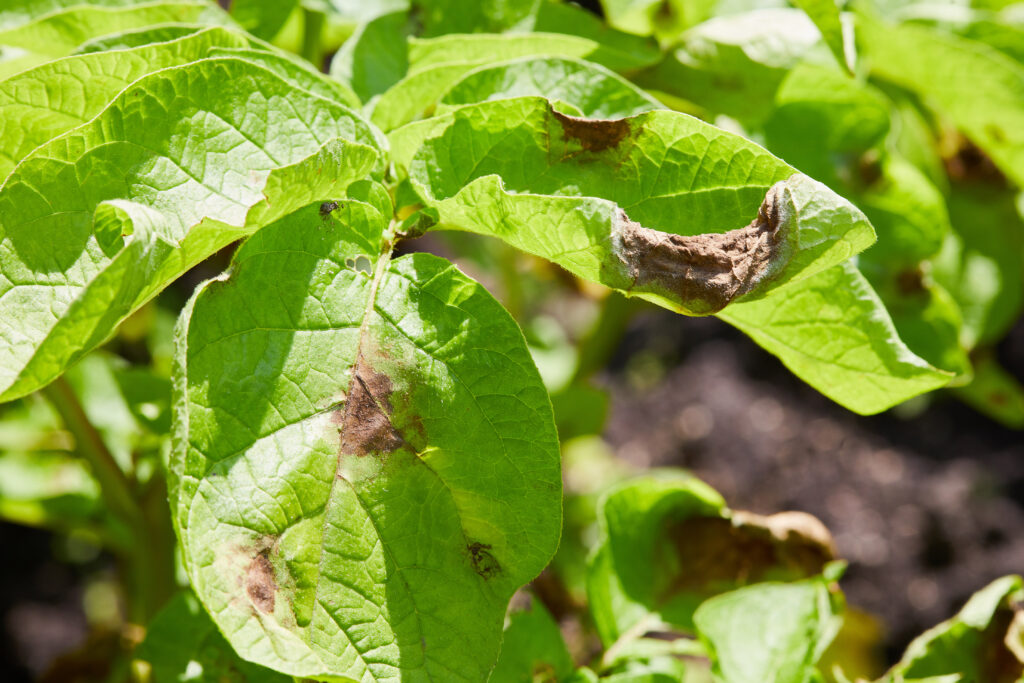
The 2025 Fight Against Blight (FAB) findings reveal shifting UK late blight strains, including a rise in EU46 resistant to key fungicides. Dry early conditions limited outbreaks, but volunteer potatoes drove infections later. Experts stress rotating fungicides, managing infection sources, and selecting blight-resistant potato varieties to protect future yields.
AI Offers ‘Roadmap’ to Plant Genetics

Cold Spring Harbor Laboratory researchers combined evolutionary mapping and AI to identify redundant genes that complicate crop improvement. By tracing the CLE gene family across 140 million years and thousands of plant species, they trained models to predict which genes share overlapping functions and which edits may affect traits. Using CRISPR in tomatoes, they knocked out 10 predicted redundant genes, revealing visible changes and a scalable roadmap for breeding climate-resilient crops.
New Tool Helps Breeders Identify Stronger Hybrids Faster
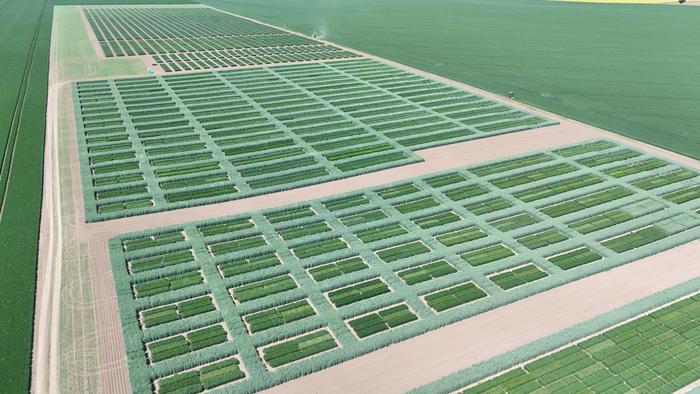
Researchers have developed hQTL-ODS, a faster statistical method to uncover the genetic interactions behind heterosis—hybrid vigour that boosts crop yield. Instead of testing billions of gene combinations, the approach estimates each gene’s contribution through genome-wide interactions. In a wheat study of 5,000+ hybrids, it identified key loci linked to higher performance. The tool could accelerate hybrid breeding in wheat, maize and rice for future food security.
Soil Compaction Isn’t the Problem — it’s the Symptom

Real solutions come from understanding causes, not applying band-aids. Many of the challenges producers face tend to repeat themselves. Herbicide-tolerant weeds, erosion, soil compaction, and high input costs are common […]
Agriculture, AI, and the Trust Gap: Lessons From a 70-Year Farming Legacy

The Anderson family of Manitoba shows how agriculture can rebuild trust through clarity, credibility, and leadership
Fewer Farms, Bigger Businesses: How Dutch Agriculture Is Reshaping

The Dutch agricultural sector remains economically strong, generating €77 billion in added value and boosting agricultural exports by 4.8%. But farm structure is shifting fast: since 2010, the number of holdings has fallen by nearly one third, with 700 farms and greenhouses closing in 2023–2024. Larger and very large farms now dominate, producing 62% of added value, alongside rising sustainability investment.
Embrapa Launches Potato Cultivar For The Chip And Straw Industry
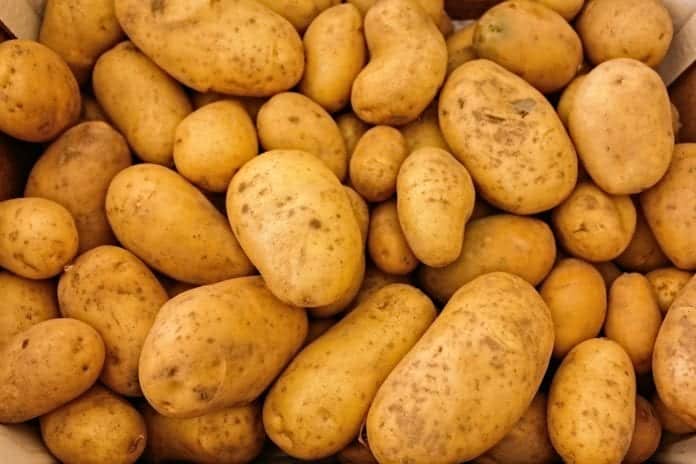
BRS F21 “Braschips,” Embrapa’s new potato cultivar, stands out for its high yield, stability, and wide adaptability in Brazil. Ideal for chips and industrial processing, it offers high dry matter and low sugar content, resulting in crispier, lighter, and more uniform fries. It features firm texture, light yellow flesh, and low defect incidence, plus resistance to PVY and good tolerance to foliar diseases.
Embrapa lanza cultivar de papa para la industria de papas fritas y paja
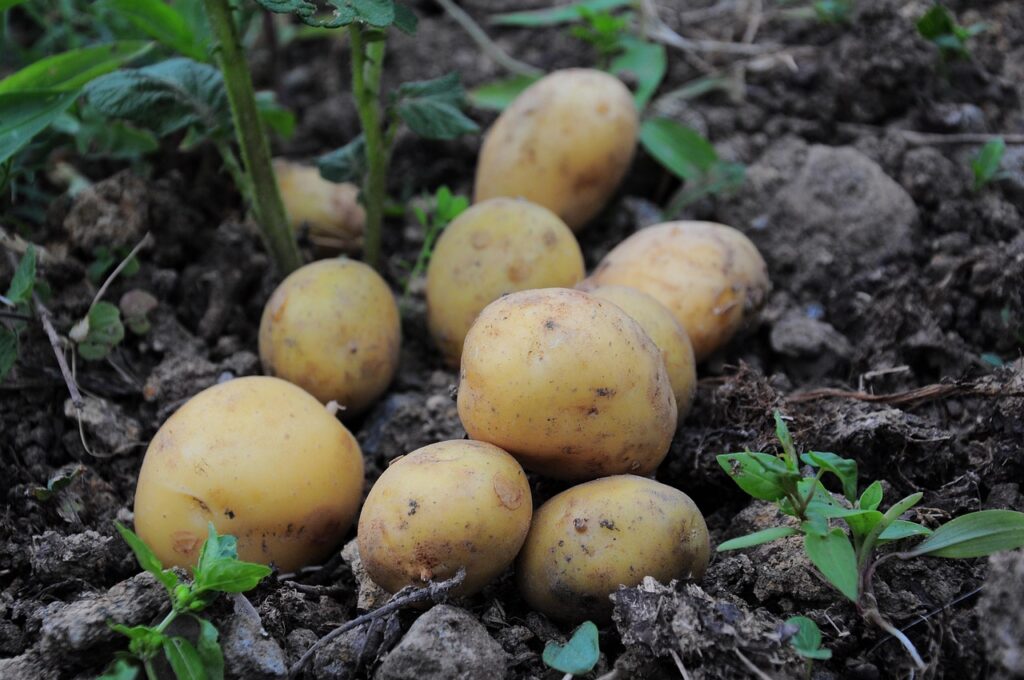
BRS F21 “Braschips”, el nuevo cultivar de papa de Embrapa, destaca por su alto rendimiento, estabilidad y gran adaptabilidad en Brasil. Ideal para chips y procesamiento industrial, ofrece alta materia seca y bajo azúcar, logrando frituras más crujientes, claras y uniformes. Presenta textura firme, pulpa amarillo claro y baja incidencia de defectos. Además, aporta resistencia al PVY y buena tolerancia a enfermedades foliares.
A New Study Reveals Breakthrough in Barley Genetics
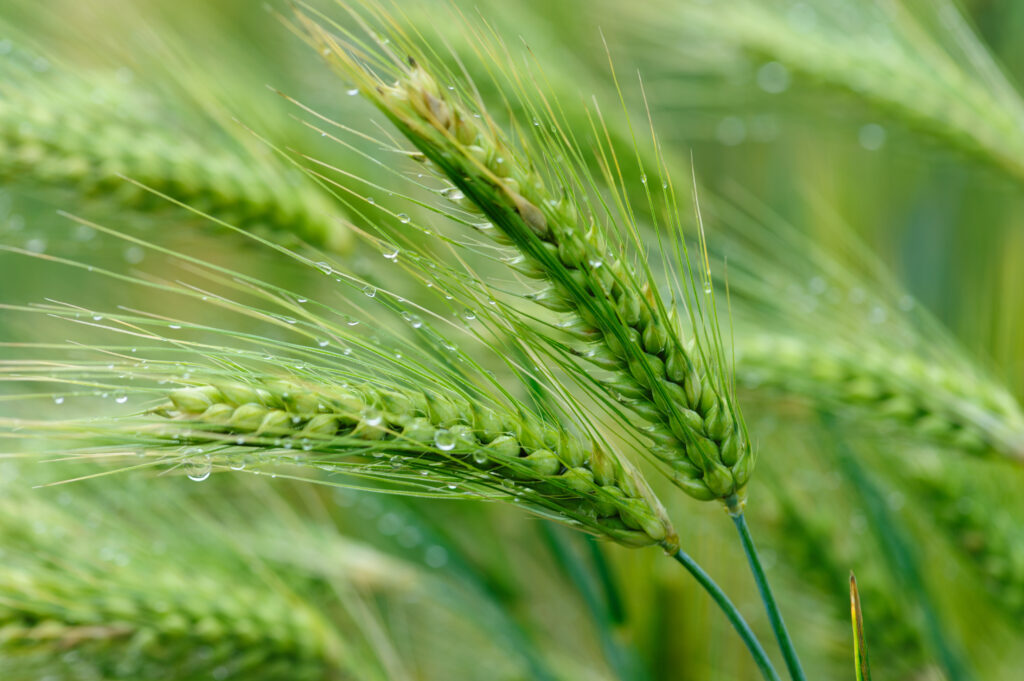
A multinational team led by Carlsberg Research Laboratory, including scientists from The James Hutton Institute, has identified how the MKK3 gene complex controls seed dormancy and pre-harvest sprouting in cereals like barley, wheat and rice. Published in Science, the findings could guide breeding of climate-resilient crops that meet malting, brewing, feed and food standards, helping reduce major global yield and quality losses.
Navigating a Shifting Washington: Seed Sector Advocacy in 2026

Washington is in flux—agency shakeups, USDA restructuring, and shifting priorities. In this candid video, Janae Brady, VP of Government Affairs at the American Seed Trade Association (ASTA), shares how seed-sector advocacy stays effective heading into 2026. She explains ASTA’s fundamentals-first strategy, Farm Bill risks to research and innovation, expanded biotech advocacy, and why member engagement is essential. Watch for practical, actionable insights.
ASTA Leadership Lightning Round: Trade, Uncertainty and What Matters Most Heading Into 2026

Uncertainty is defining the U.S. seed sector, but leadership, advocacy, and innovation will shape what comes next. In this fast, lightning-round video, ASTA board chair Dave Treinen and president/CEO Andy LaVigne break down the biggest forces heading into 2026—trade policy, global market access, profitability pressures, regulatory direction, and technology adoption. They urge seed companies to stay engaged with customers and policymakers, reinforce advocacy locally, and track key signals to avoid falling behind.
What a Shifting Trade World Means for the U.S. Seed Sector in 2026

Global trade is shifting fast, and the U.S. seed sector is feeling the impact. In this interview, Sam Crowell, Senior Director of International Programs and Policy at ASTA, explains how changing trade dynamics, tariffs, and legal uncertainty could shape seed competitiveness heading into 2026. He details rising costs from rapidly changing tariff rates, why seeds are uniquely exposed to disruption, and what ongoing court challenges may mean for future trade policy. The discussion highlights innovation timelines, global competition, and the role of advocacy.
SeCan Unveils Canadian Genetics Gaining Attention for 2026

Missed the SeCan 2026 Variety Rundown? Watch the full replay now
Is Multilateralism Dead? The Lima Breakdown and the Future of Global Seed Cooperation

GB11 of the International Treaty on Plant Genetic Resources (ITPGRFA) ended without an agreement in Lima (24–29 Nov 2025), exposing deep fractures in global seed cooperation. Talks collapsed over Multilateral System reforms—Annex I expansion, Digital Sequence Information, and benefit-sharing—amid rising sovereignty demands. The result: reliance on an outdated SMTA, increased legal uncertainty, and slower access to genetic diversity that breeders need for climate resilience and food security.
CRISPR Primes Goldenberry for Fruit Bowl Fame
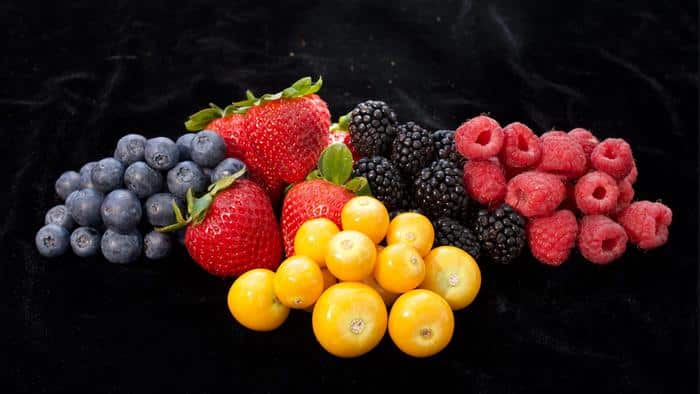
Cold Spring Harbor Laboratory scientists are using CRISPR gene editing to speed up domestication of goldenberry, a nutrient-rich tomato relative long grown in South America. By targeting key genes, researchers produced plants about 35% shorter, improving harvest, maintenance, and potential for denser planting. After selecting compact, great-tasting lines, the team plans further edits for traits like fruit size and disease resistance, supporting climate-resilient crop development.
The Future of Farming: Talking to Tractors Instead of Tapping Apps
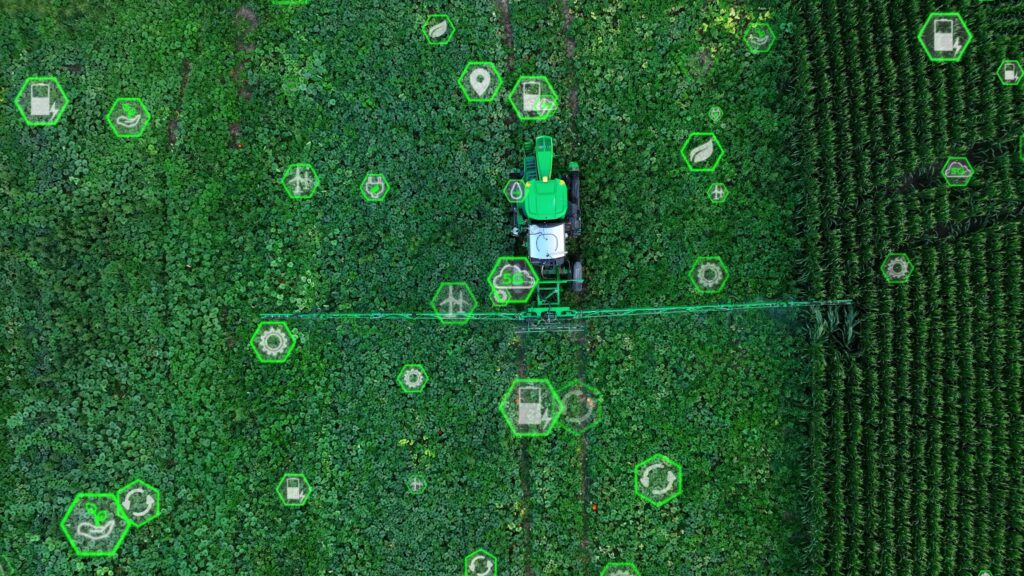
Researchers at Wageningen University & Research are developing a unified, AI-powered interface that lets farmers manage agricultural robots using natural language, similar to ChatGPT. The system aims to replace fragmented apps, helping farmers plan tasks, manage regulations, and respond to field conditions more easily. As farm robot use grows amid labour shortages, the technology could improve efficiency, sustainability, and decision-making through smarter human–robot interaction.
Cereals Canada and James Richardson & Sons Sign MOU for Future Home of Gate

The Manitoba government has committed an additional $10.5 million to the project, bringing its total pledge to $23.5 million
The Cost of Silence in Rural America

Suicide rates in rural America are nearly 50 percent higher than in urban areas. Jeff Winton, founder of Rural Minds, explains why agriculture’s culture of resilience can also become a barrier to mental health support and what seed and ag companies can do to change that.
New Research Transforms Potato By-Products into Bio-Based Materials
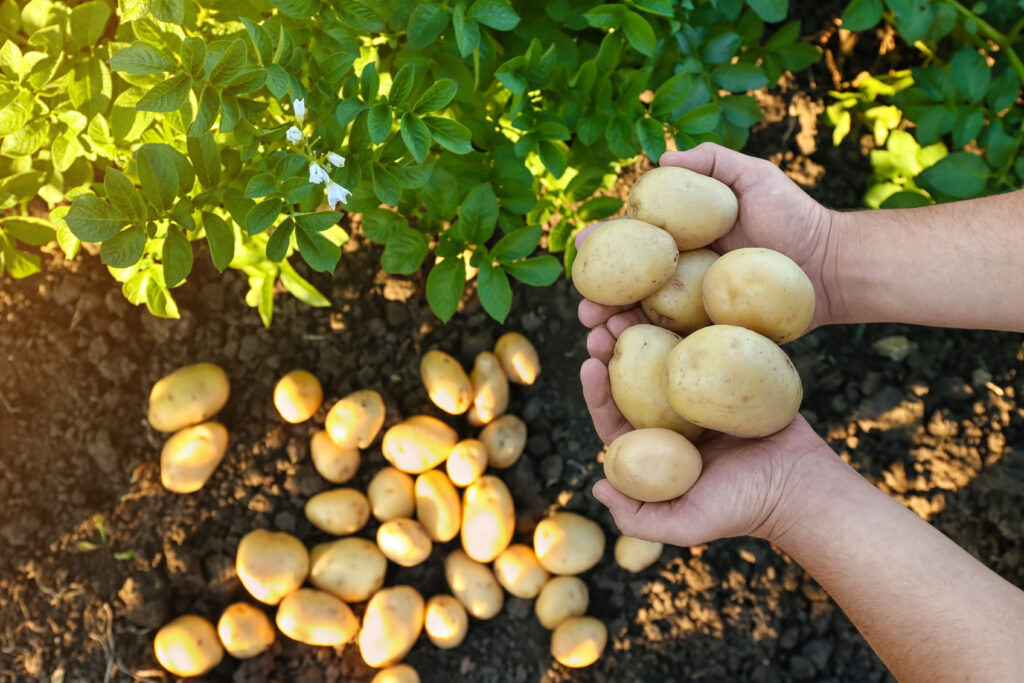
Phytoscosmo brings The James Hutton Institute, Grampian Growers and the University of Aberdeen together to transform potato shaws (stems and leaves) into high-value ingredients for pharmaceuticals and cosmetics. Scotland produces about 51,200 tonnes of shaws annually, usually left in fields. The project targets solanesol, typically sourced from tobacco, creating a more sustainable, ethical supply, cutting emissions, and adding new revenue streams for farmers.
The Global Commodity Production System is Built for Our Competitors
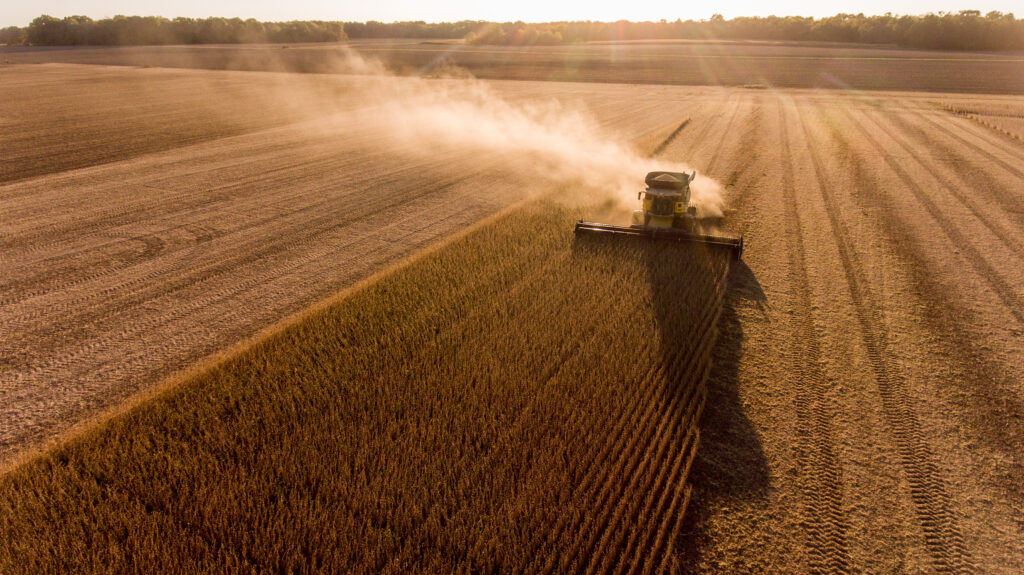
U.S. agriculture faces rising global competition as Brazil expands soybean production, infrastructure, and export capacity, often supported by Chinese investment. Heavy reliance on China for U.S. soybean demand increases market vulnerability when purchases decline. To stay competitive, the U.S. must build domestic demand through sustainable aviation fuel, renewable diesel, and industrial uses, while modernizing farm policy and risk tools.
What’s Coming for Independents in 2026?
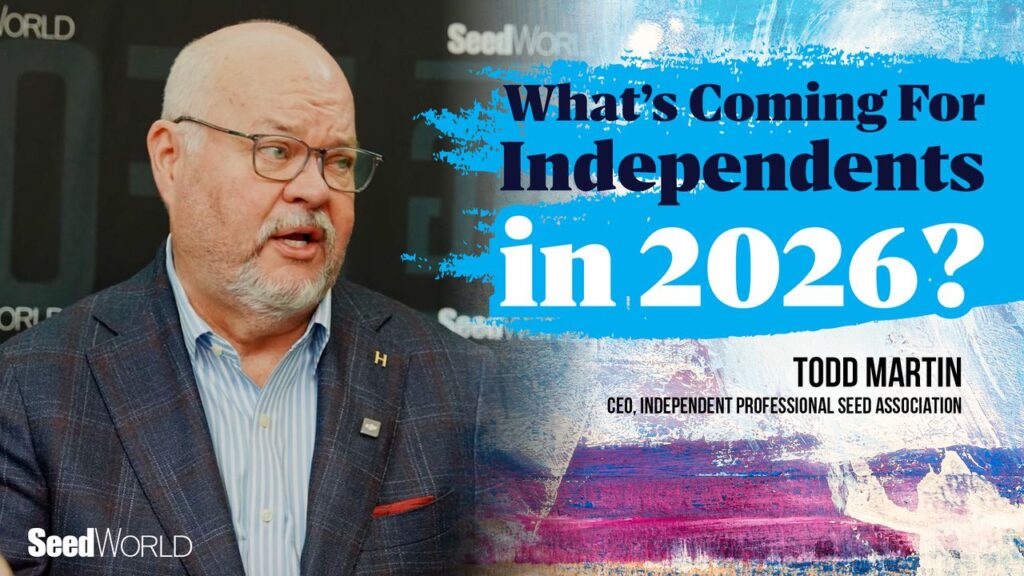
As consolidation and rising costs reshape the seed sector, independent seed companies are weighing what comes next. In a candid video conversation filmed at the ASTA Field Crop Seed Convention, Independent Professional Seed Association CEO Todd Martin shares where independents can still outperform in 2026 and why service, resilience, and staying close to customers remain their strongest advantages.
The Return of Real: Seven Consumer Trends Reshaping the Food Industry
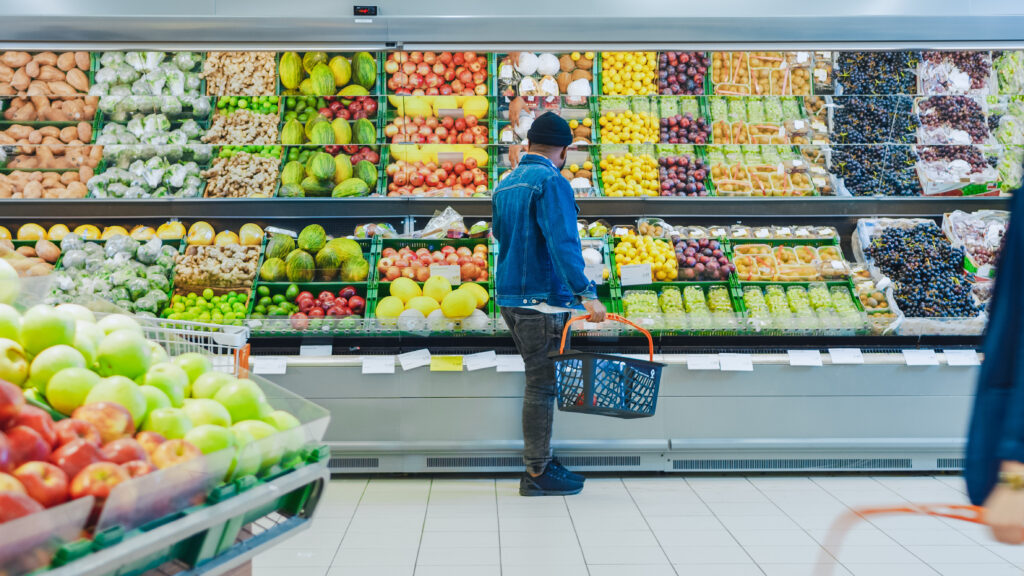
NOURISH Food Marketing’s 2026 trend report, The Return of Real, reveals a major shift in food culture toward authenticity, human connection, and transparency. Consumers are rejecting artificial perfection, ultra-processed foods, and impersonal AI-driven experiences, favoring real food, genuine stories, balanced nutrition, and community-driven brands that embrace imperfection and trust in an evolving food industry.
The Quagmire of Nutritional Studies

Thousands of nutrition studies publish yearly, yet few offer practical guidance. Comparing mouse research on grape compounds and human trials on beetroot nitrates, this analysis highlights the gap between academic interest and real-world impact. Evidence favors whole foods, realistic doses, and human studies, showing vegetables rich in nitrates can support vascular health and healthy aging for older adults worldwide today.
Council Progress on EU PRM Legislation Welcomed by Euroseeds
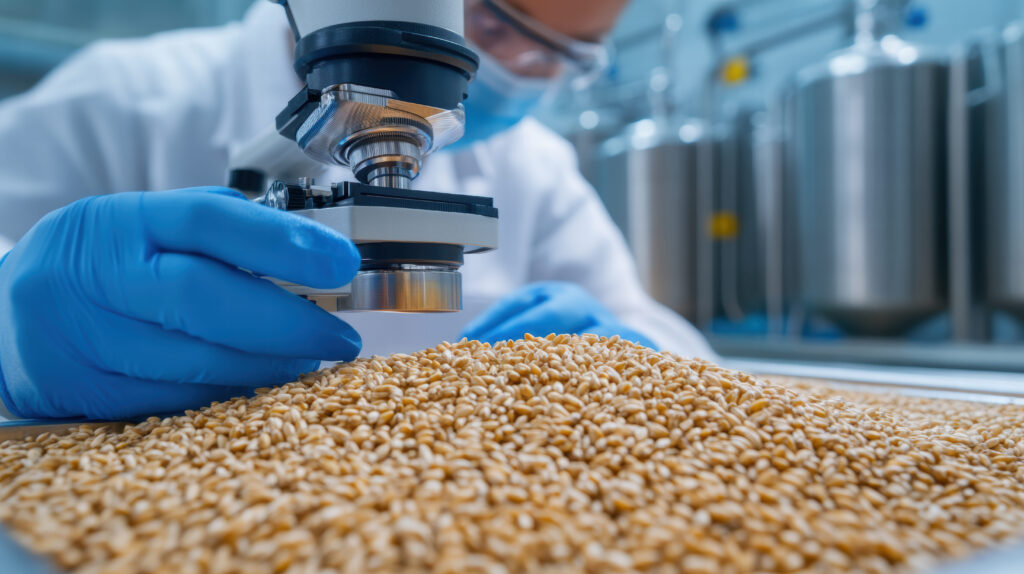
Euroseeds welcomed progress by the EU Council (under the Danish presidency) on the Plant Reproductive Material file, noting the Council agreed its position on new seed rules and trilogues should start in early 2026. It said the text supports a true internal market with common rules, while keeping flexibility for crops and innovation. Euroseeds will engage the Cypriot presidency, Parliament rapporteur Herbert Dorfmann, and the Commission.
The Race to Hybrid Wheat — and What it’ll Take to Make it Successful
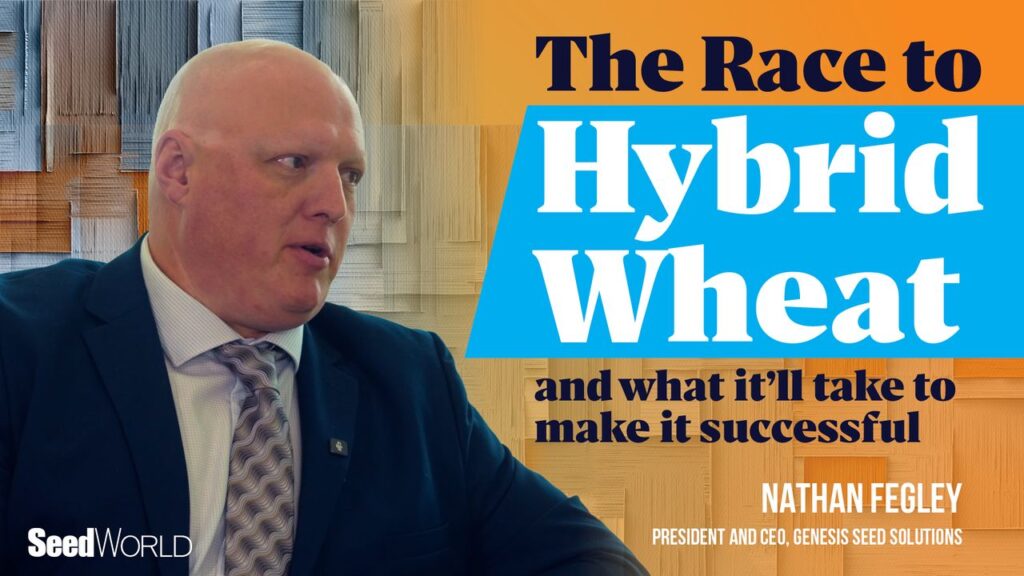
Hybrid wheat is edging closer to commercial reality as companies chase gains in yield stability, disease resilience and economic return. In this short conversation, Genesis Seed Solutions President and CEO Nathan Fegley explains the innovation, pressure points and industry shifts shaping the race. He outlines what must happen for hybrid wheat to shift from promise to practice and earn true producer adoption.
What’s Driving the Next Wave of Seed Innovation?

CSGA Launches Blue Tag Solutions to Fast-Track Innovation

The Canadian Seed Growers’ Association today announced the launch of Blue Tag Solutions
CSGA Builds a Startup for the Seed Sector: Inside the Launch of Blue Tag Solutions

The Canadian Seed Growers’ Association has formed a separately incorporated subsidiary to build new value streams for the sector
Dan Basse’s Rapid-Fire Forecast Points to a Turbulent 2026

This rapid-fire interview with Dan Basse breaks down the key trends set to influence seed demand commodity markets and farmer decisions as the industry heads into 2026.