The new leadership of the Seed Pathology Committee (COPASEM), part of the Brazilian Association of Seed Technology (ABRATES), has begun its term with a clear mission: to enhance the health of seeds produced in Brazil. In the face of ongoing technical, structural, and regulatory challenges, the committee is prioritizing professional training, standardized methodologies, and stronger integration across the seed sector.
Leading the committee are Coordinator Norimar D’Ávila Denardin, managing partner and researcher at the Center for Biotechnology in Agriculture (CEBTECAGRO), and Vice-Coordinator Carla Corrêa, CEO of CLC AgroCapacitação. With a focus on innovation and technical collaboration, the new leadership will drive strategic initiatives to support the production of healthier, safer seeds — an essential foundation for the sustainability of Brazilian agriculture, according to a press release.
“We need to ensure quality from the laboratory to the field,” says Norimar Denardin.
According to Denardin, one of the priorities of the new management is to create a network of standardization and validation of phytopathological analyzes, involving universities and public and private research institutions.
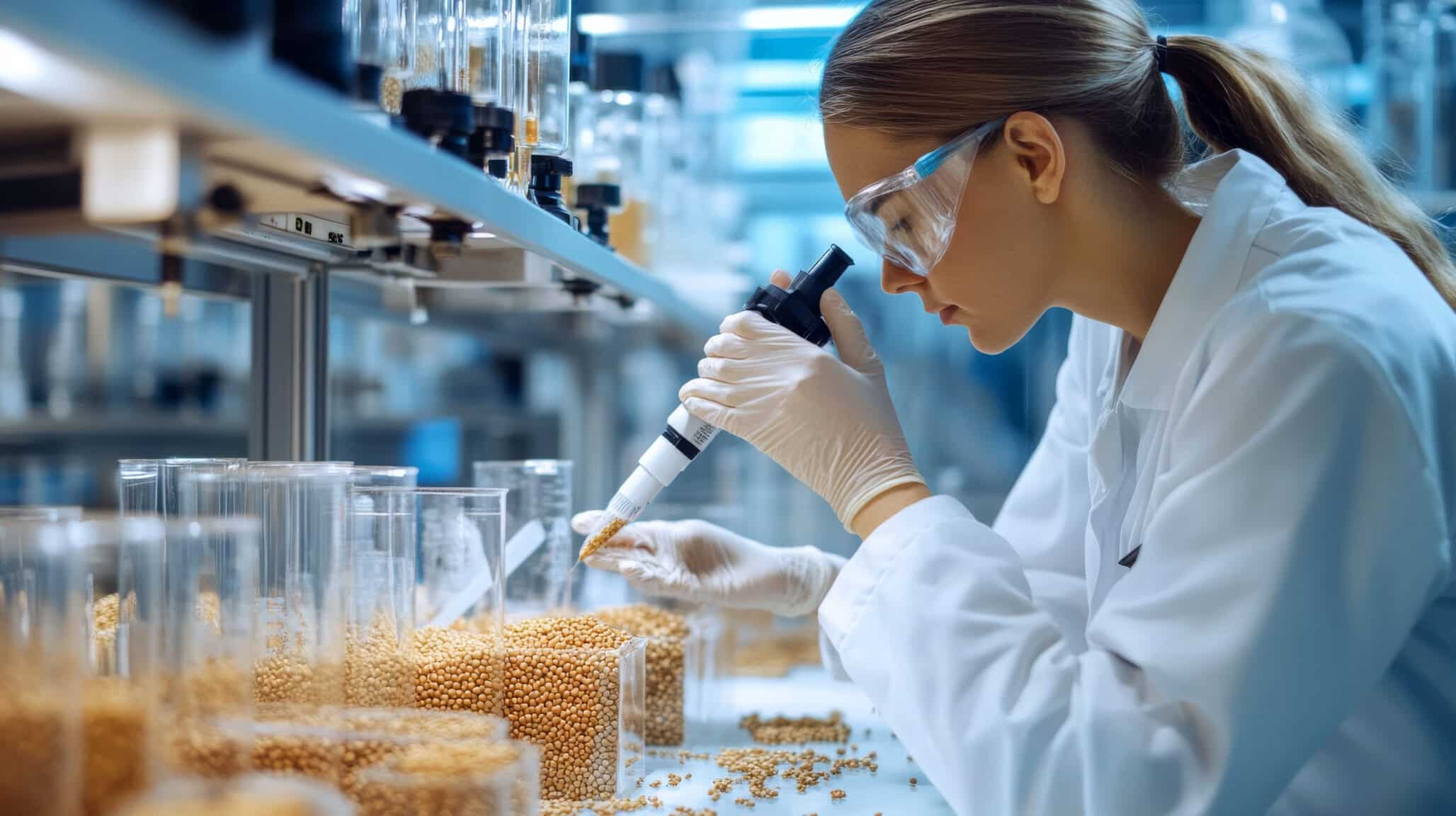
One of the key challenges facing the sector is the shortage of specialized professionals, coupled with limited infrastructure and the absence of standardized diagnostic methodologies. Denardin emphasizes the significant gap in well-equipped laboratories and trained personnel capable of operating advanced technologies and interpreting complex results — especially in regions distant from major urban centers.
She notes that cutting-edge diagnostic techniques — such as PCR (Polymerase Chain Reaction), electrophoresis, DNA sequencing, hybridization, isothermal methods like LAMP (Loop-Mediated Isothermal Amplification), and ELISA — require substantial investment in equipment, reagents, and infrastructure. These costs pose a major barrier to their widespread adoption across Brazil.
Moreover, the lack of skilled technicians able to handle these technologies and accurately interpret their outputs hampers the execution of complex analyses and weakens the country’s ability to respond effectively to the wide variety of pathogens affecting its seed systems.
Deputy coordinator Carla Corrêa also emphasizes the importance of overcoming resistance to the adoption of new methodologies: “We will act in partnership with development agencies and public and private institutions to ensure access to technology, professional training and dissemination of knowledge.”
On a practical level, COPASEM aims to support integrated pathogen management strategies by promoting the appropriate use of chemical, biological, and physical seed treatments. The committee also encourages the development of more effective and safer biocontrol agents. According to the coordinators, advancing these solutions will require increased investment in research and expanded technical training for end users.
Brazil currently has several official laboratories, including those operated by LANAGRO (under the Ministry of Agriculture and Livestock) and the Biological Institute of São Paulo, as well as around 190 laboratories accredited by MAPA as of September 2023.
“However, not all are active or qualified for phytosanitary diagnosis. There are also laboratories linked to universities and public and private research institutions, but the total number is still inaccurate,” says Corrêa.
“The situation shows the urgency of incentives for the maintenance and expansion of these essential services,” reinforces Denardin.
The committee plans to strengthen dialogue with regulatory agencies and key industry organizations, including the Brazilian Association of Seeds and Seedlings (ABRASEM) and state-level associations. Its strategy also includes expanding opportunities for professional development through courses, workshops, and symposiums, while promoting the publication of scientific research in outlets such as the Journal of Seed Science and the ABRATES Newsletter.
“Our goal is to update and disseminate technical-scientific knowledge in seed pathology, in addition to connecting Brazil to international experiences that can strengthen us,” says Corrêa.
The main goal of the new management is to consolidate COPASEM as a national and international reference in seed sanitation.
“Overcoming these challenges requires a collaborative effort between research institutions, government agencies, the productive sector and laboratories, with investments in research, infrastructure, training and public policies focused on the area. The impact will be direct on agricultural productivity, food security and Brazil’s competitiveness in the global market,” concludes Denardin.
COPASEM faces key challenges in seed health in Brazil, including a shortage of trained professionals, lack of standardized diagnostic methods, limited infrastructure, and regional diversity. The committee aims to raise sanitary standards through professional training, stronger lab networks, research support, and collaboration with stakeholders. Laboratories struggle with complex pathogens, outdated protocols, and resistance to new technologies. Field management requires better diagnostics, treatment options, and training. Urgent gaps exist in specialist training and updated methodologies. Brazil’s lab network includes official, accredited, and many unaccredited facilities. COPASEM’s priorities focus on training, applied research, technology investment, and knowledge sharing.