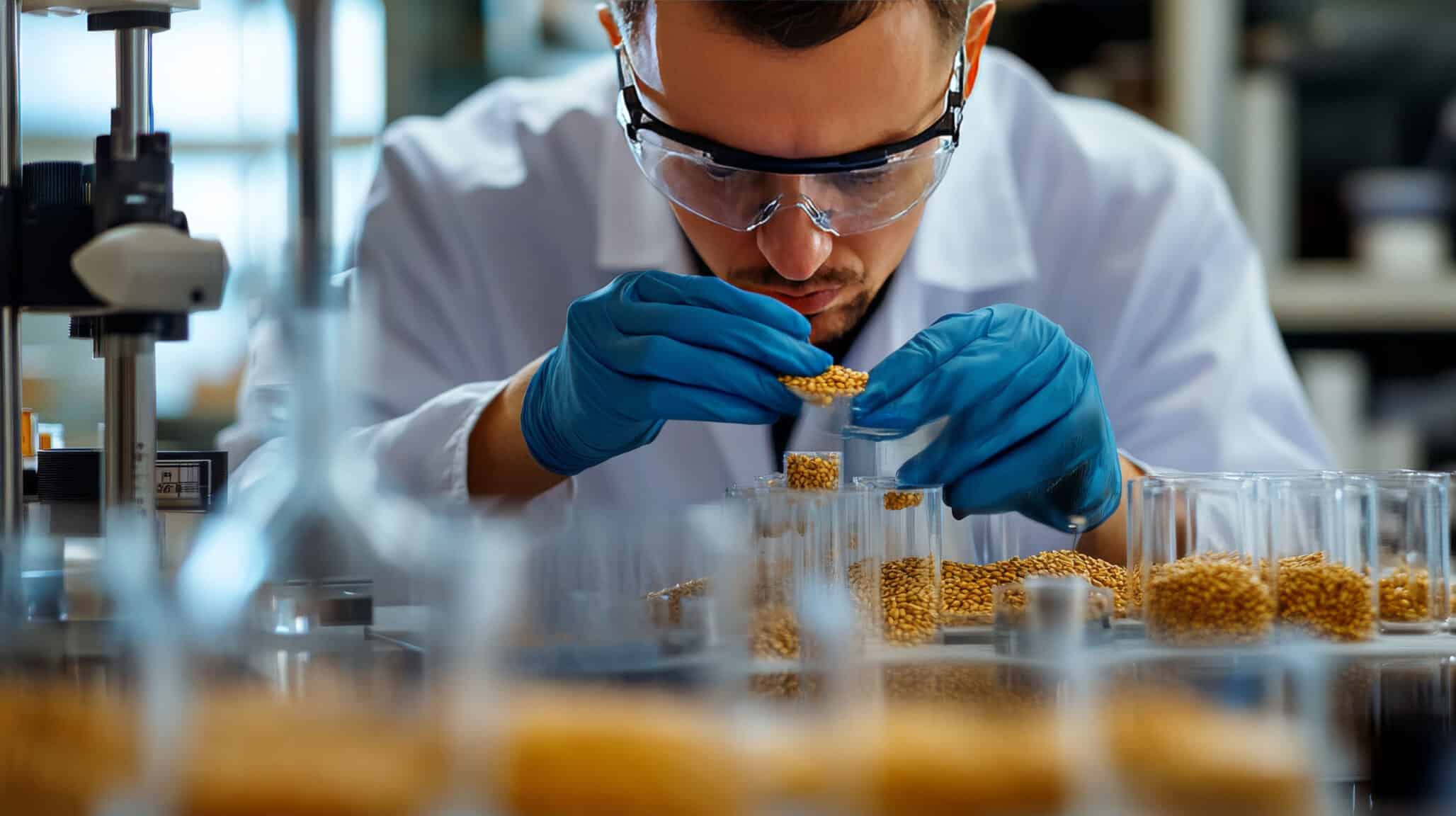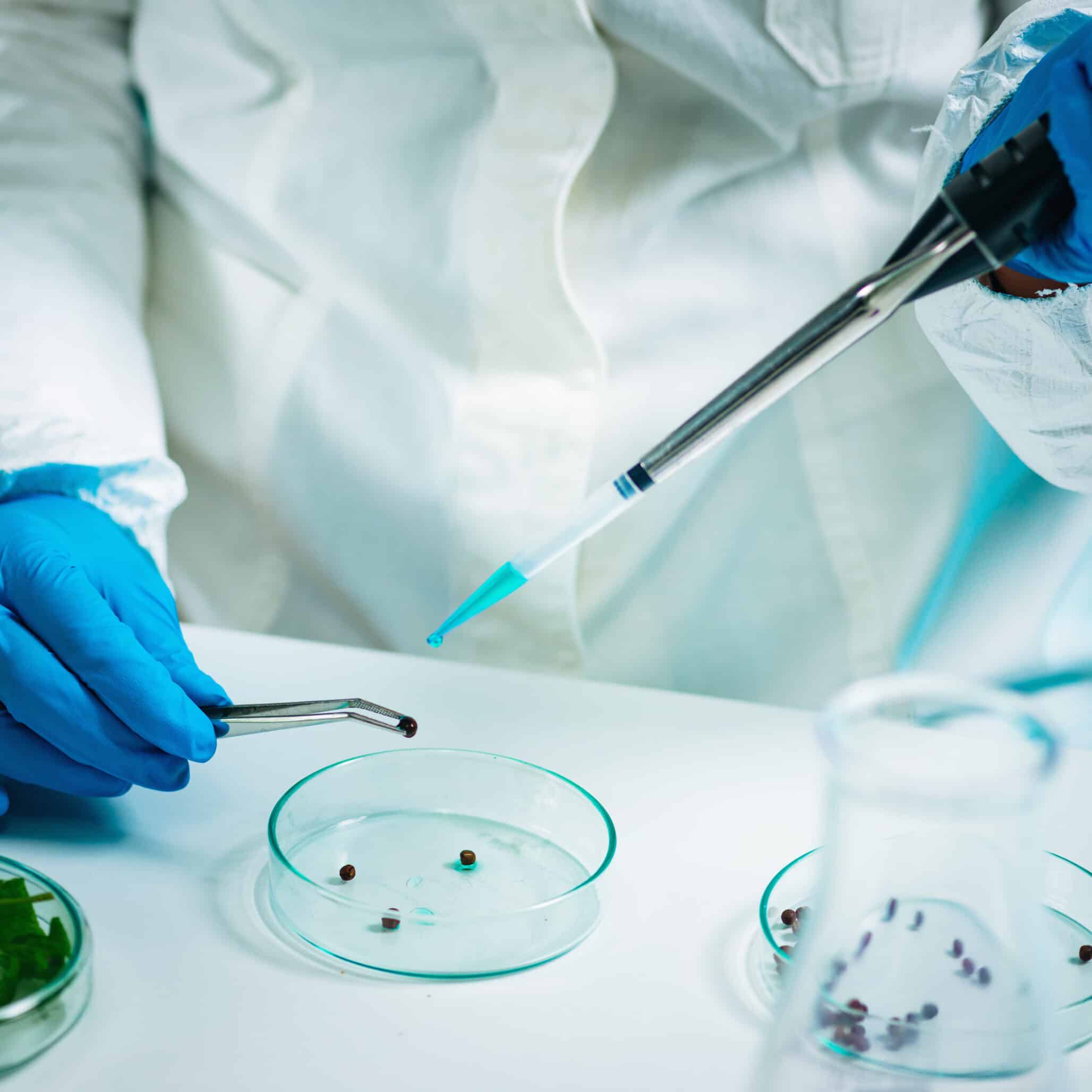
Over the past two decades, Chile has exported more than US$2.3 billion in biotechnological seeds. The country is a site for research, development, and multiplication trials of many genetically modified (GM) corn, soybean, and canola varieties that are grown worldwide, and it is now also working with new gene-edited crops. This role has developed through a mix of scientific research, regulation, industry, and farmer participation.
Biotechnological seeds developed or multiplied in Chilean fields have been planted on millions of hectares globally. Although not widely known, Chile plays an important role in international agriculture through its work in GM seed research, development, and export—particularly corn, soybeans, and canola—as well as newer gene-edited varieties, which differ from transgenics in that they do not include DNA from another organism.
With more than 30 years of experience, Chile has established an agricultural system that serves counter-seasonal markets in the northern hemisphere, supports the testing of new crop technologies, and provides opportunities for local farmers, according to a press release.
“There are two words that define the essence of the seed industry in Chile: Reliability and Quality,” said executive director of the Chilean Seeds Association ANPROS, Mario Schindler. “The professionalism of the seed sector in Chile, of its companies providing seed multiplication services, professionals, technicians and regulators, all acting in tune, has allowed the development in our country of this highly specialized and demanding field, both technically and regulatory, such as the production of biotechnological seeds. The above strategically positions our country in the supply of these seeds that, without a doubt, have contributed significantly to global food security.”
Sector data indicates that over the past two decades Chile has exported more than US$2.3 billion in biotechnological seeds. These exports have been used to sow more than 50 million hectares worldwide—an area equal to 100 times Chile’s annual sowing.
Today, 20 companies—15 of them Chilean—are involved in producing transgenic seeds in the country. Much of this production takes place through contract farming arrangements with local farmers. The activity contributes to employment, foreign exchange, and the transfer of technical knowledge within the agricultural sector.
Biotechnology: An Opportunity For Chile
In 2024, transgenic crops covered more than 209 million hectares globally, accounting for over 12% of the world’s arable land. Studies report that these crops are associated with average yield increases of around 22%, farm income gains of up to 68%, and reduced use of inputs such as insecticides and herbicides.
The global market for genetically modified foods is projected to reach US$123.4 billion in 2025 and to double by 2035. In parallel, new biotechnological tools such as gene editing — distinct from GMOs because they do not introduce DNA from other organisms — are gaining ground. Acceptance of these techniques has grown, with the global market for gene-edited crops expected to reach US$41 billion by 2029.
Chile plays a notable role in this context. All commercial GMO corn, soybean, and canola varieties currently available worldwide have undergone field research and/or seed multiplication in Chile. Over the past 20 years, Chile’s annual exports of biotechnology seeds have averaged US$120 million, while R&D services linked to this sector have averaged US$23 million. The peak season for GMO seed exports was 2012/2013, with US$351 million.
Alongside its work with GMOs, Chile has also established a regulatory framework for other biotechnological tools. The country ranks second globally in the evaluation of gene-edited products, with 52 products reviewed to date.
However, this leadership today faces a limit: the lack of a modern and clear regulatory framework that accompanies the evolution of science, that provides certainties to investment and sustains the growth of the sector.
“More than ever today it is necessary to modernize and improve our regulatory framework. Chile must maintain its leadership position, since it only represents benefits for our agriculture. The above poses the challenge of generating a normative environment that allows us to project our country in the agriculture of the future,” said Schindler.
To support ongoing research and exports to northern hemisphere markets, the industry has proposed updating the regulations governing GMO seed research and multiplication, which have been in place since 2001. In addition, given the growing global interest in gene editing — biotechnological techniques that do not produce GMOs — there is a proposal to develop a specific legal framework for gene-edited varieties.
“If we want Chile to maintain its global leadership in this industry, we need to update the regulations, give clear powers to the SAG, and give certainty to the activity in the medium and long term, which will attract investment and generate many quality jobs,” concludes Dr. Sánchez, executive director of ChileBio.
The accumulated investment of the sector in the last 30 years exceeds US$ 150 million and generates more than 30,000 jobs.
“Strengthening the biotechnological seed industry is a concrete opportunity to stimulate investment, improve profitability and consolidate Chile as a leader in agricultural innovation. This requires political will and a collaborative approach between the State, science and the private sector,” Sánchez says.