The grain quality study conducted by INTA Paraná focuses on three strategic oilseed crops for the national agroindustry: soybeans, flax, and rapeseed. The research aims to provide key information to support both the food industry and energy production.
“Analyzing the composition of grains allows us to add value from knowledge, optimize the efficiency of use in agri-food chains and guide strategies for genetic improvement and agronomic management,” explained Maricel Gallardo, researcher in charge of the Cereals and Oilseeds Quality Laboratory and highlighted the importance of studying nutritional and functional parameters in the main Argentine crops.
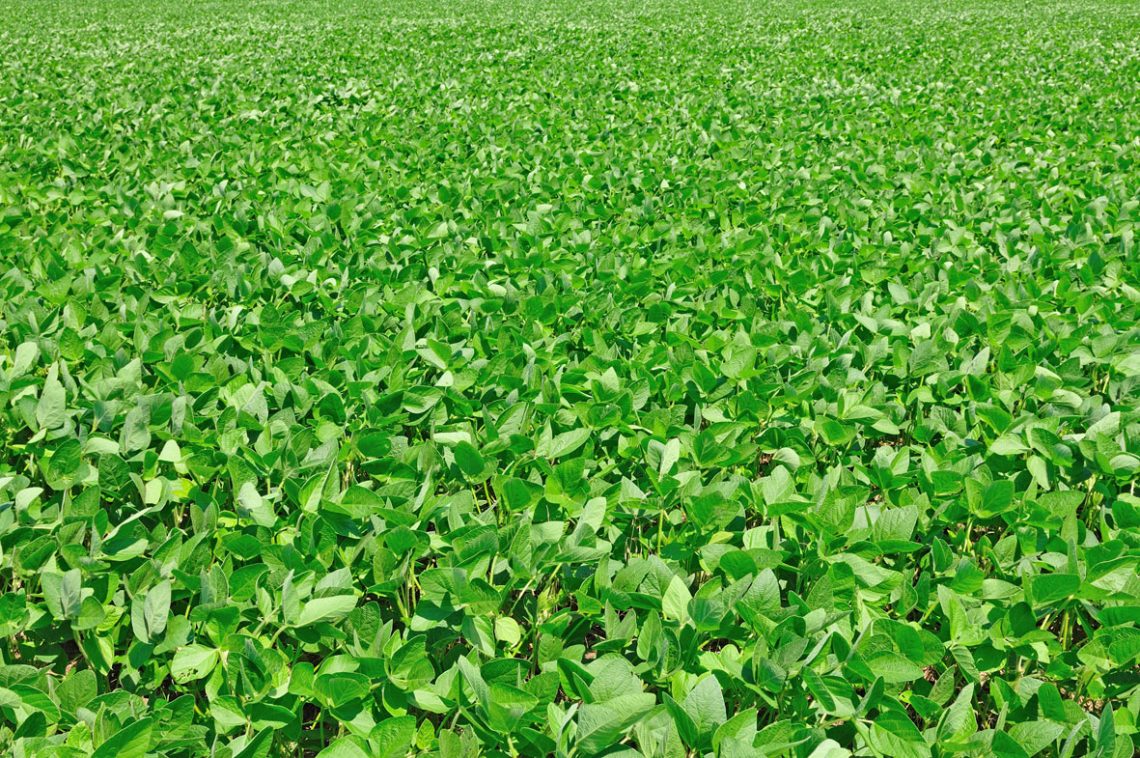
In the case of soybeans, the EEA Paraná team — working with INTA Rural Extension Agencies in Entre Ríos and with the participation of Diego Santos — conducted a survey between 2021 and 2024 to assess protein, oil, phosphorus, and amino acid content in grain samples collected across different departments of the province. The results showed an average protein concentration of 35.3% and an average oil concentration of 23%, with variations observed among years and locations.
“Soybean is a key crop in Argentina and knowing its quality at the regional level allows us to identify environments with greater potential for different industrial and nutritional uses,” said Gallardo. This information, he added, will allow more precise planning and selecting the most suitable grains for each destination, whether food or energy.
At the national level, the research is part of the Quality Network coordinated by Cecilia Accoroni, which broadens the reach and applicability of large-scale results, according to a press release.
The study also examined amino acid and phosphorus profiles, both of which are essential for animal nutrition. Notably, lysine levels exceeded the national average, reaching 6.8% in 2021 and 5.8% in 2022. The Diamante and Paraná regions stood out for their higher lysine content, while Villaguay and Paraná showed elevated phosphorus levels.
“These data offer concrete tools to producers to improve the efficiency of local poultry production, adjusting the choice of crops according to nutritional needs,” the researcher stressed.
Likewise, flax was the subject of another work led by Gallardo, aimed at evaluating the yield and oil content in seven cultivars. “Linen stands out for its high content of α-linolenic acid, an omega-3 with beneficial effects on cardiovascular health. Improving its performance and quality is key to responding to the demand for healthy and sustainable oils,” he explained.
The trials conducted at EEA Paraná revealed significant differences among cultivars and planting dates, confirming that early sowing favors both yield and oil accumulation. This sensitivity of the crop to environmental conditions during the grain-filling period provides valuable information for defining management strategies aimed at enhancing its functional value.
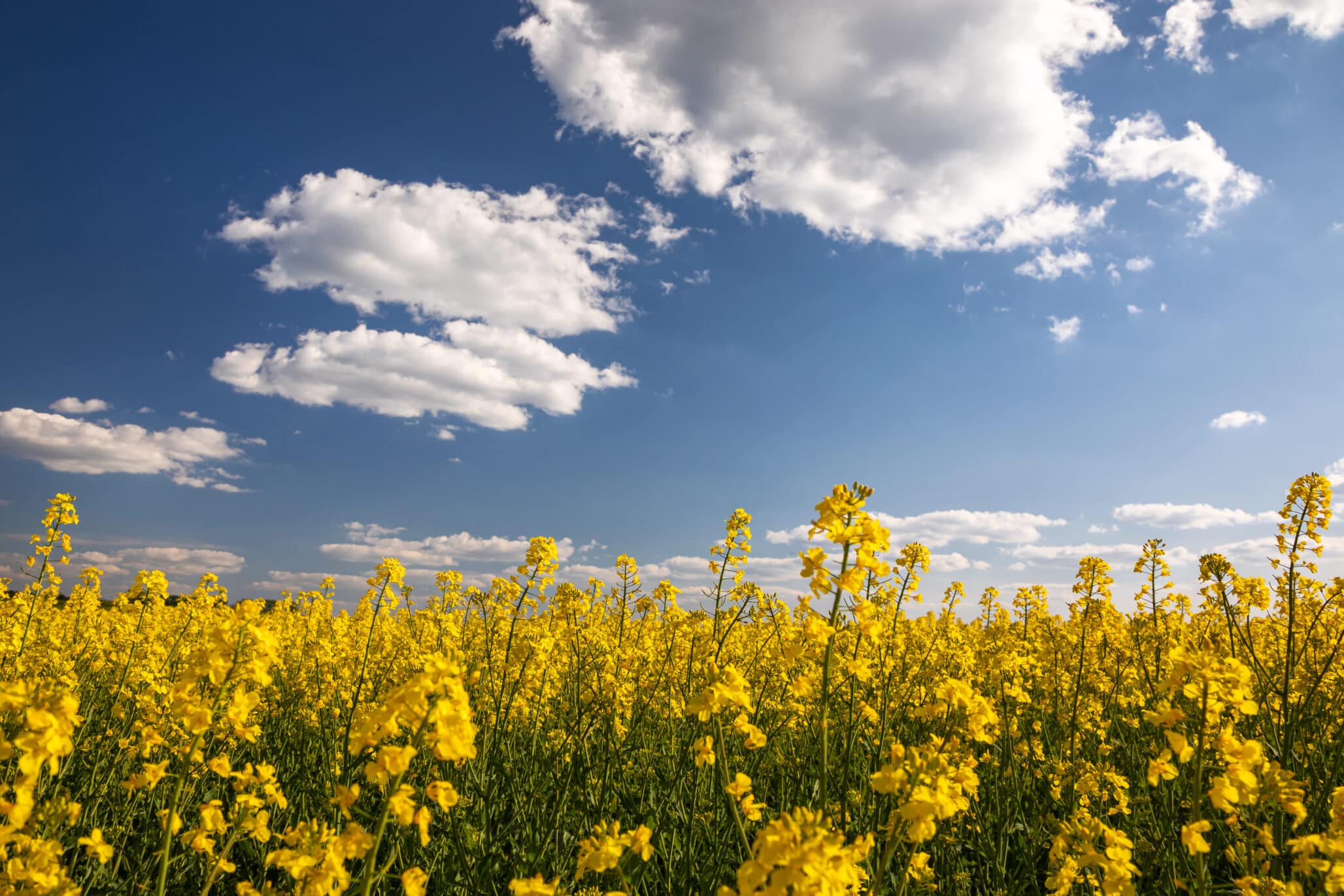
In a complementary line of research, the INTA Paraná team also analyzed rapeseed, a winter oilseed with strong potential to diversify crop rotations and supply raw material for both the food and energy industries. The study evaluated cultivars grown in Barrow, Bordenave, Paraná, and Quimilí, representing diverse agroecological regions across the country.
According to Leonardo Coll, technical reference of INTA Paraná, “rapeseed offers a strategic opportunity to produce high quality oils and biofuels in temperate regions of the country.” The results showed that the oil content depends heavily on the environment, with values above 45% in some cultivars of Barrow and Paraná, and lower in warm and dry regions such as Quimilí. “Identifying genotypes with high oil content in favorable environments is essential for the development of biofuels and functional foods,” Coll said.
For his part, Gallardo said that “the results show the importance of selecting cultivars adapted to different environments, something that is key both in the production of biofuels and to meet the demands of the food industry.”
In this way, studies on soybeans, flax and rapesee converge on the same purpose: to deepen knowledge about the quality of Argentine grains and provide strategic information for the industry and producers. “From INTA Paraná we seek to generate basic information that serves both producers and industries, contributing to the competitiveness and sustainability of agri-food chains,” concluded the researcher.