
At Michelman, we’ve built our reputation by creating innovative, sustainable solutions — long before “sustainability” became a buzzword.
Our core strength lies in applying deep technical expertise and a proactive mindset across industries. We don’t just adapt to change; we anticipate it and help shape it. Our purpose is to innovate a sustainable future, and that fuels every decision we make. We’re committed to developing and delivering new technologies that help our customers stay ahead — not scramble to catch up when outside forces mandate a change.
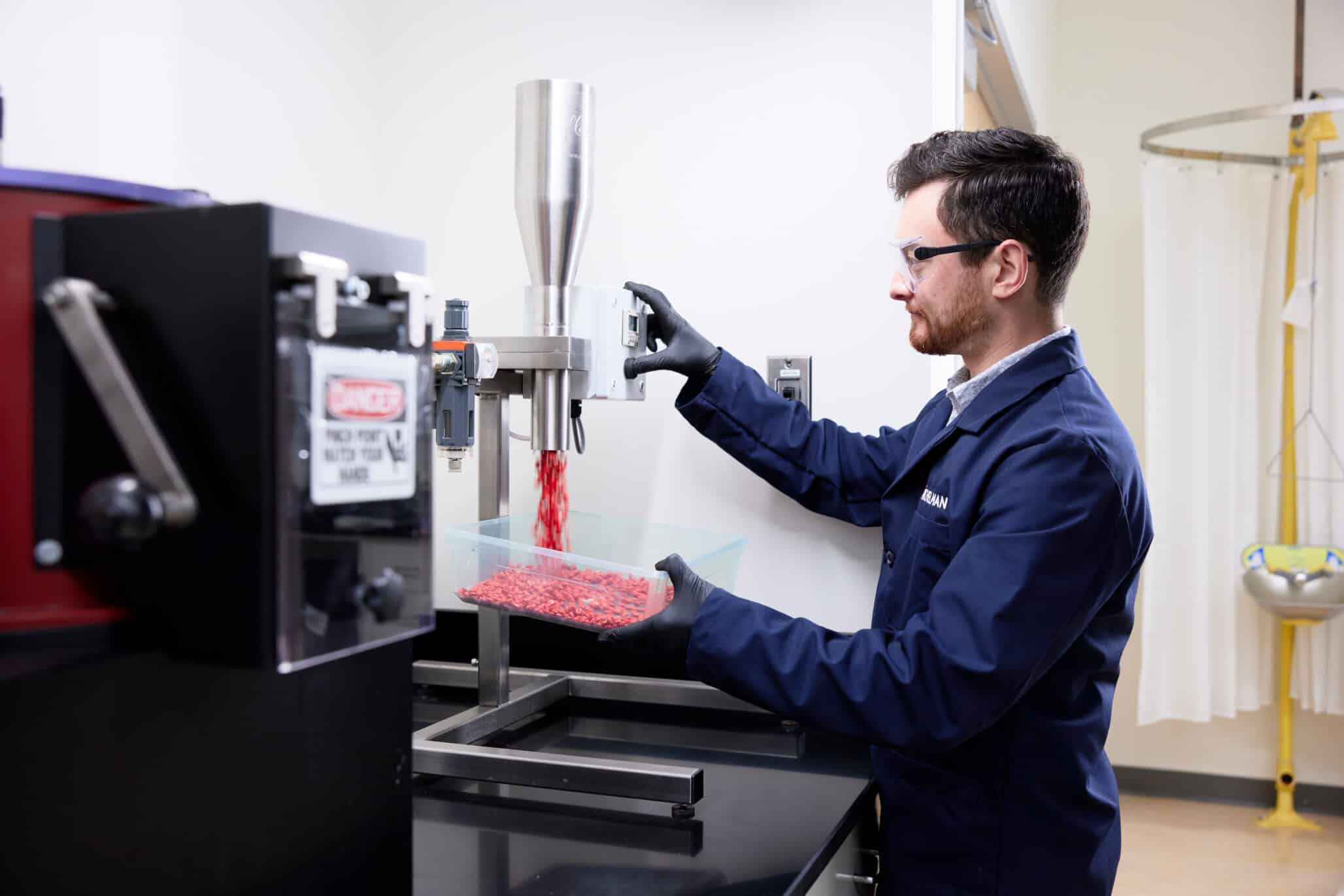
This proactive approach isn’t new to us. We’ve spent decades developing advanced coatings that can adhere to just about any surface and withstand challenges like abrasion, moisture, and environmental stress. In packaging, our coatings have helped make paper cups more recyclable; in automotive, they’ve contributed to lighter-weight parts; in paints, they’ve reduced emissions. The same kinds of scientific breakthroughs we’ve pioneered in these industries also translate to agricultural coatings, such as those used on seed. By leveraging our expertise in dust control, adhesion, wet flow, and dry flow, we’re delivering new levels of performance to the seed industry.
One of the most important areas we’re addressing is the inevitable regulation of microplastics in seed coatings. Today’s microplastic containing products work well — but change is coming. Waiting until regulations arrive to start innovating is a recipe for disruption and cost. That’s why Michelman has been investing for years in naturally occurring, microplastic-free seed coating polymers that match or exceed the performance of conventional products while remaining cost competitive. For us, sustainable innovation isn’t about reacting; it’s about preparing our customers for the future well before it arrives.
Our experience across industries has reinforced a critical truth: every detail matters. In agricultural coatings, performance must hold up under widely varying conditions — from different application temperature ranges, to the unique surface characteristics of corn, soybean, and wheat seed, to compatibility with multiple types of seed treaters, chemicals, and slurry rates. And because our seed coating polymers are just one part of a complete seed treatment package, they must integrate seamlessly with all other components, work in all types of equipment, and adhere reliably to all seed types.
These requirements mirror the complexity we’ve addressed in other industries. Whether coating a paper cup or a composite fiber, success depends on understanding the entire ecosystem — the manufacturing process, the end-use environment, the supply chain, and the user experience. It’s never about one ingredient alone; it’s about how every element works together to deliver consistent, reliable results.
Unfortunately, many industries — agriculture included — tend to take a reactive approach to change. Innovation is too often driven by regulations or urgent market shifts, rather than by foresight and long-term planning. At Michelman, we believe the seed industry has an opportunity to lead instead of follow. Proactive innovation builds resilience, strengthens customer trust, and positions companies to thrive in a competitive and rapidly evolving marketplace.
Michelman’s ability to deliver this kind of forward-looking innovation is strengthened by our global footprint. We manufacture in the United States, Europe, and Asia — not just for geographic reach, but to understand and respond to local market needs, adapt to regional regulations, and shorten lead times. This structure allows us to source locally where possible, adapt formulations for regional conditions, and deliver tailored solutions faster than competitors.
Our track record shows that applying lessons from one industry to another can be transformative. In agriculture, we bring knowledge of coatings and materials that many seed treatment suppliers simply don’t have — from environmental durability to advanced adhesion science — giving us the ability to create products that solve today’s problems and anticipate tomorrow’s challenges.
The path forward for the seed industry is clear: adopt a mindset that doesn’t just accept the inevitability of change, but actively shapes it. That means working with partners who have both the technical expertise and the commitment to develop solutions before they’re urgently needed. At Michelman, that’s not a side project — it’s our standard way of working.
We are ready to help farmers, seed companies, and the environment succeed together. We believe that by anticipating future needs, designing products that integrate seamlessly into existing systems, and committing to sustainability without sacrificing performance or cost, we can help the industry navigate coming changes with confidence.
The real question is: will the seed industry act now to shape its own future — or wait until outside forces dictate the terms? The future belongs to those willing to lead it.