Breeding decisions are becoming smarter, faster, and more data-driven. In our Tools for Smarter Breeding – Making Genomic Selection Practical webinar, three leading experts — Dr. Diego Jarquin, Dr. Caio Canella Vieira, and Dr. Enid Pérez-Lara — showed how genomic selection is making that transformation possible.
In this session, you’ll discover:
- Why genomic selection (GS) is a game-changer for faster genetic gain and more confident decisions
- How to choose and deploy models and prediction approaches that work in practice
- Real-world solutions to common hurdles like data integration and resourcing
- Practical lessons from both cutting-edge research and industry experience
Our Panelists:
Dr. Diego Jarquin — Assistant Professor, Integration & Application of AI & Omics in Plant Breeding, University of Florida

Diego Jarquin is an Assistant Professor in the Agronomy Department at the University of Florida. He received his Ph.D. in Statistics from the University of Postgraduate Education in Mexico in 2012 and had postdoctoral training at the University of Alabama – Birmingham and the University of Nebraska – Lincoln. Later, he was promoted to research assistant professor and research associate professor. Jarquin is a statistician that merges statistical methodology, AI, computer algorithm development, data science and collaborative work with plant sciences.
He brings an active research agenda that is advancing how prediction models are developed for selection purposes in Plant Breeding. As part of his work, Jarquin have established an excellent record of peer-reviewed publications on prediction model developments that contributed to producing improved cultivars in Plant Breeding (90 manuscripts and four book chapters for about 5,600 citations). In 2020, Diego Jarquin received the Early Career Scientist Award from the National Association of Plant Breeders and recently received the 2024 UF/IFAS Plant Breeding Innovation Award, and the 2025 UF Excellence Award for Assistant Professors.
Dr. Caio Canella Vieira — Assistant Professor of Soybean Breeding, University of Arkansas

Caio Canella Vieira is an Assistant Professor of soybean breeding at the University of Arkansas, where he leads the University’s soybean breeding program.
Before joining the University of Arkansas, Canella Vieira earned his M.S. and Ph.D. in Plant Breeding, Genetics, and Genomics from the University of Missouri. His program in Arkansas targets the development and release of high-yielding conventional and herbicide-resistant soybean cultivars with broad biotic and abiotic stressors tolerance, as well as improved seed composition.
The program puts efforts into identifying and incorporating economically important traits from genetically diverse accessions into modern, high-yielding genetic backgrounds. Substantial efforts are also made to maximize the efficiency of the soybean breeding program through the implementation of genomic prediction strategies across various stages of the pipeline.
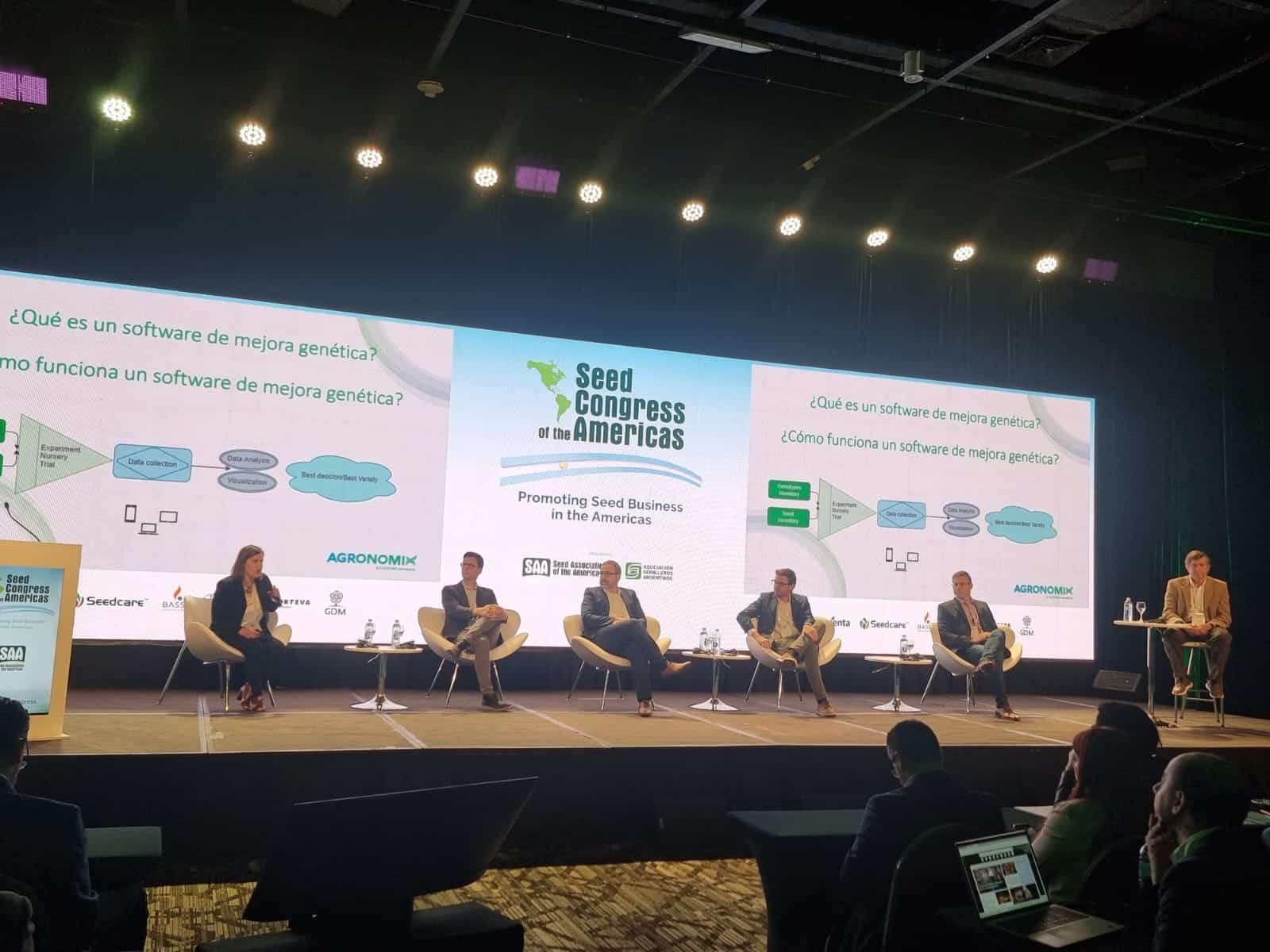
Dr. Enid Perez-Lara — Industry Engagement Manager, Agronomix Software

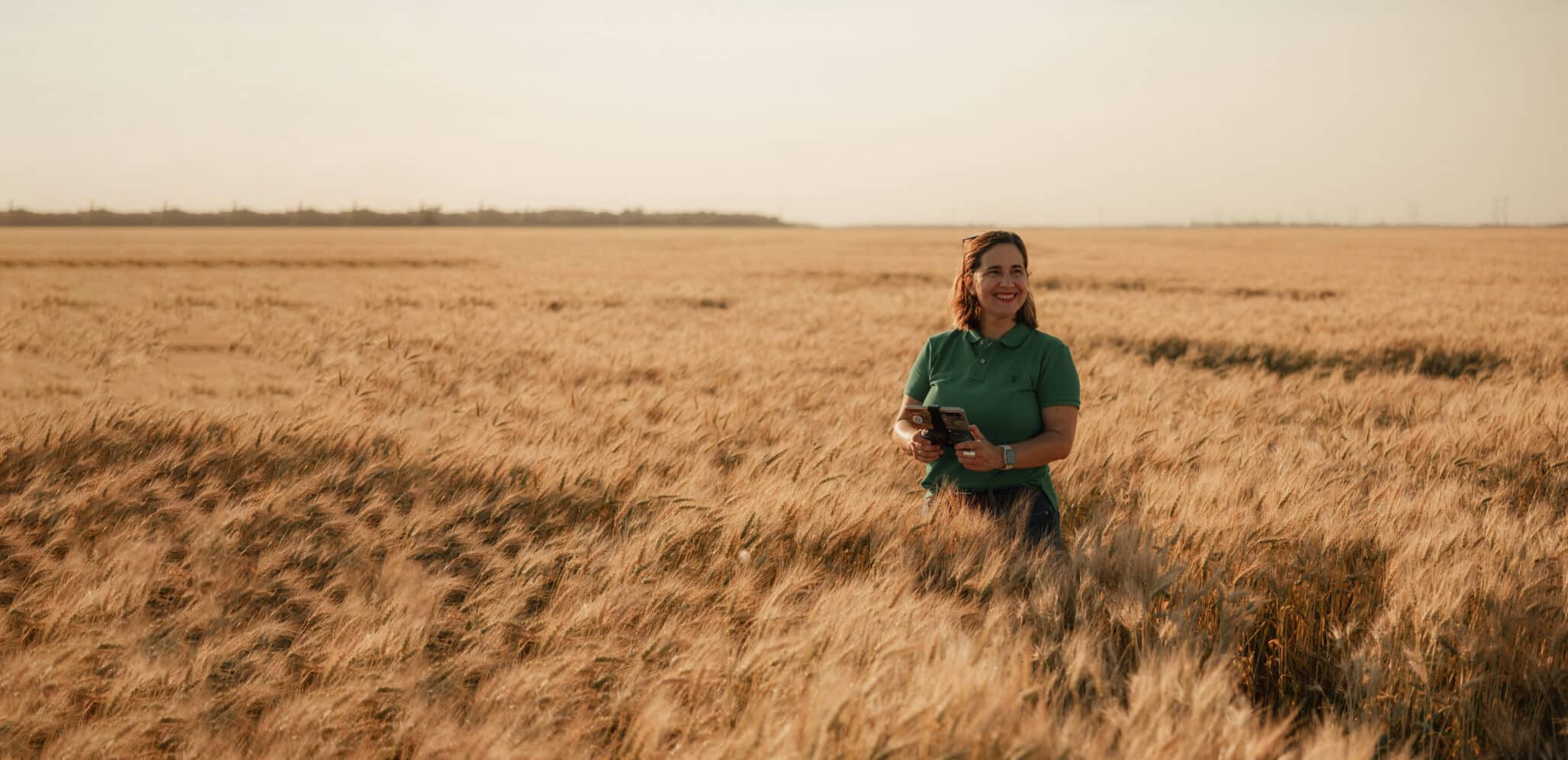
Enid Perez-Lara is a seasoned plant breeder and a passionate advocate for diversity in agricultural sciences. With over 24 years of experience in plant breeding, she has worked across various crops, supporting research, innovation, and technology adoption on a global scale.
Currently serving as the Industry Engagement Manager at Agronomix Software, she collaborates with breeding programs worldwide to integrate cutting-edge digital tools that enhance decision-making and efficiency.
Beyond her technical expertise, Perez-Lara is a dedicated champion for women in plant breeding, actively promoting career opportunities for young scientists and fostering international knowledge exchange to drive innovation in the field.
Looking for More?
You can also connect directly with Dr. Enid Pérez-Lara to:
- Schedule a Genovix GS implementation consultation, or
- Request a copy of Agronomix’s GS white paper
We’re glad to have you part of this conversation. Whether you’re just exploring GS or already scaling its use, we hope these insights and tools help make genomic selection both practical and high impact in your work.