
When precisely formulated, chitosan doesn’t just boost germination and vigor — it helps beneficial microbes turn up the volume on plant health.
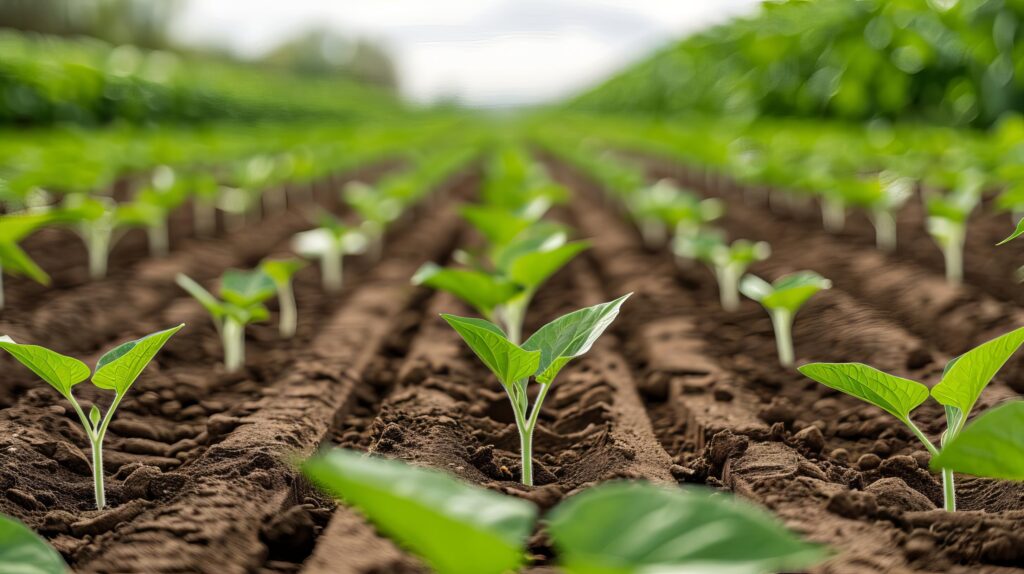
Precisely formulated chitosan can be a powerful tool when it comes to sharpening the seed treatment program. When chitosan is applied to the seed, it can increase germination, speed to emergence and improve plant vigor, stand establishment and plant uniformity.
What’s often overlooked is the synergistic relationship between chitosan-treated seed and nearby plant growth-promoting bacteria (PGPB). These beneficial microbes produce phytohormones that improve overall plant health and help defend against pathogens. Together, chitosan and PGPBs strengthen the plant’s stress responses, enhance nutrient uptake and boost disease resistance. This dual benefit is especially important in today’s production systems, where crops face a mix of biological, chemical and environmental stressors that demand a resilient start from day one.
Microbes Meet Their Match
Both chitosan and PGPBs act as elicitors of plant innate immunity, influencing defense hormones like salicylic acid, jasmonic acid and ethylene. They also affect auxin biosynthesis and transport — key drivers of root growth.
Research suggests chitosan can shape plant host responses through immune signaling or via root exudates that indirectly support PGPB colonization. Once established, PGPBs expand root development and occupy root surfaces, outcompeting pathogens for space while producing antimicrobial compounds. Together, they form a living barrier that strengthens the plant’s defense system. In practical terms, this means stronger early root systems, faster canopy closure and healthier plants that can better handle the unpredictable conditions farmers face each season.
Double Defense in the Dirt
Chitosan and PGPBs have also been shown to help plants handle salt stress. Chitosan stimulates osmolyte accumulation, such as proline, that protects plant cells during stressful conditions.
In one study on asparagus, the combination of chitosan and Bacillus amyloliquefaciens increased emergence rate, nitrate levels, root and shoot weight and overall plant health. Similar outcomes have been seen in cereals, soybeans and horticultural crops, reinforcing that this synergy isn’t limited to one crop type.
From a crop protection perspective, chitosan primes the plant’s immune system while PGPBs release antimicrobial compounds that target pathogens and nematodes. Some studies have even shown that chitosan can increase PGPB populations in the soil.
However, formulation matters. When precisely formulated, chitosan doesn’t just play well with microbes — it makes them even more powerful partners. The key is in the science of balance: matching the right formulation to the right biologicals to unlock consistent, measurable field performance.