
Nothing challenges your assumptions about agriculture like looking at avocadoes growing in the desert sand without a drop of rain.
When I worked in the avocado business I experienced exactly that in Peru. The company I visited, Camposol, brings water down from the mountains through aqueducts to drip irrigate the land, creating a productive growing area in a region where you would never think it could be done. Avocadoes, asparagus and peppers grow under the impressively efficient irrigation, and over time the soil is even gaining fertility.
This was a profound example of creative thinking in agriculture opening a door where most would assume a door couldn’t exist.
This came to mind for me in early November while attending the World Alfalfa Congress in Reims, France. The theme was focused on growing alfalfa within the confines of environmental change. Participants from around the world attended talks, shared ideas, discussed their experiences, and explored the challenges facing the industry.
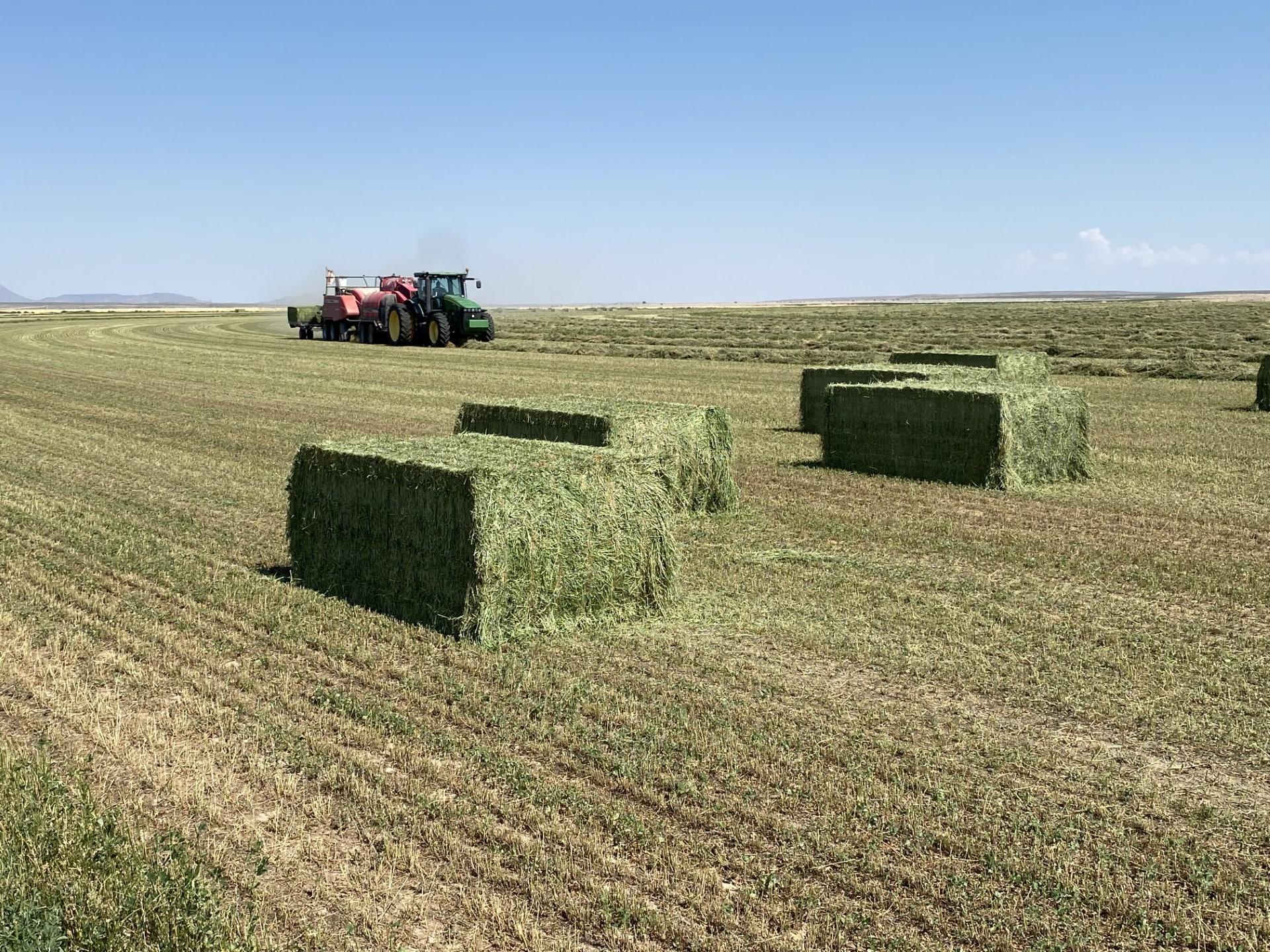
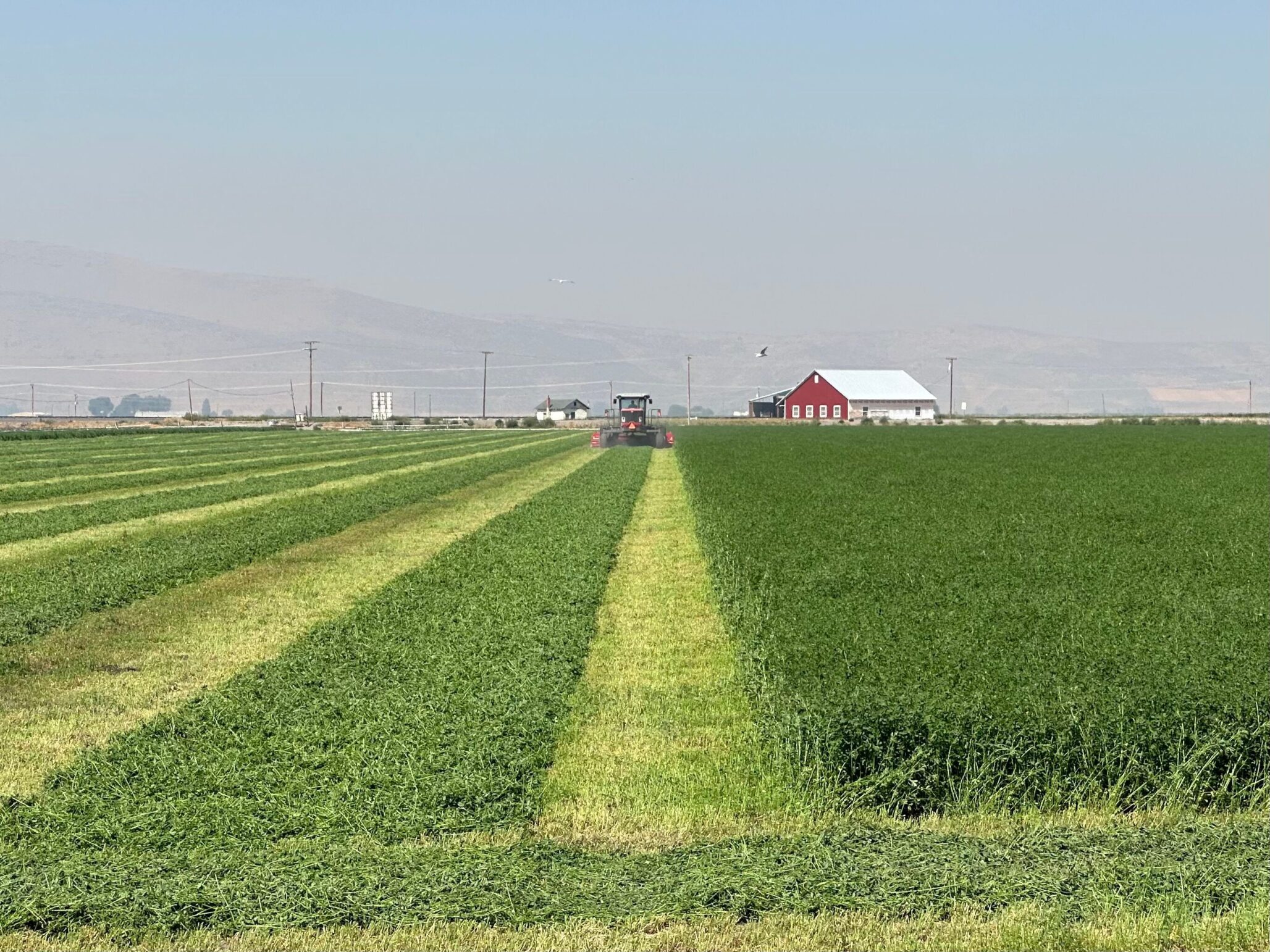
Alfalfa is a crop that offers many benefits. It’s nitrogen fixing, maintains soil moisture once it’s established, and it is an excellent source of feed. However, it is also a crop with high water demands. In arid regions like Arizona and California, water is a scarce resource. With a growing human population, decreased rainfall, and diminishing water supply, crops like alfalfa compete with humans for that water.
What is the solution? Ban alfalfa? Start looking for new locations to grow it? Maybe.
But what if we look at this as a challenge, instead of a problem? What happens if we don’t just focus on our current ways of thinking, but reach for solutions we haven’t even imagined?
At Summit, we are currently researching coatings that have increased water absorption, which could help establish crops in drier conditions. At the Congress, it was clear that we’ve started thinking about how we can grow alfalfa with less water and increased drought tolerance. The solutions to this challenge are going to be multifaceted.
That’s where collaboration comes in. By staying curious and collaborating with others across the industry, and by looking beyond our borders and outside the crops we are most familiar with, we might uncover creative solutions to expand the possibilities for many areas of agriculture in all kinds of unfavourable conditions.
If a desert can surprise us with avocadoes, just about anything may be possible if we’re willing to look beyond what we already know.