
The seed industry is facing a talent bottleneck. Talented people want to grow into leadership roles, but many can’t step away from their careers to pursue full-time degrees. The good news? It may be easier than you think to get the right amount of education to fit your needs.
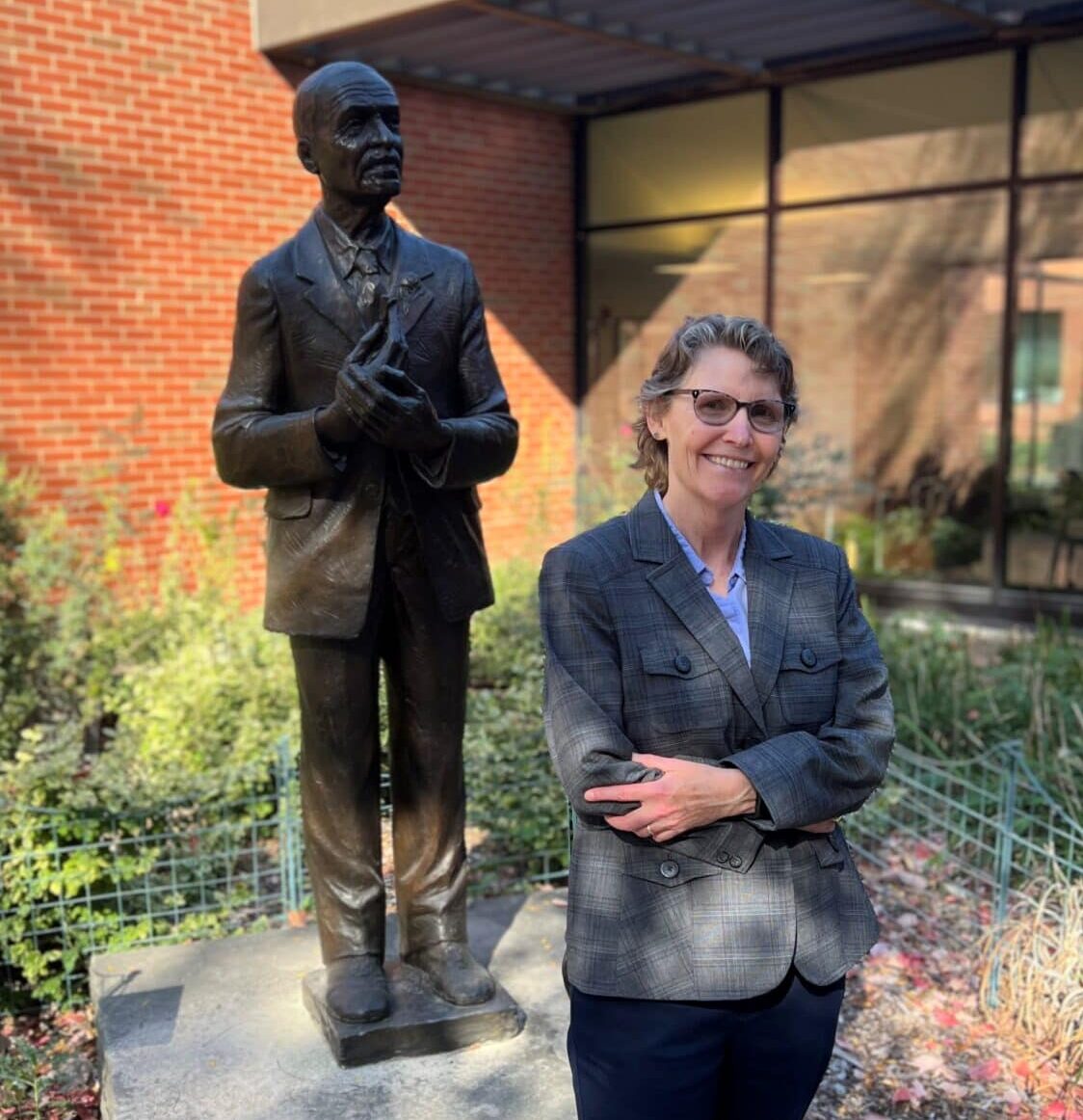
As the newest instructor for Iowa State University’s (ISU) Seed Technology and Business (STB) graduate program, I know the smartest professionals today stack education strategically.
I grew up in the seed business. My grandfather started our family company in 1941, and I learned it from childhood. But my undergraduate degree was in public relations, and I spent years working outside agriculture before returning to the family business. When I came back, I understood our company, but not the broader industry.
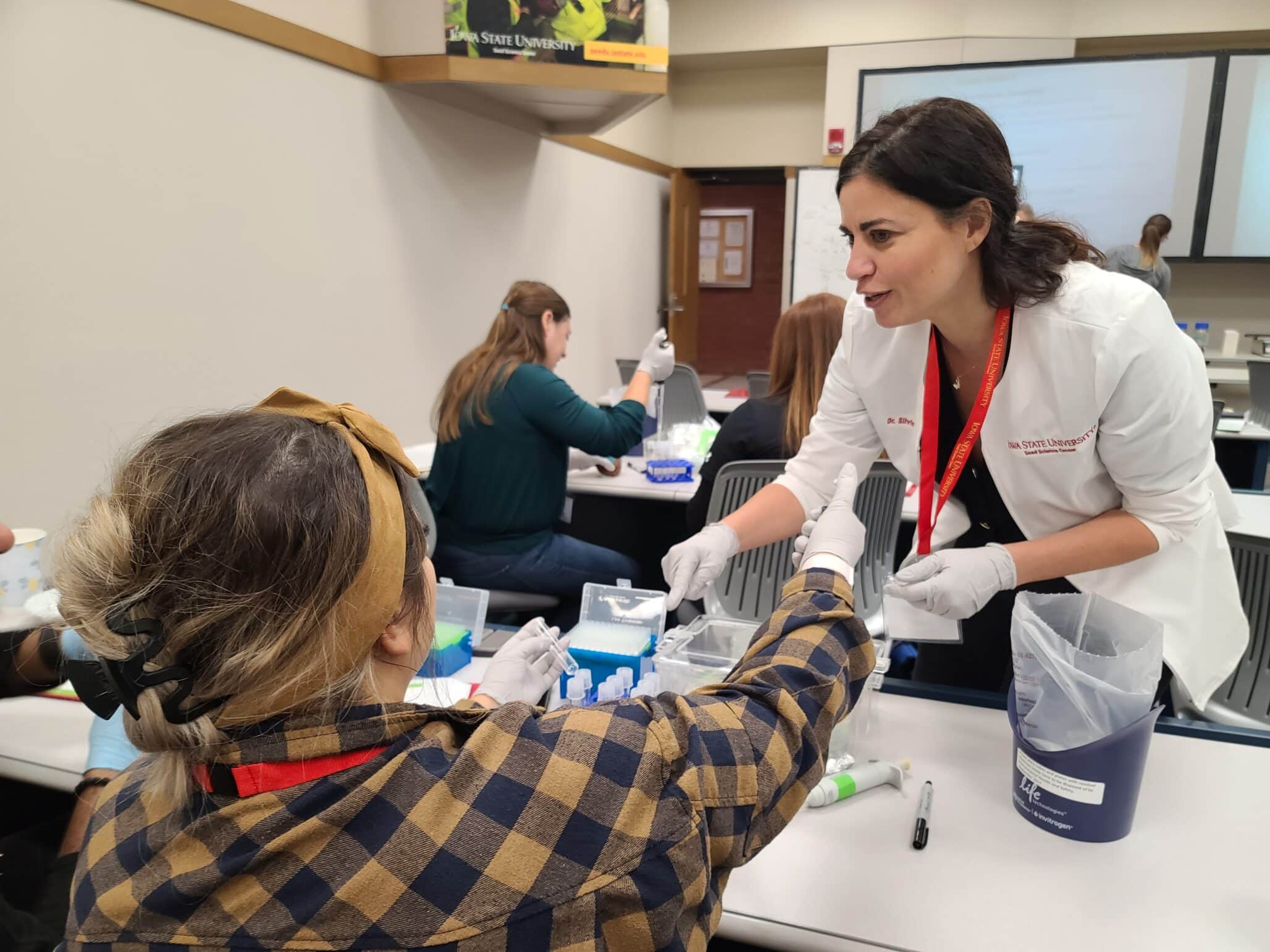
Going through the ISU-STB graduate program gave me that broader lens. It paired academic structure with my real-world experience and was, frankly, a game changer.
But here’s the key: the STB program was right for me at that stage of my career. It might not be the first step for everyone.
Early in your career, especially in technical or production roles, strong agronomic and operational fundamentals matter most. That foundation might come from an associate degree, a certificate, a micro-credential, or hands-on training. The beauty of education today is that it’s modular. You can start with what fits your current role and layer on additional credentials as your career evolves, often with employer support.
As president of a small seed company, we invest in all forms of professional development. Technical workshops, agronomy courses, seed processing training, trade association meetings, they all matter. Conferences are powerful classrooms. You don’t just learn from presentations; you learn from conversations. How are other companies adapting? What crops are gaining traction? How are global politics, consumer trends, or export markets shifting the landscape?
Today, I believe one of the most critical competencies for seed professionals is understanding the broader agricultural commodity complex. Global political factors, consumer preferences, and supply chain shifts increasingly shape our industry. If you don’t understand the macro forces at play, you risk steering your career, or your company, in the wrong direction.
For those considering graduate education, my advice is simple: work in the industry first. Fight a few battles. Gain context. Then, if you pursue advanced education, you’ll know exactly how to apply it, and it will accelerate your growth.
The right amount of education isn’t one-size-fits-all. It’s about aligning learning with where you are and where you want to go next.
Click here to listen to a full interview with STB Instructor, Jim Schweigert.