
In seed testing, most decisions are made from a single number.
Germination percentage. A clean, simple metric that tells you how many seeds produced normal seedlings under ideal conditions. It’s necessary. It’s standardized. And it’s often treated as the final word.
But in the field, performance is rarely that simple.
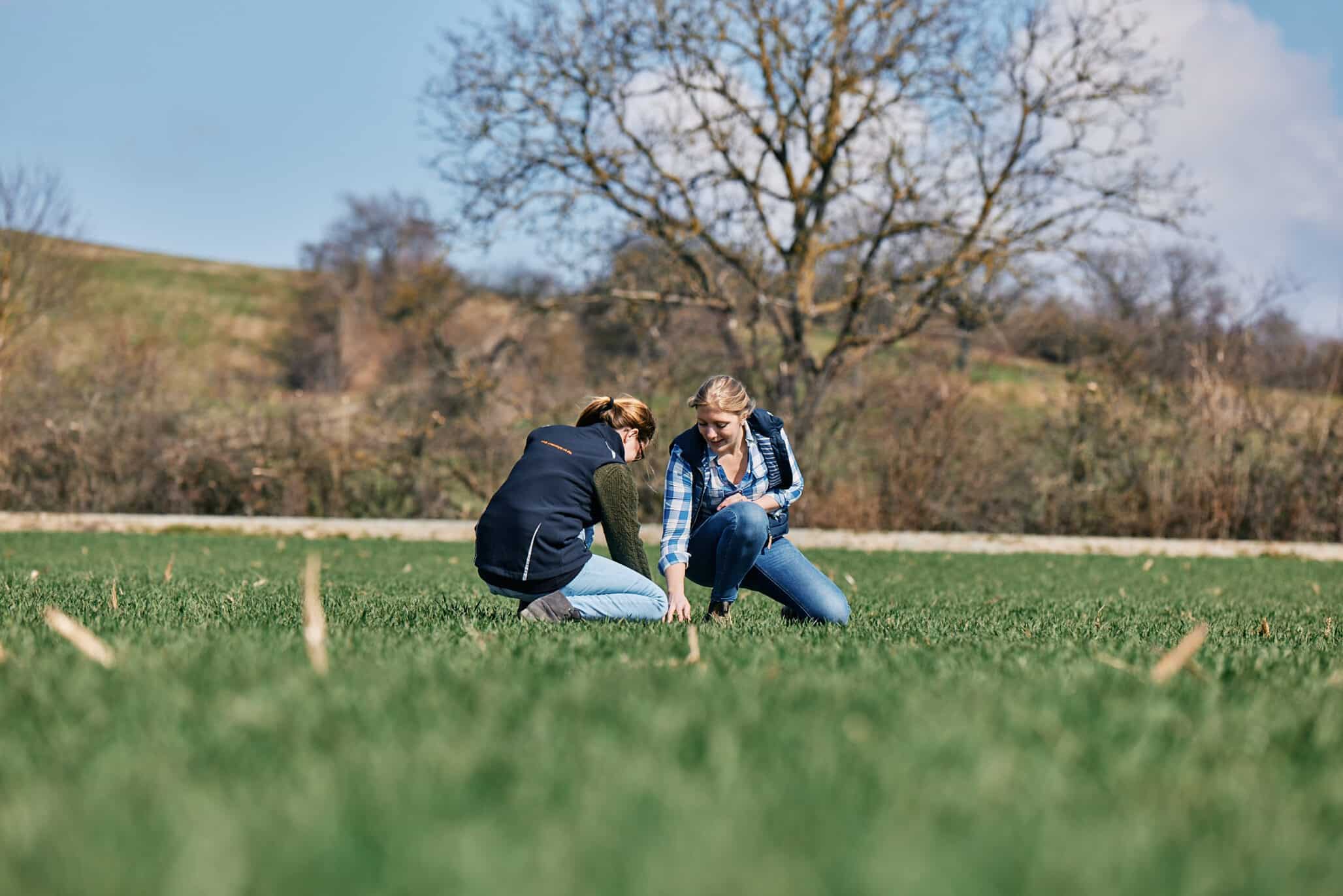
The first year, the rye stand didn’t look right.
Not a complete failure. Just uneven. Thin in places. Slower to establish than expected. There were reasonable explanations: weather conditions, planting timing, variability that comes with cover crops. Nothing pointed clearly to the seed itself.
So the plan was to try again.
Same seed. Same approach. Same expectations.
Before planting, the seed was submitted for testing. On paper, the results came back within range. Germination was acceptable. Nothing in a standard report would have stopped that plan from moving forward.
And that’s where most decisions get made.
Because most reports stop at the percentage of normal seedlings. What often isn’t reported are the abnormal seedlings, or the patterns behind what failed and why. Even less often are the fungi observed during testing described in a way that connects to field performance.
Looking deeper at this rye, there were signs that mattered. Evidence of Fusarium pressure. Indicators of stress during seed development, likely tied to weather. The kind of factors that don’t always push germination out of specification but can still show up in the field.
So instead of just sending the report, we picked up the phone.
We talked through what we were seeing. What those abnormalities suggested. What the presence of fungi could mean, not just for emergence, but for what might carry forward if that seed was saved and replanted.
Because that’s the part that often gets missed.
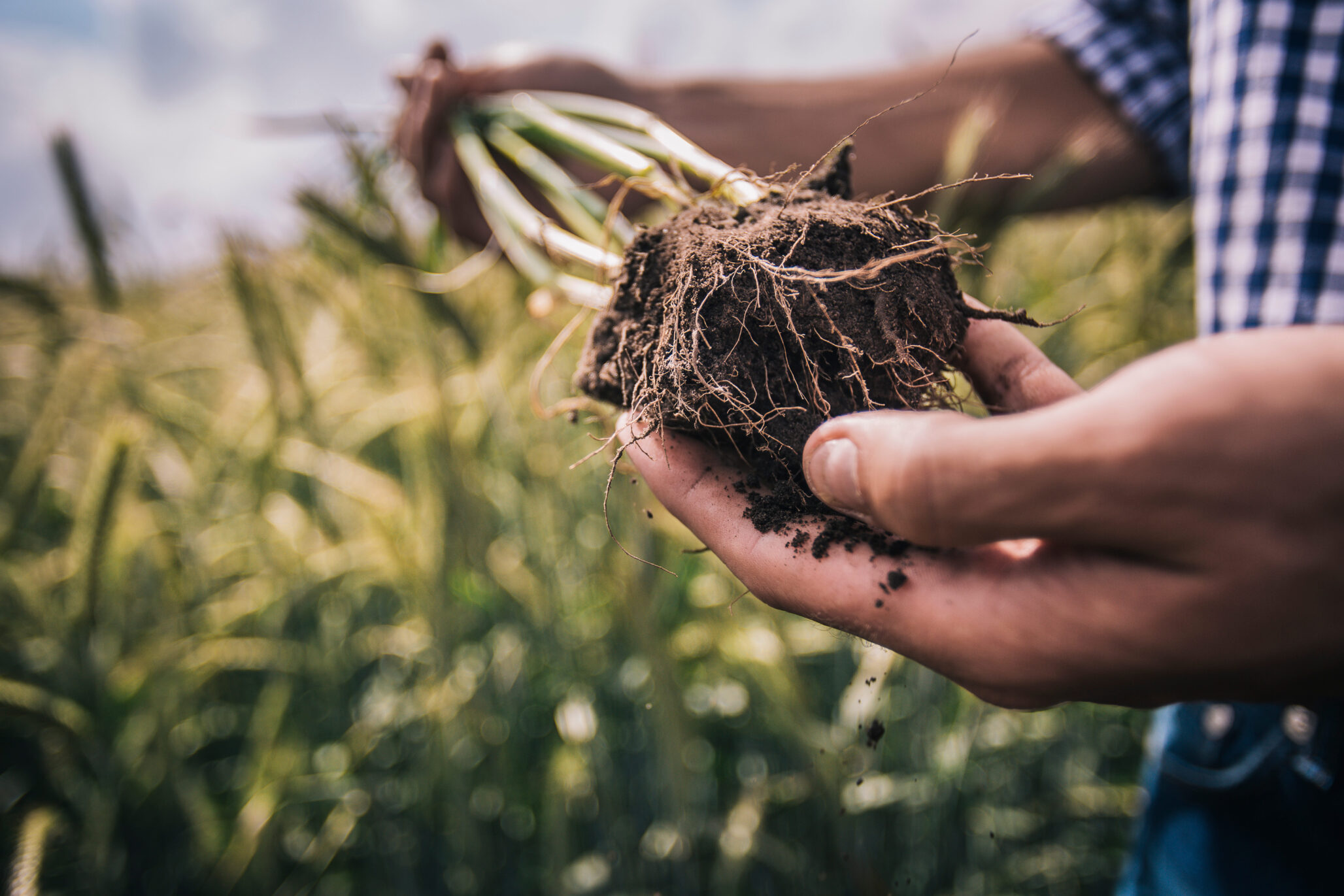
When infected seed goes back into the ground, it doesn’t just affect that season. It can carry the problem forward.
The options weren’t perfect. Increasing seeding rates might offset stand loss but could also increase disease pressure. Treatment could help, but it would add cost and wouldn’t undo everything that had already happened. Adjustments in management could reduce risk, but only if they were made intentionally.
There wasn’t a clean answer.
But there was a clear picture.
They could have moved forward the same way and hoped for a different result.
Instead, they made changes. They accounted for the risk instead of assuming it away.
The following season, the stand told a different story; more uniform, more consistent, fewer surprises.
Not because the seed was perfect.
Because the decision was better.
At the Iowa State University Seed Science Center, we see our role as more than generating results. Our reports go beyond a single germination number to include the abnormalities, patterns, and biological signals that influence real-world performance. Just as importantly, we work with our customers to interpret what those signals mean.
Because data doesn’t end at the lab.
It shows up in the field.