Why the next wave of seed innovation is rooted in independent, niche, mission-driven companies.
If you’re a small company in the United States today, chances are that you take a multi-pronged approach to maintaining your success. You’re honing what has proven to work well in terms of business operation and marketing and you’re continuing to respond to changes as the market for home gardening evolves.
Many small seed firms specialize — whether that’s in flowers or edibles, native seeds or non-GMO seeds. Siskiyou Seeds in Williams, Oregon has not only been certified organic non-GMO since its start in 2009, but there is also another dimension to its specialization: elite seeds capable of outstanding bioregional adaptation.
“I have seen so many tangible examples of plants [grown from our seeds] performing better every season that they have the opportunity to grow, in response to the climate stresses, diseases, pests and so on,” explains Don Tipping, Siskiyou Seeds founder and director of operations. “This is natural selection in action, and we seed growers are helping this process along. Clearly articulating this to our clients is intrinsic to developing our unique niche.”
Another specialized firm is Baker Creek Heirloom Seeds in Mansfield, Missouri. As the company name indicates, they offer only non-GMO heirloom seeds, with a few other important additional products like modern varieties of garlic.
“People love heirloom and there’s a great deal of appreciation among our customers that we have varieties adapted to every type of climate,” Baker Creek general manager John Brazaitis says. “We’d actually like more heirloom seed companies to start up. It’s a great community. There is no end to heirloom.”
In the same vein, True Leaf Market in Salt Lake City, Utah exclusively offers non-GMO seeds, including heirloom and organic, as well as non-GMO hybrid seeds. The True Leaf team in California oversees the growing and conditioning of its own seeds there, which make up a large percentage of the seeds the company sells.
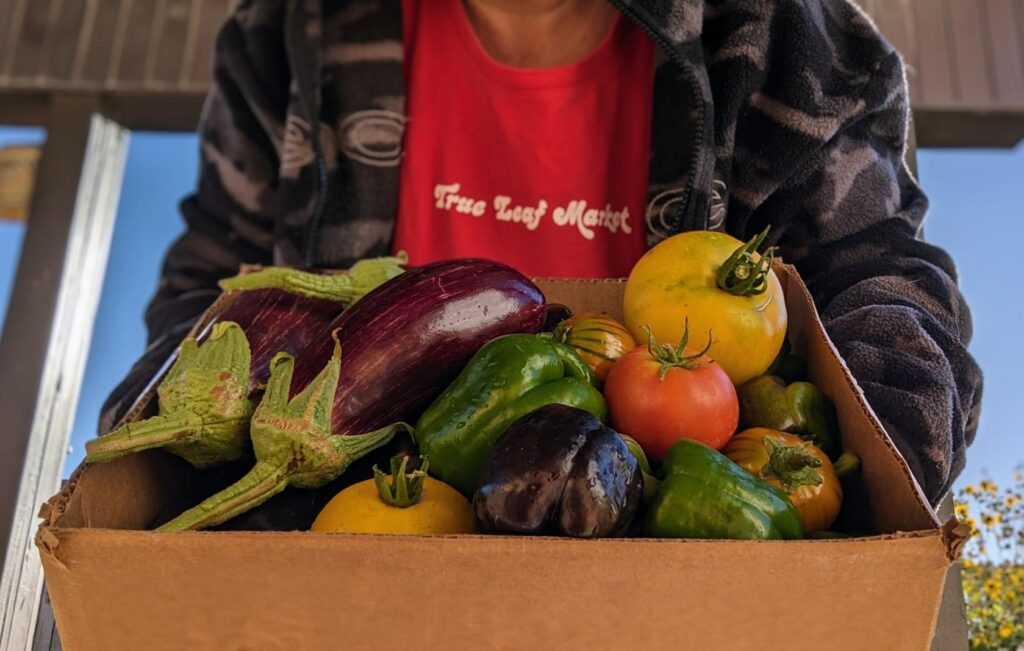
In terms of product range, one of the founders, Parker Garlitz, says “we try to offer a broad spectrum of what we’d probably call specialty seeds like sprouts, microgreens, cover crops, grains, tobacco, cotton and others that are hard-to-find. We also have a huge selection of Asian varieties. We have recently added a selection of bulbs, edibles and flowers.”
Indeed, offering microgreen seeds and seed for sprouting (e.g. wheatgrass) has enabled True Leaf Market to have some year-round sales — and they also aim for year-round sales through another important approach.
How Does Removing Barriers Win New Gardeners?
Like many specialty farms and seed companies, True Leaf Market has a large store. Garlitz explains that using a wide range of products (gardening supplies, planters, pet items, food products, kitchen tools and more), they seek to be a one-stop shop for gardeners and cooks all year round.
And in this store, special attention is paid to customers who are new to the gardening world. “We offer a great selection of starter kits,” Garlitz says. “For example, if you want to grow and juice wheatgrass, we offer a complete starter kit with options for juicers. We want our customers to have a great experience ‘out of the box’ without having to find all the seeds, components and how-to information from separate sources.”
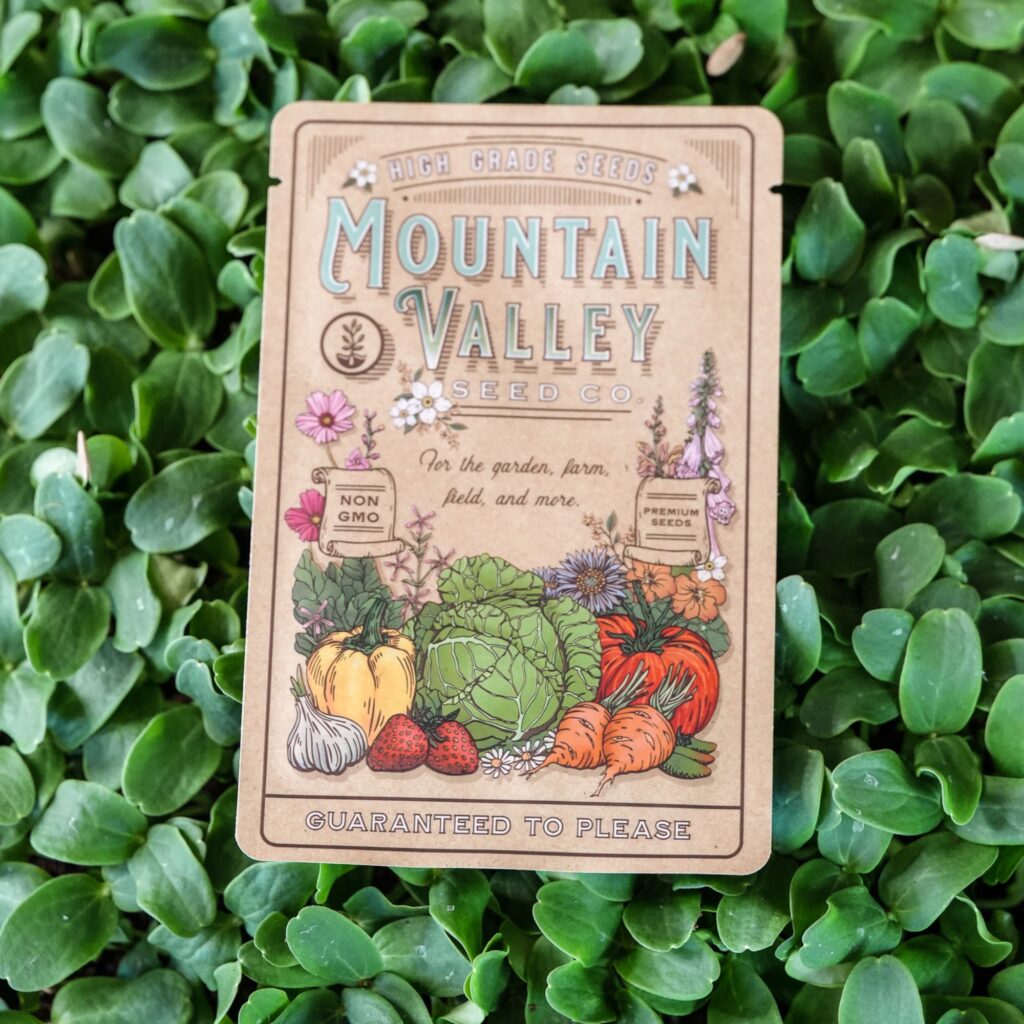
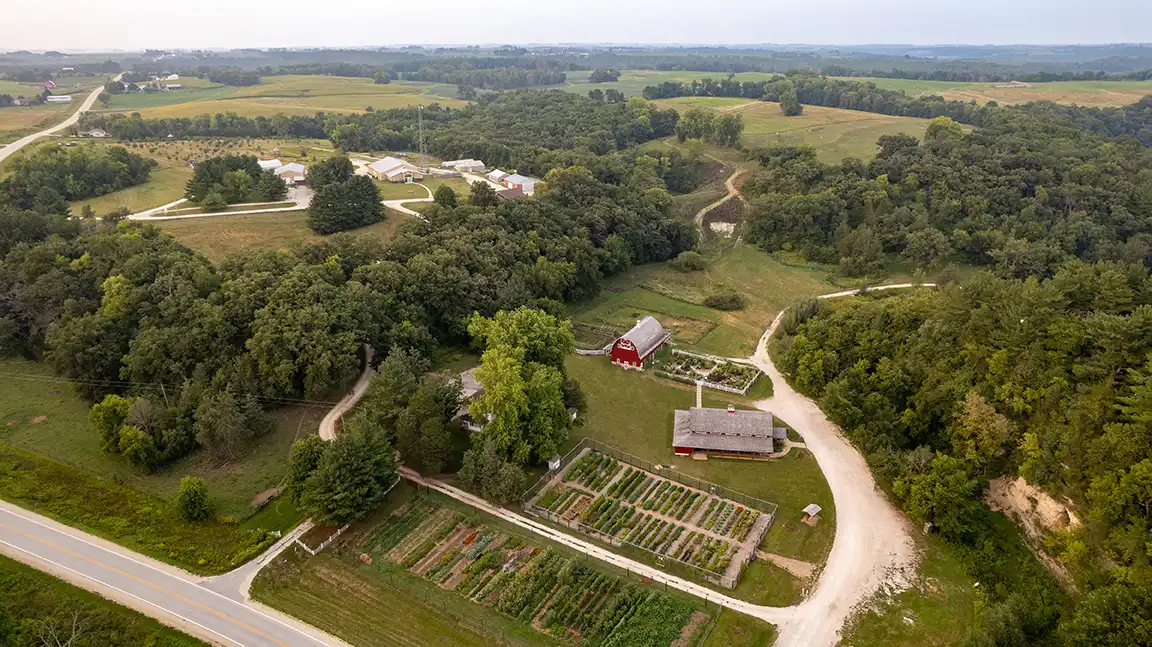
Support for those first-time gardeners is also an important component of business success for Baker Creek. “When you start out, it can be really hard, so we have a big team of horticulturalists on staff to provide advice,” says Brazaitis. “Anything we can do to help people garden, we will do.” Both novice and experienced gardeners can also tour the Baker Creek site on weekdays, through a pre-arranged tour or self-guided. The team also offers workshops on request, other educational and fun events, and works with local schools, church groups and master gardener associations.
As well, as part of its business mission and an element in its continued success, Baker Creek has established a global reach. The Baker Creek team runs fundraiser programs with many charity organizations in economically disadvantaged places, not just in the United States., but around the world. The firm also donates seeds after natural disasters. Lastly, with a youth farming organization called Mesa, young people come to Baker Creek for a year to learn as much as possible. When they return home, they receive support to start farms, and in some cases, grow seed for Baker Creek as well.
Storytelling Still Sells Seed
Marketing avenues to both reach potential customers and secure repeat business is obviously central to any smaller seed company’s success. At Baker Creek, the print catalogue is the shining star.
“We produce the catalogue ourselves with new descriptions and pictures every year,” says Brazaitis. “There are about 30 people working on it throughout the year. It has to be flashy and beautiful. It’s critically important to show people vegetables and flowers they never knew existed, or colors that really excite them. It really attracts the first-time gardeners.” To great those fantastic catalogue shots, some years ago Baker Creek installed its own professional photo studio.
However, e-commerce is obviously not ignored by seed companies that continue to thrive. True Leaf Market has invested in its website, creating detailed seed shopping guides to help gardeners pick exactly the right seed from their vast collection.
“For example, we offer almost 400 varieties of tomato,” Garlitz says. “Our quiz helps customers narrow down their options based on their zip code (maps to their USDA growing zone), desired color, type (cherry, salad, slicing or processing), whether the tomato plant needs a growing support or not, seed type (heirloom, hybrid, organic), determinate (single harvest) or indeterminate, when they want to harvest based on days from planting, and where the plant will be growing (container, raised bed, garden plot, greenhouse, etc.).”
These seed selection quizzes have lots of embedded education, so new gardeners learn about growing the vegetable in question at the same time they narrow down their choices.
“We like to think our shopping experience for seeds and garden products is superior to the ‘everything stores’ like Amazon,” Garlitz says. “We also try to take a page out of Amazon’s playbook with top-notch customer service. Customers can reach us via phone, email, chat, etc. And we work really hard to ship orders out fast, the same day or next day. We also take a very strong educational approach with almost-daily blog posts and weekly newsletters.”
The Future Favors the Rooted and Regional
And on that note, Garlitz lists great customer service as a must for survival over the long term — along with a large selection of quality products at a competitive price.
“Of course it’s much easier said than done, but I think companies that can consistently offer that will have a bright and long future,” he says.
And he can’t stress enough how critical it is that seed firms offer an easy and effective online shopping experience — one that the big online merchants just can’t compete with.
“In the case of Amazon, they offer a zillion seed options from a very wide variety of vendors, but in many cases getting the seeds you want will require you to do a lot of research if you don’t already know exactly what you want,” Garlitz explains. “It also might require you to buy seeds from a variety of brands and vendors, some of which might be great companies, and others maybe, not so much. As a dedicated gardening site, we have everything sorted, organized, browsable. The overall shopping experience for seeds is simply easier and less frustrating.”
At Baker Creek, Brazaitis also points to an impactful online presence as critical, but also a strong local presence.
“People like to buy local,” he says. “I also think all smaller seed companies should find a niche and have a mission or vision and stick to that. You also have to really love it or you won’t survive. It’s not an easy business, with so many variables, so much data collection, so much detail.”
For Tipping, success for small seed firms has the best chance if the company is farm-based and focussed on bioregionally adapted seed production. In fact, he considers this to be the historic and continued foundation that makes small-scale agriculture possible.
“The future is terroir and not one-size-fits-all,” Tipping explains. “I think there should be a small farm-based seed company in every significant agricultural region to respond to the unique pests, diseases, culinary trends and more… For most of the long history of agriculture, everything was direct-seeded and relied on adapted genetics to be able to perform well amidst a myriad of local stresses. Ultimately, we have no choice but to get back to this approach, so in my view, the future is bright for small-scale bioregional seed companies.”