Seeds Canada comes to Quebec this week for its annual meeting — and if there’s one takeaway I hope members leave with, it’s this: Quebec’s seed industry isn’t just different. It’s dynamic, quietly powerful, and far too often overlooked.
When people outside the province picture Quebec agriculture, they tend to imagine dairy barns, sugar shacks, and maybe a few rolling fields of corn near the St. Lawrence. And yes, that pastoral image is part of the story. But it’s not the whole story. Not even close.

Because if you scratch beneath the surface — talk to a researcher, visit a breeder, walk a test plot — you’ll find one of the most innovative and resilient seed sectors in the country.
And that’s the problem. Quebec’s seed industry is one of Canada’s best-kept secrets.
Let me show you what I mean.
A Legacy of Quiet Innovation
Quebec is home to some of the oldest and most productive public breeding programs in the country. Take CEROM, the Centre de recherche sur les grains. It’s been developing high-performing cereal and soybean varieties tailored to Quebec’s unique growing conditions for decades — but you won’t find splashy national media coverage about it.
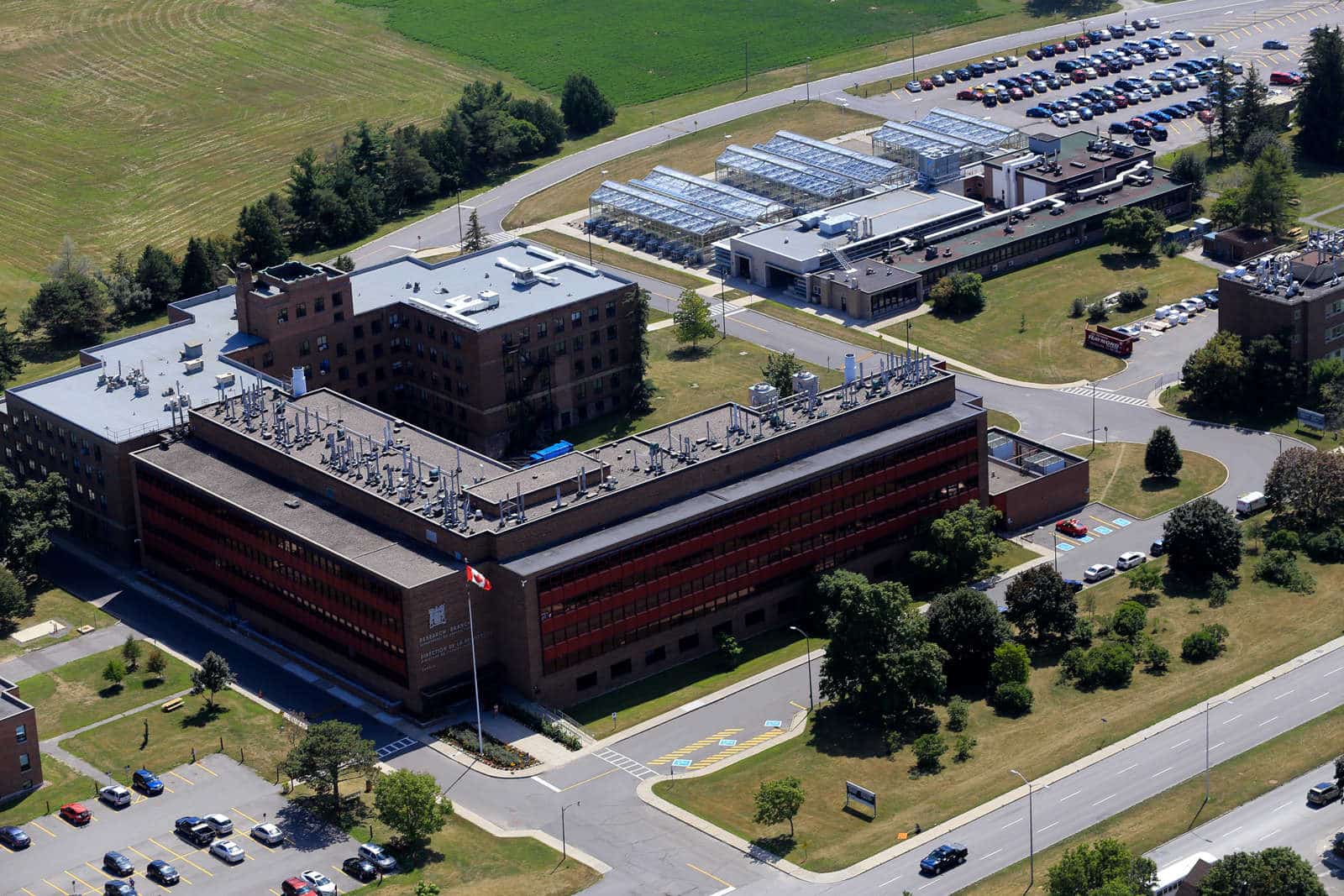
Over at Agriculture and Agri-Food Canada’s Saint-Hyacinthe research centre, breeders are working on everything from food-grade soybeans to short-season grains, all while supporting the province’s $11-billion agri-food export machine. It’s the only AAFC centre focused entirely on food processing. That matters — because in Quebec, breeding isn’t just about yield. It’s about markets: tofu-grade soy for Asia, grain adapted to short seasons and acidic soils, forages that thrive in colder microclimates. It’s precision, with purpose.
Organic Before Organic Was Cool
Quebec has always marched to the beat of its own drum — and that’s especially true in the organic seed space. The province leads the country in certified organic acreage, and that includes seed production.
Quebec is also home to Semences du patrimoine, a French-language seed-saving network that supports hundreds of organic vegetable and heritage grain producers. These aren’t just passion projects — they’re vital pieces of a larger ecosystem. In fact, many Quebec-grown organic, open-pollinated seeds are exported to the U.S., where they’re prized for their hardiness and resistance to disease.
While the rest of the world debates the economics of organic farming, Quebec is simply doing the work — and doing it well.
Two Languages, One Strategic Advantage
One of Quebec’s greatest strengths is something most people outside the province see as a challenge: language. But far from being a barrier, bilingualism has made Quebec’s seed sector incredibly nimble. Researchers, regulators, and entrepreneurs here are used to working across linguistic lines — and that gives them a built-in advantage when it comes to exporting, negotiating international standards, or collaborating with global partners.
Whether it’s selling foundation seed to Francophone Africa or navigating EU regulatory requirements, Quebec knows how to play on a global stage.
Big Ideas, Small Companies
Quebec is also home to some of the most quietly innovative small and mid-sized seed companies in the country. Heard of Les Grains Semtech? Maybe not. But they’re the ones developing cold-tolerant corn hybrids for northern climates — varieties that are now gaining traction in the Maritimes and New England.
Then there’s Semences Prograin, a standout in Saint-Césaire. They’ve carved out a major role in the identity-preserved soybean market and are now one of Canada’s largest private soybean breeders. Their varieties are trusted by buyers in Japan — no small feat in a market where precision and purity are everything.
These companies might not make national headlines, but they’re making global moves.
So Why Don’t We Talk About Quebec More?
Part of it is cultural. Quebec’s seed industry tends to operate within its own ecosystem — its own networks, associations, media. But part of it is on us. In English-speaking Canada, we simply haven’t done a good enough job telling Quebec’s agricultural innovation story. And that’s a shame.
Because in a time when the seed industry is grappling with consolidation, shifting regulations, and climate uncertainty, Quebec is modeling something different — something local, adaptive, and deeply rooted in both science and place.
It’s time we paid attention — not just to what Quebec grows, but how it grows.
Because some of the most exciting ideas in Canadian seed aren’t being dreamed up in a downtown boardroom. They’re already in the ground, growing quietly in a test plot outside Saint-Hyacinthe.