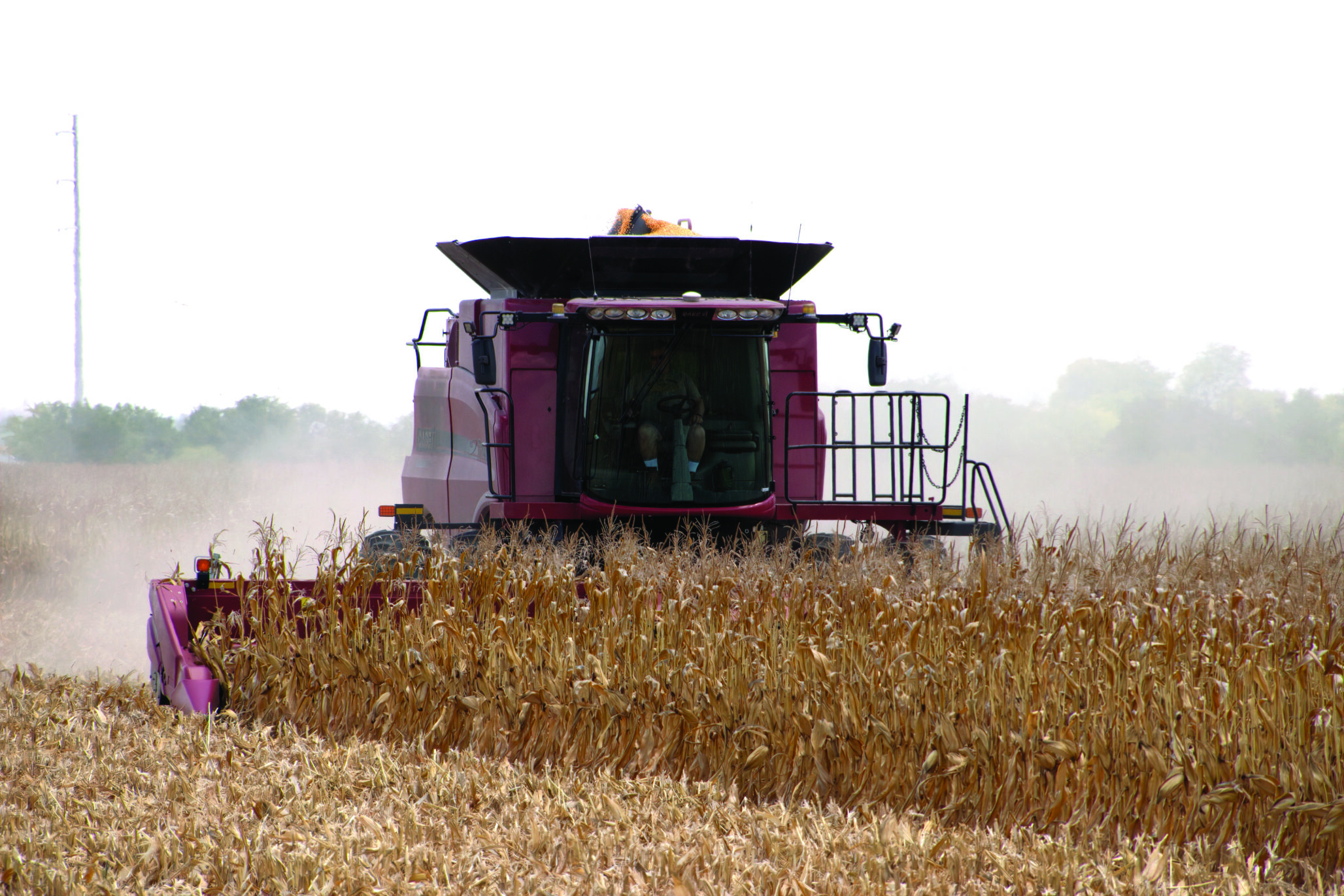
From Texas to Mississippi, corn is finding new ground, new genetics and new limits as southern growers push yields higher under tougher conditions.
When most people picture corn country, in their minds’ eye they tend to see endless acres of lush plants under the big blue skies of Iowa and Illinois, the Corn Belt as it’s long been known around the world. But fewer can picture what we could call the Southern Corn Belt.
For starters, it’s not concentrated in one region, but scattered across states like Texas, Arkansas, Mississippi, Colorado, New Mexico and California. It’s also obviously not as large as the main Corn Belt, but it’s tenacious and built on years of success and it may grow substantially in the future on both irrigated and dryland fields. According to the Texas Corn Growers, more than two million acres of corn are grown each year in the state.
Not Your Grandfather’s Corn Country
“In the Corn Belt, the hybrids are racehorses, and here, the hybrids are workhorses and racehorses at the same time,” says Bart Hajovsky, owner of BH Genetics in Ganado, TX, which is a regional company that sells traited and non-traited corn nationwide and also offers non-GMO corn. “They can perform really well in the heat, drought and against disease. This year, Iowa is facing big disease pressures [from northern corn leaf blight, gray leaf spot, southern rust and tar spot] but we face diseases every year. The hybrids we grow here are strong.”
The average yield in Texas is now somewhere between 120 and 140 bushels per acre in dryland cultivation, and it’s much higher than that in Mississippi.
“We used to lag behind the U.S. average but the last ten years, we’ve exceeded it,” Mississippi State University extension/research professor Erick Larson says. “Over the course of my career, we’ve seen the state average yield go from 100 bushels per acre in 2000 to now approaching 190 bushels per acre. And on a lot of irrigated and dryland fields with good rainfall, growers commonly reach yields that are over 200. We’ve had several growers reaching 300 bushels per acre in growing contests. In the Corn Belt, it’s about 175–180.”
Planting Early or Planting Something Else
Part of achieving high yields in southern corn is using practices that work.

“The growers are doing a lot better job these days managing the crop,” Larson says. “In the south, we may intend to plant X acreage but we may only be able to actually plant half of that due to wet spring conditions. If they can’t plant by early April, growers generally swap in soybeans or cotton.”
To have their best chance at early planting, growers use a “stale” seed bed system where almost all primary tillage is done in the fall. A herbicide burndown in the spring and the use of raised bed furrow systems rather than unprepared flat ground help alleviate soil saturation and allow irrigation.
Rotation as a Competitive Advantage
Disease pressures are met in the south by using a standard rotation of corn with cotton and soybean, which are non-host crops for corn diseases. These three crops all do well and have been grown for decades in the south.
In contrast, some farmers in the Corn Belt grow corn every year for 20 or 30 years in the same fields. As Larson notes, rotation not only increases yield by reducing disease pressure but also helps manage weed pressures that naturally accumulate in monoculture systems.
Hajovsky reports that some growers in the Rio Grande Valley in Texas and other areas in Texas and Georgia double-crop corn, which works very well unless there’s a Halloween frost.
A hybrid of about 117 days maturity is typically chosen for the first planting, followed by a 102- to 114-day hybrid for the second crop, harvested in December.
“Some growers also double crop soybean in the East Texas market,” he says. “If prices were higher, there would be more of it.”
Hybrid Choice Has Never Been Deeper
In the big picture, Hajovsky says choice for southern corn growers has never been better, with multiple herbicide trait options now one of the biggest selection drivers.
“There are phenomenal hybrids now and unbelievable amounts of hybrids being released each year,” he says. “But there are also what you could call ‘legacy hybrids’ that have been around for six to ten years, and they’re still grown because they do really well in a certain area. People are loyal to them.”

Nick Chammoun, agronomist with CNI Ag based in Leesburg Georgia, agrees.
“If you can find a hybrid that fits across multiple geographies that’s great,” he says, “but sometimes hybrids are more regionalized.”
Heat After Dark
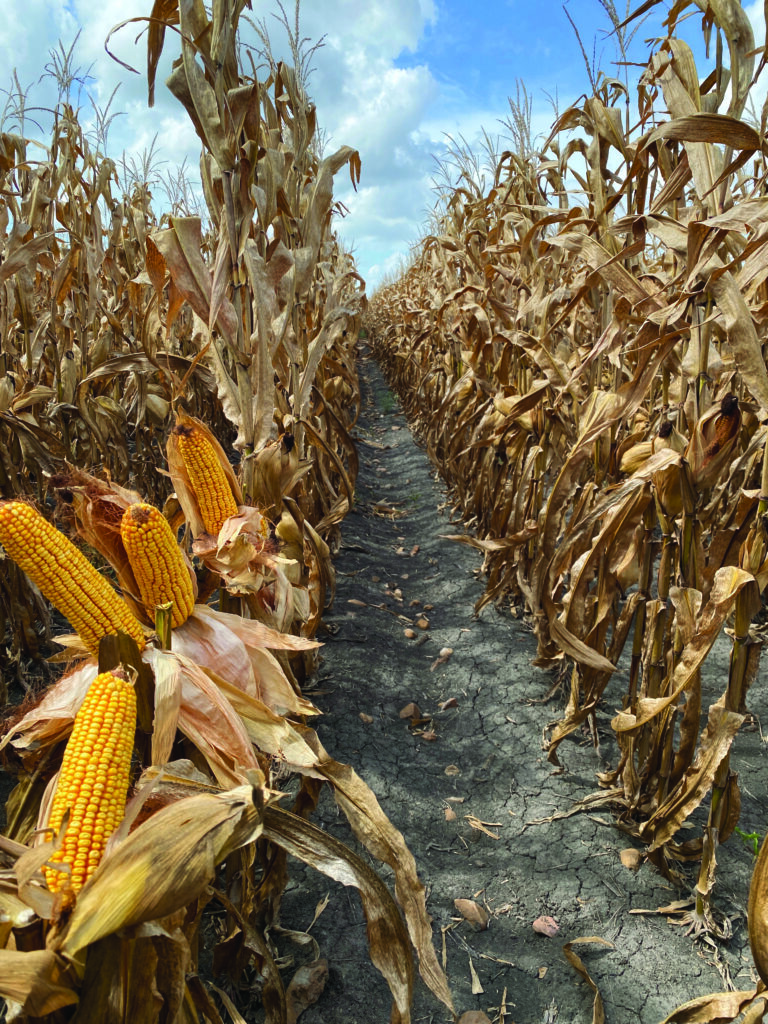
Due to the long growing season in southern states, farmers generally choose hybrids in the 114- to 120-day maturity range with high stalk strength to withstand strong winds prior to harvest.
Larson notes that hybrids with better tolerance to nighttime heat tend to achieve higher yields in the south.
“Our nighttime temperatures can be very high, and that limits yield potential because plant energy is used up in a higher respiration rate,” he says. “It’s 70 to 75°F at night here in Mississippi during grain fill.”
Chammoun adds that heat and disease tolerance are the two biggest drivers of hybrid performance in Georgia.
“We typically have very hot and humid days during pollination,” he says. “A hybrid that can take that stress tends to do better. Grain fill is always hot, so better heat tolerance helps keep test weights up and the plant healthier.”
Larson says corn acreage could grow in the southern U.S. if irrigation expands, but groundwater availability remains a limiting factor.
In parts of the mid-south, groundwater is available at reasonable depths. In other areas, supplies are more constrained, limiting how much irrigated corn can realistically be added.
Corn vs. Sorghum
Corn acreage is also closely tied to grain sorghum in the south. Larson notes that corn has gained some ground in traditionally sorghum-heavy regions, but sorghum remains more stable under drought.
“Corn doesn’t have the drought stress tolerance and stability of grain sorghum,” he says. “In a good rainfall year you get a good yield, but in a dry year corn may only reach about half its potential. And the input costs are the same, so margins get thin.”
Hajovsky agrees, noting that drought in the Texas Panhandle has driven more sorghum acres for many years.
The Bigger Constraint Isn’t Weather
Hajovsky believes future corn acreage in the south will be shaped less by weather and more by economics.
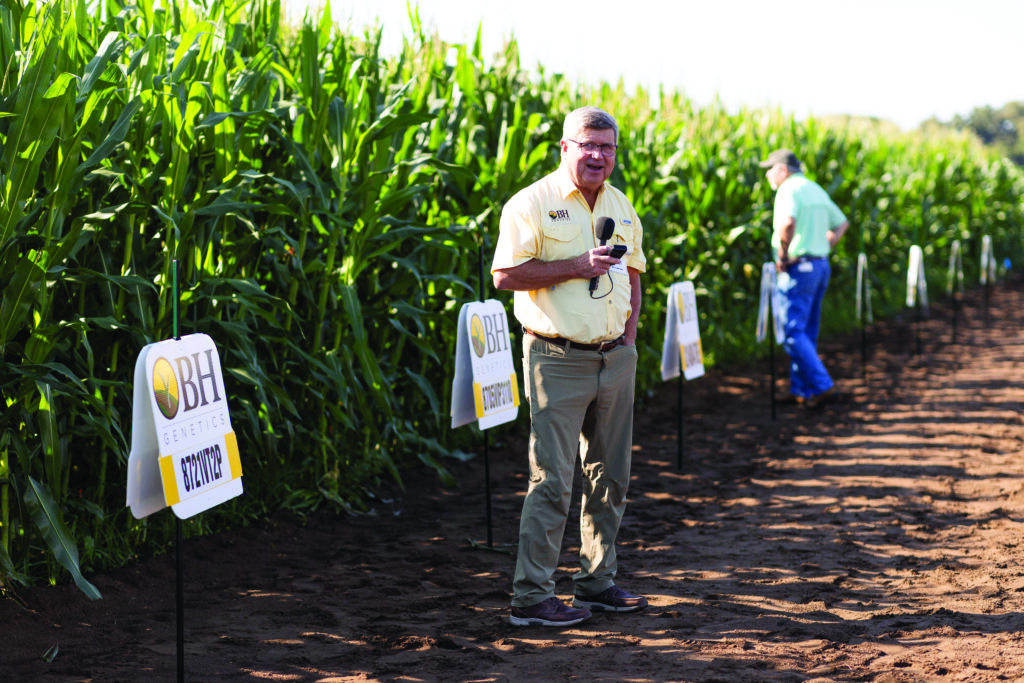
“It doesn’t matter where you go, from farmers to big ag companies, it’s a very bad economic situation,” he says. “Inflation is high on input costs. Interest rates are high. Fertilizer prices are likely to stay high. Cotton prices will matter too.”
Chammoun notes that declining cotton profits have already driven increased corn acreage in parts of the deep south, with growers investing in infrastructure to support the shift. Hajovsky also points to beef prices as a factor, influencing feed demand and overall corn use.
While weather, markets and inputs continue to shift, one thing appears steady. Southern fields will likely remain home to cotton, peanuts, soybeans and corn.
And as genetics and management continue to evolve, corn’s role in southern cropping systems looks less like an experiment and more like a permanent fixture.