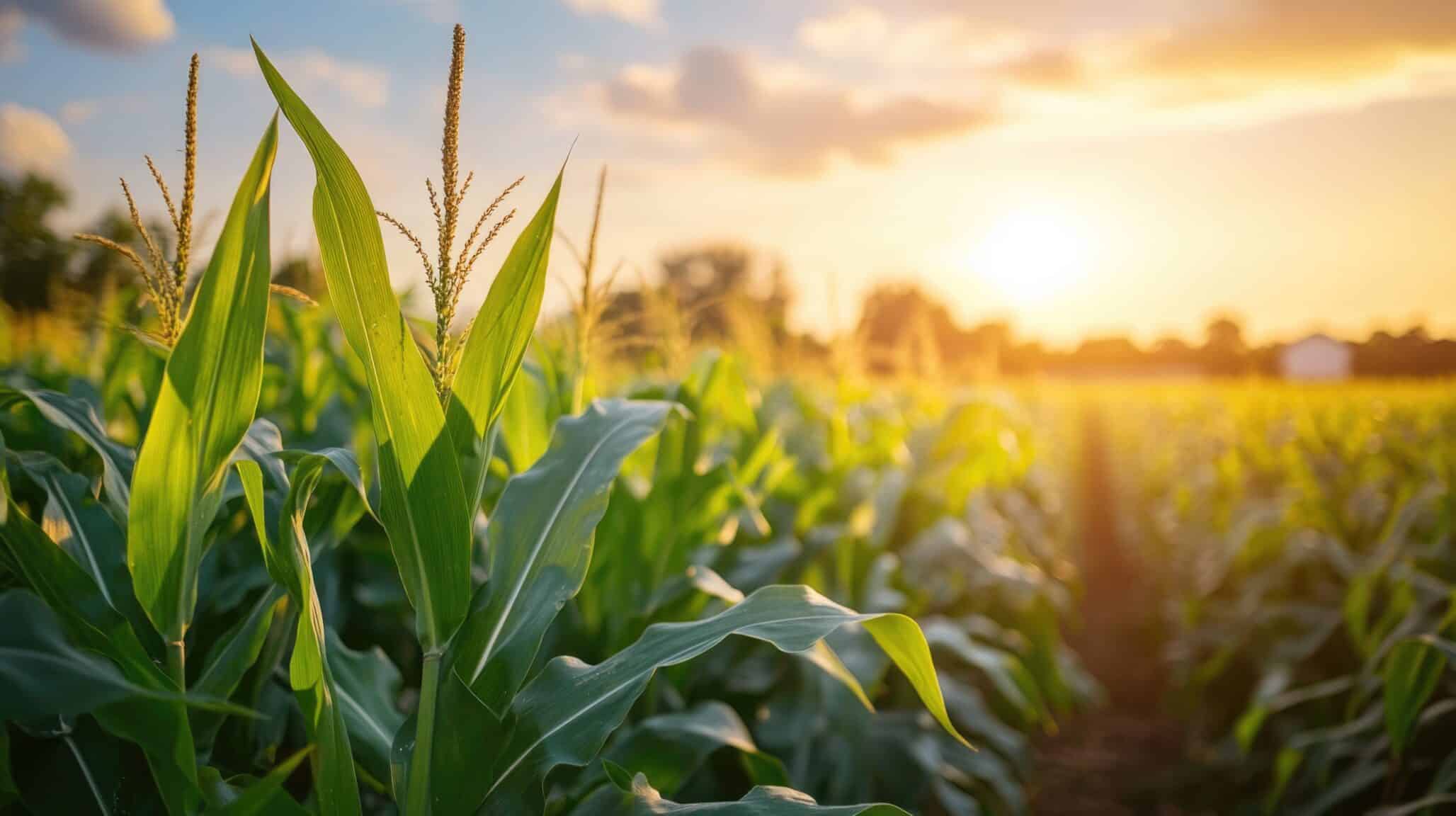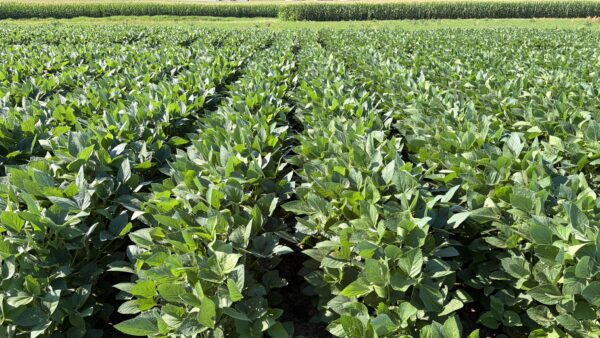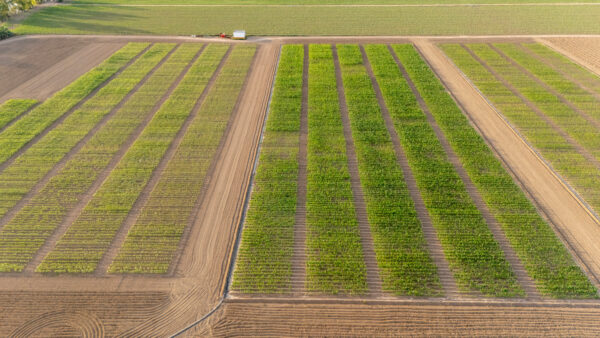
A buddy of mine told me something last fall that’s been rattling around in my head ever since. He had two corn fields that looked completely different all season: one was clean, uniform, strong from the jump. The other had uneven emergence, poor root development, and was fighting stress every step of the way. Come harvest, the yield monitor showed nearly identical numbers.
Now, at first glance, that might seem like a win. But the more we talked, the clearer it became: the second field took more time, more sprays, more second-guessing. The first? It just worked. Less worry, less input, less babysitting.
That’s when it hit me: yield is a lagging indicator. It tells you how things ended, but not how you got there … or what it cost you along the way.
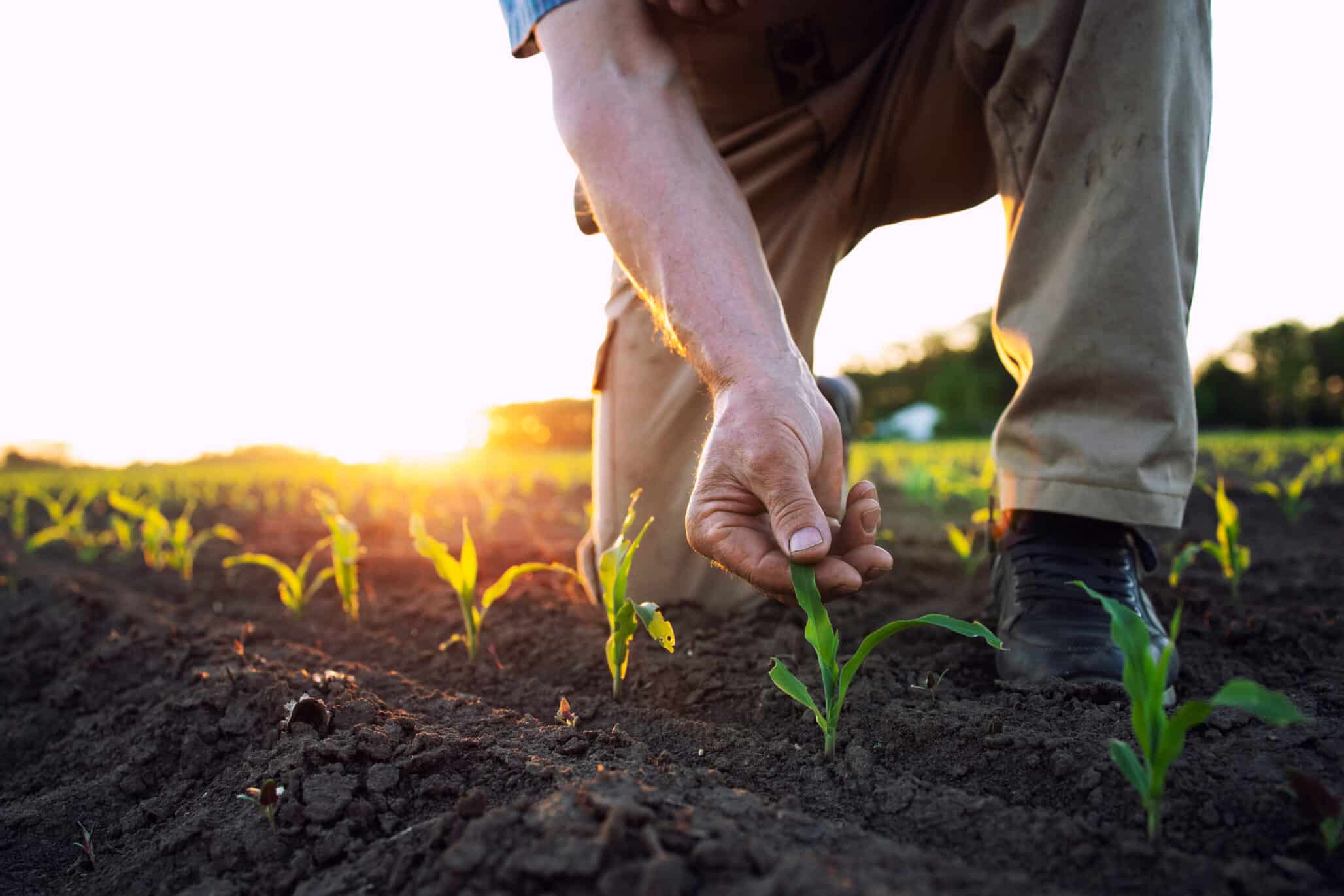
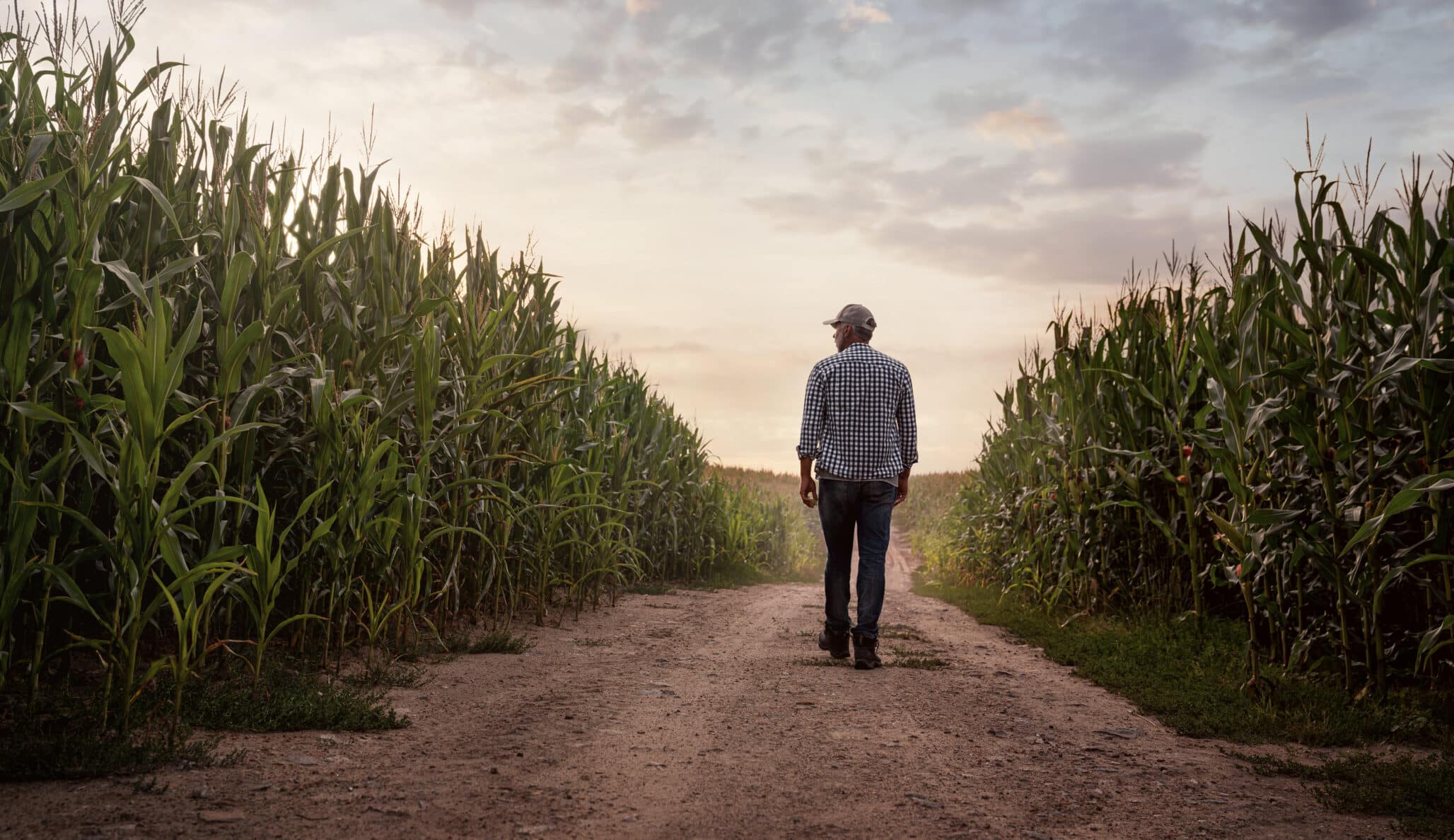
That’s why I take mid-season scouting seriously. Walking fields in July isn’t just about checking pollination or seeing if the irrigation’s holding up. It’s about reading the story the plants are telling me. If a stand is uniform, healthy, and stress-free, that didn’t happen by accident. It probably started with strong seed, a well-timed planting, and — extremely importantly — the right seed treatment doing its job behind the scenes.
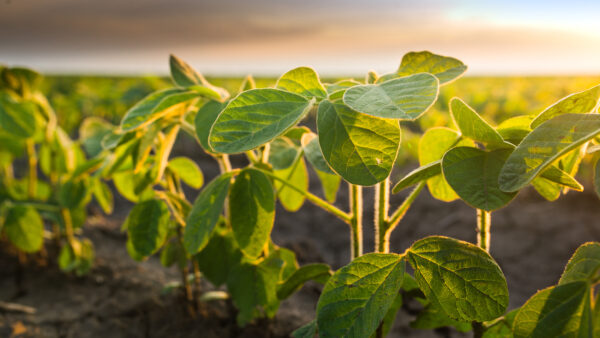
Seed treatments don’t show up in the same flashy way as a pass with a sprayer, but when you’ve got root systems that dive deep and leaves that stay green longer, there’s a good chance that early protection helped set the stage. I can see it when I pull roots. I can feel it when I walk rows that stand tall and don’t go down in a storm.
On the flip side, when I come across fields that are showing early signs of disease or stress, or where emergence was spotty, it’s almost always tied to how those seeds were protected (or not protected) back in the spring. And sure, sometimes you can still drag that field to a respectable finish, but you usually spend more time and money doing it. That eats into your margins fast.
So here’s my take: mid-season is the truth window. It’s when you find out whether your early bets paid off, and it’s when you gather intel for next year. Yield might be the final number on the scoreboard, but right now is where smart farmers get ahead.
Don’t just ride it out and hope. Walk, dig, ask the tough questions. Because if two fields can yield the same but one costs you more all season, the decision for next spring is already clear. Want to learn more about seed treatments that will pay dividends all season long? Check them out here.