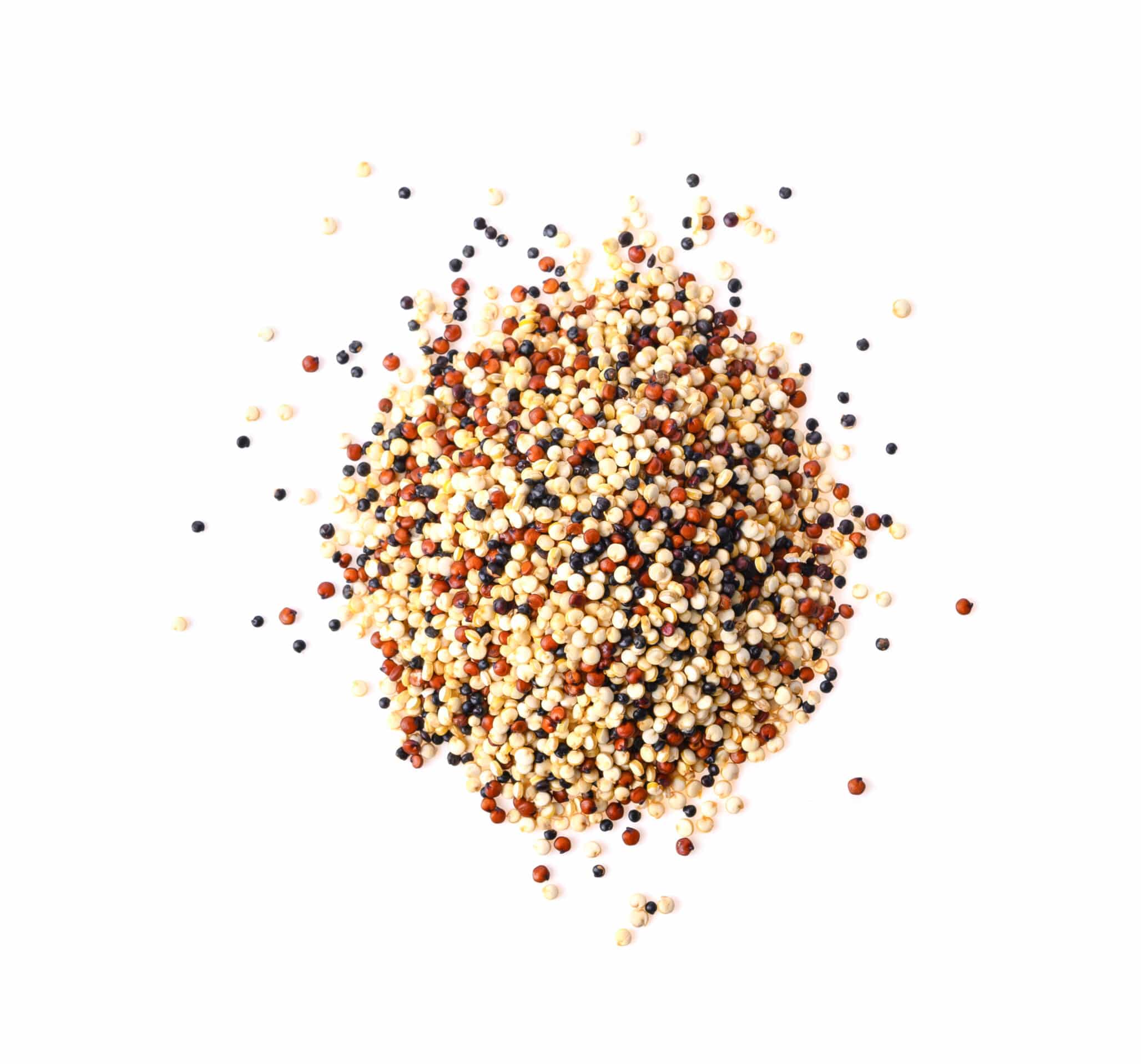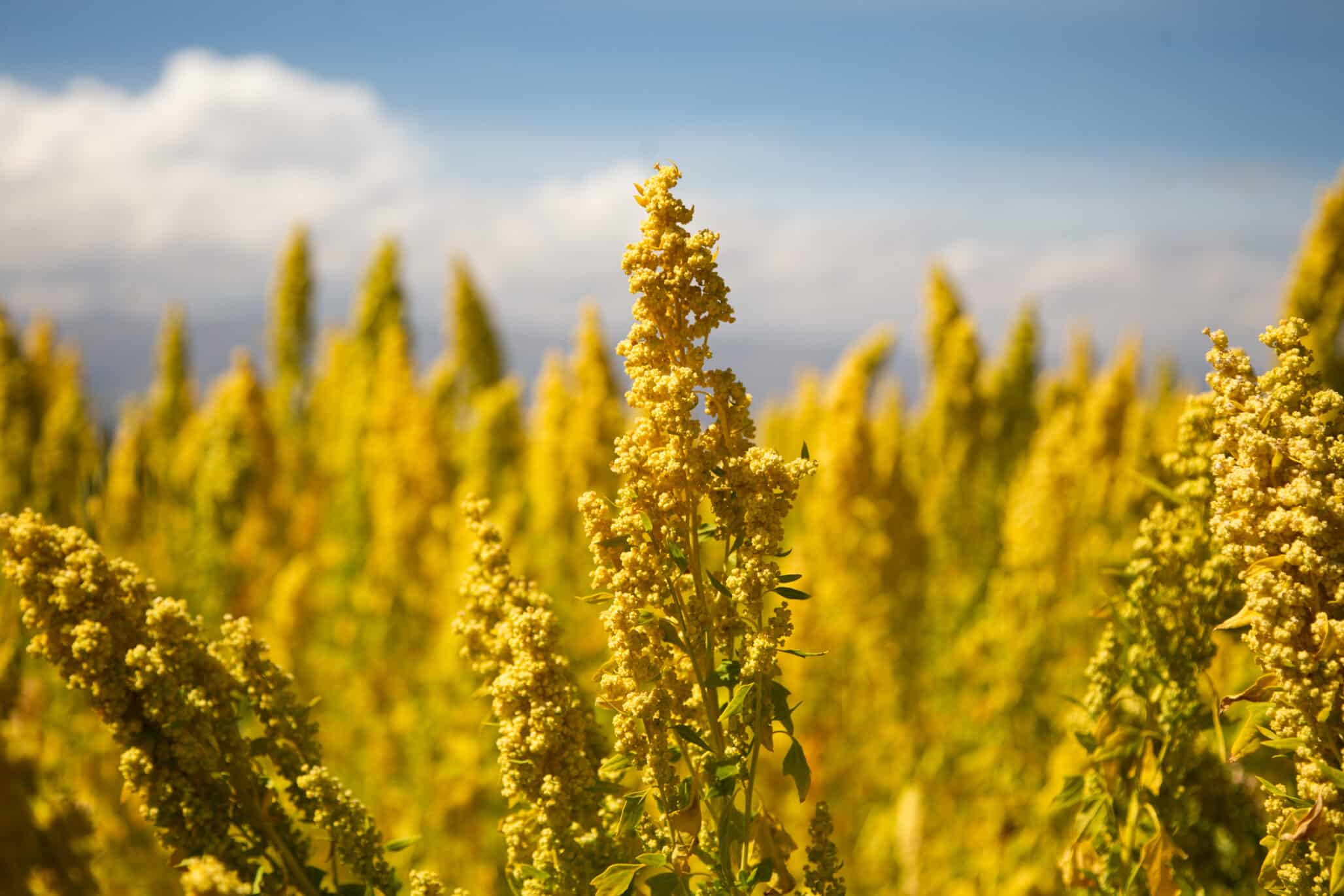
Quinoa is considered a highly nutritious grain, rich in protein, fiber, carbohydrates, vitamins, and minerals. To support its production, processing, and consumption, INTA San Juan operates the only quinoa value-added facility in the region dedicated to producing quinoa that meets international food-grade standards.
A key part of this process is de-saponification — the removal of saponins from the grain through dry scarification. This step is essential to make quinoa suitable for human consumption and remains one of the main challenges for its industrial use in food production.
At this point, Gonzalo Roqueiro, research coordinator of INTA San Juan, said that “from the beginning one of the fundamental objectives of working on this project was to be able to supply unsatisfied quinoa and quinoa flour to the industrial sector, which is a need still unmet in the country.”
For her part, Vanina Cornejo, a researcher at INTA San Juan, pointed out that “50% of the quinoa consumed in the country is imported from Peru and Bolivia. With the plant we will be able to cover a fairly significant strip of what this import is, with the benefits for the region that this means.”
For over a decade, INTA has collaborated with producers in the Andean Valleys of San Juan and Mendoza to reintroduce quinoa cultivation in the region. Through genetic improvement efforts, stable seed varieties adapted to local conditions were developed, including the short-cycle “Morrillos INTA,” named after a town in Calingasta, according to a press release.
A Versatile Crop with Multiple Benefits
The quinoa processing facility aims to support grain industrialization and the production of locally value-added by-products, encouraging expansion of quinoa cultivation in the Cuyo region. Additionally, the saponins extracted from the grains are recovered as a powdered bioinput, which can be sold to other agri-food and pharmaceutical industries.
Located in the agro-industrial sector of INTA San Juan, the facility is divided into three operational areas. The first houses the de-saponification (scarification) equipment, which physically removes saponins from the seeds at a rate of 500 kg per hour, collecting the saponins as powder.
The cleaned, saponin-free seeds then move to the second area, where an oscillating hammer mill processes them into quinoa flour suitable for products like baked goods. The final area handles semi-automatic packaging, accommodating sizes ranging from 20-kilo bags to 1,000-kilo bulk bags.
An integrated pneumatic system transports seeds by air throughout the process—from receipt to packaging — while simultaneously extracting and collecting the saponin powder outside the facility for storage. This saponin powder serves as raw material for various industrial applications.
The facility’s key contributions include providing services to local producers, producing quinoa that meets international de-saponification standards, supporting the regional market, and meeting industrial demand.