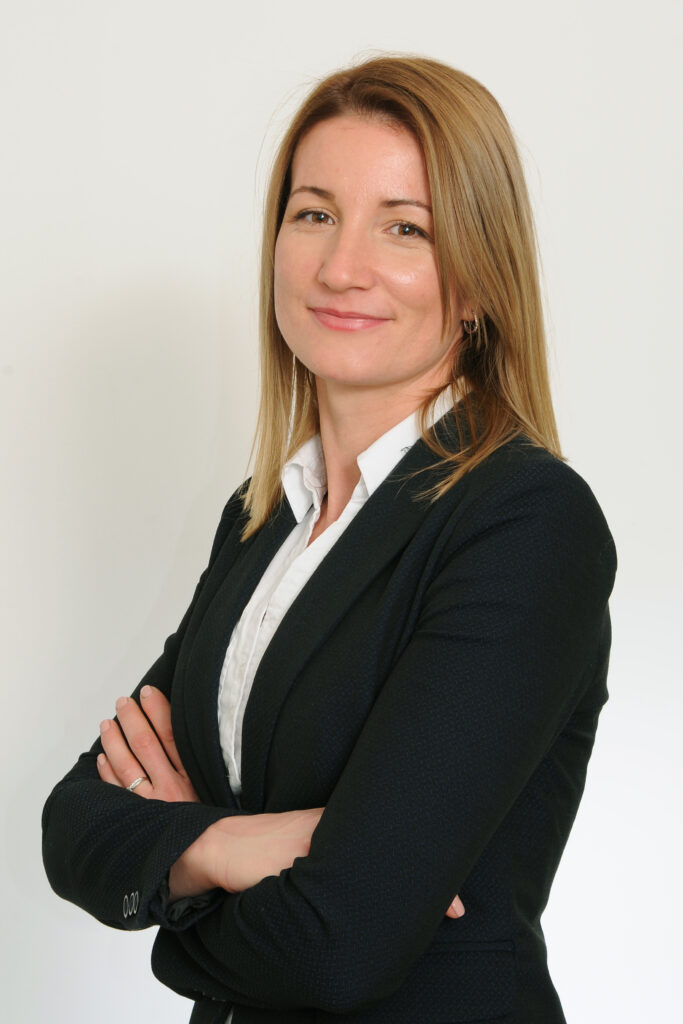
Seed World Europe sat down with Branislava Popov to discuss her new role at Euroseeds, the challenges of seed marketing and certification across EU Member States, and what drew her to the world of seeds and variety registration.
Seed World Europe (SWE): Branislava, in terms of regulatory expertise, how do you plan to navigate and influence EU variety registration processes, including DUS and VCU testing protocols, to benefit Euroseeds members?
Branislava Popov (BP): My approach would focus on a proactive engagement, evidence-based advocacy, and close coordination with members and authorities. It’s important to identify bottlenecks and inconsistencies in current national and EU-level procedures. This input is essential for targeting advocacy efforts where they can have the most impact, whether it’s promoting harmonised testing protocols or reducing redundancies in multicountry trials. Additionally, I would advocate for innovation in DUS and VCUs testing, including the integration of digital tools, greater acceptance of molecular techniques for distinctness testing (where appropriate) and harmonisation of data requirements across Member States and Examination Offices.
SWE: Let’s switch to market access. What strategies will you implement to support Euroseeds in addressing challenges related to seed marketing and certification standards across different EU Member States?
BP: Looking to challenges of seed marketing and certification across different EU Member States, I would focus on three key strategies: harmonisation of standards and procedural differences in national implementation of EU seed marketing directives; promotion of digital tools on several key points (e-labelling, certification systems, etc.), and stakeholder engagement supported through knowledge- sharing opportunities such as committee, section and working group meetings.
SWE: What drew you to the world of seeds and variety registration, and what makes this area of work particularly rewarding or fascinating for you?
BP: My journey into the world of seeds and variety registration began on my plant breeder role and it was shaped during my time as a DUS officer at the Examination Office Naktuinbouw in the Netherlands. Working in variety registration gave me a unique perspective on how plant breeding, regulatory frameworks, and market needs intersect. It’s a space where science meets policy and practice, and I enjoyed the challenge of aligning these dimensions. What continues to inspire me is the idea that every approved variety starts with a careful, science-based process, and that behind each seed is a story of innovation, collaboration, and potential. Being part of that process, helping to shape it and improve it, is not just technically interesting, but also deeply meaningful.
SWE: Here are some Quickfire questions. Do you prefer field visits or desk work?
BP: While I spent several years practicing plant breeding, combining lab work with essential field visits, this hands-on experience has been a real asset in my current role at Euroseeds. Although my position is primarily office-based, I truly enjoy visiting breeding companies and national associations. I have found that a combination of both field and desk work suits me best.
SWE: Hybrid or heirloom – which do you prefer (and why)?
BP: I choose hybrids. While heirlooms are valuable for their genetic diversity and cultural history, hybrids offer advantages when it comes to disease resistance, yield stability, and adaptability — all critical in today’s agricultural landscape. I truly understand and genuinely value all the knowledge, effort, and expertise invested in breeding new plant varieties. Hybrid varieties simply can ensure continuity of food and feed production, and they allow us to meet growing demands while improving resilience across the value chain.
SWE: Which is your favourite plant-related app or tool?
BP: The tool I use most in my vegetable and fruit garden is the spade. It enables me to closely observe plant root systems and soil structure, helping me adjust irrigation and feeding strategies. Beneath our feet lies a very complex ecosystem, and understanding the interaction between soil life and plants is essential for healthy growth and productivity. My second favourite tool is the refractometer, while for more detailed insights I use plant sap meters to guide nutrient management.