For as long as I’ve been advising farmers, the question has come up a lot: do we really need to treat this seed? Partnering with 20/20 Seed Labs has given me a way to dig deeper into that question — and sometimes, the answers aren’t what you’d expect.
My job isn’t to sell inputs — it’s to make farms money based on recommendations. Sometimes the easy advice is “spend more, treat more, spray more.” But the harder recommendation is often the opposite: don’t do something. Don’t use a fungicide. Don’t apply a seed treatment. Don’t spend unless there’s a clear return.
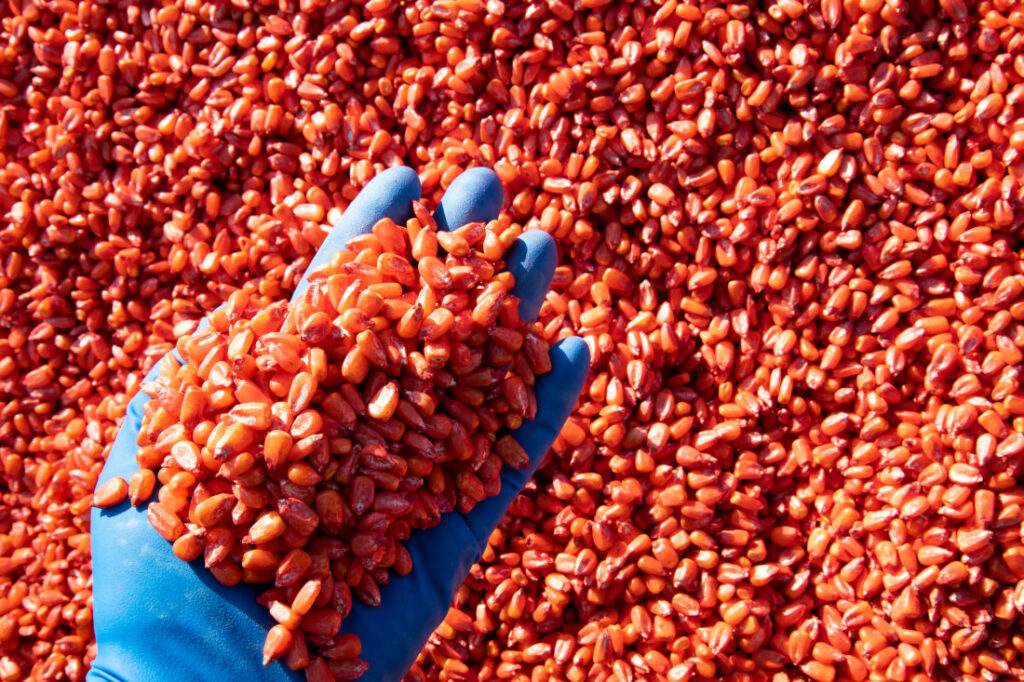
That mindset really sharpened about a decade ago, when certified seed began commanding a premium. Suddenly, we were talking about big input decisions — planting rates of two to three bushels per acre of certified wheat, seed treatments costing $5 a bushel, and farmers asking: where can I tighten up without losing performance?
That’s where our “decision tree” approach came in. When a farmer phones and asks, “Should I treat my seed?” we don’t give a blanket answer. We walk through a series of questions:
- Did you do a fungal screen? If not, use a treatment — because we don’t know what’s hiding in that seed.
- Is it certified, and how old is it? Every generation strays further from its parentage, so purity matters.
- What are your seeding conditions? Ultra-early, in one or two degrees Celsius soil? I lean toward treatment. Six to 10 degrees and quick emergence? Maybe not.
- What’s your rotation? Barley on barley is a bigger risk than alternating between cereals and broadleaf crops.
And now, with emerging soil DNA testing, we’re beginning to add another branch: what pathogens are lurking in your soil itself?
Testing the Theory With 20/20
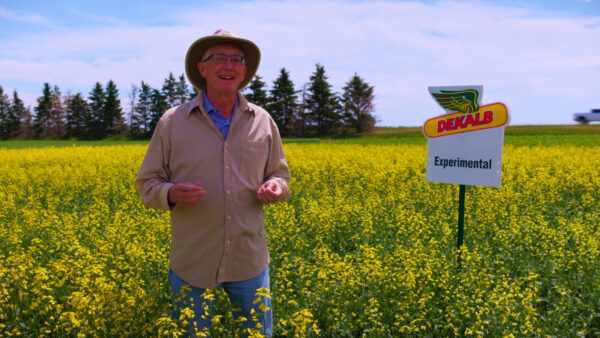
That’s why our collaboration with 20/20 Seed Labs has been so exciting. We wanted to run trials that most farmers — and even many companies — have never seen carried through a full season. 20/20 provided us with seed deliberately infected with known pathogens, along with clean seed. From there, we grew randomized, replicated plots and tested:
- Untreated seed
- Standard chemical treatments
- A range of biologicals from established companies
And then we followed the crop through the year with no fungicide applied, so we could see exactly how those treatments — or lack thereof — played out. It was as close to a controlled, real-world test as you’ll find.
What We’re Learning
I can’t share all the results yet, but I can say this: the outcomes aren’t as black-and-white as you’d think. Some biologicals show promise. Some treatments shine in one set of conditions but fall flat in another. And sometimes, skipping a treatment really does make sense.
As my business partner Andrew often reminds me, not all biology is bad biology. So why are we trying to suppress it all? That question alone has fueled much of our curiosity.
Already, we’re planning next steps — like studying the impact of mechanical seed damage. Do cracks and splits in seed coat translate into delayed emergence or yield drag? That’s the kind of question farmers ask every year, and it deserves clear answers.
At the end of the day, we’ve always believed the most important day we influence a crop is the day we seed. And with partners like 20/20 Seed Labs, we’re putting real-world data behind the decisions that matter most.