Food remains a highly topical issue, from any point of view.
In poor developing countries, the Zero Hunger goal, set by the FAO for 2030, is still far from being achieved. Despite some undeniable progress, hunger and malnutrition rates remain at pre-Covid levels.
But a new scenario is unfolding: in industrialized countries like the EU (and the U.S. as well), food security and sovereignty is no longer a given. Many European families — we’re talking about several million people — are at risk of food poverty. This means their family income doesn’t allow them to purchase good-quality food in sufficient quantities.
According to data from Eurostat, approximately 10% of the EU population currently lacks access to a consistent supply of quality food, particularly meat, fish, and vegetables. Some Eastern European countries are particularly affected by this situation.
The consequences impact not only the physical and mental health but also the social status of the interested parties. The phenomenon is complex and dependent on various factors, including revenues and economics, but also social and cultural dynamics, climate change, ongoing conflicts and their consequences.
The FAO Picture
The recent publication, The State of Food Security 2025, published by the FAO in collaboration with UNICEF and other leading institutions, presents a complex and difficult-to-interpret picture. The starting point is that approximately 700 million people worldwide suffer from hunger: a staggering figure, albeit a decrease of 22 million from two years ago.
In addition, more than two billion people experience food insecurity, and this doesn’t just concern the Third World, but also affects North America and Europe. The main cause is rising food prices.

In the EU, from 2019 to September 2025, the cost of essential food increased by 33%; in other words, European consumers pay about a third more for a meal than before the pandemic.
First, COVID-19, then the Russian invasion of Ukraine and the resulting energy crisis, and the climatic crisis have led to this situation. The conflict in the Gaza Strip has also contributed, with the logistical crisis in the Red Sea area and the increase in transportation costs. Last but not least, large-scale speculative activities.
Amid global food inflation, wages have grown much less and more slowly, both in Europe and globally.
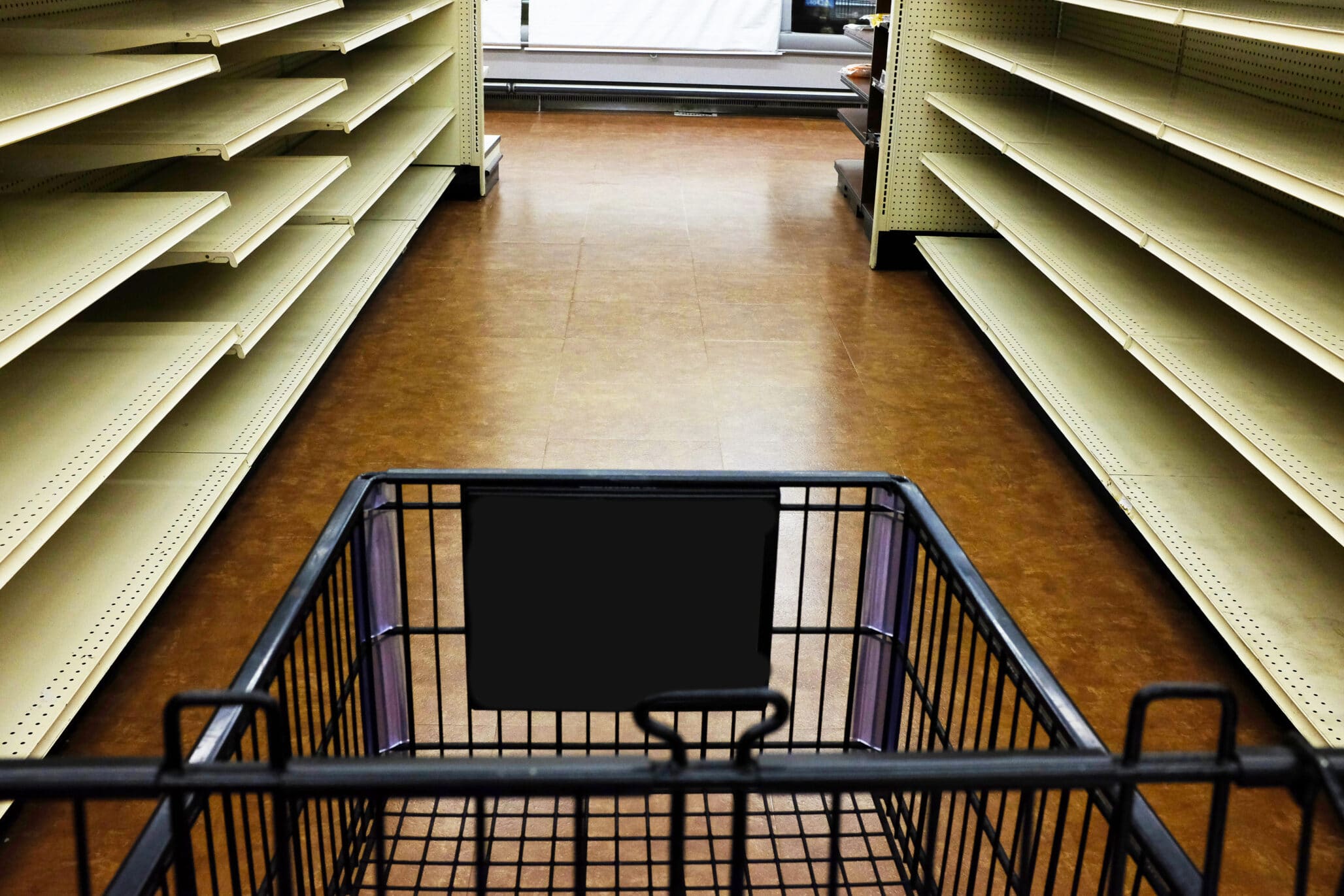
This has led to many low-income families struggling to meet basic expenses. Family shopping carts have therefore been emptied of essential items such as fruit and vegetables, with health consequences.
Those bearing the brunt of this are low-income countries, rural areas, war zones, women and children.
Possible Actions
The FAO identifies a few policy measures to combat inflation and support the most vulnerable areas and groups. These include tax measures, with temporary relief on essential goods and social protection programs.
The Fund for European Aid to the Most Deprived (FEAD) supports EU countries in providing food and other basic necessities to those most in need. The Foodcard is an innovative solution that provides individuals with a card loaded with funds to purchase food, ensuring a more dignified way to access essential items. In October 2023, Estonia was the first country in Europe to start using this social tool, which target are individuals experiencing poverty or social exclusion. Also, the Italian government has initiated measures in this regard, such as food bonuses.
Probably good trials, but more is needed.
A long-term strategy is necessary to ensure adequate food reserves and make international markets more transparent and stable. Furthermore, investing in resilient agri-food systems — i.e., agriculture, research and development, and logistics — strengthens the sector’s resilience to inflation, as well as climate change. Also, the seed world should be involved in this.
What About the EU?
Given all this, how is Europe planning for the future? Looking at the facts, the current Common Agricultural Policy 2023-2027, along with the Green Deal, has introduced a series of measures, only partially revised, whose inevitable result is a reduction in the productive capacity of agriculture. This will probably lead to a further increase of food prices.
In short, great attention has been paid to environmental aspects, which are certainly important, but economic sustainability and ensuring food sovereignty, which should be priorities, have been neglected or not sufficiently considered.
The proposed new CAP, for the five-year period 2028-2034, is, if anything, worse, with a significant cut in subsidies and no mention of investment in the sector. An anachronistic and damaging vision.
Franco Brazzabeni is commercial and marketing consultant in the international agribusiness, member of Assosementi and of ISF Groups and writes a blog on www.agrinotes.it.