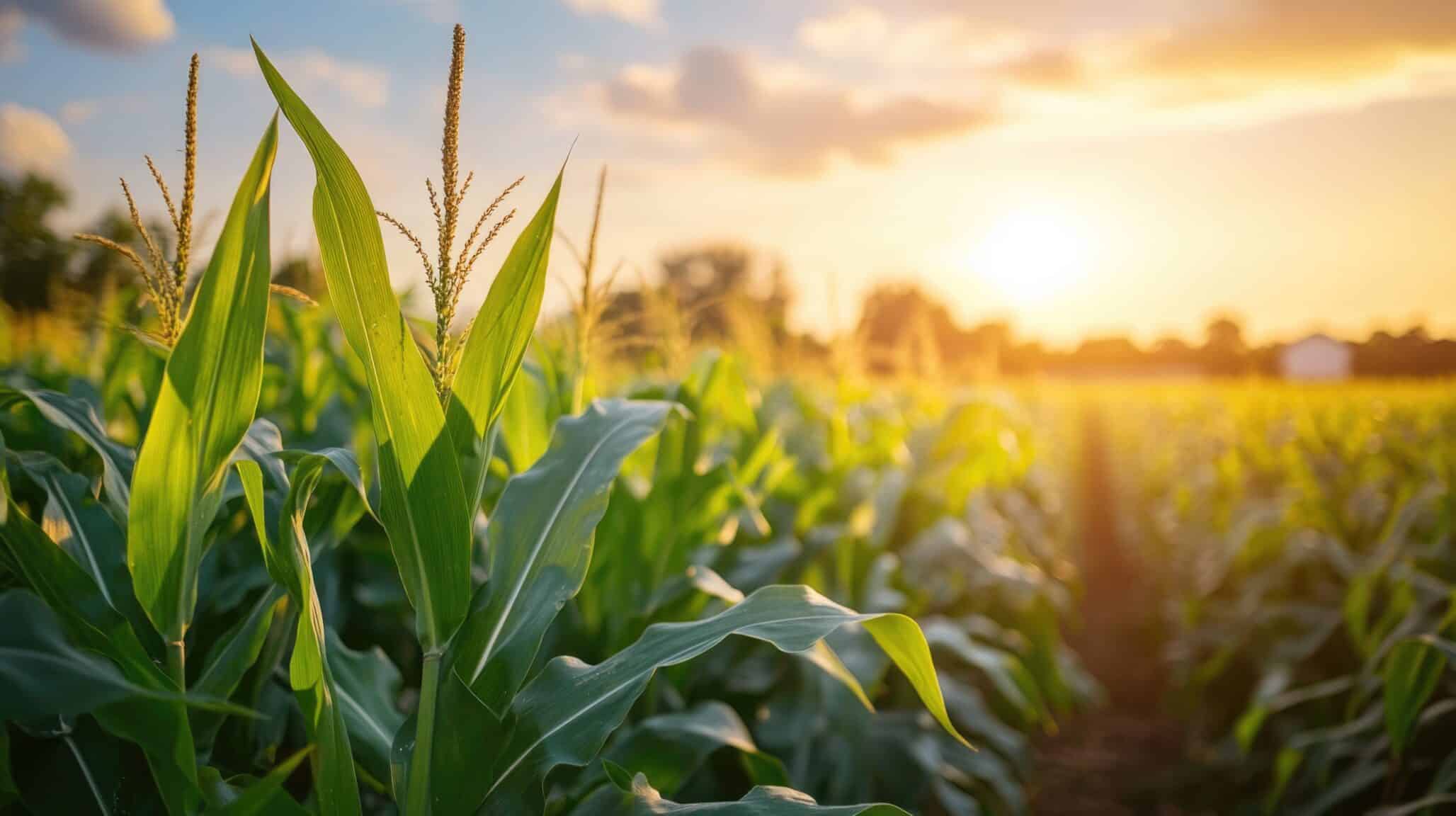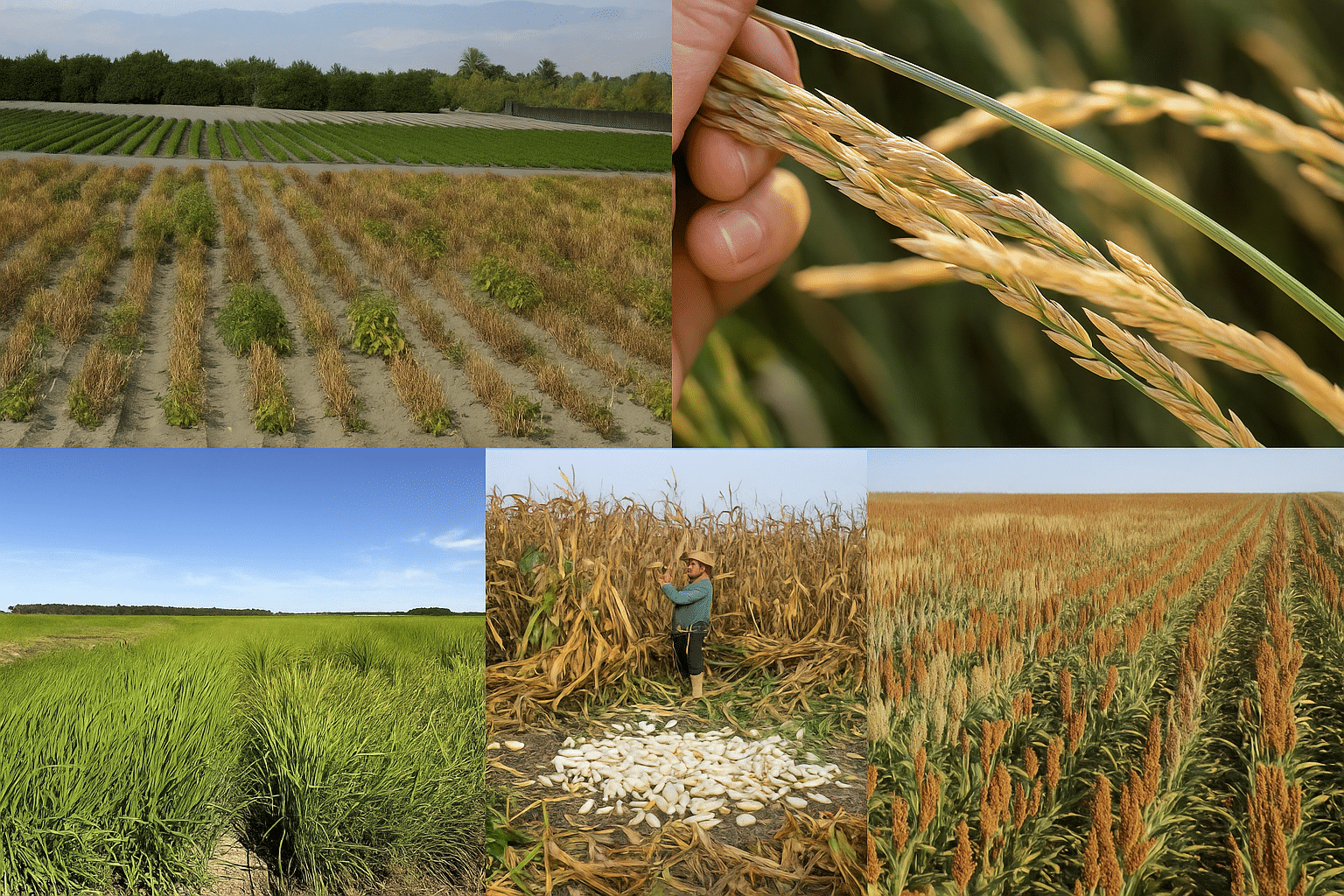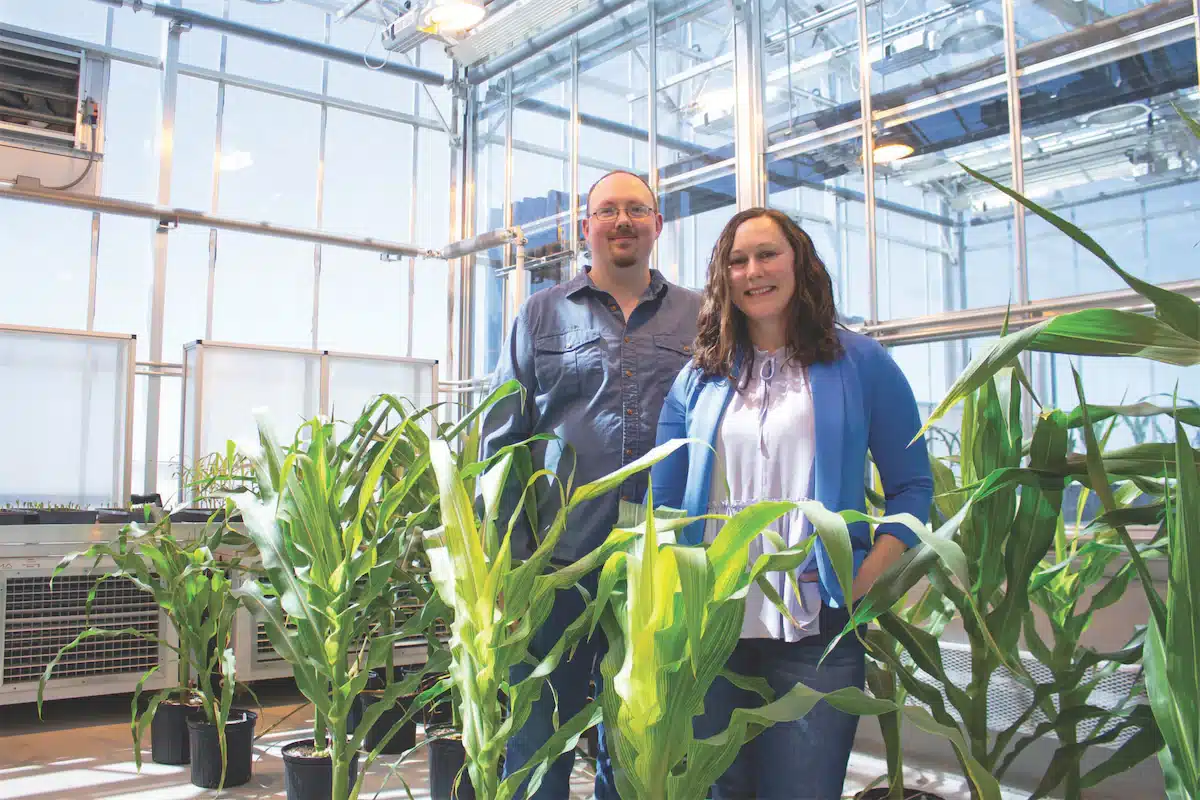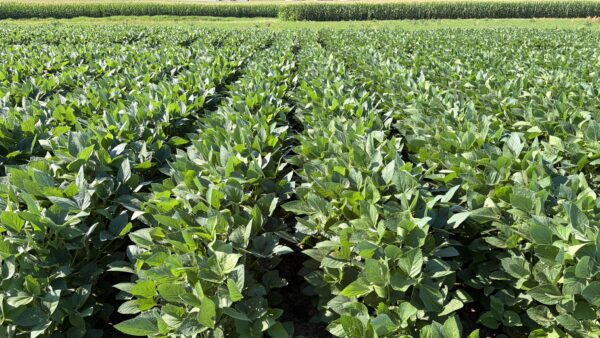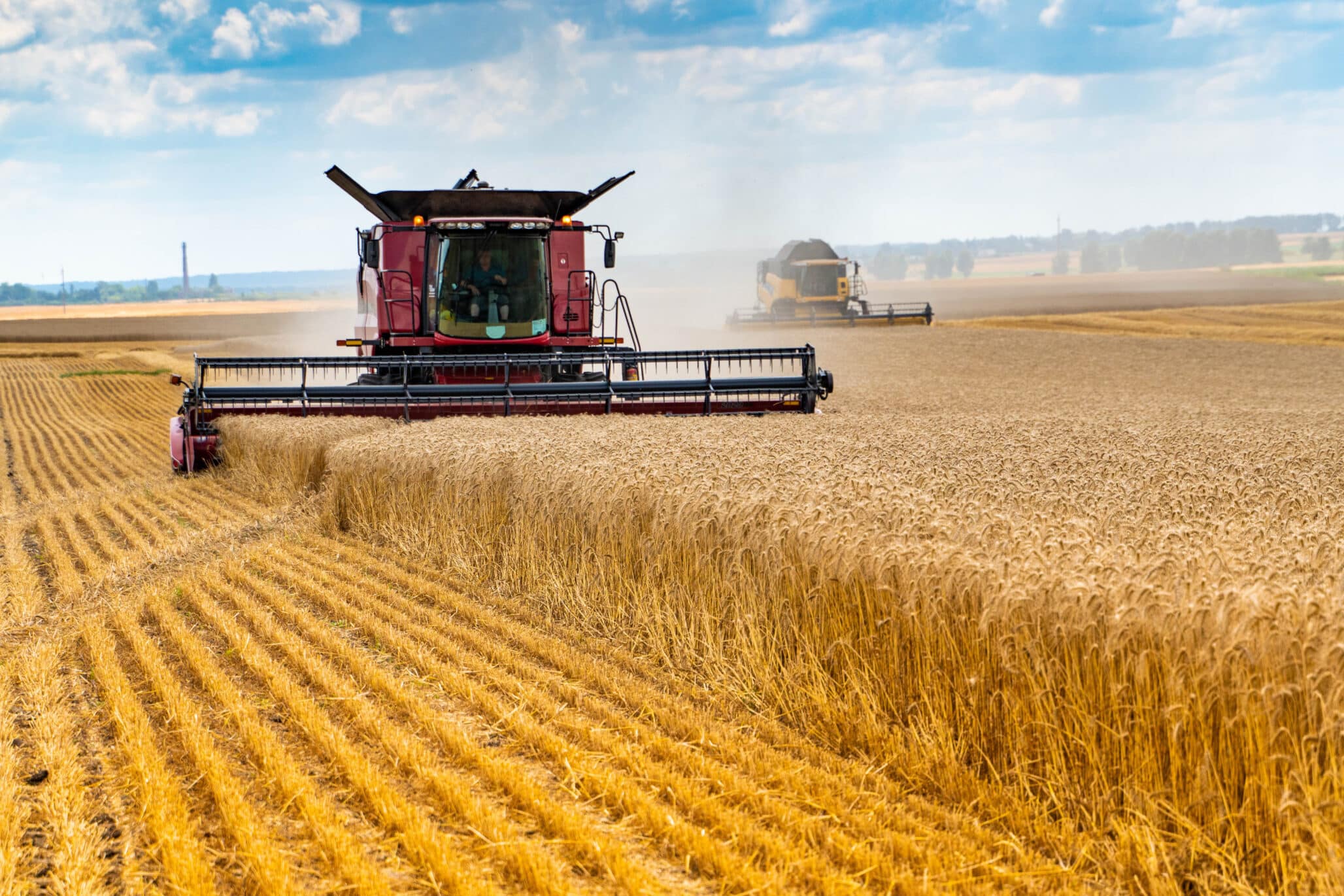
By the time the combine rolls, it feels like the race is over. But truth is, harvest doesn’t just show you what you grew — it shows you what you got right, what you missed, and what you better not forget next spring.
Here are five things I’m taking away from this season. Not just yield numbers, but the kind of lessons that shape better decisions next time around.
1. A Good Start Makes a Big Difference all the way to the Finish
I’ve said it before: corn doesn’t forgive a bad start. I’ll confidently bet you that your highest-yielding fields this year not only were the ones that had even emergence and strong early vigor but have one other thing in common: solid seed treatment packages. Protection from day one makes a difference you can see at harvest.
2. The Fields That Stood Strong Had Help Early
We had more than our fair share of heat this year, and many regions suffered through dry as well. But here’s something many have pointed out: the stands that had better early root growth — better anchoring — managed heat and drought pressure better, had less lodging, and grew more consistent ears. That kind of root development doesn’t just happen. It’s tied to how the plant starts. I’m not saying seed treatments are magic, but they do a heck of a job getting plants off the line strong and steady.
3. Disease Doesn’t Play Fair
Gray leaf spot and tar spot didn’t knock this summer. They barged in. The timing was tight for fungicide apps in some fields, but what made the difference in some fields was the baseline health of the crop. Plants that got seed-applied protection early on were less vulnerable mid-season. It’s a layer of defense that buys you time when conditions get tight.
4. Yield Is a Lagging Indicator. Dig Deeper
A neighbour of mine mentioned he’d had two fields that looked wildly different during the season pull similar yields. One had an uneven stand, poor root structure, and tons of stress signs. The other was uniform, clean, and easier to manage. The difference came down to early investment. So sure, the yield monitor might say “good enough”, but don’t let that fool you. Ask what you had to spend (and spray) to get there.
5. Take the Offseason Seriously
It’s easy to shut the bin door and move on. But now’s the time to walk those harvested fields. Look at stand residue, compare hybrids, and think back on crop inputs all the way to seed treatments. What gave you consistency? What saved you from a rescue spray? What stood tall when the wind picked up?
Here’s the bottom line: harvest is the scoreboard, but the real game is won in the planning. That planning starts with choosing the right seed and giving it the protection it needs from the moment it hits the furrow.