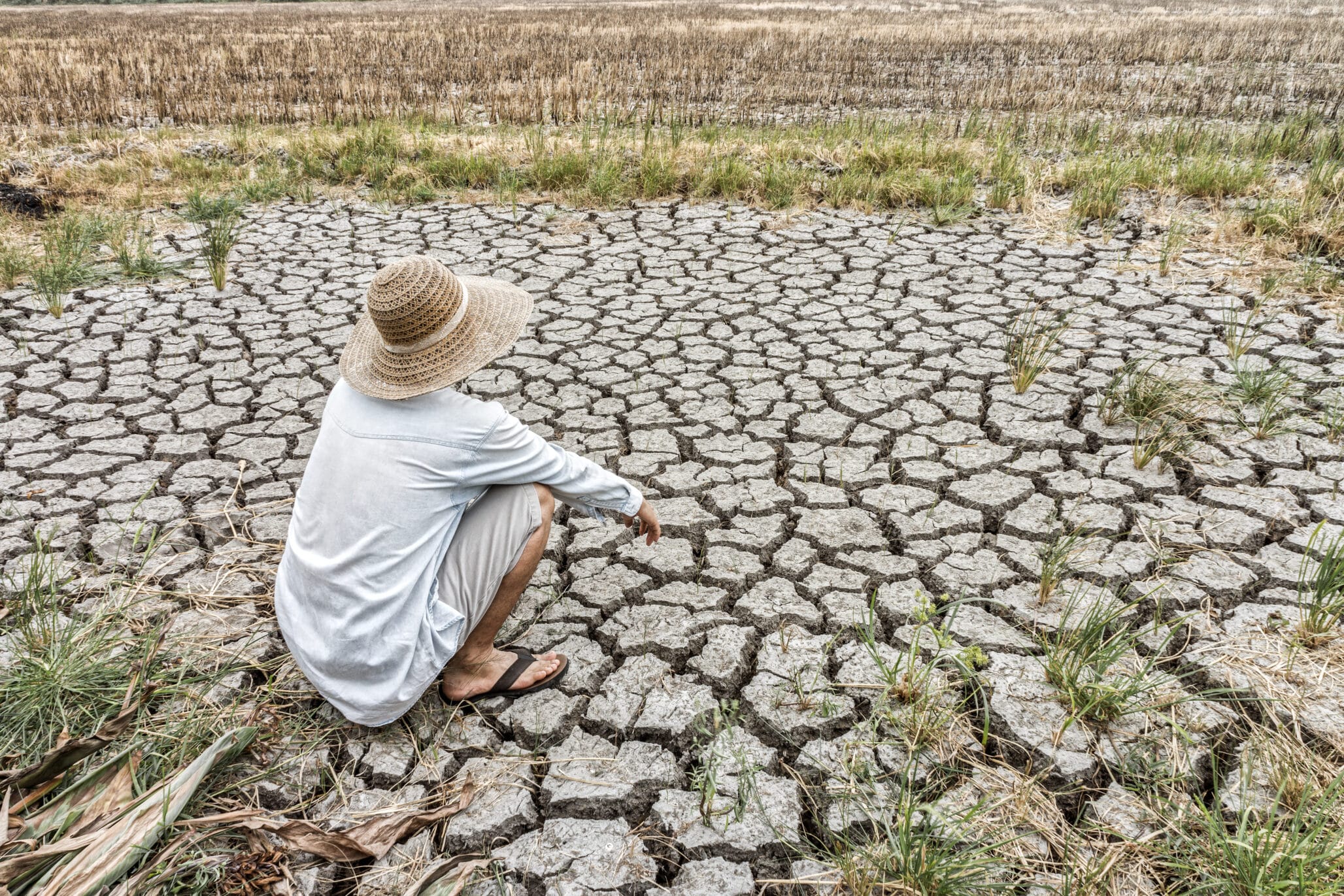
José Luis Araus, professor at the University of Barcelona’s Faculty of Biology and member of the Agrotecnio–CERCA Centre in Agrotechnology, has contributed to a new study revealing that wheat varieties which perform best under optimal conditions — with adequate water, nutrients, and temperature — also tend to yield more in challenging environments, including drought and heat stress.
The findings suggest a practical path forward for plant breeders. Researchers propose a two-step approach to developing more productive, resilient crops: first, identify varieties with the highest yield potential, and second, select those best adapted to specific growing conditions. This strategy could make breeding programs more efficient and cost-effective by reducing the number of sites needed for field testing advanced lines, according to a press release.
Published in Trends in Plant Science, the study was co-authored by Alejandro del Pozo of the University of Talca (Chile) and Victor Sadras of the University of Adelaide (Australia).
The research offers a potential resolution to an ongoing scientific debate about how best to balance yield potential and stress resilience in wheat — a crop critical to global food security. With climate change driving more frequent droughts and heatwaves, boosting both productivity and adaptability through genetic selection remains vital to feeding a world population projected to reach 9.5 billion by 2050.
Araus considers that the results of the study show that selecting varieties in very severe environmental conditions “is not the best breeding strategy, as it can limit their performance. Selecting taking into account physiological efficiency in the use of water (understood as the photosynthesis-transpiration ratio) would be negative in terms of productivity.”
“On the other hand, what is good under optimal conditions is also good under less optimal conditions: a high-yielding candidate selected in the best environment will normally outperform varieties that have not been selected for their yield potential, and this will occur under a wide range of conditions, such as moderate drought.”
The only exceptions would be in extremely stressful environments. But here too, Araus defends this strategy: “Even in a climate change environment such as the current one, in which we will encounter more and more extreme situations, it is necessary to go for this strategy, as the productivity of varieties developed under extreme conditions would not be profitable for European farmers.”
A More Cost-Effective and Efficient Breeding Strategy
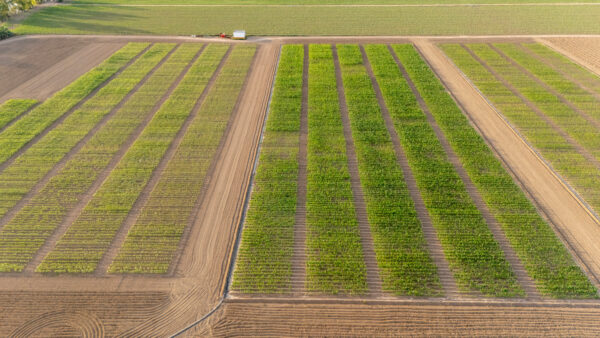
The study helped researchers define a more effective approach to genetic selection in wheat. Their results suggest that the early breeding stages — the first six or seven generations — should take place under optimal growing conditions, focusing on selecting the varieties with the highest yield potential. In later stages, these advanced lines would then be tested for a few generations in the specific regions where they are intended to be cultivated, allowing breeders to identify those best adapted to local conditions.
This approach would have two major advantages. The first would be economic, since “reducing the number of places to select advanced lines, prioritizing the development of well-managed crops in favourable environments, would also reduce the overall cost of varietal improvement worldwide,” says Araus. The second advantage would be efficiency: selecting in optimal environments is more efficient, as it minimizes factors that can confound the breeder. “If conditions are optimal, the genetic potential of the plant is better expressed. On the other hand, in suboptimal conditions (lack of water, unfertile soils or variable temperatures) there is more environmental noise, which makes it difficult to identify the best individuals.”
Key Agronomic and Physiological Traits
The study identified several traits linked to higher wheat performance, particularly under water-limited conditions. Araus explained that top-performing varieties are not necessarily the most water-efficient, but those able to access and use more water — thanks to deep or flexible root systems that can tap into moisture at different soil depths.
He also highlighted the importance of plant architecture that allows light to reach all leaves, improving photosynthesis throughout the canopy. “In order for all the leaves to contribute to the use of light, the upper leaves should be as vertical as possible to allow radiation to pass through and reach the most basal parts.”
Other contributing traits include more ears per area, a higher number of grains, and greater photosynthetic efficiency per unit of sunlight. Together, these factors enhance radiation and water-use efficiency. According to Araus, there is no “panacea or single feature”, but rather a set of features to improve the efficiency of radiation and water use.
Finally, the study has also analysed transgenic pathways to increase yield, but “so far, they have not yielded significant results… the results of adaptation to specific stress conditions such as drought are rather modest.”
The review also examined transgenic approaches to increasing yields but found that results so far have been limited, particularly in improving adaptation to drought and other stress conditions.