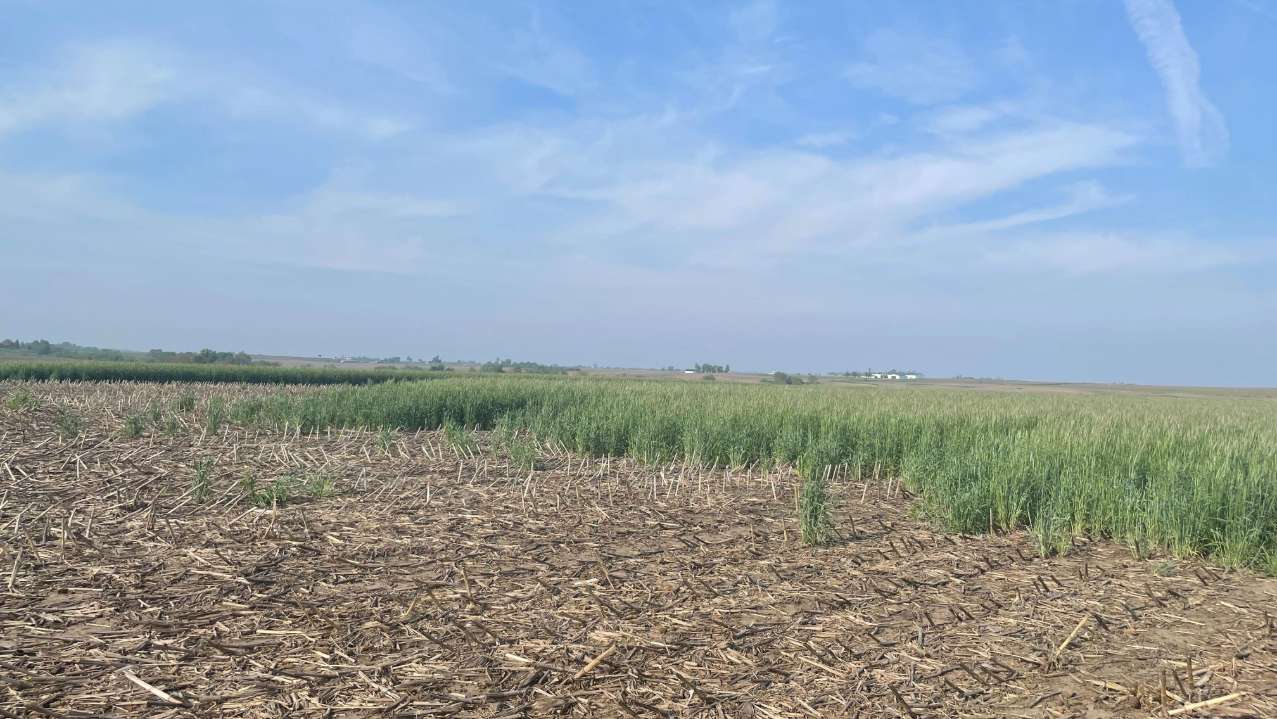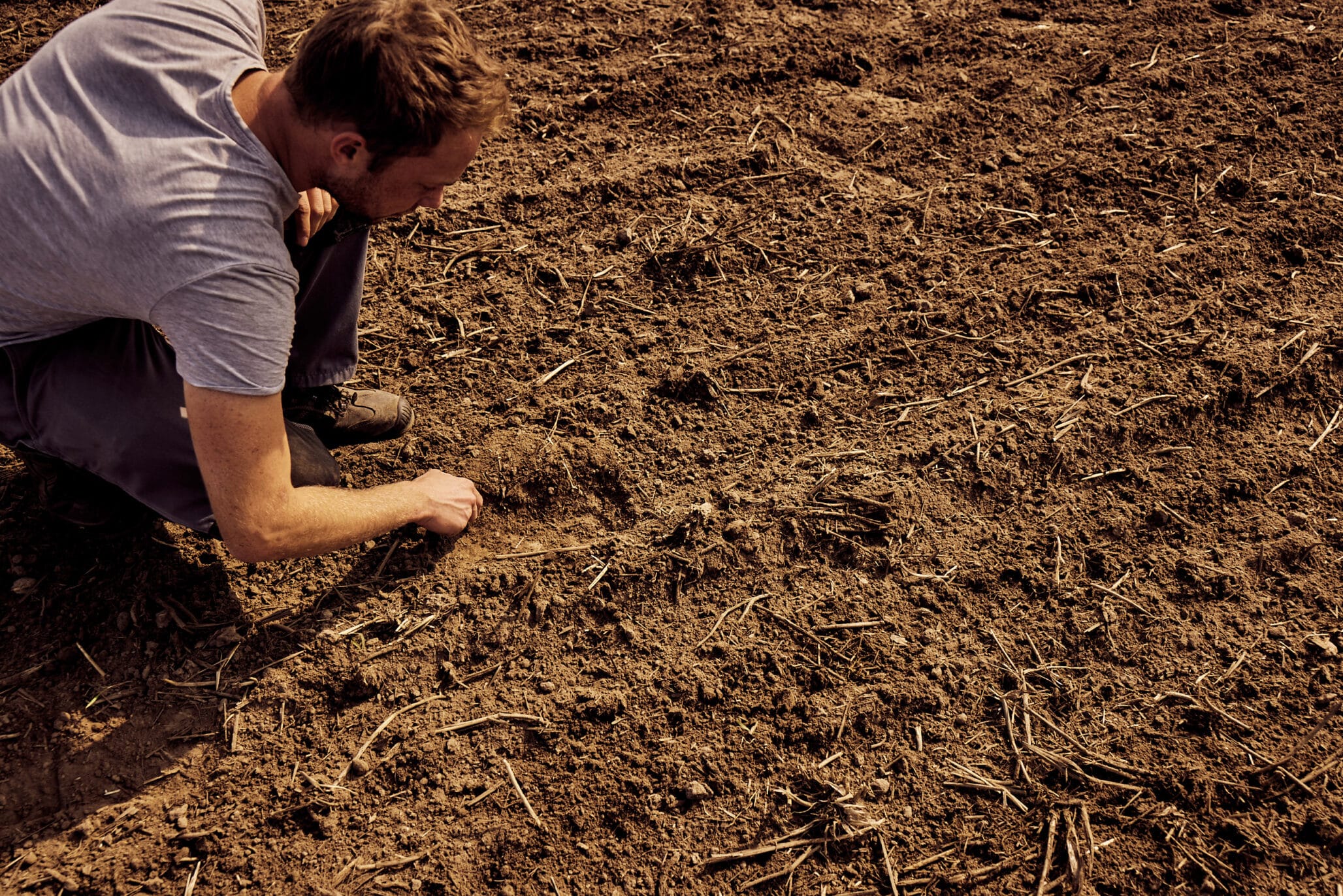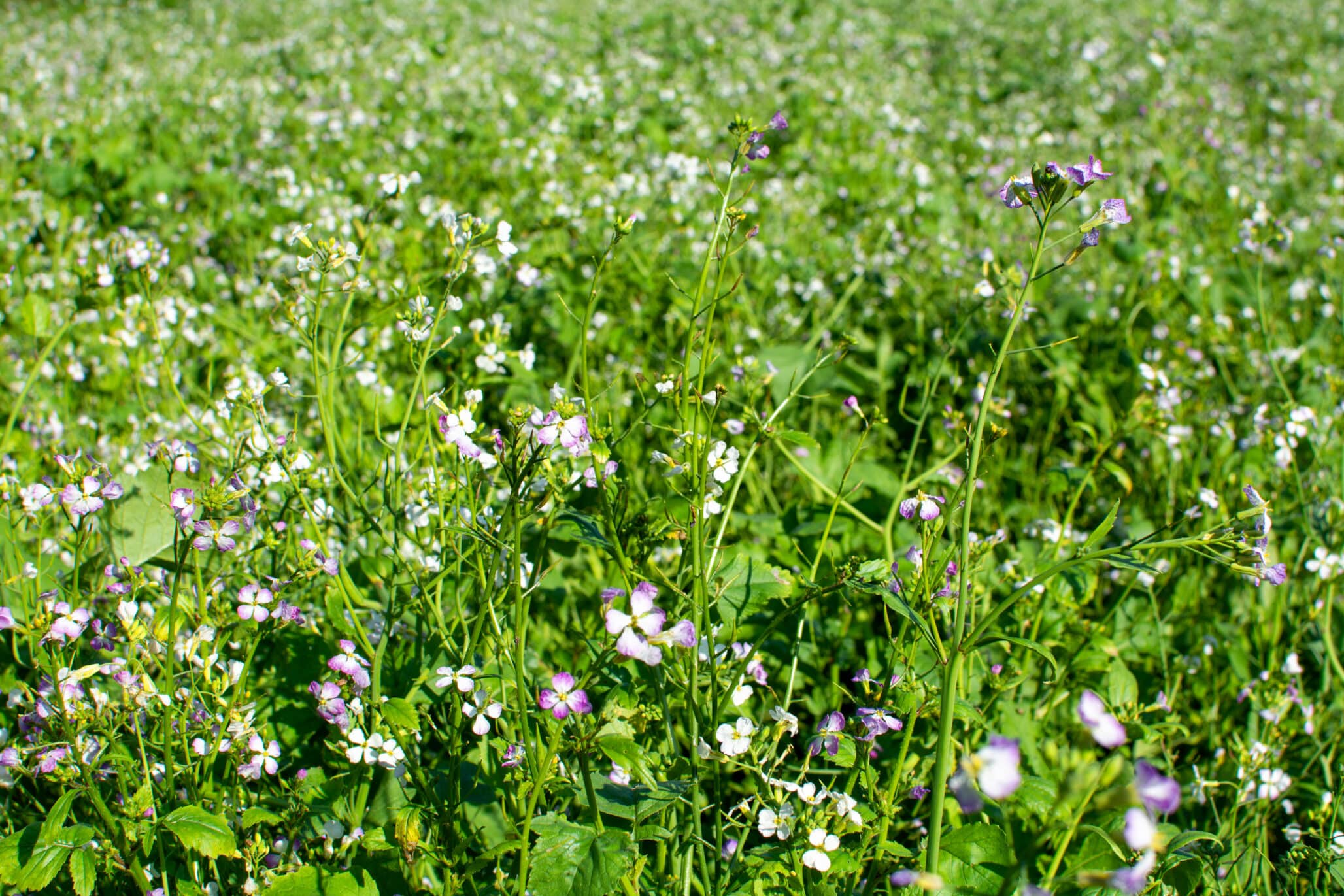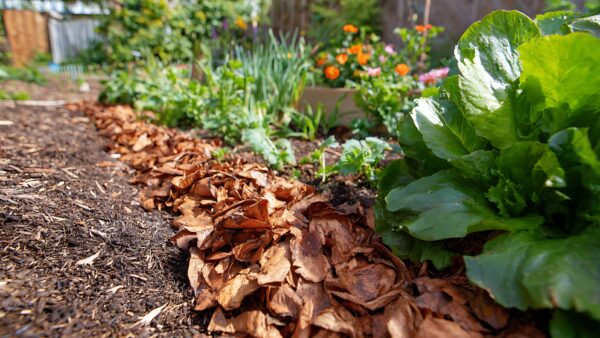

As harvest wraps up, talk often turns to cover crops — and for good reason. They’re the unsung heroes of soil health, helping prevent erosion, suppress weeds and return nutrients to the ground. But getting a consistent, healthy stand isn’t as simple as scattering seed. How those seeds are coated and delivered can make a big difference in performance, efficiency and sustainability.
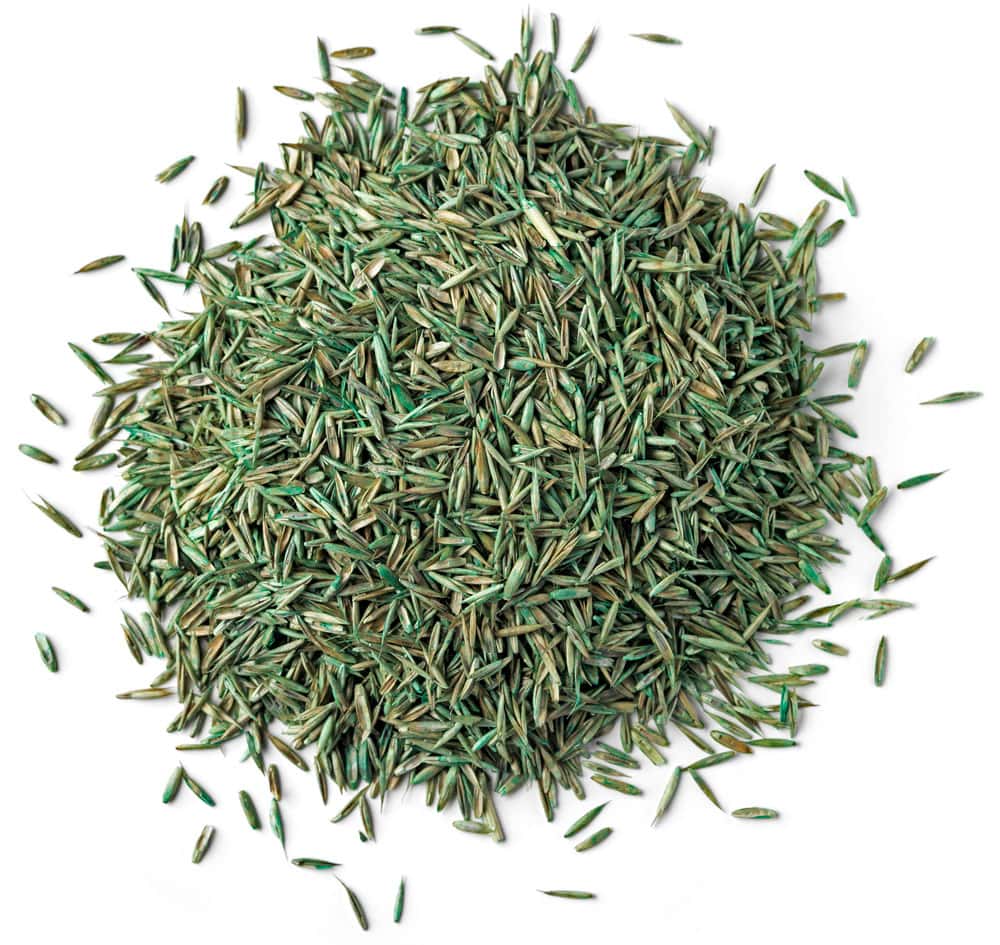
At Summit, we’ve long believed that seed coating should do more than stick to the surface. A good coating helps every seed start stronger, grow evenly and cover the field the way it was intended. That’s especially true for cover crop mixes, which often combine species with very different seed sizes and densities.
Why Coating Matters for Cover Crops
A typical cover crop mix might include clovers, vetch, oats and other species—all with different weights and shapes. Without coating, lighter seeds can blow away during broadcast spreading, while heavier ones travel farther, creating patchy stands. Coating helps create uniform density and even distribution across the field—no matter how you plant.
At Summit, we’ve developed coating systems designed to:
- Improve germination and root establishment
- Balance seed weight for even spread, whether broadcast, drilled or applied by drone
- Reduce passes through the field, saving time, fuel and emissions
That last point matters more than you might think. With better coverage per pass, growers can use less diesel and still get the coverage they need — making coating not just good for crops, but for the environment too.
From Soil Health to Sustainability
Cover crops are gaining traction everywhere — from farms focused on soil regeneration to highway departments using clover blends for erosion control and beautification. What they all share is the goal of doing more with less: fewer inputs, fewer passes, and more resilient landscapes.
As I see it, coating is part of that same mindset. It’s a technology that helps seed perform better for everyone involved — growers, land managers and the environment. When each seed does its job, the entire system benefits.
In the end, a better cover crop is about more than just what’s planted — it’s about how it’s prepared to grow. That’s where smart coating makes all the difference.