Transforming global agrifood systems to become more efficient, inclusive, resilient, and sustainable is essential to achieving the Paris Agreement’s climate goals. However, the continuing gap in climate finance remains a “lost opportunity” for a sector capable of reducing up to one-third of global emissions, according to the Food and Agriculture Organization of the United Nations (FAO).
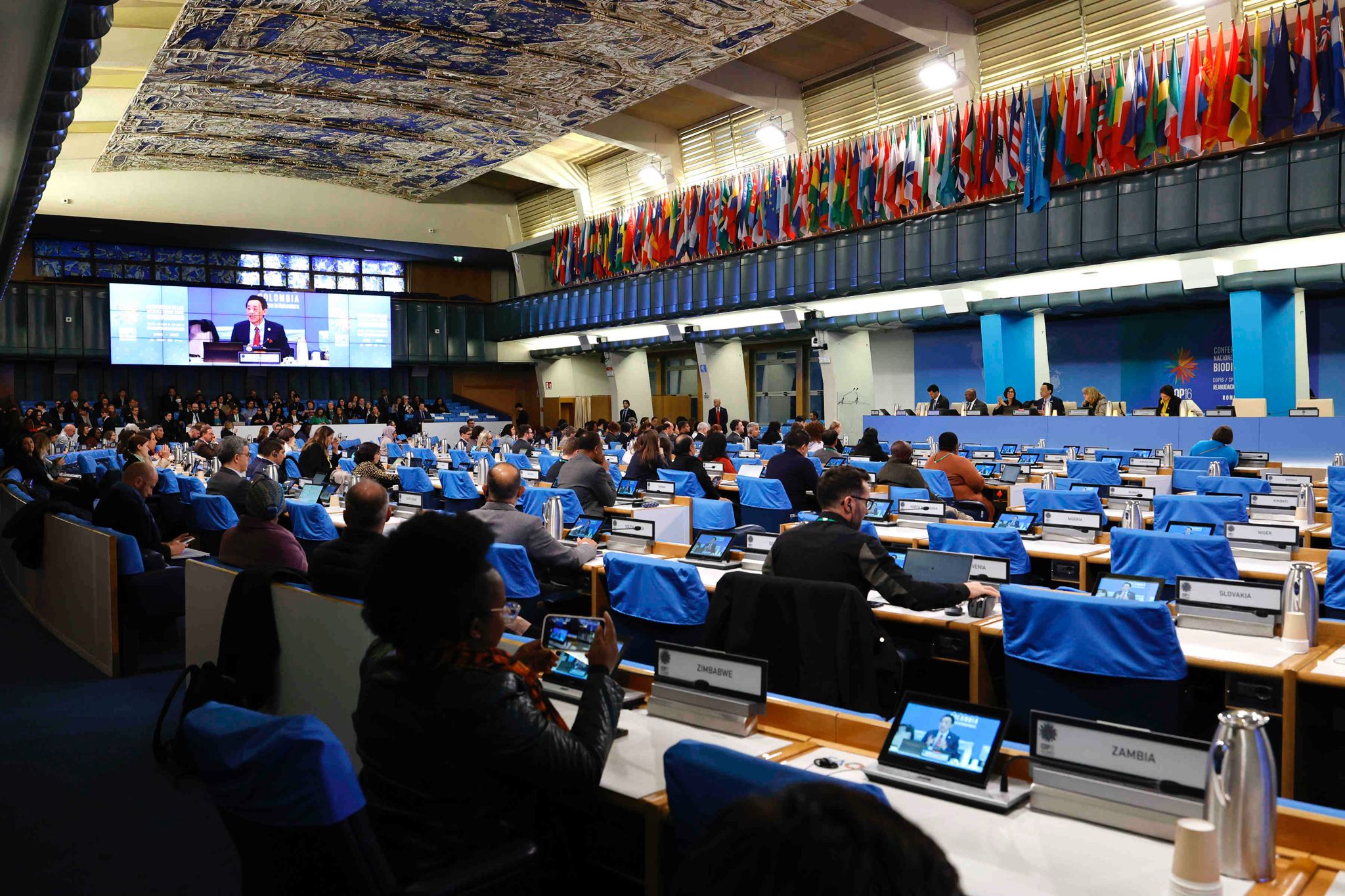
This message was delivered by FAO on Friday during the Belém Climate Summit, convened by Brazilian President Luiz Inácio Lula da Silva. The event gathered world leaders, ministers, and representatives from international organizations to discuss pathways for addressing the climate crisis through just and sustainable energy transitions, as well as forest and biodiversity conservation.
The summit took place in preparation for the 2025 United Nations Climate Change Conference (COP30), scheduled for 10–21 November 2025 in Belém, Brazil.
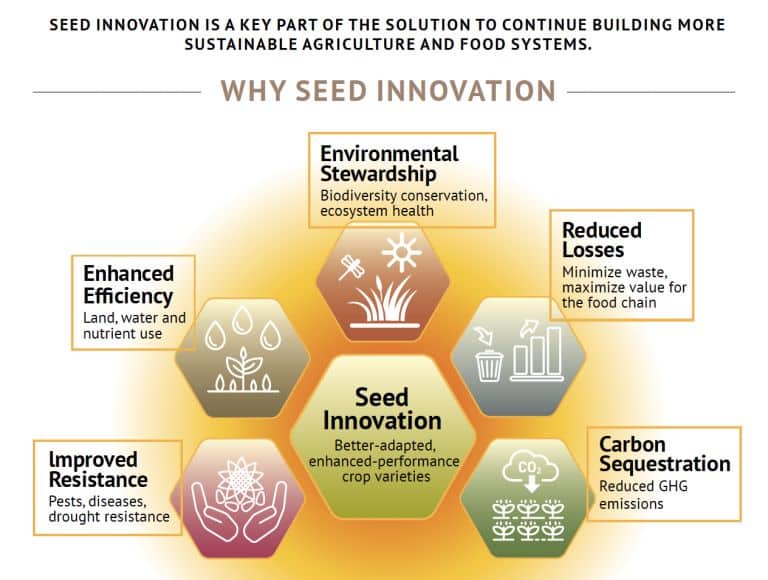
At COP30, FAO will underscore that science-based agrifood solutions can make a decisive contribution to climate action by reducing emissions, enhancing carbon sequestration, restoring ecosystems, and building resilience — all while ensuring food security and nutrition for the 1.2 billion people whose livelihoods depend on these systems, according to a press release.
“From restoration of degraded agricultural lands to resilient crops and sustainable aquaculture and livestock, we have the solutions that deliver across sectors,” said FAO Director-General QU Dongyu in a speech delivered on his behalf to the Summit’s General Plenary Leaders Dialogue meeting in Belém.
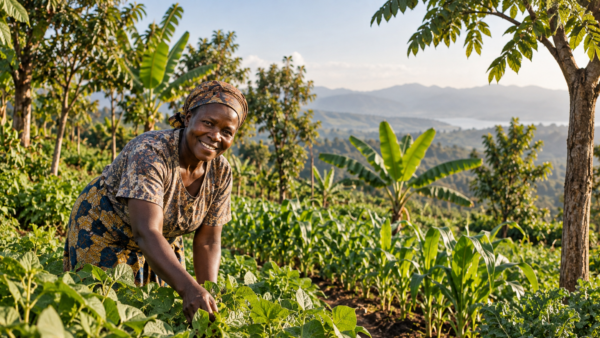
In Brazil’s Amazon region, agroforestry initiatives are helping to restore degraded lands while supporting local livelihoods — delivering a triple win for biodiversity and food diversity, food security, and climate resilience.
However, potential alone cannot drive transformation. Investment levels remain far below what is required to scale up agrifood systems change. Despite increased contributions from the Green Climate Fund and the Global Environment Facility, the combined sectors of forestry, livestock, fisheries, and crop production accounted for only 4% of total climate-related development finance in 2023.
“For a sector that can deliver a third of global emission reductions, this gap is not only unequal — it is a lost opportunity. By overlooking agrifood systems, we are leaving one of the most effective pathways to low-emission growth untapped,” Qu said.
Call to Action on Integrated Fire Management and Wildfire Resilience
On Nov. 6, the Director-General of the Food and Agriculture Organization of the United Nations (FAO) addressed a COP30 thematic session on forests and oceans, which marked the official launch of the Call to Action on Integrated Fire Management and Wildfire Resilience. The initiative seeks to shift from reactive fire suppression toward proactive, preventive strategies through comprehensive, science-based fire management.
Led by Brazil and endorsed by 50 countries, as well as FAO, the International Tropical Timber Organization (ITTO), and the UN Environment Programme (UNEP), the Call to Action urges governments to adopt integrated fire management approaches that emphasize prevention, preparedness, and resilience. It promotes the use of scientific and traditional knowledge, combined with modern technologies, to better manage and reduce wildfire risks.
The framework outlines 22 strategic actions designed to enhance wildfire prevention, empower local communities, and strengthen cross-border cooperation. It also identifies the FAO-hosted Global Fire Management Hub as a key platform to coordinate implementation in close collaboration with national and regional partners.
FAO at COP30
FAO views COP30 as a pivotal opportunity to advance global action against the climate crisis while safeguarding food security and nutrition for current and future generations. The Organization is working closely with countries and partners to ensure that agriculture and food systems remain central in climate discussions, including those related to the Global Goal on Adaptation, loss and damage, nationally determined contributions (NDCs), National Adaptation Plans (NAPs), climate finance, and just transitions.
FAO is also supporting the COP30 Presidency’s Action Agenda, which includes new initiatives on agriculture, forests, and bioeconomy. Through the Food and Agriculture for Sustainable Transformation (FAST) Partnership, hosted by FAO, the Organization continues to act as a COP-to-COP mechanism — ensuring agrifood systems stay at the heart of climate negotiations and supporting implementation after the conference. Under this framework, FAO is advancing the Resilient Agriculture Investment for Net Zero Land Degradation (RAIZ) Accelerator, a global initiative to mobilize investments for restoring degraded agricultural lands.
Building on the Call to Action on Integrated Fire Management and Wildfire Resilience, the Global Fire Management Hub contributes directly to COP30’s objective of conserving, protecting, and restoring ecosystems.
For the fourth consecutive year, FAO is co-hosting the Food and Agriculture Pavilion with CGIAR, fostering multi-stakeholder dialogue throughout the negotiations, and contributing to the Forest Pavilion in its capacity as Chair of the Collaborative Partnership on Forests.
Throughout the conference, FAO will present a range of new publications and policy briefs, including:
- An updated analysis of the links between agriculture, food systems, and climate change;
- A review of Global National Adaptation Plans (NAPs);
- A report on climate-related development finance for agrifood systems; and
- New research on the climate benefits of forests and trees for agriculture, as well as on extreme heat impacts on farming.