Global negotiations could reshape the future of crop innovation.
This November, more than 150 countries will gather in Lima, Peru under the FAO to renegotiate the International Treaty on Plant Genetic Resources for Food and Agriculture. The decisions made there will influence how the world shares and benefits from the genetic building blocks that sustain global food production.
Get these decisions right, and agriculture gains a clearer path to innovation and resilience. Get them wrong, and the world risks slowing breeding progress and narrowing biodiversity.
Industry Leaders Weigh In on What’s at Stake
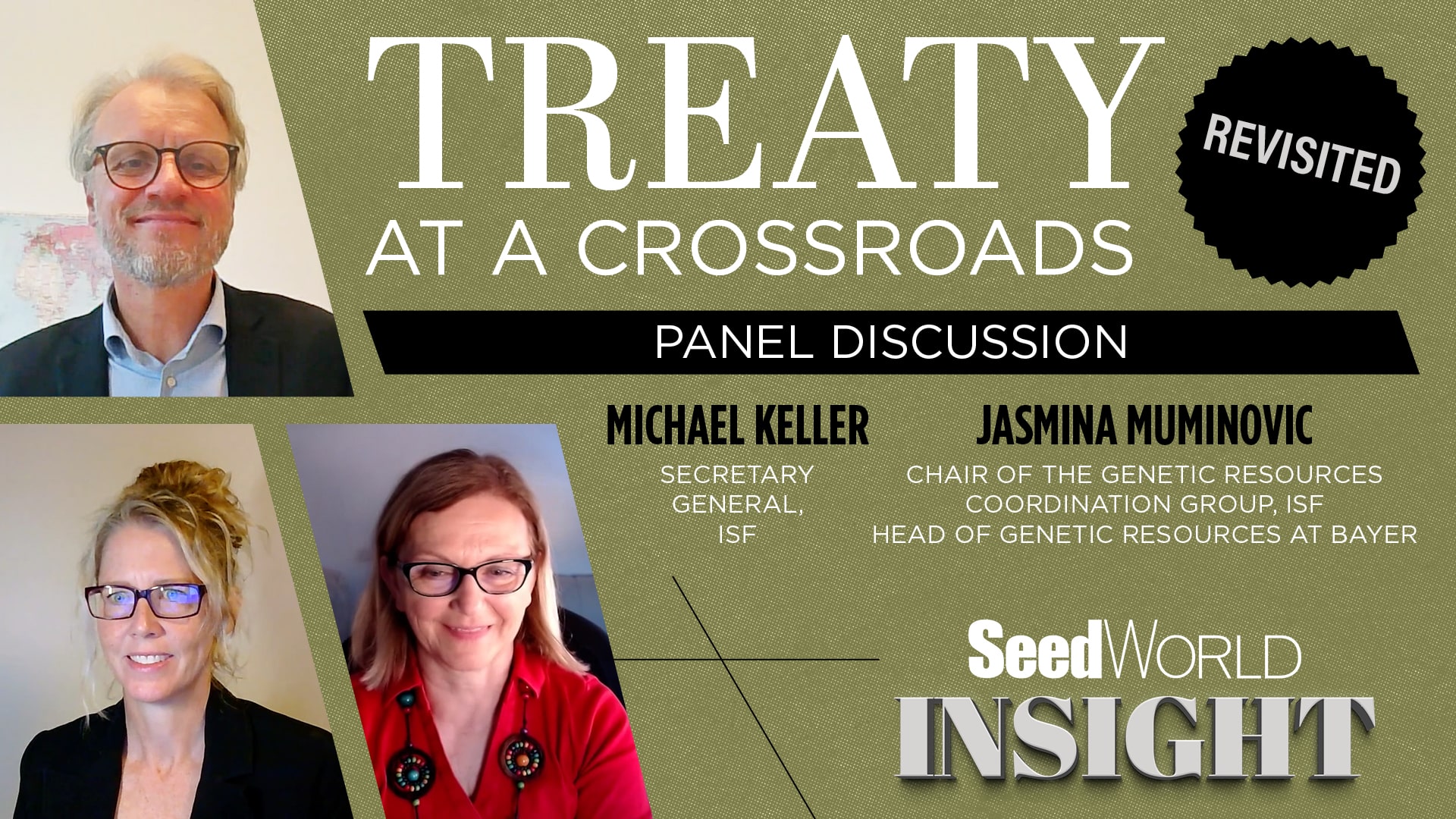
In this Seed World INSIGHT panel discussion, three key voices from across the seed sector discuss the Treaty’s most difficult and consequential questions:
- Michael Keller, Secretary General, International Seed Federation
- John-Pieter Schipper, CEO, Bejo Zaden
- Dr. David Bubeck, Global Breeding Alliances Lead, Corteva Agriscience
Their discussion explores:
- What a fair and workable access-and-benefit-sharing (ABS) system looks like
- The red lines that could make a renegotiated Treaty unworkable
- How Digital Sequence Information (DSI) should be governed
- How to balance innovation, equity, and biodiversity protection
This is a rare, in-depth look at a global policy debate that will influence plant breeding and food security for years to come. Watch the full [Seed World INSIGHT] panel discussion.
For background, context and a deeper explanation of what will be negotiated in Lima, watch our Seed World EXPLAINS introductory video, featuring Jasmina Muminović, Chair of the Genetic Resources Coordination Group of the International Seed Federation and Head of Genetic Resources at Bayer.