The Secretariat Against Corruption and Good Governance, in coordination with the Ministry of Agriculture and Rural Development, convened the meeting “Toward a Policy of Sustainable Public Procurement of Coffee for Social Sector Organizations (OSS).” During the session, officials presented the results of the first purchase of this product carried out in 2025 and outlined the implementation plan for 2026.
In his remarks, the Secretary of Agriculture and Rural Development, Julio Berdegué Sacristán, emphasized that cooperation between government agencies and producers aligns with the directive of the President of Mexico.
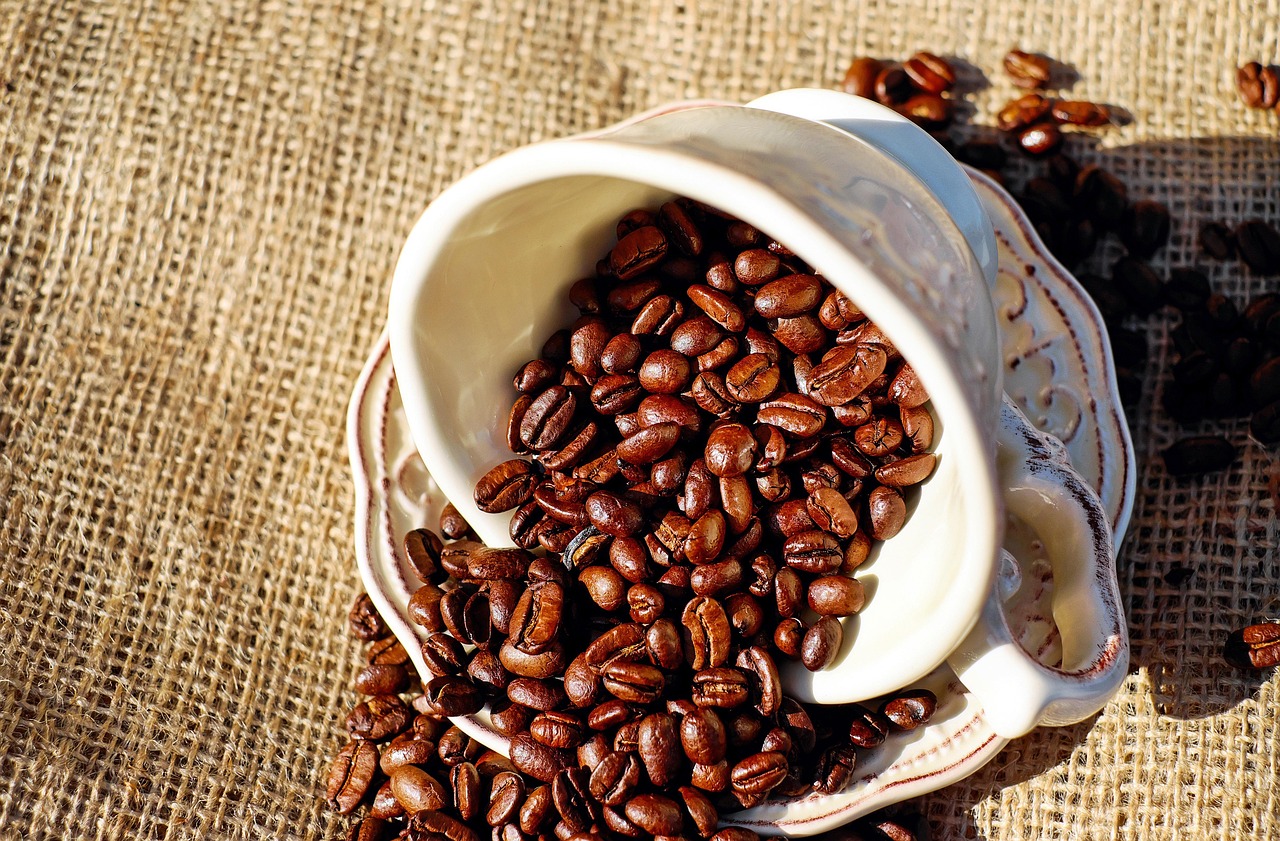
Referring to Mexican coffee, he highlighted its deep social and environmental roots. “We have the order of 500,000 producers; 95% of them are peasants, very small producers. Seventy-five percent belong to an indigenous people. How important it is that we are talking about a product of peasants and indigenous peoples,” he said.
He recalled that Mexico concentrates a spectacular proportion of the planet’s biodiversity, 70 percent, and that indigenous peasant coffee plantations are part of that biodiversity. “That’s Mexican coffee: society, peasantry, organized indigenous peoples and nature.” Finally, he explained that there are already thousands of coffee plantations and coffee plantations ready to sell directly to the State, but that it is necessary to go beyond conventional support, according to a press release.
Regarding public procurement and fair trade, Berdegué Sacristán noted that thousands of coffee growers are already prepared to sell directly to the State. However, he emphasized the need to move beyond traditional forms of support.
“We have 23,700 coffee farmers in the Country Schools […] and we have 5,500 of them since they can sell coffee tomorrow,” he said.
For his part, the Undersecretary of Good Government, Alejandro Encinas Nájera, noted that public procurement in the country amounts to 700 billion pesos and, as such, is intended to serve as a lever for development and a tool for inclusion and social justice. He explained that the decision to begin with coffee responds to a longstanding debt owed to this sector.
He recalled that, at the start of this Administration, the goal was to establish a model enabling the Mexican State to purchase from cooperatives, micro-, small-, and medium-sized enterprises, as well as social economy organizations. To this end, the Law on Acquisitions, Leases, and Services of the Public Sector was amended, ensuring that these entities do not compete under unequal conditions with large corporations. The reforms also created exclusive procurement opportunities with equitable award conditions and provisions for advance payments.
“We have already proven that the model works, that it does work, that it is possible to do it within the law and at the appropriate times. And now what we have as a challenge forward, is to escalate it to the entire Federal Public Administration,” he said.
During the meeting, the Ministry of Finance and Public Credit (SHCP) presented progress on the Framework Agreement for the Purchase of Coffee from Social Sector Organizations (OSS). This agreement will enable all federal agencies to acquire coffee through the Government of Mexico’s Digital Store, following approved criteria for sustainability, traceability, and transparency. The scheme aims to ensure efficient procurement processes, broaden the participation of these organizations, and strengthen the social supply registry. For 2026, the purchase of 68 tons of roasted and ground coffee is planned, with an estimated value of 20 million pesos.
Anabel Téllez, representing the organization Yankuik Senojtokalis, shared their experience as a federal government supplier and underscored their commitment to fostering more equitable and sustainable commercial relationships.
Attendees included Senator Susana Harp Iturribarría; Rocío Mejía Flores, head of Financiera para el Bienestar (Finabien); Catalina Monreal Pérez, director of the National Institute of Social Economy (INAES); Francisco Luciano Concheiro Bórquez, head of the Federal Educational Authority in Mexico City (AEFCM); and Jaime Arturo Larrazabal Escarraga, director of the Administrative Control and Public Procurement Unit at the Ministry of Finance and Public Credit, among other representatives from federal institutions.
These efforts demonstrate Mexico’s progress toward establishing a national model of Sustainable Public Coffee Procurement — one capable of transforming public policy into equity, well-being, and shared prosperity for coffee-producing communities throughout the country.