The WIR project Physics for Food, funded by the Federal Ministry of Research, Technology and Space (BMFTR), has concluded after eight years of work. At the final event on 19 November 2025 in Neubrandenburg, researchers and project partners shared major findings and practical applications for agriculture and food production. The initiative was launched by the Neubrandenburg University of Applied Sciences and the Leibniz Institute for Plasma Research and Technology.
The network set out to develop physical technologies that support sustainable food production — from seed treatment and cultivation systems to storage, processing, greenhouse concepts and environmentally friendly water cycles.
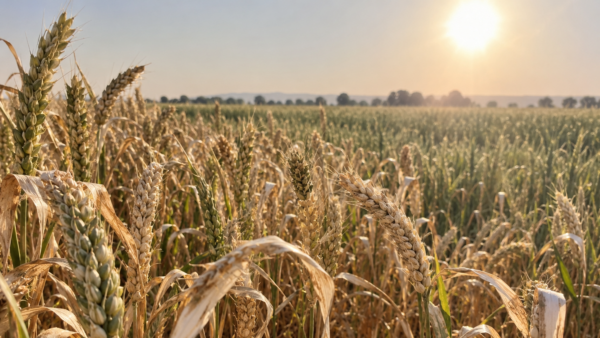
The results highlight how physics-based approaches can strengthen crop production, reduce inputs and minimise environmental impact. Plasma treatments proved especially effective across several agricultural stages. For seeds, plasma inactivated pathogens as effectively as chemical treatments, increasing winter barley establishment by 10–40% and boosting yields by around 5%. A new decontamination process developed at INP received a European patent in October 2025.
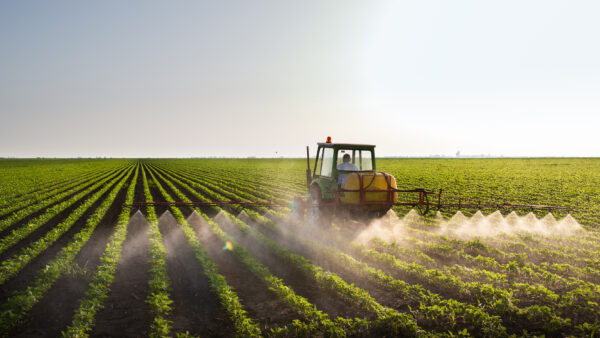
In the field, plasma technologies showed potential as part of integrated pest management. Trials demonstrated improvements in plant growth and stress tolerance, with measurable differences in leaf infestation and yields — early signs of practical, stable applications for farmers.
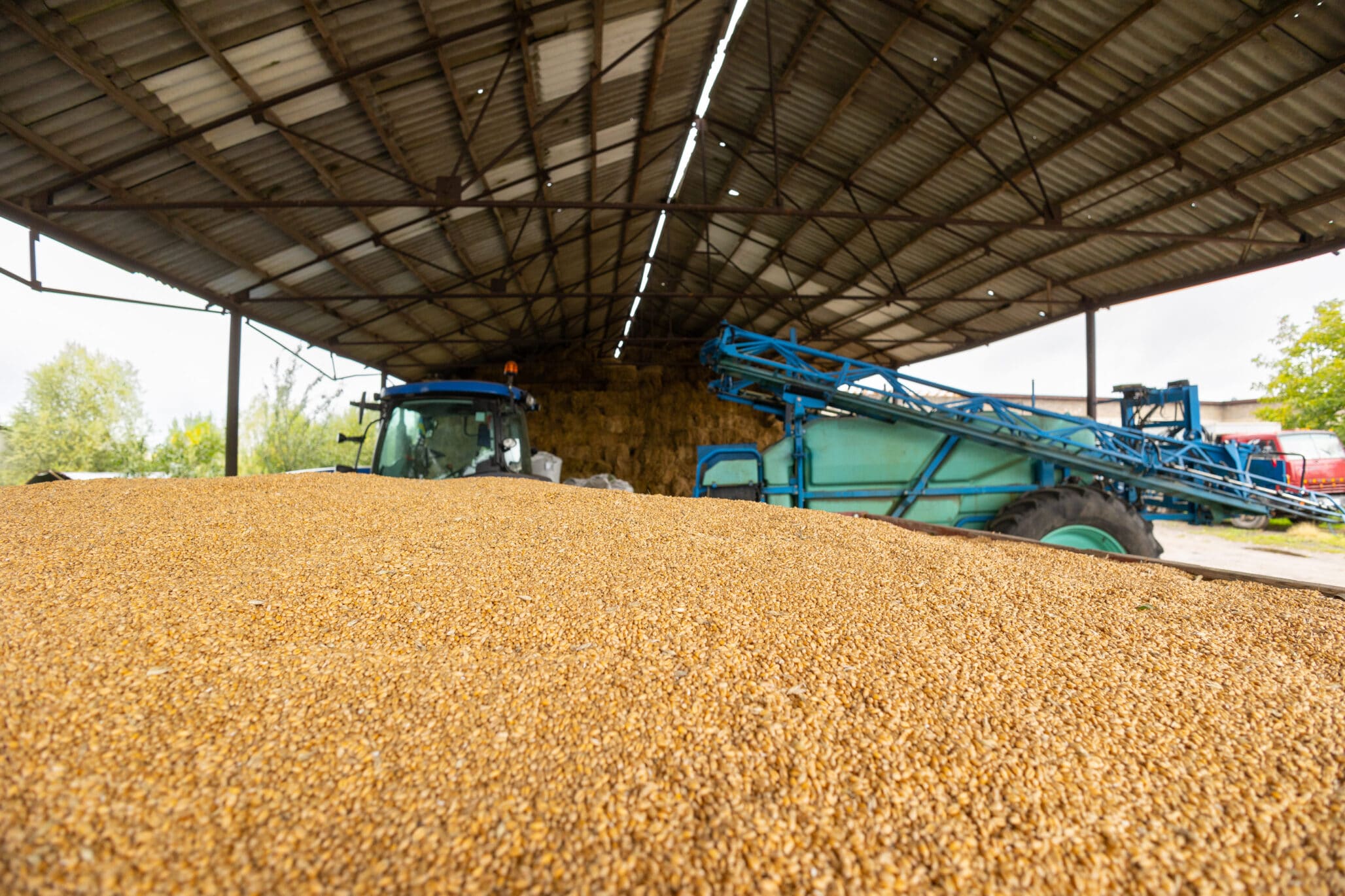
For grain storage, plasma successfully inactivated moulds and pests such as the grain beetle. This led to the development of conveyor-based plasma treatment systems and an option for treating silo air. A full-scale test with a 30-tonne cereal silo helped optimise operating parameters. Strong farmer interest reflects the growing demand for chemical-free storage solutions, according to a press release.
Physical water treatment technologies were also advanced, combining filtration, ultrasound, ozone, UV and plasma to reduce pollutants and microorganisms. Demonstrators have already been applied in partnerships with the Zuckerfabrik Anklam and Störtebeker Braumanufaktur, demonstrating relevance for both agriculture and food processing.
In greenhouse production, a large hydroponic system for more than 3,000 plants allowed researchers to test plasma processes under near-commercial conditions. Plasma-treated water met hygiene standards comparable to chemical agents, reduced the need for nitrogen fertiliser and supported healthy plant development — showing strong potential for modern, resource-efficient greenhouse systems.
Throughout the project, close collaboration with industry ensured practical relevance and readiness for adoption. Physically produced plasma is chemical-free, residue-free and resource-efficient, aligning with farmers’ growing interest in sustainable technologies. Physics for Food helped establish significant regional expertise in physical processes for agriculture and food production, generating 12 additional joint projects and around 30 new cooperations across the sector.